
Navigating the landscape of home financing can be a complex endeavor, with a myriad of loan options, terms, and rates to consider. Among the most significant choices for many homebuyers, particularly first-time purchasers or those with less-than-perfect credit, is the FHA loan. Backed by the Federal Housing Administration (FHA), these government-insured mortgages offer a pathway to homeownership that might otherwise be inaccessible. However, understanding what an FHA mortgage rate truly entails—how it’s determined, what factors influence it, and how it compares to other loan types—is crucial for making an informed financial decision. This article delves into the intricacies of FHA mortgage rates, offering a comprehensive guide for potential homebuyers.
Understanding FHA Loans and Their Unique Structure
Before dissecting the rate itself, it’s essential to grasp the fundamental nature of FHA loans. Unlike conventional mortgages, FHA loans are not issued by the government directly; rather, they are provided by FHA-approved private lenders and then insured by the FHA. This government backing protects lenders from losses if a borrower defaults, which in turn allows them to offer more favorable terms to a broader range of applicants.
What is an FHA Loan?
An FHA loan is a mortgage insured by the Federal Housing Administration, a division of the U.S. Department of Housing and Urban Development (HUD). Its primary purpose is to make homeownership more accessible, particularly for those who might struggle to meet the stricter requirements of conventional loans. This includes individuals with lower credit scores, limited savings for a down payment, or higher debt-to-income ratios. The insurance aspect means that while you’re getting your loan from a bank, credit union, or mortgage company, the FHA guarantees a portion of the loan to that lender, reducing their risk. This government support is what enables lenders to relax their criteria compared to uninsured, conventional loans.
Key Benefits of FHA Loans
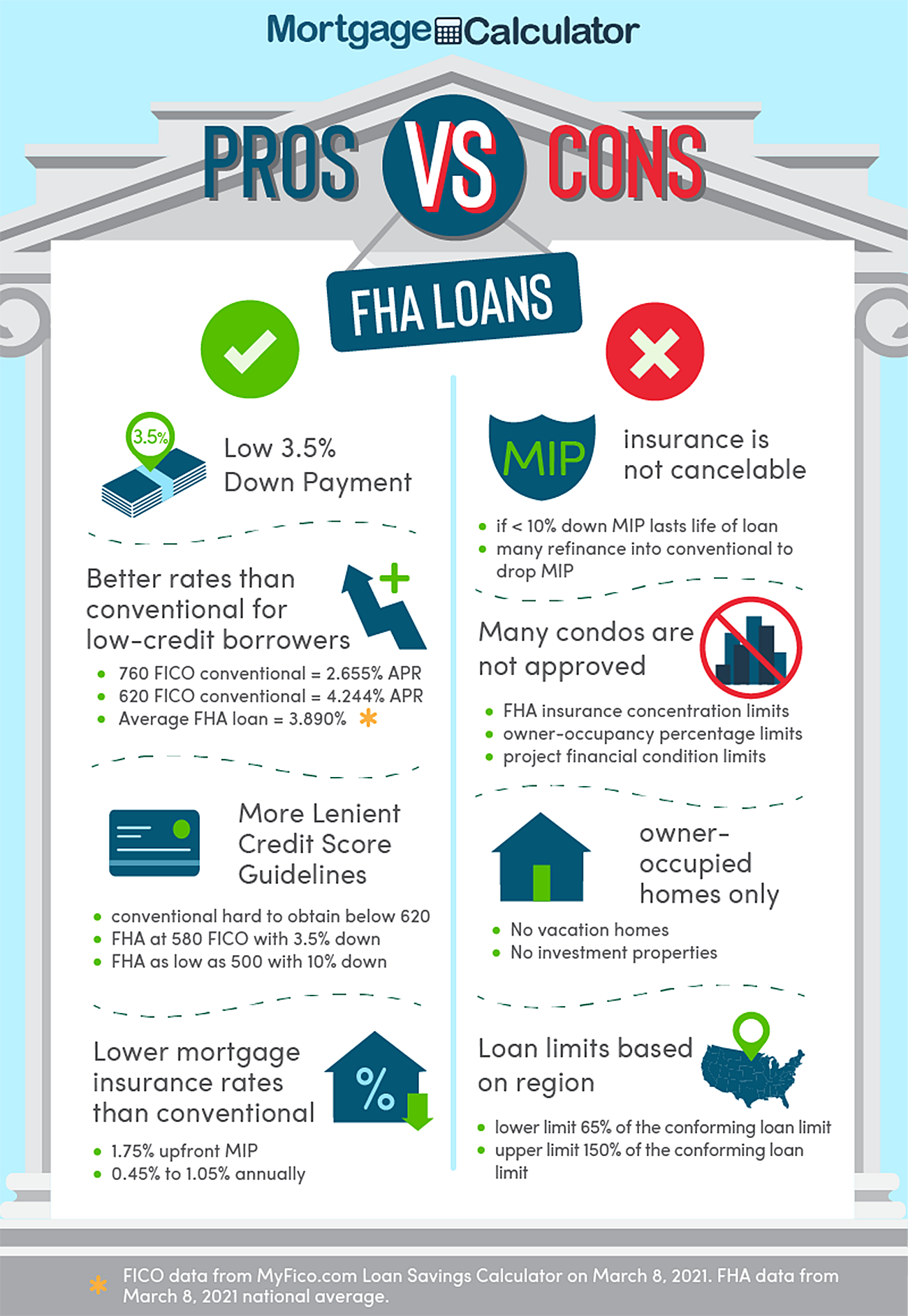
The appeal of FHA loans lies in several key advantages that make homeownership attainable for a wider demographic. Firstly, they boast significantly lower down payment requirements, often as little as 3.5% of the purchase price, compared to the typical 5-20% for conventional loans. This can be a game-changer for individuals who have stable income but haven’t had the time or opportunity to save a large sum. Secondly, FHA loans are known for their more flexible credit score requirements. While conventional loans often demand a FICO score of 620 or higher for competitive rates, FHA loans can be approved with scores as low as 500 (though a score of 580 or higher is usually needed to qualify for the 3.5% down payment). Thirdly, thanks to the government insurance, FHA loans often come with competitive interest rates that can sometimes be lower than comparable conventional rates, especially for borrowers with less-than-perfect credit. Lastly, FHA loans can be assumable, meaning a qualified buyer might be able to take over your mortgage with its original terms if you sell your home, which can be an attractive feature in certain market conditions.
The Cost of FHA Loans: Mortgage Insurance Premiums (MIP)
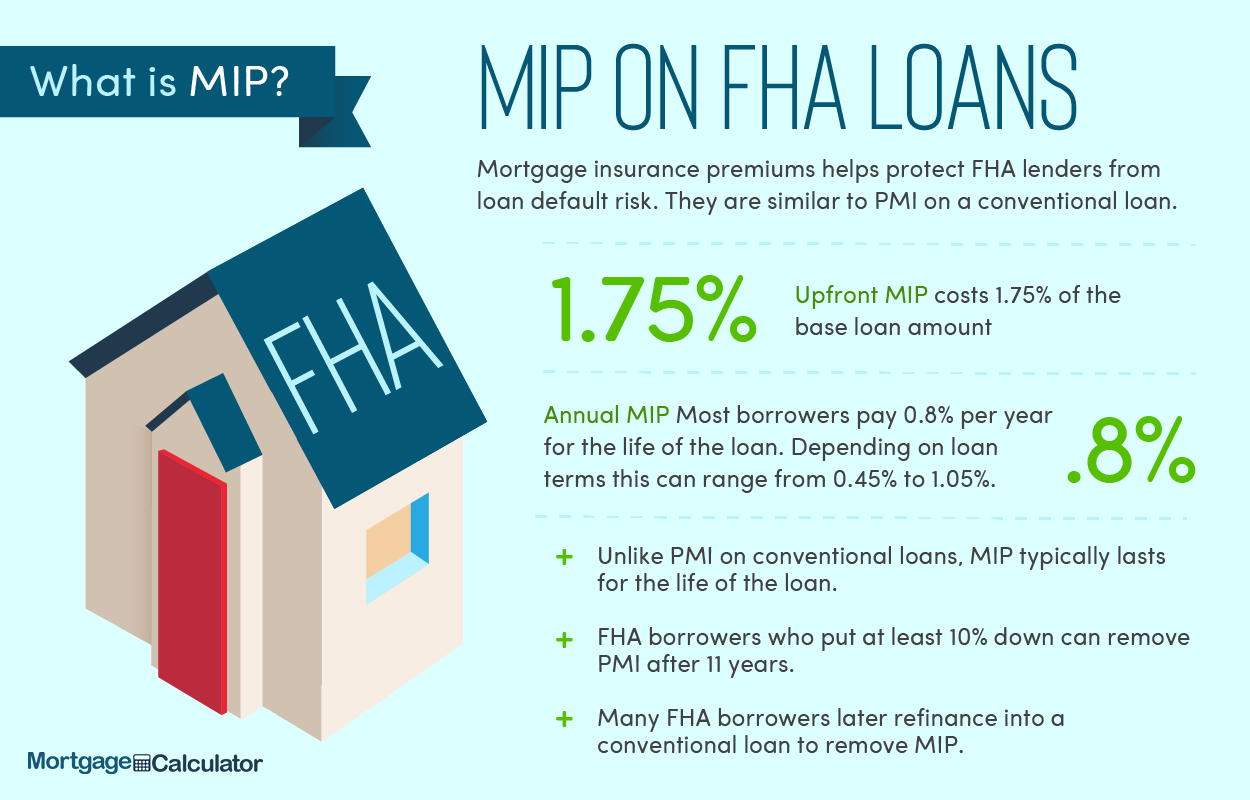
While FHA loans offer compelling benefits, they also come with an additional cost: Mortgage Insurance Premiums (MIP). This is the premium borrowers pay to the FHA for insuring their loan, and it’s a non-negotiable component of nearly all FHA mortgages. MIP consists of two parts: an Upfront Mortgage Insurance Premium (UFMIP) and an Annual Mortgage Insurance Premium (MIP). The UFMIP is a one-time charge, typically 1.75% of the loan amount, which can be paid at closing or financed into the loan. The annual MIP is an ongoing charge, calculated as a percentage of the loan balance (currently ranging from 0.45% to 1.05% depending on the loan-to-value ratio and loan term), which is paid monthly as part of your mortgage payment. Unlike Private Mortgage Insurance (PMI) on conventional loans, which can often be canceled once you reach a certain equity threshold, FHA’s annual MIP generally remains for the life of the loan if your down payment was less than 10%, or for 11 years if your down payment was 10% or more. This is a critical distinction that impacts the overall cost of an FHA loan beyond just the interest rate.
Deconstructing the FHA Mortgage Rate
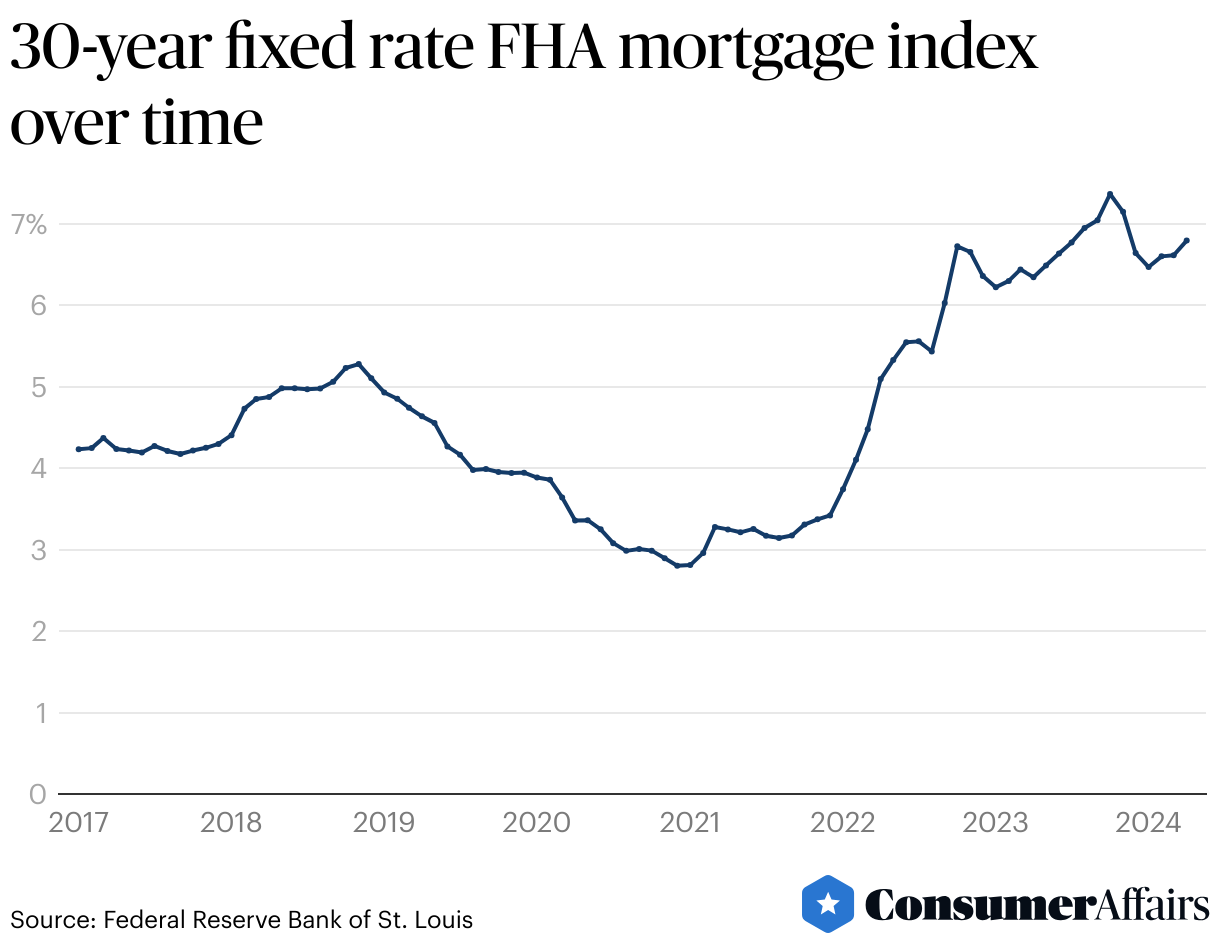
The “rate” in “FHA mortgage rate” refers to the interest rate you’ll pay on the borrowed amount. This percentage is a critical component of your monthly payment and the total cost of your loan over its lifetime. While FHA rates are generally competitive due to government backing, they are not static and are influenced by a confluence of economic forces and individual borrower characteristics.
How FHA Rates are Determined
FHA mortgage rates, like all mortgage rates, are primarily driven by broader market factors. These include the Federal Reserve’s monetary policy, which influences the prime rate and overall interest rate environment, as well as the performance of the bond market, particularly mortgage-backed securities. Economic indicators such as inflation, employment rates, and GDP growth also play a significant role. Lenders then add their own specific factors, such as their operational overhead, desired profit margins, and individual risk assessments, to arrive at their quoted rates. Finally, your specific financial profile—including your credit score, debt-to-income ratio, the loan term you choose, and whether you opt to “buy down” the rate by paying points at closing—will ultimately determine the precise rate you receive. Even within the FHA framework, a borrower with excellent credit and a stable financial history will typically qualify for a lower rate than someone barely meeting the minimum FHA requirements.
Fixed-Rate vs. Adjustable-Rate FHA Mortgages
When choosing an FHA loan, borrowers typically have two main options for the interest rate structure: fixed-rate or adjustable-rate. A fixed-rate mortgage is by far the most common choice for FHA loans. With a fixed rate, your interest rate remains constant for the entire duration of the loan, usually 15 or 30 years. This provides predictable monthly principal and interest payments, making budgeting easier and shielding you from potential rate increases if market rates rise. This stability is a significant draw for many homeowners.
An adjustable-rate mortgage (ARM), though less common for FHA loans (referred to as FHA ARM), offers an initial fixed interest rate for a set period (e.g., 3, 5, or 7 years), after which the rate adjusts periodically based on a predetermined index plus a margin. While ARMs can offer a lower initial interest rate, providing lower monthly payments during the introductory period, they also carry the risk of significantly higher payments if interest rates increase in the future. FHA ARMs have caps on how much the rate can adjust per period and over the life of the loan, offering some protection, but the inherent unpredictability makes them a less favored option for many FHA borrowers seeking long-term stability.
The Role of Loan-to-Value (LTV) and Loan Term
The Loan-to-Value (LTV) ratio, which compares the loan amount to the appraised value of the home, also indirectly impacts your FHA mortgage cost. While FHA loans are known for their low down payment options, the size of your down payment (which dictates your LTV) directly affects how long you’ll pay the annual MIP. As mentioned earlier, if your down payment is less than 10%, you’ll generally pay MIP for the entire life of the loan. If you put down 10% or more, the MIP will be removed after 11 years. This distinction significantly affects the total cost of your mortgage.
The loan term, typically 15 or 30 years for FHA loans, also plays a critical role. A 15-year FHA mortgage will generally have a lower interest rate than a 30-year FHA mortgage. While the monthly payments will be higher due to the shorter repayment period, you’ll pay significantly less interest over the life of the loan and build equity much faster. A 30-year FHA mortgage offers lower monthly payments, making homeownership more affordable on a month-to-month basis, but you’ll pay more interest over the longer term. The choice between these terms depends on your financial goals, budget, and desired speed of equity accumulation.
Factors Influencing Your Specific FHA Mortgage Rate
While broad market trends set the general range for FHA mortgage rates, your individual financial profile and choices directly impact the specific rate you’ll be offered. Lenders assess various factors to gauge your risk as a borrower, and these assessments translate into the interest rate they quote.
Your Credit Score
Although FHA loans are more lenient on credit scores than conventional loans, your FICO score remains a significant determinant of your specific FHA interest rate. While you might qualify for an FHA loan with a score as low as 500 (with a 10% down payment) or 580 (with a 3.5% down payment), these lower scores will typically result in a higher interest rate. Lenders view higher credit scores as indicative of lower risk, and they reward this perceived reliability with more favorable rates. A borrower with a credit score in the high 600s or 700s, even for an FHA loan, will almost certainly secure a better rate than someone with a score in the low 600s or 500s. Improving your credit score before applying can yield substantial savings over the life of the loan.
Your Down Payment
The size of your down payment not only affects your LTV ratio and the duration of your MIP, but it can also subtly influence the interest rate offered by some lenders. While the FHA has minimum down payment requirements, putting down more than the bare minimum demonstrates stronger financial stability and reduces the lender’s risk. Although the primary impact of a larger down payment on an FHA loan is on the MIP duration, some lenders might offer slightly better rates for borrowers with higher down payments, viewing them as more secure investments. It also directly reduces the principal loan amount, thereby lowering your overall interest payments regardless of the rate.
Debt-to-Income (DTI) Ratio
Your Debt-to-Income (DTI) ratio is a crucial metric that lenders use to assess your ability to manage monthly payments and repay debt. It is calculated by dividing your total monthly debt payments by your gross monthly income. FHA guidelines are generally more flexible than conventional loans, often allowing DTI ratios up to 43% or even higher in some cases with compensating factors. However, a lower DTI ratio indicates a healthier financial situation, suggesting you have more disposable income to comfortably make your mortgage payments. Lenders may offer slightly better rates to borrowers with lower DTI ratios, as they represent less financial risk. Conversely, a higher DTI might lead to a higher rate or even require additional compensating factors to secure approval.
The Lender You Choose
It’s a common misconception that FHA loan rates are standardized across all lenders because they are government-backed. In reality, FHA-approved lenders are private institutions, and they each set their own interest rates, fees, and closing costs based on their operational structures, profit margins, and specific risk appetites. This means that two different lenders could offer you different FHA mortgage rates, even for the same loan amount and with the same financial profile. The variance can be significant enough to warrant shopping around. Taking the time to compare offers from at least three to five FHA-approved lenders can result in substantial savings on your interest rate and overall loan costs.
Market Conditions at the Time of Application
Mortgage rates, including FHA rates, are dynamic and can fluctuate daily, sometimes even hourly. Broader economic conditions, global events, and shifts in the bond market can all cause rates to move up or down. This means that the rate you are quoted one week might be different the next. While you can’t control market conditions, being aware of them and understanding their potential impact can help you decide when to lock in your rate. Once you’re approved for a loan, lenders typically allow you to “lock in” your rate for a specific period (e.g., 30, 45, or 60 days) to protect you from rising rates before closing.
Comparing FHA vs. Conventional Mortgages: A Rate Perspective
When considering an FHA loan, it’s often helpful to compare it against its closest alternative: the conventional mortgage. While FHA loans offer distinct advantages for certain borrowers, a holistic view of interest rates and overall costs is essential for an informed decision.
Interest Rate Comparison
On the surface, FHA interest rates often appear slightly lower than those for conventional loans, especially for borrowers with lower credit scores or smaller down payments. This is a direct benefit of the government insurance, which mitigates risk for lenders. However, this apparent lower rate isn’t the whole story. While the nominal interest rate might be lower, the mandatory FHA Mortgage Insurance Premiums (MIP) significantly add to the total monthly payment and the overall cost of the loan. For conventional loans, if your down payment is less than 20%, you’ll typically pay Private Mortgage Insurance (PMI), but conventional rates might be higher to begin with, especially if your credit isn’t stellar. The “best” conventional rates are usually reserved for borrowers with excellent credit scores and substantial down payments, potentially making them cheaper than FHA in those specific scenarios.
Total Cost of Ownership: Beyond Just the Rate
Focusing solely on the interest rate can be misleading. The true financial impact of a mortgage decision lies in the total cost of ownership over time. For FHA loans, the upfront MIP and particularly the ongoing annual MIP can make the total cost higher than a conventional loan, even if the interest rate seems lower. The critical difference is that conventional PMI can often be canceled once you reach 20% equity in your home (either through payments or home appreciation). FHA’s annual MIP, however, often lasts for the entire loan term if your down payment was less than 10%, significantly adding to your monthly outlays for years to come. This longevity of mortgage insurance is a major factor to weigh, as it means you’ll pay more over the long run unless you refinance out of the FHA loan.
When an FHA Loan is the Right Choice
Despite the additional cost of MIP, an FHA loan is undeniably the right choice for many homebuyers. It provides an indispensable pathway to homeownership for those who:
- Have lower credit scores: FHA’s more flexible credit requirements open doors that conventional loans might keep shut.
- Have limited savings for a down payment: The 3.5% down payment option is a significant advantage for those struggling to accumulate a large sum.
- Have a higher debt-to-income ratio: FHA’s more forgiving DTI limits can accommodate borrowers with existing debts.
- Are first-time homebuyers: Many first-time buyers fit the profile for an FHA loan, as they may not have perfect credit or substantial savings.
For these individuals, the benefits of FHA loans far outweigh the costs of MIP, enabling them to achieve the dream of homeownership when other options are unavailable.
Strategies for Securing the Best FHA Mortgage Rate
While FHA loans offer accessibility, you shouldn’t settle for the first rate you’re offered. Strategic planning and diligent effort can significantly improve your chances of securing the most favorable FHA mortgage rate available to you.
Improve Your Credit Score
This is perhaps the most impactful step you can take. Even within FHA guidelines, a higher credit score correlates directly with a lower interest rate. Before applying, dedicate time to improving your credit. This involves:
- Paying all bills on time: Payment history is the biggest factor in your credit score.
- Reducing existing debt: Especially high-interest credit card debt. A lower credit utilization ratio (debt vs. available credit) is beneficial.
- Checking your credit report for errors: Dispute any inaccuracies immediately, as they can unfairly lower your score.
- Avoiding new credit applications: Opening new lines of credit can temporarily drop your score.
Increase Your Down Payment
While the minimum FHA down payment is 3.5%, putting down more can be financially advantageous. A larger down payment reduces your loan amount, lowering your overall interest payments. As noted earlier, a down payment of 10% or more will also allow you to eventually remove the annual MIP after 11 years, significantly reducing the total cost of your mortgage. Even if you can’t hit 10%, any amount above the minimum still reduces your principal and demonstrates stronger financial commitment.
Shop Around for Lenders
This cannot be stressed enough. Because FHA-approved lenders are private entities, their rates and fees vary. Contact at least three to five different lenders—including national banks, local banks, credit unions, and independent mortgage brokers—and obtain a Loan Estimate from each. Compare not just the interest rate, but also the Annual Percentage Rate (APR), which includes certain fees to give you a more accurate picture of the total cost. Don’t be afraid to use competing offers to negotiate for a better deal.
Understand and Negotiate Closing Costs
Closing costs can add 2% to 5% of the loan amount, and they can vary by lender. These costs include appraisal fees, origination fees, title insurance, and more. Some lenders might offer a slightly lower interest rate but charge higher closing costs, or vice versa. One way to influence your rate is through “points,” which are prepaid interest paid at closing. One point typically equals 1% of the loan amount. Paying points can “buy down” your interest rate, leading to lower monthly payments over the loan’s life, but it increases your upfront costs. Evaluate if paying points makes financial sense based on how long you plan to stay in the home. Conversely, you might negotiate for a higher interest rate in exchange for the lender covering some closing costs, which could be beneficial if you’re short on upfront cash.
Conclusion
Understanding “what is the FHA mortgage rate” goes far beyond simply knowing a percentage. It involves comprehending the unique structure of FHA loans, the factors that influence both general market rates and your personalized rate, and the crucial distinction between the nominal interest rate and the total cost of ownership. For many homebuyers, especially those looking for a lower barrier to entry into homeownership, FHA loans represent an invaluable financial tool. By improving your financial profile, diligently shopping for lenders, and understanding all the components of your loan, you can strategically position yourself to secure the most favorable FHA mortgage rate possible, ultimately making your dream home more affordable and your financial future more secure. Always consult with a qualified mortgage professional to discuss your specific circumstances and explore the best options for your home financing journey.
aViewFromTheCave is a participant in the Amazon Services LLC Associates Program, an affiliate advertising program designed to provide a means for sites to earn advertising fees by advertising and linking to Amazon.com. Amazon, the Amazon logo, AmazonSupply, and the AmazonSupply logo are trademarks of Amazon.com, Inc. or its affiliates. As an Amazon Associate we earn affiliate commissions from qualifying purchases.