
The dream of homeownership is a cornerstone of the American financial landscape, offering stability, wealth accumulation, and a sense of belonging. For many prospective buyers, particularly those with less-than-perfect credit or limited down payment funds, Federal Housing Administration (FHA) loans have become an invaluable pathway to achieving this dream. Central to understanding the affordability and long-term implications of an FHA loan is grasping what its interest rate truly entails. It’s not a fixed, government-mandated number but rather a dynamic figure influenced by a confluence of economic forces, lender policies, and individual borrower characteristics.
This comprehensive guide delves into the intricacies of FHA interest rates, demystifying the factors that shape them and providing insights into how you can secure the most favorable terms for your home financing journey. We’ll explore the unique nature of FHA loans, compare their interest rate structure to conventional alternatives, and equip you with the knowledge needed to navigate the lending landscape effectively.
Understanding FHA Loans and Their Appeal
Before dissecting interest rates, it’s crucial to understand the fundamental nature of an FHA loan. These loans are not issued directly by the FHA but are insured by it. This government backing protects lenders against borrower default, making them more willing to offer mortgages to individuals who might not qualify for conventional loans. This unique structure is what primarily drives the appeal and specific characteristics of FHA interest rates.
What is an FHA Loan?
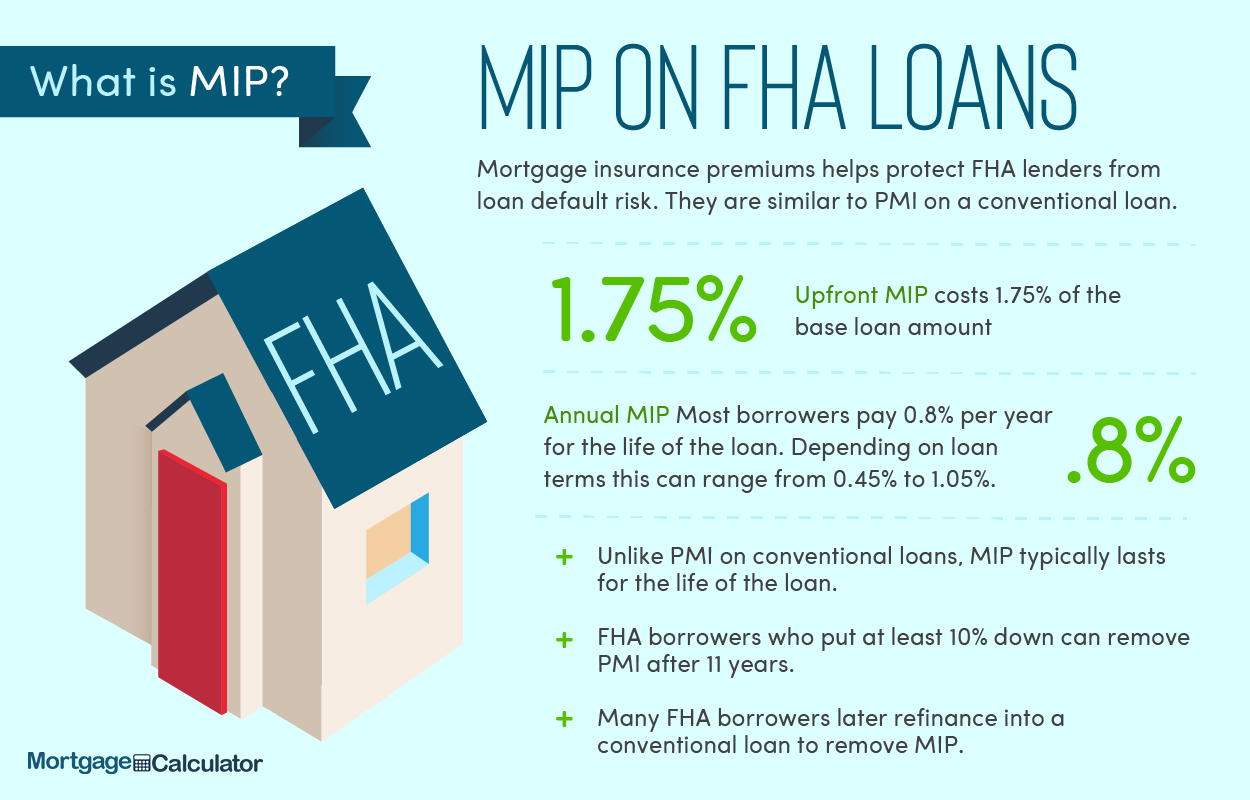
An FHA loan is a mortgage insured by the Federal Housing Administration, a division of the U.S. Department of Housing and Urban Development (HUD). Its primary goal is to make homeownership more accessible, especially for first-time buyers or those with moderate incomes. By reducing the risk for lenders, the FHA enables them to offer more lenient qualification requirements, including lower credit score thresholds and smaller down payments. This government insurance is not free, however; borrowers must pay an Upfront Mortgage Insurance Premium (UFMIP) and an Annual Mortgage Insurance Premium (MIP).
Who is an FHA Loan For?
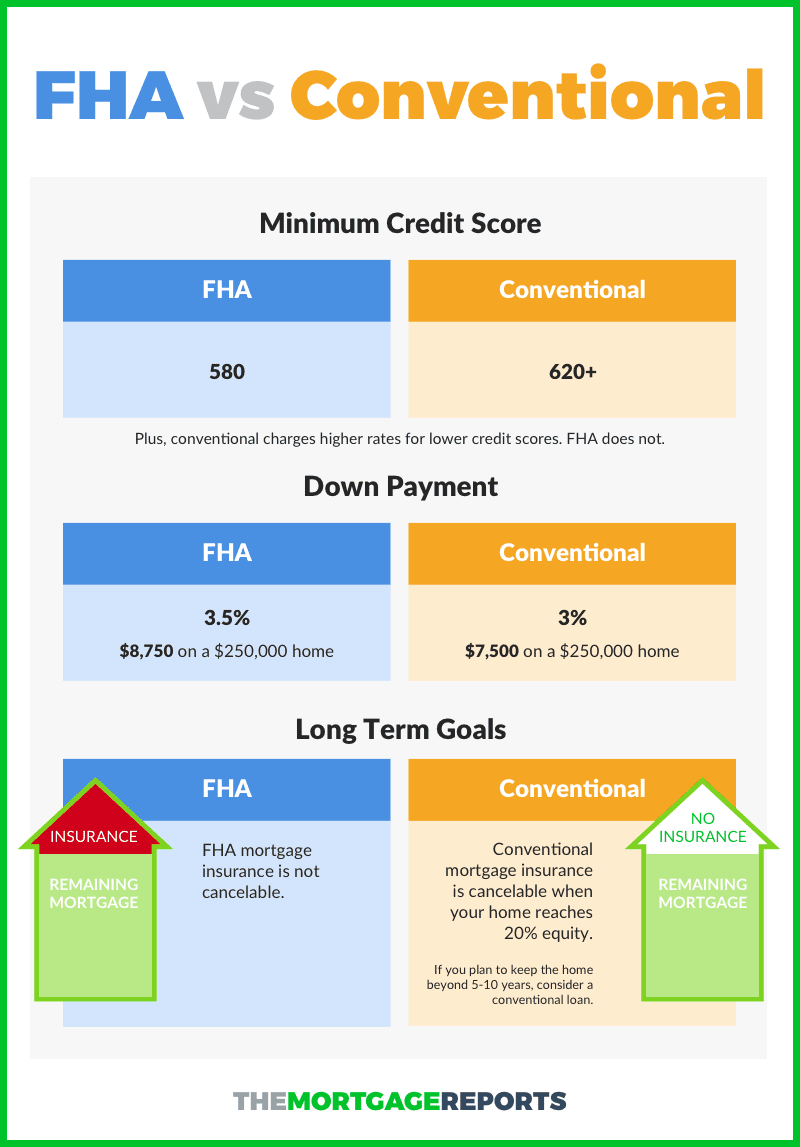
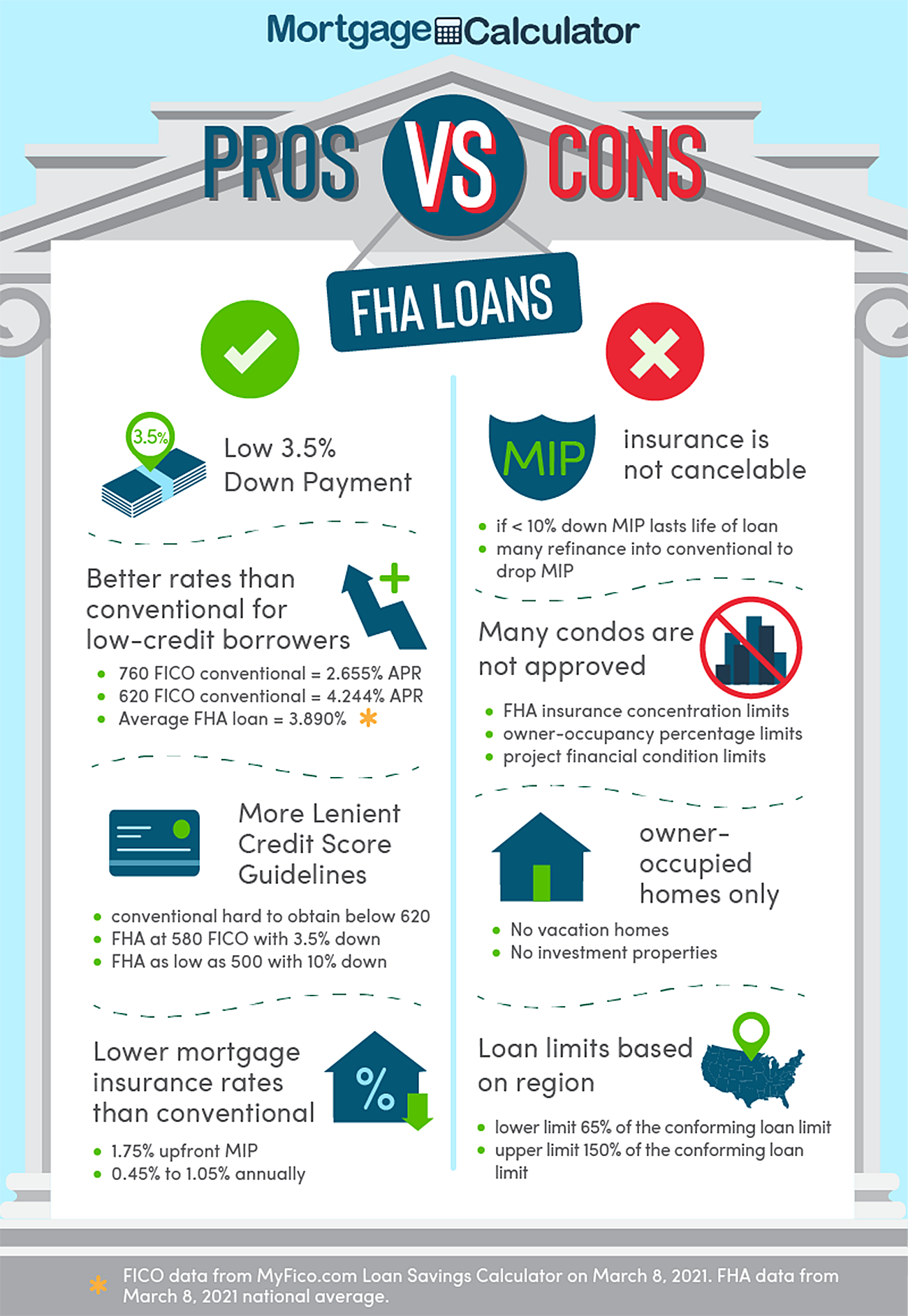
FHA loans are particularly well-suited for several demographics. First-time homebuyers often find FHA loans appealing due to the low down payment requirement, typically as little as 3.5% of the purchase price. Individuals with lower credit scores, potentially in the mid-500s (though many lenders prefer 620+), can also find approval where conventional loans might be out of reach. Furthermore, those with higher debt-to-income (DTI) ratios than typically allowed by conventional lenders may still qualify for an FHA loan. It’s a lifeline for those who might otherwise be priced out of the housing market or deemed too risky by traditional mortgage providers.
Key Benefits of FHA Loans
Beyond easier qualification, FHA loans offer several compelling benefits. The lower down payment requirement significantly reduces the upfront cash needed to buy a home, making homeownership attainable sooner for many. FHA loans also allow gifts for the down payment and closing costs, further easing the financial burden. While they come with mortgage insurance, their interest rates can often be competitive, and sometimes even lower than conventional rates for borrowers with less-than-stellar credit, reflecting the reduced risk to the lender. This combination of accessibility and favorable terms makes FHA loans a vital tool in the personal finance toolkit for aspiring homeowners.
Factors Influencing FHA Interest Rates
Unlike a fixed rate set by the government, FHA interest rates are determined by a dynamic interplay of market conditions, lender policies, and individual borrower profiles. Understanding these factors is key to predicting and potentially influencing the rate you receive.
Lender-Specific Factors
Each mortgage lender operates independently, setting its own profit margins, operational costs, and risk assessments. Consequently, the “FHA interest rate” can vary significantly from one lender to another. Large national banks, local credit unions, and independent mortgage brokers all compete for your business, and their internal pricing models, overheads, and even current loan volume can impact the rates they offer. Some lenders might specialize in FHA loans and offer more competitive rates, while others might prioritize different loan products. Shopping around and getting quotes from multiple lenders is paramount to securing the best possible rate.
Borrower-Specific Factors: Credit Score & DTI
While FHA guidelines are more forgiving, your individual financial health still plays a significant role in the interest rate you’ll be offered. Your credit score is a primary determinant; a higher credit score (e.g., above 680, even if FHA allows lower) signals lower risk to the lender, often translating into a lower interest rate. Conversely, a borrower at the lower end of the FHA’s acceptable credit score range will likely face a higher rate to compensate the lender for the perceived increased risk. Your debt-to-income (DTI) ratio, which compares your monthly debt payments to your gross monthly income, also impacts the rate. A lower DTI indicates greater financial capacity, potentially leading to better terms.
Economic Factors: Federal Reserve & Inflation
Broader economic conditions exert a powerful influence over all mortgage rates, including FHA. The Federal Reserve’s monetary policy, particularly changes to the federal funds rate, indirectly impacts the prime rate and, subsequently, long-term interest rates like those for mortgages. When the Fed raises rates, mortgage rates generally follow suit. Inflation also plays a critical role. When inflation is high, lenders demand higher interest rates to ensure the real value of their returns isn’t eroded over time. Global economic stability, investor sentiment, and bond market performance (specifically the yield on 10-year Treasury notes) are also strong indicators of where mortgage rates are headed.
Loan Term and Type
The duration of your loan and its specific structure also affect the interest rate. A 30-year fixed-rate FHA loan, the most common type, typically carries a higher interest rate than a 15-year fixed-rate FHA loan, primarily because the lender’s capital is tied up for a longer period, increasing their long-term risk. Adjustable-Rate Mortgages (ARMs), though less common for FHA, usually start with a lower introductory rate than fixed-rate options, but these rates can fluctuate over time. The choice between fixed and adjustable, and the loan term, will directly impact the initial rate and your long-term payment schedule.
FHA Interest Rates vs. Conventional Rates: A Comparison
A common dilemma for prospective homebuyers is deciding between an FHA loan and a conventional loan. While FHA loans offer accessibility, conventional loans often appeal to those with stronger financial profiles. Understanding the nuances of their interest rates is crucial for an informed decision.
Key Differences in Loan Structure
The fundamental difference lies in the insurance. FHA loans are government-insured, which is why lenders are more flexible with qualification criteria. Conventional loans, on the other hand, are not government-backed and adhere to stricter guidelines set by Freddie Mac and Fannie Mae. If you put down less than 20% on a conventional loan, you’ll typically pay for Private Mortgage Insurance (PMI), which can often be canceled once you reach 20% equity. FHA’s Mortgage Insurance Premium (MIP) is paid for the life of the loan for most 30-year FHA loans, or for 11 years if the initial loan-to-value (LTV) is 90% or less. This ongoing cost significantly impacts the overall cost of the loan, regardless of the nominal interest rate.
When FHA Might Be Better
For borrowers with lower credit scores (e.g., under 680), a higher debt-to-income ratio, or limited funds for a down payment (as low as 3.5%), FHA loans are often the more viable and affordable option. In these scenarios, the FHA interest rate, even with the added MIP, might result in a lower monthly payment and more manageable upfront costs compared to struggling to meet conventional loan requirements or paying a much higher interest rate on a riskier conventional loan. The ease of qualification often outweighs the long-term cost of MIP for those who otherwise couldn’t buy a home.
When Conventional Might Be Better
Borrowers with excellent credit scores (700+), stable employment histories, and the ability to make a larger down payment (20% or more) will often find conventional loans more advantageous. With a 20% down payment, they can avoid PMI altogether, leading to lower monthly payments over the life of the loan. Even with less than 20% down, the ability to cancel PMI on a conventional loan typically makes it cheaper in the long run than an FHA loan with its potentially life-long MIP. For those who qualify, conventional loans offer greater flexibility and often a lower overall cost of ownership.
The Role of Mortgage Insurance
The presence and duration of mortgage insurance are critical elements in comparing FHA and conventional loan interest rates. While a conventional loan might have a slightly higher advertised interest rate than an FHA loan for a similar borrower, the FHA’s mandatory UFMIP and ongoing MIP can make the effective monthly cost higher. It’s essential to calculate the total monthly payment, including principal, interest, taxes, insurance, and mortgage insurance (PMI or MIP), to get a true apples-to-apples comparison. Don’t just look at the interest rate in isolation.
Navigating the FHA Loan Application Process
Securing an FHA loan involves a structured process, from initial inquiry to closing. Understanding each step can help you prepare thoroughly and avoid unnecessary delays.
Pre-Approval Steps
The first step is getting pre-approved. This involves providing your lender with basic financial information, including income, assets, and a consent for a credit check. Pre-approval gives you a realistic idea of how much you can afford, demonstrating to real estate agents and sellers that you’re a serious buyer. For FHA loans, the lender will assess your credit score, debt-to-income ratio, and employment history against FHA guidelines. This stage also helps you identify any financial areas you might need to improve before formally applying.
Required Documentation
Once pre-approved and you’ve found a home, you’ll move to the full application. Be prepared to submit extensive documentation. This typically includes:
- Proof of Income: Pay stubs (30-60 days), W-2s (past two years), federal tax returns (past two years), and potentially profit & loss statements for self-employed individuals.
- Asset Verification: Bank statements (past 60-90 days) for checking and savings accounts, investment account statements.
- Credit History: Lenders will pull your full credit report.
- Identification: Government-issued ID, Social Security card.
- Gift Letters: If receiving gifted funds for down payment or closing costs.
Gathering these documents in advance can significantly streamline the application process.
Underwriting and Appraisal
After submitting your application and documentation, the loan enters the underwriting phase. The underwriter meticulously reviews all your financial information to ensure you meet both the lender’s and FHA’s specific requirements. Simultaneously, an FHA-approved appraiser will evaluate the home you wish to purchase. This FHA appraisal is critical; it not only determines the home’s market value but also ensures it meets HUD’s minimum property standards for safety, security, and structural soundness. Issues identified during the appraisal must often be rectified before the loan can close, which can impact timelines.
Closing the Loan
The final stage is closing, where all parties sign the necessary paperwork to transfer ownership and finalize the loan. This includes the promissory note, which obligates you to repay the loan at the agreed-upon interest rate, and the mortgage deed, which grants the lender a lien on the property. You’ll pay closing costs, which typically range from 2% to 5% of the loan amount, covering fees for the lender, title company, appraiser, and other services. Once all documents are signed and funds are disbursed, you officially become a homeowner.
Making the Best Decision for Your Home Purchase
Choosing the right mortgage product and lender is one of the most significant financial decisions you’ll make. A well-informed approach ensures you secure terms that align with your financial goals.
Comparing Lender Offers
Do not settle for the first quote you receive. Interest rates and fees can vary considerably between lenders. Apply with at least three to five different mortgage lenders, including banks, credit unions, and mortgage brokers. Request a Loan Estimate from each, which provides a standardized breakdown of the interest rate, monthly payment, closing costs, and other loan terms. Compare these estimates side-by-side, paying close attention to not only the interest rate but also origination fees, discount points (which can lower your interest rate for an upfront cost), and the total cash needed at closing. Even a quarter-point difference in interest rate can save you tens of thousands of dollars over the life of a 30-year loan.
Understanding All Costs
Beyond the interest rate, grasp the full spectrum of costs associated with an FHA loan. This includes the Upfront Mortgage Insurance Premium (UFMIP), which is typically 1.75% of the loan amount and can be financed into the loan, and the Annual Mortgage Insurance Premium (MIP), which is paid monthly as part of your mortgage payment. Factor in property taxes, homeowner’s insurance, and potential HOA fees, which will all contribute to your total monthly housing expense. A holistic view of all costs will prevent surprises and ensure your mortgage is truly affordable.
Seeking Professional Guidance
Navigating the mortgage landscape can be complex. Don’t hesitate to seek advice from trusted financial professionals. A reputable mortgage broker can help you compare various loan products and lenders, finding the best fit for your unique situation. A financial advisor can help you integrate your mortgage decision into your broader financial plan, ensuring it supports your long-term wealth goals. An experienced real estate agent can also provide invaluable insights into local market conditions and help you find a home that meets FHA appraisal standards.
Long-Term Financial Planning
An FHA loan is a powerful tool for homeownership, but it’s essential to consider its role in your long-term financial strategy. For many, an FHA loan serves as a stepping stone. Once you’ve built up sufficient equity (typically 20%), you might consider refinancing into a conventional loan to eliminate the ongoing MIP. Conversely, if your FHA loan comes with an attractive fixed interest rate and you don’t anticipate hitting 20% equity quickly, it might be beneficial to keep it. Continuously review your financial situation and market conditions to make informed decisions about your mortgage over time.
In conclusion, “what is the FHA interest rate” is a question with a nuanced answer. It’s a market-driven rate, influenced by global economics, lender strategies, and your personal financial health. By understanding these dynamics and diligently comparing options, aspiring homeowners can leverage FHA loans to achieve their homeownership dreams on the most favorable terms possible, laying a solid foundation for their financial future.
aViewFromTheCave is a participant in the Amazon Services LLC Associates Program, an affiliate advertising program designed to provide a means for sites to earn advertising fees by advertising and linking to Amazon.com. Amazon, the Amazon logo, AmazonSupply, and the AmazonSupply logo are trademarks of Amazon.com, Inc. or its affiliates. As an Amazon Associate we earn affiliate commissions from qualifying purchases.