
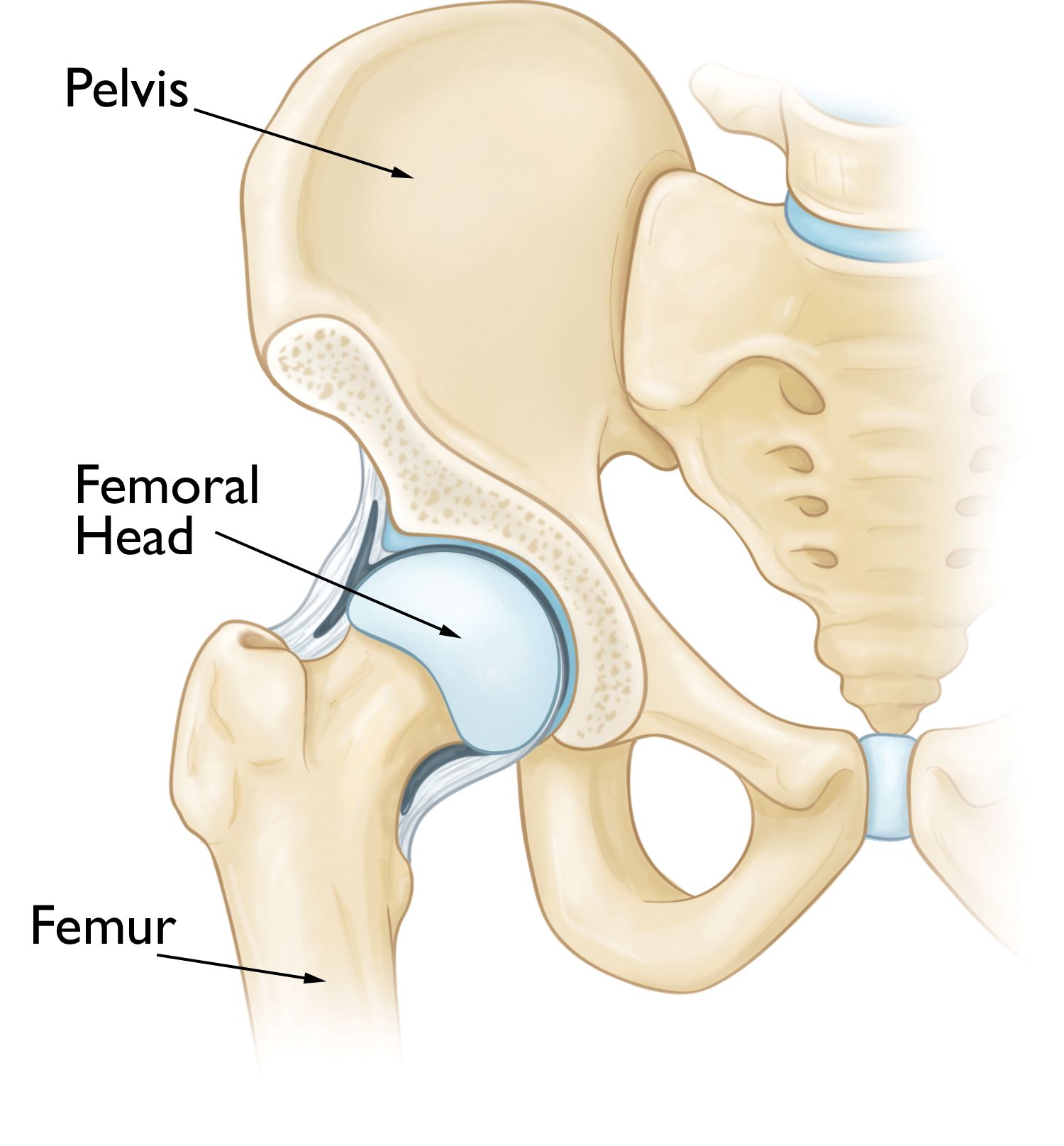
At its core, the femoral head is a crucial anatomical structure – the spherical top of the femur (thigh bone) that articulates with the acetabulum of the pelvis, forming the hip joint. This ball-and-socket joint is fundamental to human locomotion, enabling a wide range of motion from walking and running to complex athletic movements. However, in the realm of modern healthcare and engineering, the simple biological definition of the femoral head expands dramatically. It transforms into a fascinating case study for technological innovation, where an understanding of its natural biomechanics informs the design of advanced prosthetics, sophisticated surgical tools, and pioneering diagnostic techniques. For technologists, engineers, and medical professionals alike, the femoral head represents a nexus where biological understanding meets cutting-edge engineering to restore function, alleviate pain, and significantly improve quality of life.
The Biological Blueprint: Understanding the Natural Femoral Head
Before delving into technological interventions, it’s essential to grasp the elegance and complexity of the natural femoral head. Its unique design is a testament to millions of years of evolution, optimized for strength, flexibility, and load-bearing capacity.
Anatomy and Function: A Brief Overview
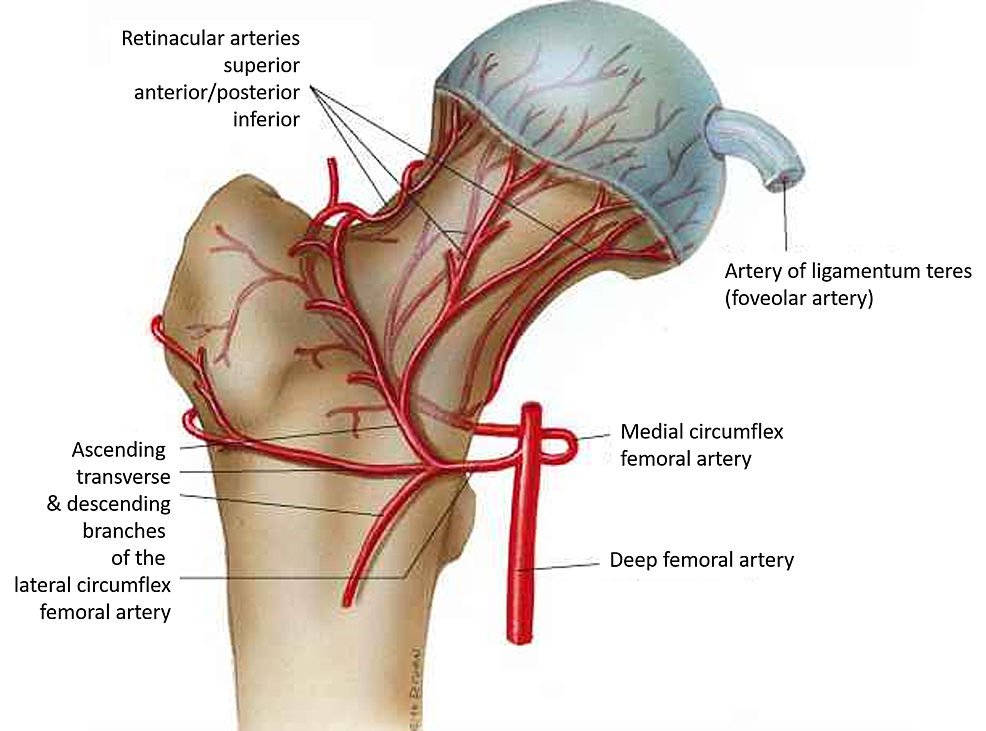
The femoral head is almost perfectly spherical, covered by a smooth layer of articular cartilage – a low-friction, shock-absorbing tissue that allows for effortless movement within the acetabulum. Beneath this cartilage lies subchondral bone, which is supported by a robust internal architecture of trabecular bone, meticulously arranged to withstand the immense forces exerted during daily activities. Its rich blood supply, primarily from branches of the circumflex femoral arteries, is vital for maintaining the health and viability of the bone and cartilage. This intricate biological machinery enables the hip joint to bear several times an individual’s body weight, providing stability while permitting fluid motion across multiple planes.
Common Ailments Affecting the Femoral Head
Despite its robust design, the femoral head is susceptible to various conditions that can compromise its integrity and function. Osteoarthritis, a degenerative joint disease, leads to the breakdown of articular cartilage, causing pain and stiffness. Traumatic injuries, such as femoral neck fractures (often seen in the elderly), can disrupt the blood supply, leading to avascular necrosis (AVN) – the death of bone tissue due to lack of blood flow. Other conditions like hip impingement or rheumatoid arthritis can also severely damage the femoral head. When these conditions become debilitating, technological solutions often become necessary to restore function.
Engineering the Replacement: The Artificial Femoral Head in Modern Orthopedics
The necessity of replacing a damaged femoral head has spurred remarkable innovations in medical engineering, leading to the sophisticated artificial components used in total hip arthroplasty (THA). This field is a prime example of technology directly addressing a critical human need.
Materials Science Innovations
The success of artificial femoral heads hinges on the selection of advanced materials that can withstand the demanding environment of the human body. Early prosthetics faced issues with wear and biocompatibility. Today, materials like cobalt-chrome alloys, titanium alloys, and advanced ceramics (e.g., alumina, zirconia) are standard. Cobalt-chrome is known for its strength and wear resistance, while titanium alloys offer excellent biocompatibility and a lower modulus of elasticity, making them more bone-friendly. Ceramics are prized for their extreme hardness and ultra-low friction properties, minimizing wear debris. The continuous pursuit of better materials, including hybrid composites and novel surface coatings, remains a frontier in orthopedic research.
Design Principles and Biocompatibility
Designing an artificial femoral head is a complex biomechanical challenge. Engineers must replicate the natural geometry and biomechanics as closely as possible. This involves considering factors like head diameter, neck length, and offset to restore leg length and joint stability. Biocompatibility is paramount; the materials must not elicit adverse immune responses or release toxic ions. Furthermore, the implant’s interface with the surrounding bone is critical. Porous coatings (often titanium plasma spray) are used to encourage bone ingrowth (osseointegration), creating a stable, biological fixation between the implant and the patient’s natural bone. This fusion of biological principles with meticulous engineering ensures long-term success.
Advancements in Fabrication: From Traditional Casting to 3D Printing
The manufacturing processes for artificial femoral heads have evolved significantly, transitioning from conventional methods to highly precise digital fabrication techniques, revolutionizing customization and efficiency.

Precision Manufacturing Techniques
Traditionally, femoral heads and other prosthetic components were manufactured using precision casting and machining processes. These methods involve pouring molten metal into molds, followed by extensive machining, grinding, and polishing to achieve the precise shape, surface finish, and tight tolerances required. Computer-aided design (CAD) and computer-aided manufacturing (CAM) systems have become indispensable, allowing engineers to design implants digitally and control manufacturing machinery with extreme accuracy. This ensures consistency and quality, which are vital for patient safety and implant longevity.
The Rise of Additive Manufacturing
One of the most transformative technologies in orthopedic implant fabrication is additive manufacturing, commonly known as 3D printing. This technology allows for the creation of complex geometries layer by layer, directly from digital models. For femoral heads, 3D printing enables the production of custom-fit prosthetics tailored to individual patient anatomy, a significant advantage over off-the-shelf sizes. It also facilitates the creation of intricate porous structures on the implant surface, which are highly effective in promoting rapid and strong bone ingrowth. The ability to rapidly prototype new designs and produce patient-specific implants is dramatically shortening development cycles and improving surgical outcomes.
The Role of AI and Robotics in Femoral Head Surgery and Prosthetics
Artificial intelligence (AI) and robotics are not just augmenting, but fundamentally transforming, how femoral head issues are diagnosed, planned for, and treated. These technologies are pushing the boundaries of precision and personalized medicine.
AI in Pre-operative Planning and Diagnosis
AI algorithms are becoming invaluable in analyzing medical images such as X-rays, CT scans, and MRIs to provide highly accurate diagnoses of conditions affecting the femoral head, like early-stage avascular necrosis or subtle fractures. Furthermore, AI-powered software can assist surgeons in meticulous pre-operative planning. By analyzing patient-specific anatomical data, AI can generate optimal implant sizes, positions, and trajectories, predict potential complications, and simulate surgical outcomes, allowing surgeons to virtually “practice” the procedure and make data-driven decisions before stepping into the operating room.
Robotic-Assisted Surgery
Robotic systems in orthopedic surgery, such as MAKO or NAVIO, significantly enhance the precision of hip replacement procedures. These robots, guided by pre-operative plans and real-time intraoperative data, assist surgeons in preparing the acetabulum and positioning the femoral component with sub-millimeter accuracy. This robotic precision minimizes human error, ensures optimal implant alignment, and can lead to less invasive surgery, reduced blood loss, faster recovery times, and ultimately, improved long-term implant survival rates. While the surgeon remains in full control, the robot acts as an intelligent, highly precise extension of their expertise.
Smart Implants and Monitoring
The next frontier in femoral head technology includes “smart” implants embedded with micro-sensors. These sensors can monitor critical parameters such as load distribution, temperature, wear rates, and even bone integration in real-time. This data can be wirelessly transmitted to medical professionals, providing invaluable insights into implant performance, patient activity levels, and potential issues before they become critical. Such smart implants offer the potential for personalized rehabilitation programs, early detection of complications, and proactive intervention, moving healthcare towards a truly predictive and personalized model.
Future Horizons: The Evolution of Femoral Head Technology
The journey of technological innovation concerning the femoral head is far from over. Future advancements promise even more sophisticated solutions, integrating biology with digital intelligence.
Bio-integration and Regenerative Medicine
Beyond simply replacing the femoral head, future technologies aim to regenerate or repair it. This includes the development of advanced scaffolds seeded with stem cells or growth factors, designed to stimulate the body’s own healing mechanisms to regrow cartilage or bone. Bioprinting, a subset of 3D printing, holds the promise of fabricating living tissue constructs that could eventually replace damaged portions of the femoral head with biologically active, integrated components, moving towards a truly regenerative approach.
Digital Twins and Predictive Maintenance
The concept of a “digital twin” – a virtual replica of a patient’s implant and surrounding anatomy – offers revolutionary possibilities. By continually feeding real-time data from smart implants and patient activity into this digital model, clinicians could predict implant wear patterns, assess stress distribution, and even simulate the effects of different activities on the joint. This would enable predictive maintenance, allowing for early intervention or personalized recommendations to extend the life of the implant and prevent complications.
Enhanced Patient Outcomes and Quality of Life
Ultimately, all these technological advancements converge on a single goal: enhancing patient outcomes and significantly improving their quality of life. From precise diagnostics and personalized implants to robotic surgery and intelligent post-operative monitoring, technology is transforming what it means to live with a healthy, functional hip joint, even after severe damage or disease. The femoral head, a small but vital anatomical part, thus continues to be a driving force for innovation in medical technology, promising a future where joint pain and mobility limitations are increasingly overcome.
In conclusion, the femoral head, while fundamentally a biological structure, serves as a powerful example of how technology can address complex human health challenges. From understanding its natural biomechanics to engineering durable replacements, fabricating them with unprecedented precision, and integrating AI and robotics into surgical practice, the journey of technological innovation around the femoral head is a testament to human ingenuity in pursuit of better health and longer, more active lives.
aViewFromTheCave is a participant in the Amazon Services LLC Associates Program, an affiliate advertising program designed to provide a means for sites to earn advertising fees by advertising and linking to Amazon.com. Amazon, the Amazon logo, AmazonSupply, and the AmazonSupply logo are trademarks of Amazon.com, Inc. or its affiliates. As an Amazon Associate we earn affiliate commissions from qualifying purchases.