
Understanding the financial commitment associated with obtaining or renewing a United States passport is a fundamental step in personal financial planning for international travel. Whether you are a first-time applicant or looking to renew an expiring document, the Department of State’s fee structure can seem complex at first glance. By breaking down these costs into manageable segments, you can better budget for your global excursions and avoid unnecessary financial surprises.
The Cost Breakdown for First-Time Applicants
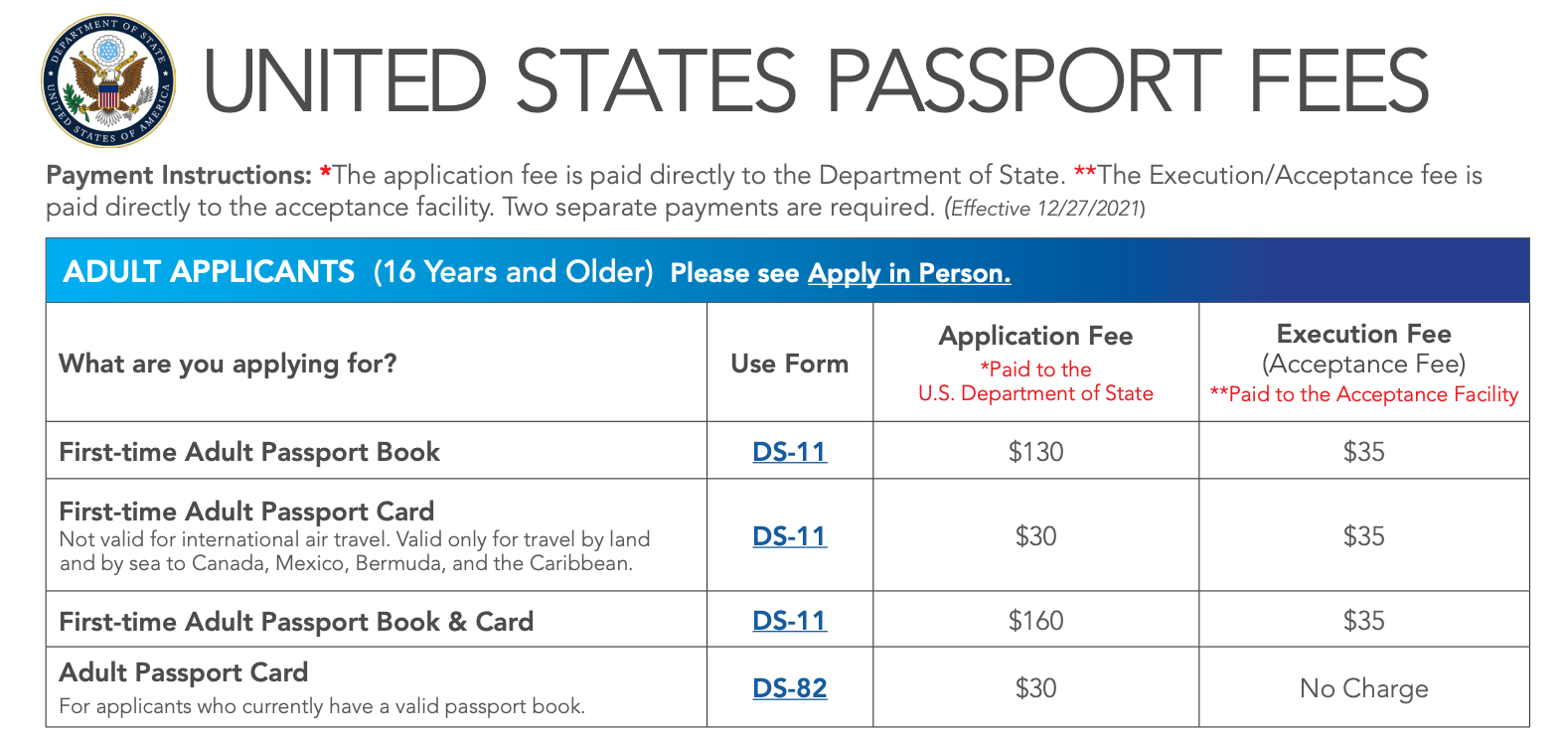
If you have never held a passport, or if your previous passport was issued more than 15 years ago, you must apply in person using Form DS-11. The financial requirements for this process are split into two distinct payments: the application fee and the execution fee.

The Application Fee
The application fee is paid directly to the U.S. Department of State. As of the most recent fee schedule, an adult first-time applicant (age 16 and older) must pay $130 for a passport book. This fee covers the processing and issuance of the travel document. It is critical to note that this payment must be made via check or money order payable to “U.S. Department of State.”
The Execution (Acceptance) Fee
In addition to the application fee, first-time applicants are required to pay an execution fee of $35. This fee is paid to the facility where you submit your application, such as a local post office, clerk of court, or public library. This payment compensates the facility for the labor involved in verifying your identity and witnessing your signature. Unlike the application fee, many acceptance facilities accept credit or debit cards, though it is always prudent to check with your specific location beforehand.
Total Investment for First-Time Applicants
For an adult passport book, you should prepare to spend a total of $165. For minors under the age of 16, the cost structure differs slightly. The child’s application fee is $100, plus the $35 execution fee, totaling $135. It is essential to categorize these as non-refundable expenses, as the government does not return these funds if an application is denied or withdrawn.
Expenses Associated with Passport Renewals
Passport renewal is a more streamlined process, generally available for those who are in possession of their most recent passport, provided it was issued within the last 15 years and when the applicant was age 16 or older.
The Renewal Fee Structure
Renewing a passport is significantly more cost-effective because it eliminates the $35 execution fee. Applicants use Form DS-82 and submit their materials by mail. The fee for an adult renewal passport book is $130. Since there is no in-person verification required, there is no need to visit a post office or acceptance facility, saving both time and the extra service charge.
Managing Renewal Timelines
From a personal finance perspective, the best way to manage renewal costs is to do so well in advance. Renewing before your passport expires allows you to avoid the temptation—and the high cost—of expedited services. If you let your passport expire or wait until the last minute, you may be forced to pay premium fees to ensure your travel documents arrive in time for your departure.
Expediting Costs and Additional Services
Travel plans can change unexpectedly, and sometimes you may find yourself in need of a passport much faster than standard processing times allow. While the standard fees cover the baseline costs of issuance, expediting your application adds a layer of financial impact that requires careful consideration.
Expedited Processing Fees
If you require your passport in a hurry, you can request expedited service for an additional fee of $60. This amount is added to your application or renewal fee and paid to the U.S. Department of State. This does not include the cost of shipping; if you want your passport returned to you via 1-2 day delivery, you may incur additional mailing costs depending on the shipping method selected.
The True Cost of Urgency
When you opt for expedited service, your total cost for a first-time adult passport jumps from $165 to $225. For renewals, the total cost moves from $130 to $190. While these fees are necessary when travel is imminent, they highlight the value of proactive financial management. By planning your passport updates as part of your annual travel budget rather than as a reactive expense, you can avoid these surcharges entirely.
Optional Add-Ons
There are other minor financial decisions to be made during the application process, such as the choice between a passport book and a passport card. A passport card costs significantly less—$30 for adults—but is only valid for land and sea border crossings between the United States and Canada, Mexico, the Caribbean, and Bermuda. It cannot be used for international air travel. Understanding your specific travel needs is the best way to ensure you are not overspending on documentation you don’t actually require.
Planning for Long-Term Financial Efficiency
When viewing the passport fee through the lens of personal finance, it is helpful to view the document as a long-term investment. An adult passport is valid for ten years. When you divide the $130 application fee by ten years, the cost is only $13 per year. When viewed this way, it is an incredibly affordable tool that grants you access to international experiences, business opportunities, and cultural exchange.
Avoiding Common Financial Pitfalls
To keep your passport costs to the absolute minimum, avoid these common errors:
- Photo Rejections: Improperly sized or formatted passport photos can lead to the rejection of your application. While the cost of a new photo is minimal, the administrative hassle and the potential need to re-submit materials can lead to missed travel dates and unnecessary stress. Many facilities offer photo services for a small fee, which is often worth the investment to ensure compliance with State Department regulations.
- Expired ID: Failing to have valid identification at the time of application can delay the process. Ensure your state-issued driver’s license or other government-issued ID is current before arriving at your appointment.
- Mailing Mistakes: When mailing a renewal, ensure your package is tracked. Paying a few extra dollars for a traceable shipping method is a form of insurance, ensuring that your valuable documents and your payment check do not go missing in the mail.
Conclusion: A Strategic Approach to Travel Documents
The fee for a U.S. passport is a fixed cost, but how you manage that cost is a matter of personal financial strategy. By understanding the difference between first-time application fees and renewal costs, avoiding unnecessary expedited service charges through early planning, and correctly selecting the document type that matches your travel itinerary, you can optimize your travel budget. Treat your passport as a high-value asset, keep it in a safe place, and mark your calendar for ten years in advance to ensure you renew it well before the expiration date. By staying ahead of the curve, you can focus your financial resources on the experiences you will have abroad rather than on emergency processing fees.
aViewFromTheCave is a participant in the Amazon Services LLC Associates Program, an affiliate advertising program designed to provide a means for sites to earn advertising fees by advertising and linking to Amazon.com. Amazon, the Amazon logo, AmazonSupply, and the AmazonSupply logo are trademarks of Amazon.com, Inc. or its affiliates. As an Amazon Associate we earn affiliate commissions from qualifying purchases.