
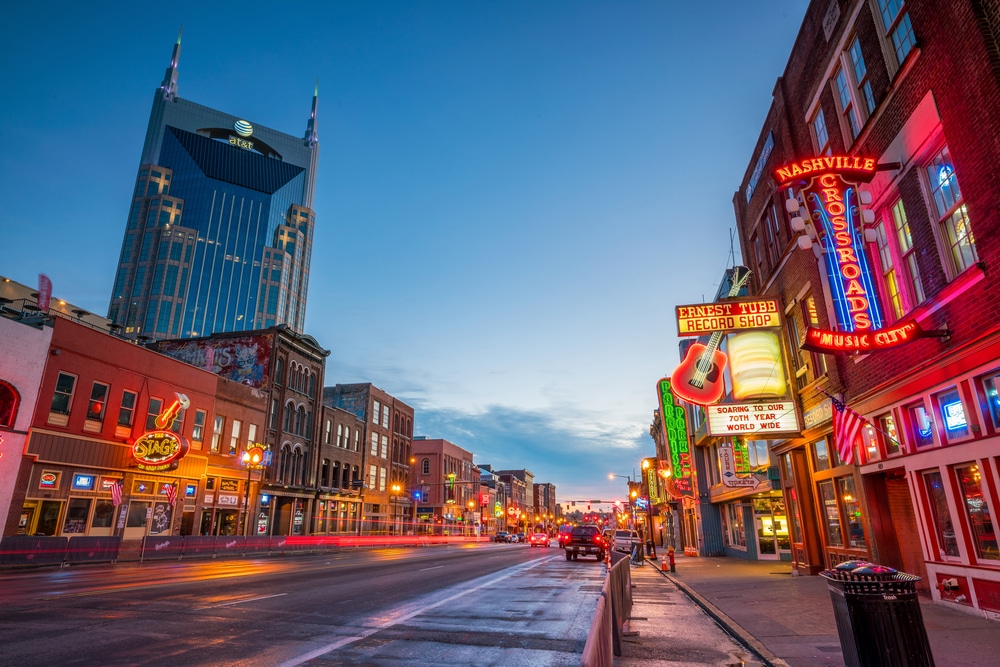
When people ask, “What is the famous street in Nashville?” the answer is instantaneous: Broadway. Specifically, the neon-drenched stretch known as Lower Broadway. However, from a brand strategy perspective, Broadway is far more than a geographical location or a collection of bars. It is a masterclass in destination branding, a multi-sensory marketing engine, and a global symbol of a city’s identity.
To understand the success of Nashville’s most famous street is to understand how a specific “place brand” is built, nurtured, and scaled. Broadway serves as the anchor for Nashville’s “Music City” moniker, acting as a physical manifestation of a brand promise that delivers consistency, heritage, and entertainment.
The Core Identity: Building the “Honky Tonk Highway” Brand
The brand of Broadway was not built overnight. It is the result of decades of organic growth followed by a highly intentional strategic pivot by city planners and marketing stakeholders. At the heart of this brand is the “Honky Tonk Highway,” a localized sub-brand that carries immense global equity.
The Power of Sensory Branding
Broadway is one of the few places in the world that utilizes sensory branding as its primary customer acquisition tool. In traditional marketing, brands use visual cues or digital ads. Broadway uses sound. The “open-door” policy of most honky-tonks ensures that live music bleeds onto the sidewalk, creating an auditory landscape that pulls pedestrians from one venue to the next. This creates a frictionless brand experience; the consumer doesn’t need to check a schedule or buy a ticket—they simply follow the sound.
Visual Consistency and the Neon Aesthetic
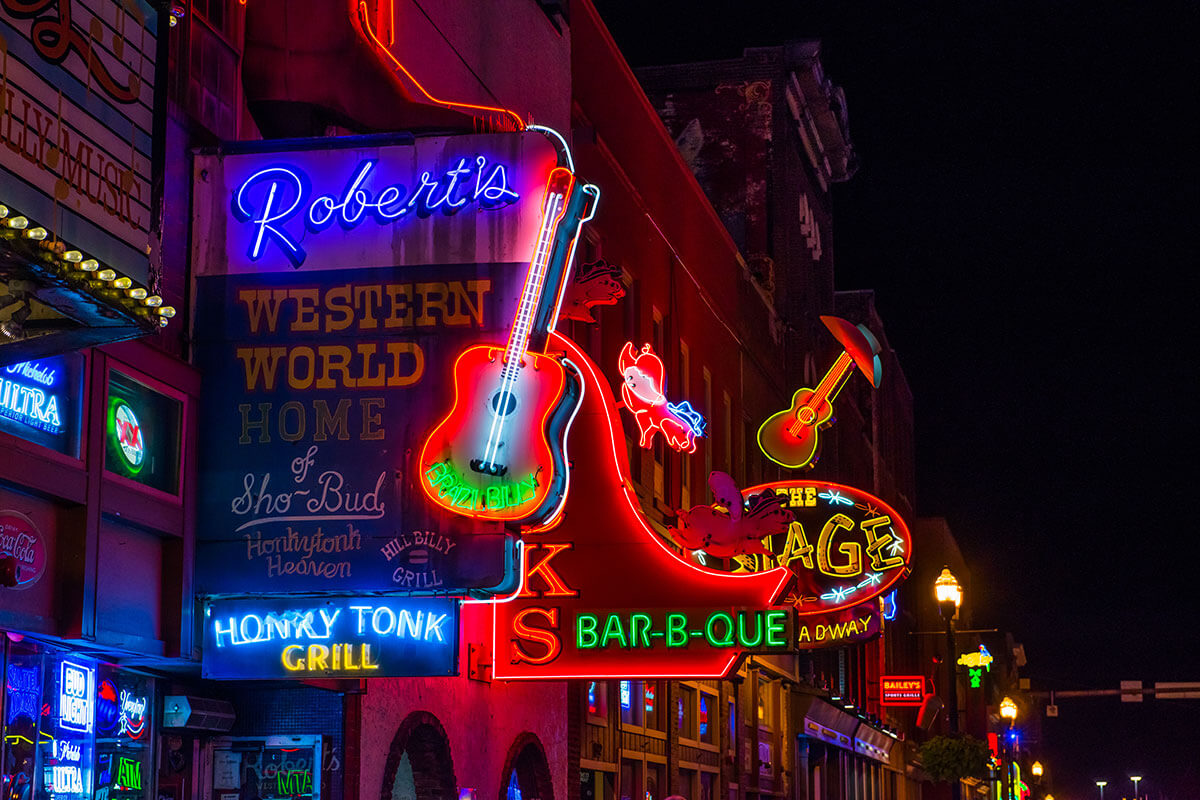
From a design standpoint, Broadway’s visual identity is defined by its vertical neon signage. This isn’t just a stylistic choice; it is a brand guideline that has been preserved and encouraged. The neon signs serve as a lighthouse for the brand, signaling a “classic Americana” vibe that appeals to both domestic and international tourists. This visual consistency ensures that any photo taken on the street is instantly recognizable as “Nashville,” reinforcing the brand’s presence on social media platforms without the need for paid placement.
The Music City USP
A brand’s Unique Selling Proposition (USP) is what sets it apart from competitors. For Broadway, the USP is the density of world-class talent. The “product” on display is the highest tier of musicianship, available for the price of a drink and a tip. By positioning Broadway as the “proving ground” for future stars, the street’s brand gains a layer of authenticity and aspirational value that other “party streets” (like Bourbon Street in New Orleans or the Las Vegas Strip) do not possess.
Strategic Positioning: From Local Secret to Global Tourist Magnet
The evolution of Broadway from a local strip to a global destination is a study in strategic positioning. In the late 20th century, Broadway was a neglected area. The revitalization efforts were not just about urban planning; they were about a brand relaunch.
Leveraging the “Halo Effect” of the Ryman Auditorium
The proximity of the Ryman Auditorium, the “Mother Church of Country Music,” provides Broadway with a prestigious “parent brand.” By being situated right next to a historic landmark, the bars on Broadway inherit a sense of legitimacy. Brand strategists call this the “Halo Effect”—the prestige of one entity rubbing off on another. The Ryman gives Broadway its soul, while Broadway gives the Ryman’s legacy a modern, high-energy outlet.
The Rise of the Celebrity “Anchor Store”
In recent years, the branding of Broadway has shifted toward a “Celebrity Partner” model. Major country music stars—such as Blake Shelton, Luke Bryan, Miranda Lambert, and Jason Aldean—have opened massive, multi-story venues. In retail terms, these are “anchor stores.”
These celebrity-branded venues serve several strategic purposes:
- Brand Trust: Fans of the artist transfer their loyalty to the venue.
- Market Segmentation: Each celebrity bar targets a slightly different demographic, from the “Pink-Vegas” aesthetic of Miranda Lambert’s Casa Rosa to the rugged, traditional feel of Alan Jackson’s AJ’s Good Time Bar.
- Cross-Promotion: The artists use their social media reach (millions of followers) to market not just their bar, but the street itself, providing Nashville with free global advertising.
Nashville as the “Bachelorette Capital”
One of the most fascinating brand pivots in recent history is Nashville’s positioning as the premier destination for bachelorette parties. This was a targeted move (both intentional and organic) to capture a high-spending demographic. By tailoring the Broadway experience to group travel—offering rooftop bars, themed cocktails, and “transportainment” (party buses and pedal taverns)—the city successfully carved out a niche market that maintains high demand year-round.

Managing Brand Perception and the Risk of Dilution
Every successful brand faces the challenge of “brand dilution”—the risk that as a brand grows and becomes more commercial, it loses the very qualities that made it successful in the first place. For Broadway, the tension between authenticity and commercialization is a constant strategic hurdle.
The Authenticity vs. Commercialization Debate
As Broadway becomes more crowded and expensive, there is a risk that the “authentic Music City” brand will be replaced by a “corporate tourist trap” perception. Local residents often refer to the area as “Nashvegas,” a term that is sometimes used affectionately but often used to describe a loss of local soul. To combat this, brand stakeholders must ensure that the core product—live, high-quality country music—remains at the forefront, even as the buildings around it become more modern and expensive.
Infrastructure as a Brand Component
The brand of a street is also defined by the user experience (UX). If the street is too crowded, dirty, or unsafe, the brand equity drops. Nashville’s investment in sidewalk expansions, lighting, and specialized policing on Broadway is an investment in the “customer experience” of the brand. A brand is a promise kept; if Nashville promises a world-class party but delivers a logistics nightmare, the brand suffers.
Diversifying the Nashville Brand Portfolio
To protect the main Broadway brand, Nashville has worked to develop “sub-brands” in other areas of the city. The Gulch, Midtown, and East Nashville offer different brand identities (upscale/trendy, college/local, and indie/alternative, respectively). This strategic diversification prevents Broadway from becoming overwhelmed and allows the city to appeal to a broader range of “brand personas” beyond just the country music fan.
Lessons for Brand Strategists and City Marketers
The success of Broadway provides several actionable insights for anyone involved in brand strategy, whether for a product, a person, or a place.
1. Identify Your “North Star”
Broadway’s North Star is country music. Every decision made regarding the street’s development, from zoning laws to signage, circles back to this core identity. A strong brand knows exactly what it stands for and refuses to deviate from that core mission.
2. Create a “Shareable” Experience
Broadway is designed to be photographed. From the neon signs to the rooftop views, the street is an “Instagrammable” environment. In the digital age, a brand’s most powerful marketers are its customers. By creating a visually stunning physical environment, Broadway ensures a constant stream of user-generated content that acts as a global testimonial.
3. Build a Collaborative Ecosystem
Broadway’s success is not the result of a single business, but a collaborative ecosystem. The bars, the musicians, the hotels, and the city government all work in a symbiotic relationship. In branding, this is known as “Co-Branding.” When the collective brand (Broadway) wins, every individual stakeholder wins.
4. Lean Into Heritage
While Broadway has modernized, it has not abandoned its heritage. It leans into its history, celebrating the outlaws and icons who walked those streets decades ago. Heritage adds a layer of “Brand Authority” that cannot be manufactured. New developments may be shiny, but the history of the Ryman and the legacy of the Grand Ole Opry provide the brand with a foundation of truth.
Conclusion: The Enduring Legacy of Broadway’s Brand
When we ask “What is the famous street in Nashville?” we are asking about the heartbeat of an entire industry. Broadway is a rare example of a physical space that has successfully transitioned into a global lifestyle brand. It represents a specific feeling—one of freedom, music, and celebration.
Through careful positioning, sensory marketing, and celebrity partnerships, Broadway has moved beyond being a simple street. It is now a case study in how to build a resilient, high-equity brand that can withstand economic shifts and cultural changes. As Nashville continues to grow, Broadway will remain its most valuable asset—a neon-lit reminder that in the world of branding, identity is everything. Whether you are a tourist looking for a song or a marketer looking for an example of excellence, Broadway delivers a masterclass on every corner.
aViewFromTheCave is a participant in the Amazon Services LLC Associates Program, an affiliate advertising program designed to provide a means for sites to earn advertising fees by advertising and linking to Amazon.com. Amazon, the Amazon logo, AmazonSupply, and the AmazonSupply logo are trademarks of Amazon.com, Inc. or its affiliates. As an Amazon Associate we earn affiliate commissions from qualifying purchases.