
For most individuals, a vehicle is the second-largest purchase they will make in their lifetime, trailing only behind the acquisition of real estate. Yet, unlike real estate, which traditionally appreciates over time, a car is a rapidly depreciating asset. Navigating the financial complexities of vehicle ownership requires a clear understanding of “Fair Market Value” (FMV). This figure is not merely a number used for selling a car; it is a critical metric for personal net worth calculations, insurance settlements, tax deductions, and strategic financial planning.
Fair Market Value is defined as the price that a willing buyer would pay and a willing seller would accept for a property in an open, competitive market, where both parties have reasonable knowledge of the relevant facts and neither is under any compulsion to buy or sell. In the automotive world, this value is a moving target influenced by macro-economic trends, technological shifts, and the specific history of the vehicle in question.
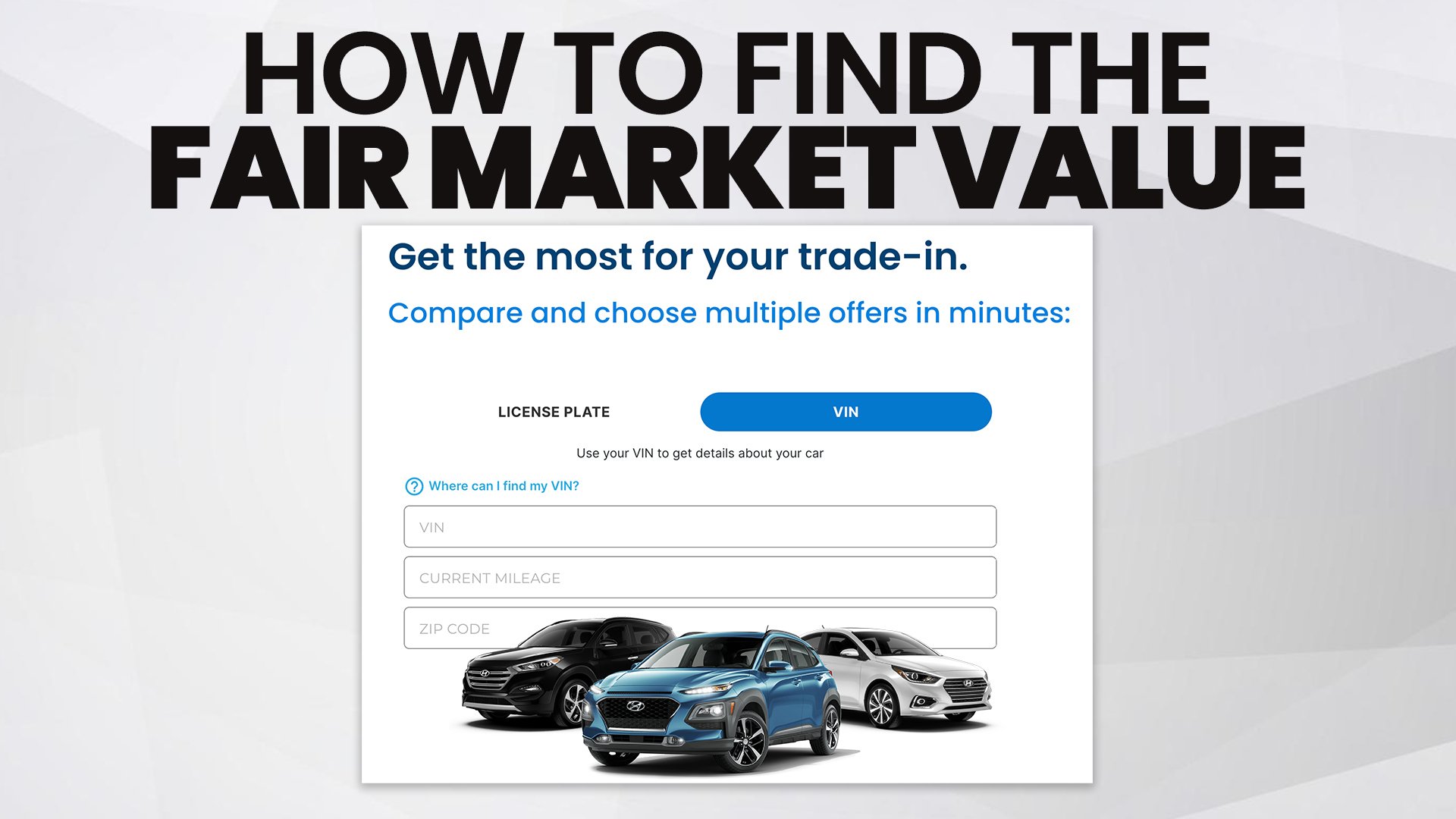
The Economic Pillars of Vehicle Valuation
To accurately determine the fair market value of a car, one must first understand the various “tiers” of value. A common mistake made by many car owners is assuming that there is a single, universal price for their vehicle. In reality, the value changes significantly depending on the context of the transaction.
Trade-In Value vs. Private Party Value
The trade-in value is typically the lowest valuation tier. This is the amount a dealership is willing to pay you to take the car off your hands, usually as credit toward a new purchase. Dealers offer lower amounts because they must account for reconditioning costs, overhead, and a profit margin when they eventually resell the vehicle.
Conversely, the private party value is what you can expect to receive if you sell the car directly to another individual. This figure is usually significantly higher than the trade-in value because you are capturing the “retail” margin for yourself. However, this higher value comes at the cost of your time, effort, and the logistical burden of managing the sale.
Retail Value and Certified Pre-Owned (CPO) Premiums
The retail value is the price a consumer pays at a dealership. This is the highest tier of valuation because it includes the dealer’s markup. If your car is a recent model in exceptional condition, it may even qualify for “Certified Pre-Owned” status, which adds a premium to the value based on the extended warranties and rigorous inspections provided by the manufacturer. Understanding these distinctions is vital when reviewing your personal balance sheet; listing your car at retail value on your net worth statement is often an overestimation of its actual liquidity.
Factors That Dictate Your Vehicle’s Economic Worth
While the make, model, and year are the foundational elements of a car’s value, several secondary factors play a massive role in shifting the needle. In the realm of personal finance, these variables represent the “controllable” and “uncontrollable” aspects of your asset’s depreciation.
The Impact of Mileage and Mechanical Condition
Mileage is perhaps the most significant variable in the FMV equation. High mileage suggests greater wear and tear on the engine, transmission, and suspension components, leading to a steeper depreciation curve. In financial terms, every mile driven is a micro-deduction from the car’s total value.
Condition is equally critical. This is often categorized into levels: Excellent, Good, Fair, and Poor. Most owners tend to overestimate their car’s condition, labeling it “Excellent” when it realistically falls under “Good.” An “Excellent” vehicle is one that looks new, has no mechanical defects, and possesses a clean title with full service records.
The Influence of Geography and Seasonality
The fair market value of a car is not uniform across the country. A rear-wheel-drive convertible has a higher FMV in Florida or California than it does in Alaska during the winter. Similarly, four-wheel-drive SUVs see a spike in value in northern climates as the first snow approaches. When valuing your car, you must look at local comparable sales (comps) rather than national averages to get a realistic picture of what a buyer in your specific market will pay.
Historical Factors: Accidents and Ownership
The “Carfax effect” is a real economic phenomenon. Even if a car was professionally repaired after an accident, the mere presence of a damage report on its history can reduce its fair market value by 10% to 25%. This is known as “diminished value.” Furthermore, a vehicle with a single owner typically commands a higher price than one that has changed hands four or five times, as a single owner is perceived to have been more consistent with maintenance.

Tools and Methodology for Calculating Precise Value
In the modern digital economy, determining FMV has become more scientific and less speculative. Several industry-standard tools leverage massive data sets of auction results, dealer listings, and private sales to provide accurate estimates.
Industry-Standard Valuation Platforms
-
Kelley Blue Book (KBB): Perhaps the most recognized name in the industry, KBB provides a range of values based on current market trends. It is particularly useful for establishing a baseline for private party transactions.
-
Edmunds: Known for its “True Market Value” (TMV) tool, Edmunds uses actual transaction data to show what others in your area are paying for similar vehicles.
-
NADA (National Automobile Dealers Association): Frequently used by lenders and insurance companies, NADA guides tend to lean toward the wholesale and trade-in side of the spectrum, making them a conservative choice for financial planning.
The Real-Time Market Comparison Method
To find the most accurate FMV, one should complement these tools with real-world research. This involves searching platforms like Autotrader, Cars.com, and Facebook Marketplace for vehicles of the same year, make, model, and trim level within a 50-mile radius. By seeing what other sellers are asking—and, more importantly, how long those listings remain active—you can gauge the “liquid value” of your car. If similar cars are sitting on the market for 60 days, the “fair” price might be slightly lower than what the algorithms suggest.
Strategic Financial Management of Your Automotive Asset
Once you understand how fair market value is calculated, you can take steps to protect that value. Treating your car as a financial asset rather than just a utility vehicle can save you thousands of dollars over the duration of ownership.
Preserving Value Through Documentation
In the eyes of a savvy buyer or a professional appraiser, a car with a documented service history is worth significantly more than one without it. Keeping a detailed folder of every oil change, brake job, and tire rotation proves that the vehicle has been maintained according to manufacturer standards. This transparency reduces the “risk premium” a buyer might otherwise subtract from the price.
The Concept of “Diminishing Returns” on Repairs
When preparing a car for sale to capture its maximum FMV, homeowners often wonder if they should fix every dent and scratch. Financially, you must apply a cost-benefit analysis. Spending $1,000 on a professional paint correction might only add $500 to the fair market value. However, spending $150 on a high-end interior detail can often increase the perceived value and the final sale price by much more than the initial investment. Focus on high-visibility improvements and essential mechanical safety.
Timing the Exit
From a wealth-management perspective, the best time to sell a car is often before it hits major mileage milestones (such as 60,000 or 100,000 miles) or before the manufacturer’s warranty expires. Once a car loses its warranty coverage, its fair market value takes a sharp dip because the new owner assumes the full financial risk of mechanical failure.
The Intersection of Market Value, Insurance, and Taxation
Understanding fair market value is not just about selling; it is a vital part of risk management and tax strategy.
Total Loss and Insurance Claims
If your vehicle is involved in an accident and declared a “total loss,” the insurance company will write you a check for the fair market value of the car immediately prior to the accident. If you do not know your car’s FMV, you are at a disadvantage. Insurance companies often use their own proprietary software to determine value, which may lean toward the lower end. Being armed with your own data from KBB, NADA, and local comps allows you to negotiate a fair settlement that reflects the true replacement cost of the vehicle.

Tax Implications and Charitable Donations
For those looking to donate a vehicle to charity, the IRS has specific rules regarding FMV. In many cases, your tax deduction is limited to the gross proceeds the charity receives from selling the car. However, if the charity intends to use the vehicle in their daily operations, you may be able to claim the full fair market value. Understanding how to document this value correctly is essential for maximizing the tax benefits of your donation and ensuring compliance with federal tax laws.
In summary, the fair market value of your car is a dynamic figure that reflects the intersection of global economic trends and the specific care you have given your vehicle. By monitoring this value through professional tools and market research, you can make informed decisions about when to sell, how much insurance coverage you truly need, and how to accurately represent your assets in your overall financial portfolio. Driving a car is a necessity for many, but managing its value is a hallmark of financial literacy.
aViewFromTheCave is a participant in the Amazon Services LLC Associates Program, an affiliate advertising program designed to provide a means for sites to earn advertising fees by advertising and linking to Amazon.com. Amazon, the Amazon logo, AmazonSupply, and the AmazonSupply logo are trademarks of Amazon.com, Inc. or its affiliates. As an Amazon Associate we earn affiliate commissions from qualifying purchases.