
The landscape of mobile technology has shifted dramatically over the last decade. Where a “premium” smartphone once topped out at a retail price of $600 to $700, we now inhabit an era where $1,000 is the baseline for a flagship, and “expensive” phones regularly climb into the $2,000 to $5,000 range—or even higher for bespoke luxury editions. When we ask “what is the expensive phone,” we are no longer just talking about a device that makes calls and browses the web; we are discussing a convergence of cutting-edge engineering, rare materials, and sophisticated software ecosystems that serve as both status symbols and high-performance production tools.
Understanding the expensive phone requires looking beyond the price tag. It involves an exploration of the research and development (R&D) that drives the industry forward, the exotic materials that provide durability and aesthetic appeal, and the specialized hardware that pushes the boundaries of what is possible in a handheld form factor.
The Evolution of the Ultra-Premium Segment
The concept of a high-priced mobile device has evolved through three distinct phases: the utilitarian era, the flagship era, and the current “super-flagship” or ultra-premium era. In the early days, expensive phones like those from Vertu focused almost entirely on jewelry-grade materials—gold, rubies, and leather—while the internal technology often lagged years behind mainstream devices. Today, the script has flipped. The most expensive phones on the market are often the most technologically advanced, serving as the testbeds for features that will eventually trickle down to the masses.
From Flagships to Super-Flagships
The transition began around 2017, marked by the release of the iPhone X and the Samsung Galaxy Note series. These devices broke the $1,000 psychological barrier, justifying the cost through the introduction of OLED displays, facial recognition hardware, and multi-lens camera systems. Since then, manufacturers have identified a segment of “prosumers” and enthusiasts willing to pay a premium for the absolute bleeding edge. This led to the birth of the “Ultra” and “Pro Max” tiers, where the focus is on maximizing every single specification—from peak brightness levels to thermal management systems.
Materials and Craftsmanship: Beyond Glass and Aluminum
A significant portion of the cost in high-end devices stems from the materials used in their construction. Traditional smartphones utilize aluminum frames and standard chemically strengthened glass. However, the modern expensive phone often utilizes Grade 5 Titanium—a material favored in aerospace for its incredible strength-to-weight ratio. Milling titanium is a significantly more complex and costly process than stamping aluminum, requiring specialized CNC machinery and longer production times.
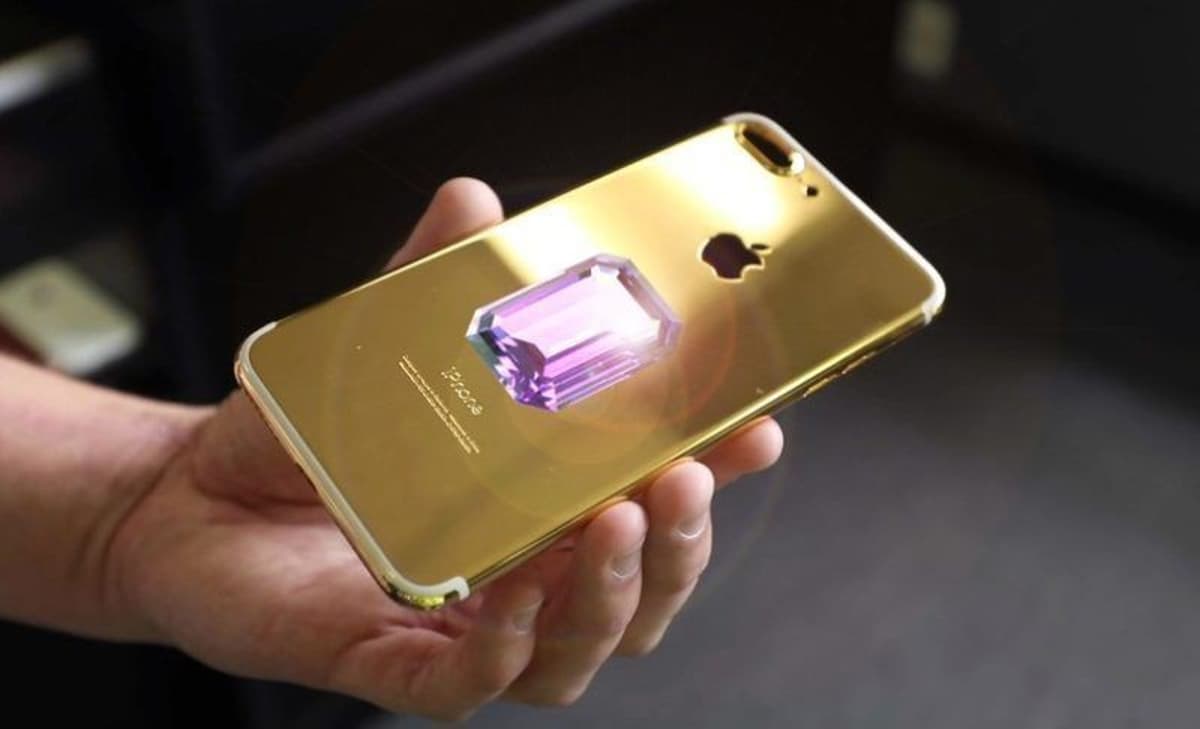
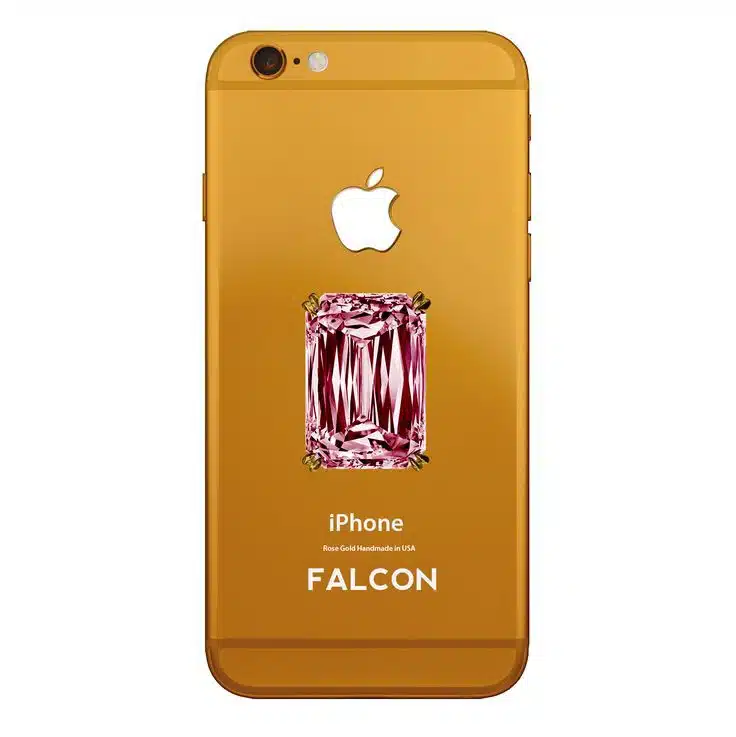
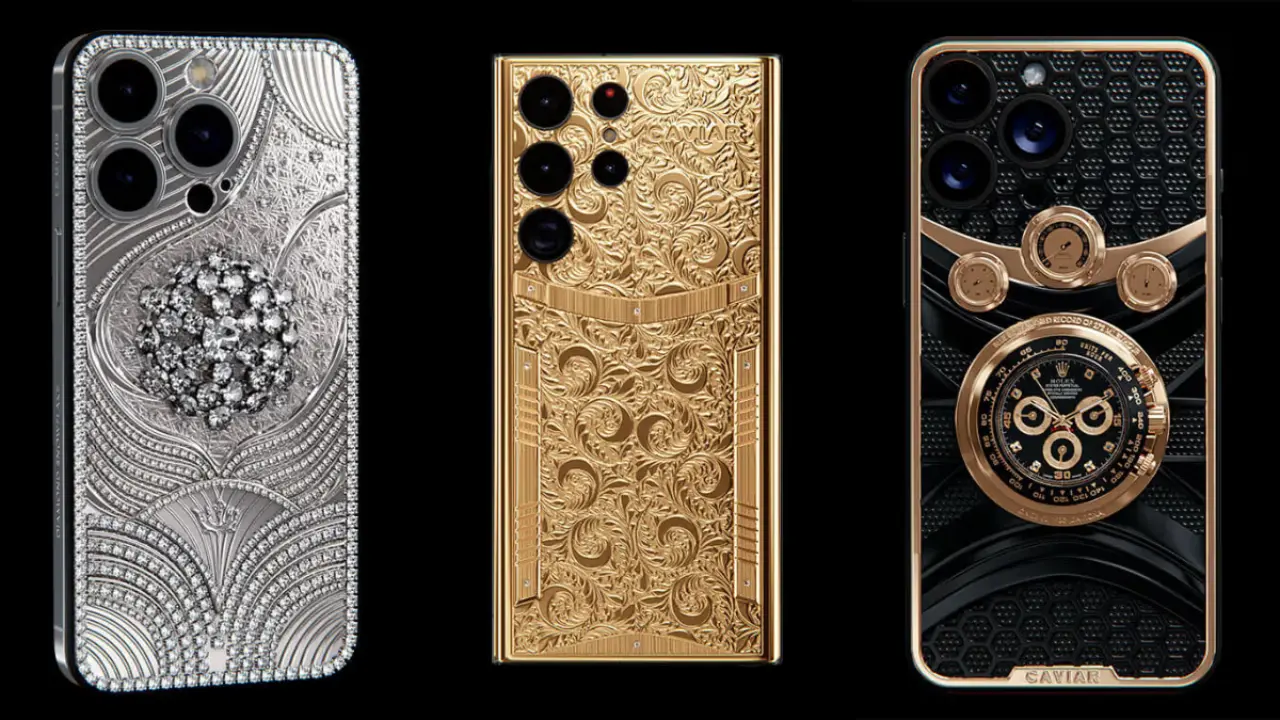
Beyond the frame, expensive phones often feature Ceramic Shield or Sapphire Crystal covers. Sapphire, second only to diamond in hardness, offers unparalleled scratch resistance but is notoriously difficult to manufacture at the scale required for smartphone displays. When we see boutique brands like Caviar or Falcon customizing these devices, they add layers of 24-karat gold, carbon fiber, and even fragments of meteorites, pushing the price of a single unit into the tens of thousands of dollars.
Engineering the Extraordinary: Why High-End Devices Cost More
The price of a high-end smartphone isn’t just a reflection of its bill of materials; it is a reflection of the billions of dollars spent on silicon design and optical engineering. An expensive phone acts as a pocket-sized supercomputer, and the components inside are designed to operate at the limits of physics.
Cutting-Edge Internal Hardware
At the heart of every expensive phone is the System on a Chip (SoC). Leading manufacturers like Apple with their A-series Pro chips or Qualcomm with the Snapdragon 8-series “for Galaxy” variants utilize 3-nanometer process technology. Creating chips at this scale involves Extreme Ultraviolet (EUV) lithography, a process so complex that only a handful of facilities in the world can perform it. These chips house billions of transistors, enabling real-time ray tracing for gaming, advanced AI processing, and enough power to edit 4K ProRes video directly on the device.
Furthermore, expensive phones prioritize high-speed storage (UFS 4.0) and massive amounts of LPDDR5X RAM. This ensures that the user experience remains fluid even under heavy multitasking, a requirement for professionals who use their phones as primary workstations.
Display Innovations: Foldables and Micro-OLED
The display is often the most expensive component of a smartphone. In the ultra-premium market, we see the rise of LTPO (Low-Temperature Polycrystalline Oxide) panels. These displays can dynamically refresh from 1Hz to 120Hz, saving battery life while providing smooth motion.
The most prominent “expensive phones” today, however, are foldables. Devices like the Samsung Galaxy Z Fold or the Google Pixel Fold require intricate hinge mechanisms involving hundreds of microscopic parts and flexible Ultra Thin Glass (UTG). The R&D required to ensure these screens can withstand hundreds of thousands of folds is immense, and the yield rates for manufacturing these panels are much lower than standard flat screens, directly contributing to the higher retail price.
Pro-Grade Optics and Image Signal Processors
For many, the defining feature of an expensive phone is the camera system. We have moved past the era of simple megapixels. High-end phones now feature 1-inch type sensors, which are physically much larger than standard mobile sensors, allowing them to capture more light and produce a natural “bokeh” effect.
The inclusion of periscope telephoto lenses is another hallmark of the expensive device. These systems use a prism to fold light 90 degrees, allowing for 5x or 10x optical zoom without making the phone prohibitively thick. Coupled with dedicated Image Signal Processors (ISPs) that can perform trillions of operations per second to reduce noise and balance exposure, these devices rival dedicated point-and-shoot cameras.
The Status Symbol vs. The Production Tool
There is a duality in the high-end phone market. For some, the expense is an investment in a professional tool; for others, it is a statement of luxury and exclusivity.
Luxury Brand Collaborations
The intersection of technology and fashion has created a niche for “hyper-expensive” phones. Brands like Porsche Design, Lamborghini, and various watchmakers frequently collaborate with tech giants to create limited-edition versions of flagship phones. These versions often feature custom software skins, bespoke leather backing, and exclusive accessories. While the internal specs may mirror the standard flagship, the branding and limited production run turn the device into a collector’s item.
Professional Workflow Integration
On the other end of the spectrum, the expensive phone is a necessity for creators and mobile professionals. Features like “Log” video recording, which captures a flat color profile for professional grading in post-production, are exclusive to high-end hardware. Similarly, the ability to output video via USB-C at 10Gbps speeds to external SSDs transforms a phone into a mobile cinema camera. For these users, the $1,500+ price tag is justified by the device’s ability to replace thousands of dollars worth of dedicated video and computing equipment.
The Software Ecosystem: Exclusive Services and Security
An expensive phone is defined as much by its software as its hardware. When a consumer buys a premium device, they are often buying into an ecosystem that provides higher levels of security, longer support lifecycles, and exclusive digital services.
Long-term Support and Privacy Hardware
One of the key justifications for the high cost of premium smartphones is the commitment to longevity. Manufacturers of expensive phones often guarantee five to seven years of operating system and security updates. This requires a massive, ongoing investment in software engineering to ensure that aging hardware remains compatible with new features.
Additionally, high-end devices often include dedicated security enclaves—isolated hardware chips that store biometric data and encryption keys. This “silicon-to-software” security model is significantly more expensive to implement than software-only solutions found in budget devices, making these phones the choice for government officials and corporate executives who handle sensitive data.
Proprietary Operating System Skins
While budget phones often run a generic version of Android, expensive phones feature highly optimized skins. These interfaces are designed to take advantage of specific hardware, such as the S-Pen on the Ultra series or the unique aspect ratios of foldable screens. The software is tuned to the specific haptic engines and thermal profiles of the device, creating a “premium feel” through haptic feedback and micro-animations that cheaper devices cannot replicate.
The Future of High-End Mobile Technology
As we look forward, the definition of the “expensive phone” continues to shift. We are moving toward a future where hardware might become secondary to integrated Artificial Intelligence.
Sustainable Luxury
A new trend in the expensive phone market is the move toward “sustainable luxury.” Instead of focusing on gold and diamonds, brands are investing in recycled titanium, vegan leathers, and modular designs that allow for easier repairs. The “expense” here comes from the ethical sourcing of materials and the engineering required to make a device both premium and environmentally responsible.
The Shift Toward Modular Longevity
We are seeing the beginning of a shift where the most expensive phones are those designed to last a decade. By using over-engineered components and robust weather-sealing (IP68 and beyond), manufacturers are positioning high-end phones as durable goods rather than disposable electronics.
In conclusion, “what is the expensive phone” is a question with a multifaceted answer. It is a device that represents the pinnacle of current human achievement in micro-electronics, material science, and software design. Whether it is a foldable screen that defies the fragility of glass, a titanium frame that protects a mobile workstation, or a secure enclave that guards a user’s digital life, the expensive phone remains the primary catalyst for innovation in the tech world. As technology continues to advance, these devices will remain at the forefront, pushing the boundaries of what we expect from the rectangular slabs of glass in our pockets.
aViewFromTheCave is a participant in the Amazon Services LLC Associates Program, an affiliate advertising program designed to provide a means for sites to earn advertising fees by advertising and linking to Amazon.com. Amazon, the Amazon logo, AmazonSupply, and the AmazonSupply logo are trademarks of Amazon.com, Inc. or its affiliates. As an Amazon Associate we earn affiliate commissions from qualifying purchases.