
The equity market, often referred to as the stock market, is a pivotal component of the global financial system, serving as both a barometer for economic health and a crucial engine for wealth creation and capital allocation. At its core, the equity market is a sophisticated network where ownership stakes in companies – known as shares or equities – are bought and sold. It provides businesses with the capital they need to grow, innovate, and expand, while simultaneously offering investors an opportunity to participate in the success of these enterprises.
Understanding the equity market goes beyond merely knowing what stocks are; it delves into the intricate mechanisms, the diverse participants, the underlying economic principles, and the inherent risks and rewards that define this dynamic arena. For individuals, institutions, and corporations alike, navigating the equity market effectively is key to financial success and strategic growth. This article will demystify the equity market, exploring its fundamental concepts, operational mechanics, key participants, and the significant role it plays in both personal finance and the broader economy.
The Foundation of Capital: Understanding the Equity Market
The equity market is not a single entity but a collective term for all the venues and activities involved in the issuance and exchange of equity securities. It’s a marketplace where capital meets opportunity, connecting those who need funding with those who seek investment returns.
Defining Equity and the Market’s Core Function
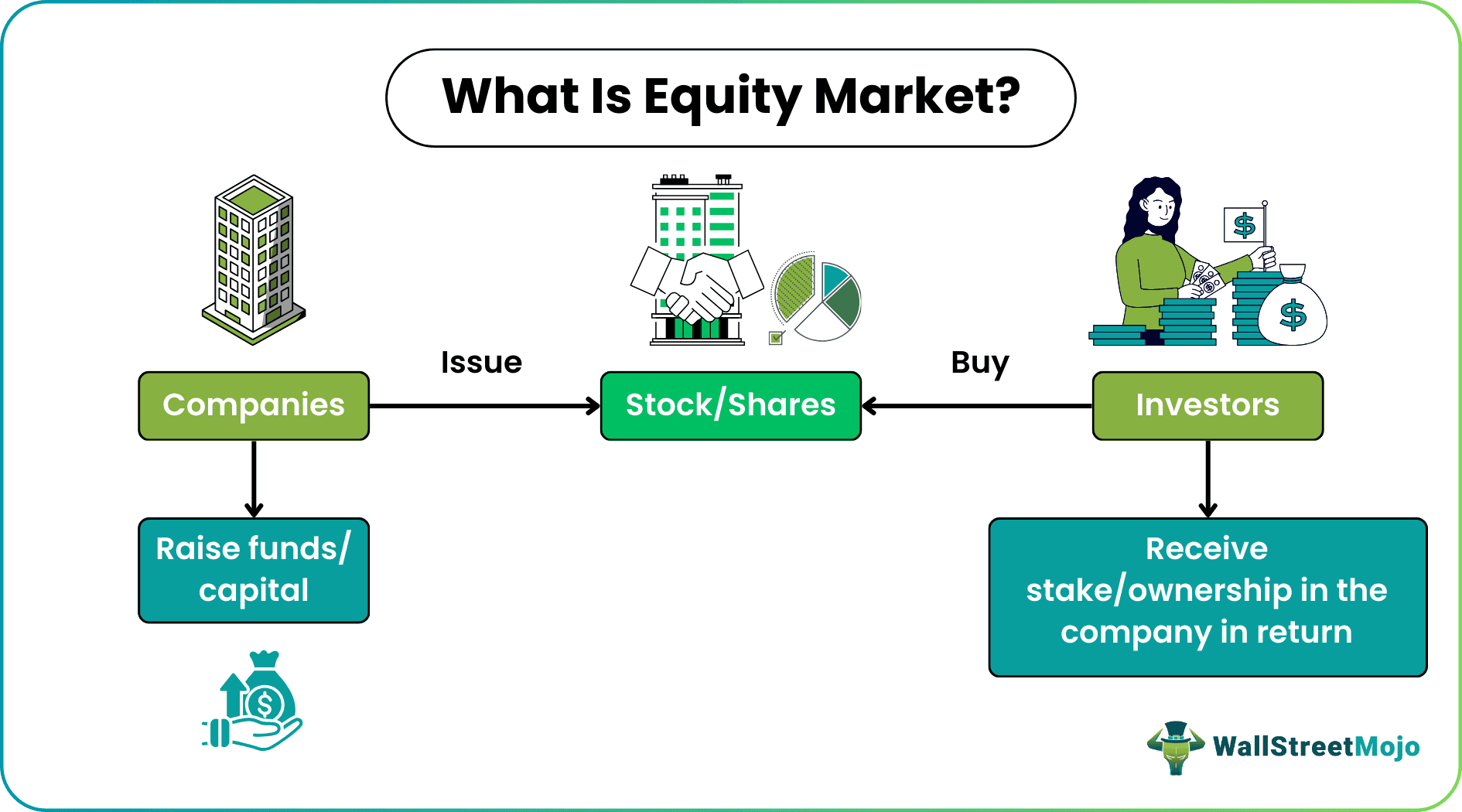
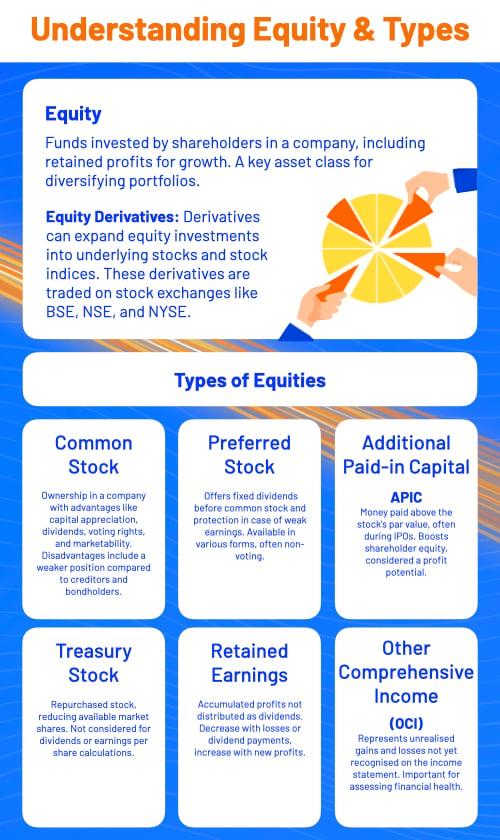
Equity represents ownership. When you own a share of a company’s stock, you own a tiny fraction of that company. This ownership comes with certain rights, such as the potential to receive dividends (a share of the company’s profits) and, in many cases, the right to vote on significant corporate matters. The market’s core function is twofold:
- Capital Formation for Businesses: Companies raise capital by issuing new shares to the public in what’s known as the primary market. This influx of capital allows them to fund operations, invest in research and development, pay off debt, or expand into new markets without incurring interest obligations associated with debt financing.
- Investment Opportunity for Individuals and Institutions: For investors, the equity market offers the potential for capital appreciation (when the value of their shares increases) and income generation through dividends. It allows individuals to build wealth over time and institutions (like pension funds and mutual funds) to manage assets and meet their financial obligations.
Primary vs. Secondary Markets: Where Shares Come to Life
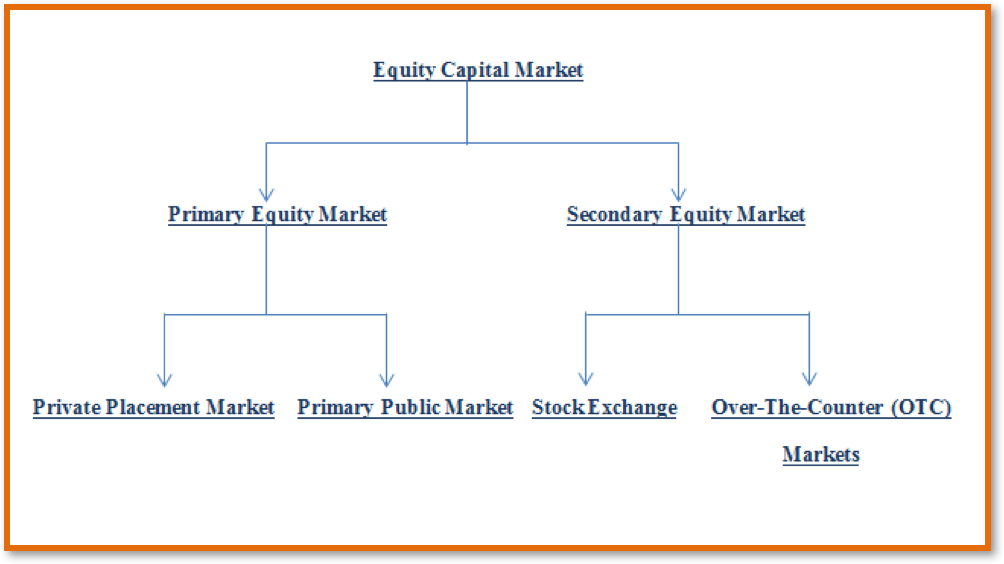
The equity market operates through two distinct yet interconnected segments:
- The Primary Market: This is where new shares are issued for the first time. The most common way this happens is through an Initial Public Offering (IPO), where a private company sells its shares to the general public, effectively “going public.” Other forms include rights issues or private placements. In the primary market, the company itself receives the proceeds from the sale of shares, directly fueling its growth.
- The Secondary Market: Once shares have been issued in the primary market, they are then traded among investors in the secondary market. This is what most people typically think of when they hear “stock market.” Stock exchanges like the New York Stock Exchange (NYSE) or NASDAQ are examples of secondary markets. In this market, money changes hands between investors, not directly involving the issuing company (unless the company is buying back its own shares). The secondary market provides liquidity for investors, meaning they can easily buy or sell their shares, making primary market investments more attractive. Without a robust secondary market, fewer investors would be willing to buy shares in the primary market, knowing they might not be able to sell them later.
Key Players and Mechanics: How Shares Change Hands
The smooth functioning of the equity market relies on a diverse ecosystem of participants and a well-defined set of mechanics that govern transactions. Each player, from the company issuing shares to the individual investor, contributes to the market’s liquidity and price discovery.
Public Companies: Issuers of Equity
These are the businesses whose shares are traded on stock exchanges. After going public, these companies are subject to rigorous reporting requirements, providing transparency about their financial health and operations to shareholders and the public. Their performance, innovation, and strategic decisions directly impact the value of their equity.
Investors: Driving Demand and Supply
Investors are the lifeblood of the equity market, providing the capital and driving the demand and supply dynamics that determine share prices. They can be broadly categorized:
- Individual Investors (Retail Investors): Everyday people investing their personal savings, often through brokerage accounts, to achieve financial goals like retirement, home purchase, or wealth accumulation.
- Institutional Investors: Large organizations such as mutual funds, hedge funds, pension funds, insurance companies, and endowment funds. They manage vast sums of money on behalf of their clients or beneficiaries and typically trade in large blocks of shares, exerting significant influence on market trends.
Stock Exchanges: The Trading Arena
Stock exchanges are organized markets where equity securities are bought and sold. They provide a regulated environment, matching buyers with sellers and ensuring fair and transparent trading. Key functions include:
- Listing Services: Companies must meet certain criteria to have their shares listed and traded on an exchange.
- Order Execution: Exchanges provide the technological infrastructure to process buy and sell orders efficiently.
- Price Discovery: Through the continuous interaction of supply and demand, exchanges help determine the current market price for each stock.
- Regulation and Oversight: Exchanges work with regulatory bodies to maintain market integrity and protect investors.
Brokers and Intermediaries: Facilitating Transactions
Investors typically do not directly trade on stock exchanges. Instead, they use brokerage firms, which act as intermediaries. Brokers execute buy and sell orders on behalf of their clients and provide various services, including investment advice, research, and custodial services for securities. Technological advancements have also given rise to online discount brokers, making investing more accessible and affordable for individual investors.
The Dual Nature of Equity Investment: Opportunities and Risks
Investing in the equity market presents a compelling mix of potential rewards and inherent risks. Understanding both sides is crucial for any investor seeking to participate effectively.
Potential for Growth and Wealth Creation
The primary appeal of equity investing is the potential for significant long-term growth. Historically, equity markets have outperformed most other asset classes over extended periods.
- Capital Appreciation: As a company grows, increases its earnings, and expands its market share, the demand for its shares can increase, driving up the stock price. Investors profit by selling shares at a higher price than they paid for them.
- Reinvestment: Many companies reinvest their earnings back into the business, which can fuel further growth and, in turn, increase the value of their shares.
Dividends and Shareholder Rights
Beyond capital appreciation, equity ownership can offer:
- Dividend Income: Many mature, profitable companies distribute a portion of their earnings to shareholders in the form of dividends. These payments can provide a steady income stream, especially for income-focused investors.
- Voting Rights: Common shareholders typically have the right to vote on key company decisions, such as electing board members or approving major corporate actions. This provides a mechanism for shareholder oversight and influence.
Inherent Volatility and Market Fluctuations
While the potential for reward is high, so too are the risks associated with equity investment.
- Price Volatility: Stock prices can fluctuate wildly in the short term due to a myriad of factors, including company news, economic data, investor sentiment, geopolitical events, and even natural disasters. This volatility means investors can lose money if they are forced to sell during a downturn.
- Company-Specific Risk: The performance of a single stock is tied to the fortunes of the underlying company. Poor management decisions, competition, product failures, or legal issues can severely impact a company’s profitability and, consequently, its stock price.
- Market Risk: This refers to the risk that the entire market or a broad segment of it will decline, impacting even fundamentally sound companies. Economic recessions, interest rate hikes, or systemic financial crises can lead to widespread market sell-offs.
Diversification: Mitigating Risk
A fundamental principle for managing equity investment risk is diversification. By spreading investments across various companies, industries, and geographical regions, investors can reduce the impact of any single stock or sector performing poorly. Instead of putting all eggs in one basket, diversification aims to achieve a more stable return profile over time.
Influences and Implications: What Moves the Market?
The equity market is a complex adaptive system, constantly reacting to a multitude of forces. Understanding these influences is key to comprehending market movements and making informed investment decisions.
Macroeconomic Factors and Corporate Performance
- Economic Indicators: Broader economic data such as Gross Domestic Product (GDP) growth, inflation rates, interest rates set by central banks, employment figures, and consumer confidence reports significantly impact corporate profitability and investor sentiment. A strong economy generally boosts company earnings and investor optimism, leading to higher stock prices.
- Corporate Earnings and Outlook: The financial performance of individual companies, particularly their quarterly and annual earnings reports, is a primary driver of stock prices. Companies that consistently beat earnings expectations or provide optimistic future guidance often see their stock prices rise. Conversely, poor performance can lead to sharp declines.
Investor Sentiment and Geopolitical Events
- Investor Psychology: Market movements are not solely rational; they are heavily influenced by investor sentiment, fear, and greed. News cycles, social media trends, and herd mentality can lead to overreactions, causing markets to deviate from fundamental values in the short term.
- Geopolitical Stability: Major geopolitical events, such as wars, trade disputes, political instability, or international sanctions, can introduce uncertainty into global markets, affecting supply chains, commodity prices, and investor confidence across various sectors and regions.
The Role of Regulation and Market Integrity
Regulatory bodies, such as the Securities and Exchange Commission (SEC) in the United States, play a critical role in maintaining the integrity and fairness of the equity market. They establish rules for disclosure, prevent fraud and manipulation, and protect investors. Robust regulation fosters trust, which is essential for the market to function efficiently and attract capital. Insider trading laws, accounting standards, and rules for public offerings are all designed to ensure a level playing field and transparent information flow.
Conclusion
The equity market is far more than just a place to buy and sell stocks; it is an indispensable financial ecosystem that underpins economic growth, innovation, and personal wealth creation. It provides a vital conduit for capital, allowing businesses to fund their ambitions and giving investors a stake in the global economy. While it offers unparalleled opportunities for long-term growth and income, it also demands a clear understanding of its inherent risks, volatility, and the myriad factors that influence its direction.
Navigating the equity market successfully requires diligent research, a commitment to understanding fundamental principles, and often, a long-term perspective. For individuals and institutions alike, a well-informed approach to equity investing can unlock significant financial potential, making the equity market an enduring and captivating frontier in the world of finance.
aViewFromTheCave is a participant in the Amazon Services LLC Associates Program, an affiliate advertising program designed to provide a means for sites to earn advertising fees by advertising and linking to Amazon.com. Amazon, the Amazon logo, AmazonSupply, and the AmazonSupply logo are trademarks of Amazon.com, Inc. or its affiliates. As an Amazon Associate we earn affiliate commissions from qualifying purchases.