
For decades, the world of high finance and the discipline of environmental ethics existed in parallel universes. One was driven by the relentless pursuit of alpha, quarterly earnings, and capital accumulation; the other was rooted in the philosophical contemplation of nature’s intrinsic value and our moral obligation to the planet. However, the 21st century has witnessed a dramatic convergence of these two fields. Today, environmental ethics is no longer just a subject for philosophy seminars—it is a cornerstone of “Money.”
In the financial sector, environmental ethics has evolved into a sophisticated framework known as ESG (Environmental, Social, and Governance) investing. It represents a fundamental shift in how we define value, risk, and long-term profitability. This article explores the intersection of moral philosophy and financial strategy, illustrating how environmental ethics is reshaping the global economy, personal portfolios, and the very definition of a “good” investment.
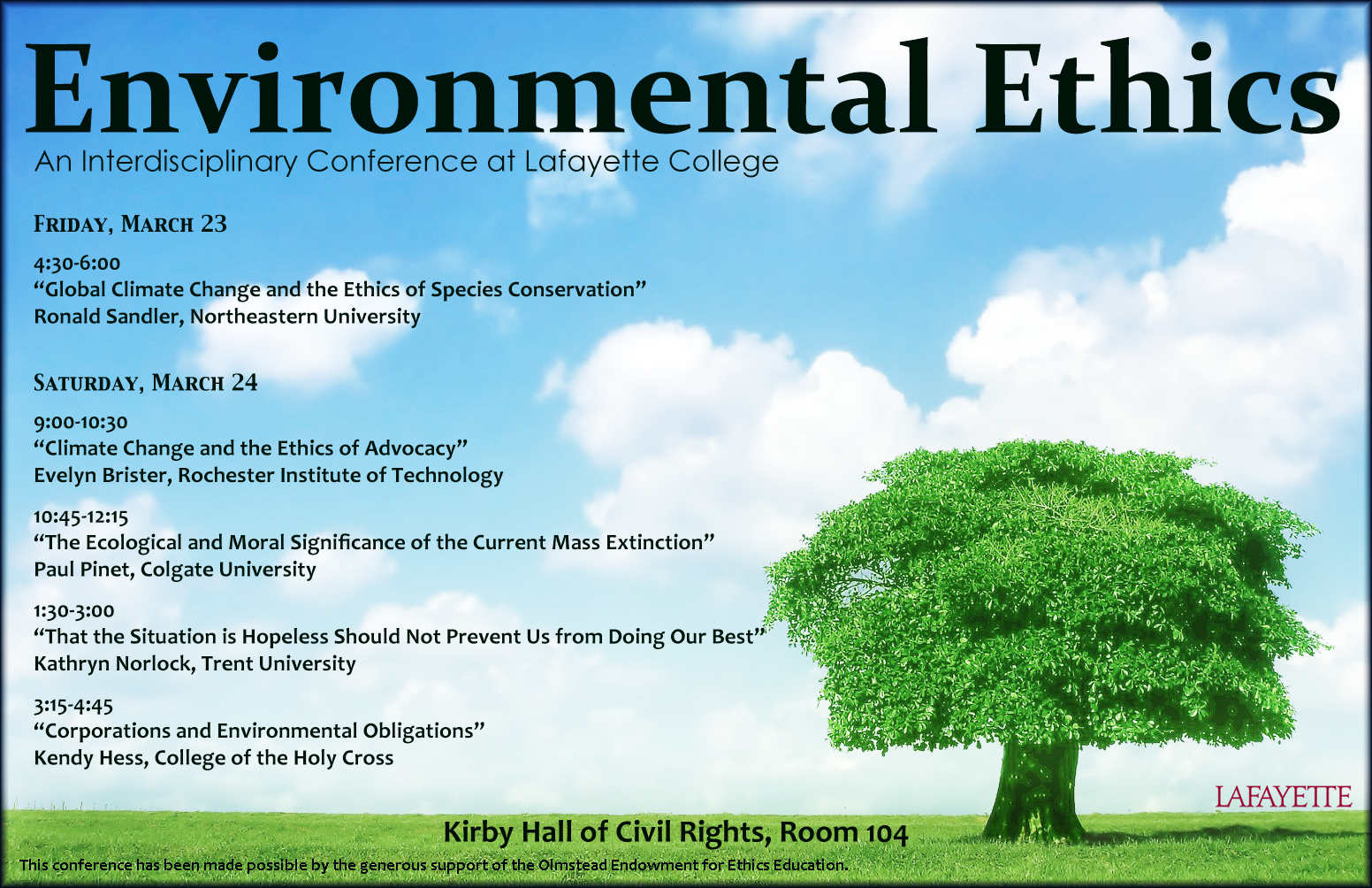
Defining Environmental Ethics within the Financial Sector
At its core, environmental ethics in a financial context asks a simple yet profound question: What is the responsibility of capital toward the natural world? Historically, the dominant economic theory, popularized by Milton Friedman, suggested that the sole purpose of a corporation was to maximize profit for its shareholders. In this view, the environment was often seen as an “externality”—a resource to be used or a waste sink to be exploited without direct cost to the balance sheet.
From Philanthropy to Performance: The Shift in Value
The modern financial interpretation of environmental ethics has moved beyond “corporate charity.” It is no longer about a bank donating to a tree-planting initiative to look good. Instead, it is about the realization that environmental health is inextricably linked to financial stability. If a company relies on a supply chain that is vulnerable to climate-related droughts, or if its production methods face imminent carbon taxation, that company is a risky investment. Ethics, in this sense, has become a proxy for quality. A company that respects the environment is often a company that is better managed, more forward-thinking, and more resilient to the volatility of a changing world.
The Role of Environmental Stewardship in Capital Allocation
Capital allocation is the most powerful tool for change in a market economy. When institutional investors—the pension funds, sovereign wealth funds, and asset managers—decide that they will no longer fund “dirty” energy or high-pollution industries, the cost of capital for those industries rises. Conversely, “ethical” sectors like renewable energy, circular manufacturing, and sustainable agriculture see a surge in funding. This is environmental ethics in action: the use of money as a moral compass to steer the global economy toward a sustainable future.
The ESG Framework: A New Tool for Risk Management
To operationalize environmental ethics, the financial industry developed the ESG framework. While “Social” and “Governance” are critical, the “E” (Environmental) has become the primary driver of market sentiment in recent years. This isn’t just about “saving the whales”; it’s about data-driven risk management.
Decoding the “E”: Carbon Footprints and Resource Scarcity
When analysts look at the environmental ethics of a potential investment, they dive into specific metrics. These include a company’s Scope 1, 2, and 3 emissions (measuring everything from direct factory smoke to the carbon footprint of their customers). They also examine water usage, waste management systems, and biodiversity impact.
For a personal investor, understanding these metrics is a “financial tool.” By analyzing a company’s resource efficiency, an investor can predict which firms will thrive as resources become scarcer and more expensive. An ethically sound company that uses 30% less water than its competitor is not just “kinder” to the earth; it is more cost-efficient and less vulnerable to utility price hikes.
Why Institutional Investors Prioritize Environmental Sustainability
The world’s largest asset managers, such as BlackRock and Vanguard, have increasingly integrated environmental ethics into their core investment strategies. This is driven by the fiduciary duty to protect long-term returns. Climate change is now viewed as a “systemic risk” to the financial system. If the global economy suffers from extreme weather events, supply chain collapses, and mass migration, the entire market suffers. Therefore, promoting environmental ethics is an act of self-preservation for those who manage trillions of dollars. They are shifting capital toward “climate-aligned” assets to ensure that the markets of 2050 remain viable and profitable.
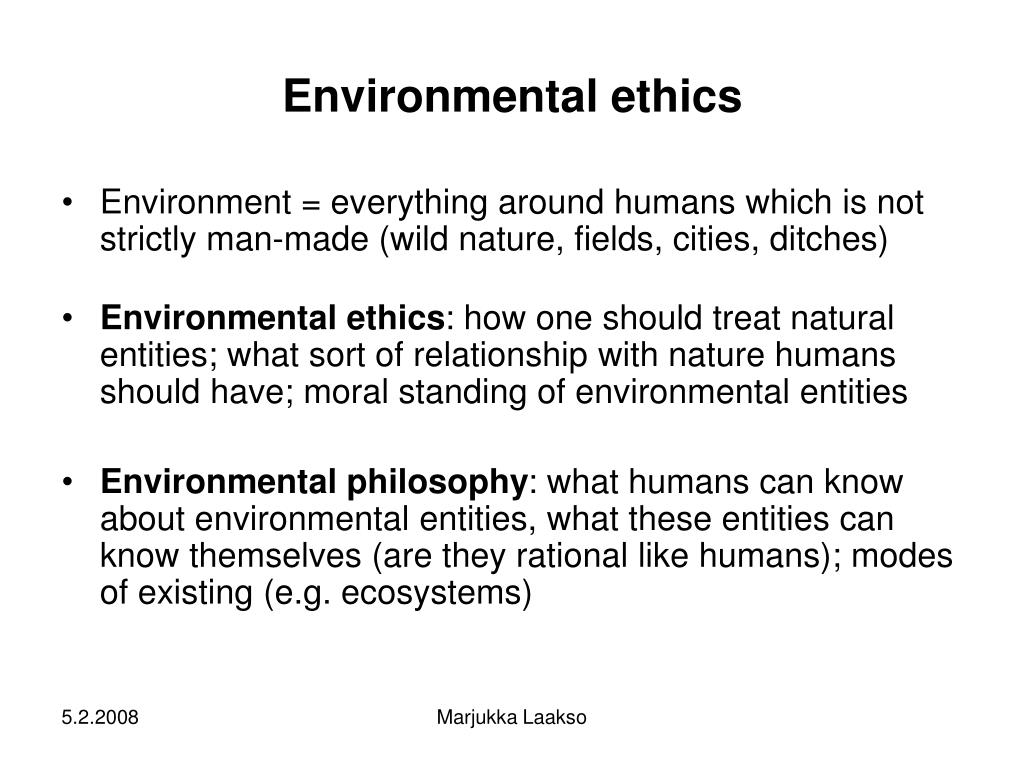
Investment Strategies Driven by Environmental Ethics
For the individual looking to build wealth through a side hustle, online income, or traditional stock market investing, there are several ways to apply environmental ethics to their financial journey.
Impact Investing vs. Socially Responsible Investing (SRI)
These are two primary methodologies for putting money to work ethically. Socially Responsible Investing (SRI) typically uses “negative screening”—meaning you exclude “sin stocks” like oil, tobacco, or weapons. It is a defensive ethical posture.
Impact Investing, however, is an offensive strategy. It seeks to generate measurable, beneficial environmental impact alongside a financial return. This might involve investing in a private equity fund that develops solar grids in emerging markets or a startup that creates biodegradable alternatives to plastic. For the modern investor, Impact Investing offers the dual satisfaction of growing a net worth while actively solving global crises.
Green Bonds and Sustainable Mutual Funds
The rise of the “Green Bond” market is one of the most significant developments in business finance. These are fixed-income instruments specifically earmarked to raise money for climate and environmental projects. For a retail investor, adding Green Bonds to a portfolio provides a stable income stream while ensuring the principal is used for things like building wind farms or improving public transit efficiency. Similarly, the explosion of ESG-themed ETFs (Exchange Traded Funds) has made it easier than ever for anyone with a brokerage account to align their money with their environmental values.
The Economic Reality of Environmental Neglect
Understanding environmental ethics is also about recognizing the “cost of doing nothing.” In the world of money, neglect has a price tag, often referred to as “transition risk.”
Regulatory Risks and the Cost of Non-Compliance
Governments around the world are rapidly implementing carbon taxes, plastic bans, and mandatory sustainability disclosures. A business that lacks an ethical environmental framework faces significant regulatory risk. Fines for pollution or the cost of retrofitting an entire factory to meet new standards can wipe out years of profit. Investors who ignore environmental ethics are essentially betting that governments will stop regulating the environment—a bet that has consistently lost money over the last decade.
Long-term Asset Valuation and Climate Resilience
Real estate is a prime example of where money and environmental ethics collide. A coastal property portfolio might look lucrative today, but without considering the ethical and practical implications of sea-level rise and flood insurance costs, that “asset” could quickly become a “liability.” Environmental ethics forces an investor to look 20 or 30 years into the future. It encourages the valuation of assets based on their resilience. Ethical investing in this context means buying into infrastructure and companies that are built to survive—and thrive—in a decarbonized world.
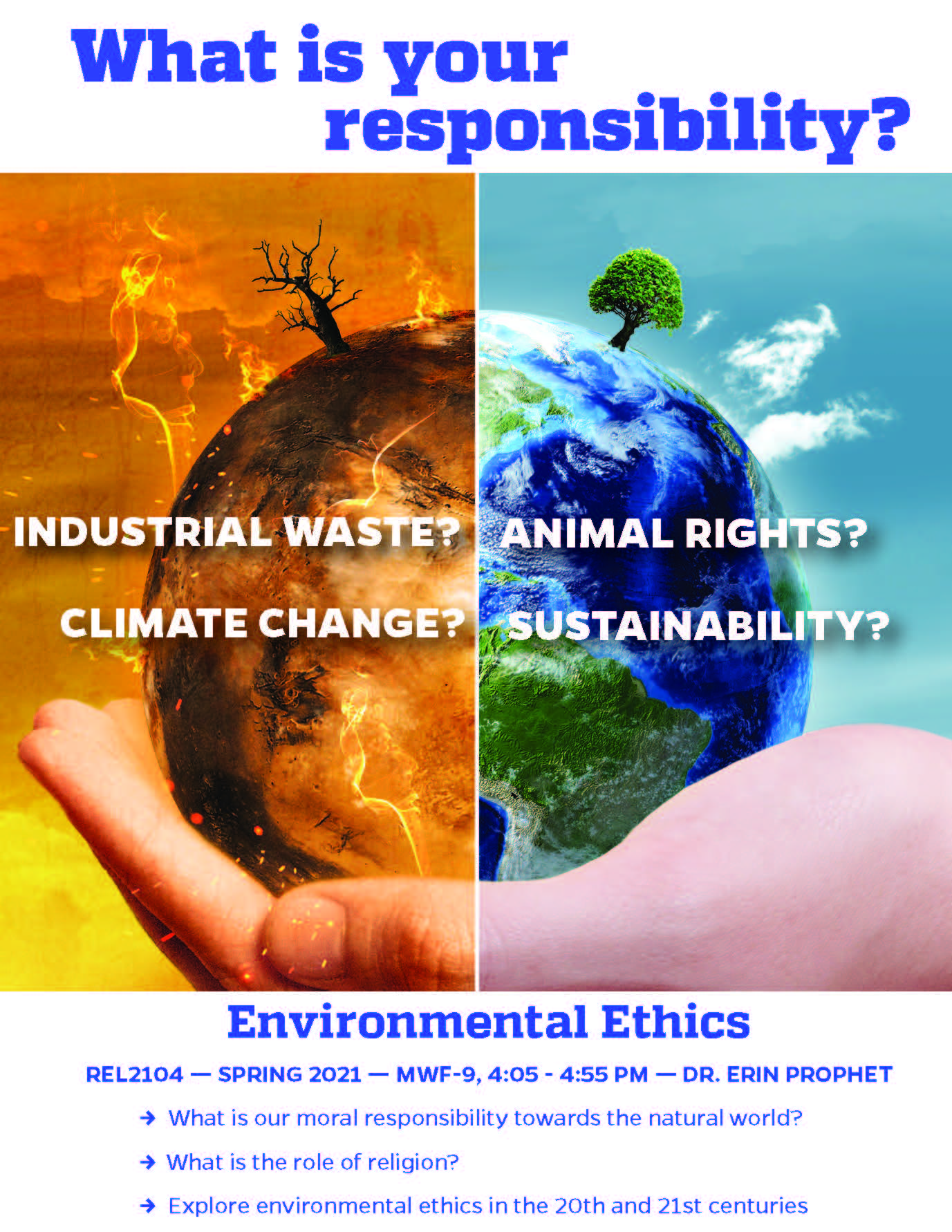
Conclusion: Building a Portfolio that Reflects Global Ethics
Environmental ethics is no longer a niche concern for the idealistic; it is a fundamental pillar of modern finance. As we have seen, the “E” in ESG is as much about protecting one’s capital as it is about protecting the planet. By integrating these principles into our financial decisions, we transition from being mere consumers of the economy to being active stewards of it.
Whether you are a professional trader, a small business owner, or someone just starting their journey in personal finance, the message is clear: the future of wealth is green. Investing with a conscience does not mean sacrificing returns; in fact, in the modern landscape, it may be the only way to ensure them. By choosing transparency over opacity, sustainability over exploitation, and long-term resilience over short-term gain, we can build a financial system that honors the environment that sustains it. In the end, there is no wealth on a dead planet, and the most ethical investment you can make is in the world’s continued ability to flourish.
aViewFromTheCave is a participant in the Amazon Services LLC Associates Program, an affiliate advertising program designed to provide a means for sites to earn advertising fees by advertising and linking to Amazon.com. Amazon, the Amazon logo, AmazonSupply, and the AmazonSupply logo are trademarks of Amazon.com, Inc. or its affiliates. As an Amazon Associate we earn affiliate commissions from qualifying purchases.