
The Russian economy, a complex interplay of vast natural resources, historical legacies, and geopolitical forces, represents one of the world’s major financial and industrial systems. Characterized by its immense scale, strategic importance, and a unique blend of state influence and market mechanisms, understanding its intricacies is crucial for investors, businesses, and policymakers alike. At its core, Russia’s economic structure is heavily reliant on its abundant natural resources, particularly oil and natural gas, which have historically fueled its growth and shaped its global standing.
A Historical Perspective on Russia’s Economic Evolution
To grasp the current state of Russia’s economy, one must acknowledge its profound transformations over the past century, moving from a centrally planned socialist system to a market-oriented framework, albeit with significant state participation.
From Soviet Central Planning to Market Reforms
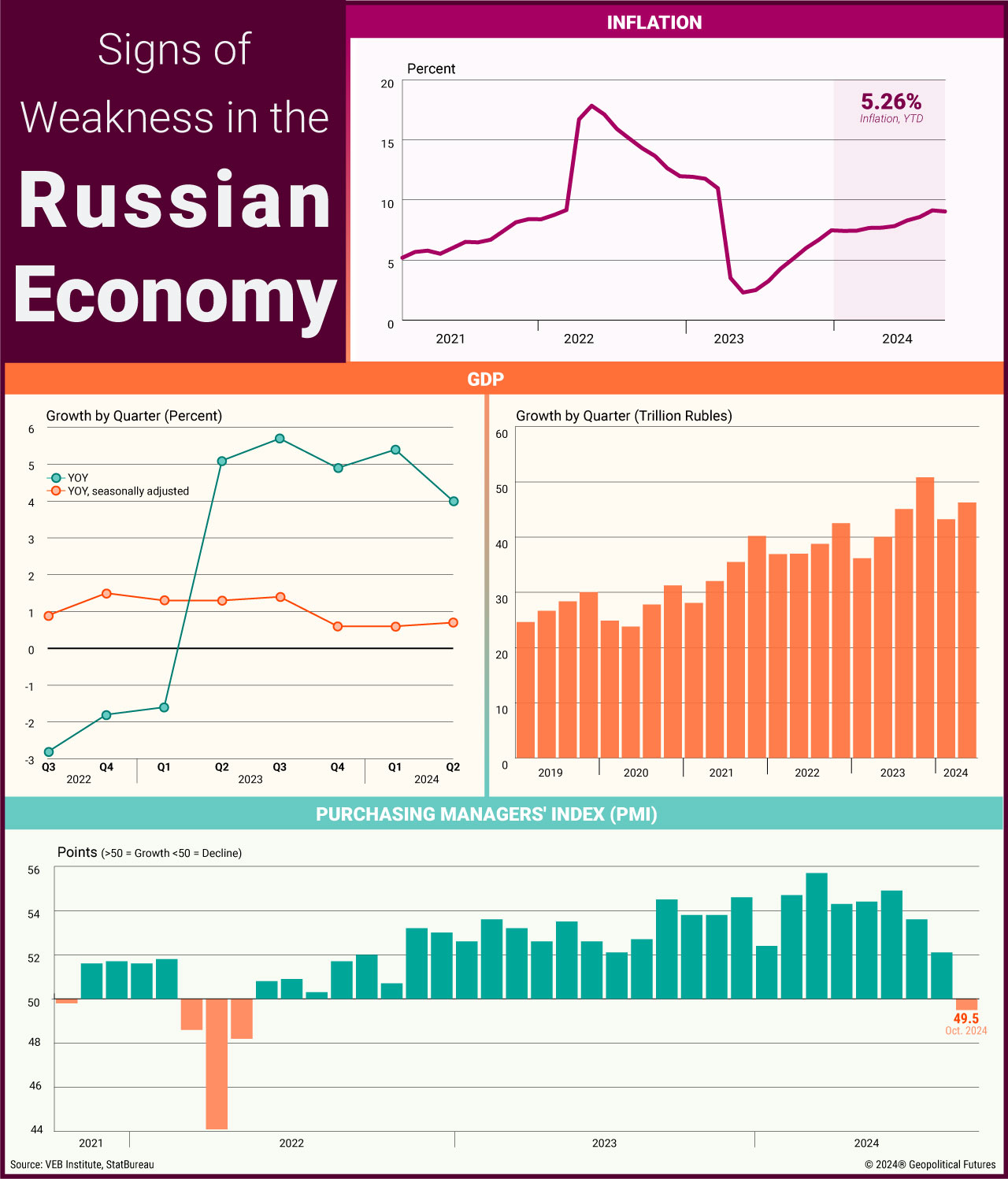
The economic landscape of Russia underwent a dramatic metamorphosis following the collapse of the Soviet Union in 1991. The transition from a command economy, where the state controlled all means of production and distribution, to a market economy was fraught with challenges. The initial period of “shock therapy” privatized thousands of state-owned enterprises, liberalized prices, and opened the economy to international trade and investment. This era, while laying the groundwork for market institutions, also led to significant economic volatility, hyperinflation, and a widening wealth gap. Over time, successive governments have sought to stabilize the economy, curb corruption, and strengthen state control in key strategic sectors, resulting in a hybrid model that balances market principles with a significant degree of governmental oversight and direct ownership.
The Resource-Rich Foundation
Russia’s vast territory is endowed with unparalleled natural resource wealth. From the oil and gas fields of Siberia to the extensive mineral deposits across its landmass, these resources have always been the bedrock of its economic power. During the Soviet era, these resources were centrally managed and used to fuel industrialization and military strength. In the post-Soviet period, the export of these commodities, particularly hydrocarbons, became the primary driver of economic growth and government revenue. This reliance, while providing substantial financial inflows, also exposes the economy to the volatility of global commodity prices, a persistent challenge in its development trajectory.
Key Pillars and Sectors of the Russian Economy
The modern Russian economy is dominated by a few key sectors, with a significant role played by state-owned corporations that control critical industries.
The Dominance of Hydrocarbons
Oil and natural gas represent the undisputed backbone of the Russian economy. Russia is one of the world’s largest producers and exporters of both crude oil and natural gas. Companies like Gazprom (natural gas) and Rosneft (oil) are not only major players on the global energy stage but also crucial to the Russian state’s revenue generation, contributing a substantial portion to the federal budget. The energy sector’s performance dictates much of the nation’s economic health, influencing everything from currency stability to investment decisions. Pipelines transporting these resources crisscross the continent, making Russia an indispensable energy supplier to many European and Asian countries, despite recent geopolitical shifts attempting to reduce this reliance.
Other Significant Industries
Beyond hydrocarbons, several other sectors contribute meaningfully to the Russian economy:
- Mining: Russia is rich in various other mineral resources, including coal, iron ore, nickel, platinum, gold, and diamonds. The mining sector is a significant exporter and provides raw materials for domestic industries.
- Agriculture: While historically a challenge, Russia has seen a resurgence in its agricultural sector, becoming a major global exporter of wheat and other grains. This sector benefits from vast arable land and government support, contributing to food security and export revenues.
- Defense and Aerospace: As a major military power, Russia maintains a substantial defense industry, manufacturing and exporting a wide range of weaponry and aerospace technology. This sector is a significant employer and a driver of technological innovation.
- Metallurgy: Leveraging its rich mineral deposits, Russia’s metallurgical industry produces steel, aluminum, and other metals, serving both domestic construction and manufacturing needs and significant export markets.
- Information Technology (IT): While smaller in scale compared to energy, Russia’s IT sector has shown pockets of innovation and growth, particularly in software development, cybersecurity, and telecommunications. Government initiatives aim to foster further development and reduce reliance on foreign technology.
The Role of State-Owned Enterprises
A defining characteristic of the Russian economy is the pervasive influence of state-owned enterprises (SOEs). These entities, often dominant in strategic sectors like energy, banking, transportation, and defense, exert significant control over economic activity. While critics point to potential inefficiencies and stifled competition, proponents argue that SOEs ensure national strategic interests are met, provide stability, and enable large-scale infrastructure projects. The interplay between state corporations and private businesses creates a unique economic environment where government policy and corporate strategy are often deeply intertwined.
Navigating Economic Challenges and External Factors
The Russian economy constantly navigates a complex array of internal and external challenges, from geopolitical pressures to the imperative for diversification.
Sanctions and Geopolitical Influences

Since 2014, and significantly intensified in 2022, Russia has faced extensive international sanctions targeting key sectors of its economy, including finance, energy, and technology. These sanctions have aimed to limit Russia’s access to international capital markets, advanced technology, and energy export revenues. While imposing costs, the Russian economy has also shown a remarkable degree of resilience and adaptability, reorienting trade flows, developing import substitution strategies, and strengthening economic ties with non-Western partners, particularly in Asia. The long-term impact of these sanctions continues to evolve, influencing inflation, investment, and technological development.
Diversification Efforts and Innovation Potential
A long-standing objective for Russian economic policy has been to reduce its over-reliance on hydrocarbon exports and diversify into high-tech, manufacturing, and service industries. Efforts include creating special economic zones, providing incentives for innovation, and investing in human capital. While progress has been made in certain areas, such as agriculture and parts of the IT sector, the fundamental structure remains heavily commodity-dependent. Achieving sustained, diversified growth requires significant structural reforms, improved investment climate, and fostering a more dynamic entrepreneurial ecosystem.
Demographic Trends and Labor Market Dynamics
Like many developed nations, Russia faces demographic challenges, including a declining working-age population and an aging society. These trends pose long-term risks to labor supply, productivity, and the sustainability of social welfare systems. The labor market is also shaped by a significant skills gap in certain high-tech areas, alongside a demand for skilled workers in traditional industries. Government policies focus on improving healthcare, incentivizing higher birth rates, and attracting skilled labor, while also investing in education and vocational training to match skills with economic needs.
Financial Landscape and Investment Considerations
The financial sector plays a critical role in allocating capital, managing risk, and facilitating economic transactions within Russia and internationally.
Monetary Policy and Inflation Management
The Central Bank of Russia (CBR) is responsible for monetary policy, primarily focused on maintaining price stability. It employs tools such as interest rate adjustments, reserve requirements, and foreign exchange interventions. The CBR has generally demonstrated a commitment to an inflation-targeting regime, which has helped to anchor inflation expectations, though geopolitical events and global commodity prices often present significant challenges to this objective. The stability of the ruble, while influenced by oil prices, is also a key indicator of economic confidence and the effectiveness of monetary policy.
Banking Sector and Capital Markets
Russia’s banking sector is dominated by several large, state-controlled banks, such as Sberbank and VTB, which hold a significant share of assets and serve a broad base of corporate and retail clients. While the sector has undergone consolidation and modernization, it has also been a target of international sanctions, limiting its access to global financial systems. Russia’s capital markets, including the Moscow Exchange (MOEX), facilitate equity and bond trading. However, geopolitical risks and sanctions have reduced foreign participation and liquidity, leading to a greater focus on domestic investors and alternative financial channels.
Foreign Direct Investment (FDI) Climate
Historically, Russia has attracted significant foreign direct investment, particularly in its energy and raw materials sectors, but also in consumer goods and services. However, the investment climate has been heavily impacted by geopolitical tensions, sanctions, and concerns about regulatory predictability and the rule of law. While certain sectors remain attractive, and efforts are made to improve the ease of doing business, FDI flows have become more selective and are often channeled through less scrutinized avenues, reflecting the current geopolitical environment.
Outlook and Future Trajectories
The Russian economy stands at a pivotal juncture, continuously adapting to both internal imperatives and external pressures.
Resilience and Adaptability
Despite numerous economic shocks and sanctions, the Russian economy has repeatedly demonstrated resilience. This adaptability stems from a combination of prudent macroeconomic management, robust foreign exchange reserves, a willingness to reorient trade and financial flows, and the ability to leverage its natural resource wealth. The government has implemented various support measures for businesses and citizens, mitigating some of the immediate impacts of external pressures. However, this resilience often comes at the cost of long-term growth potential and increased isolation from key global markets.
Long-Term Growth Prospects and Risks
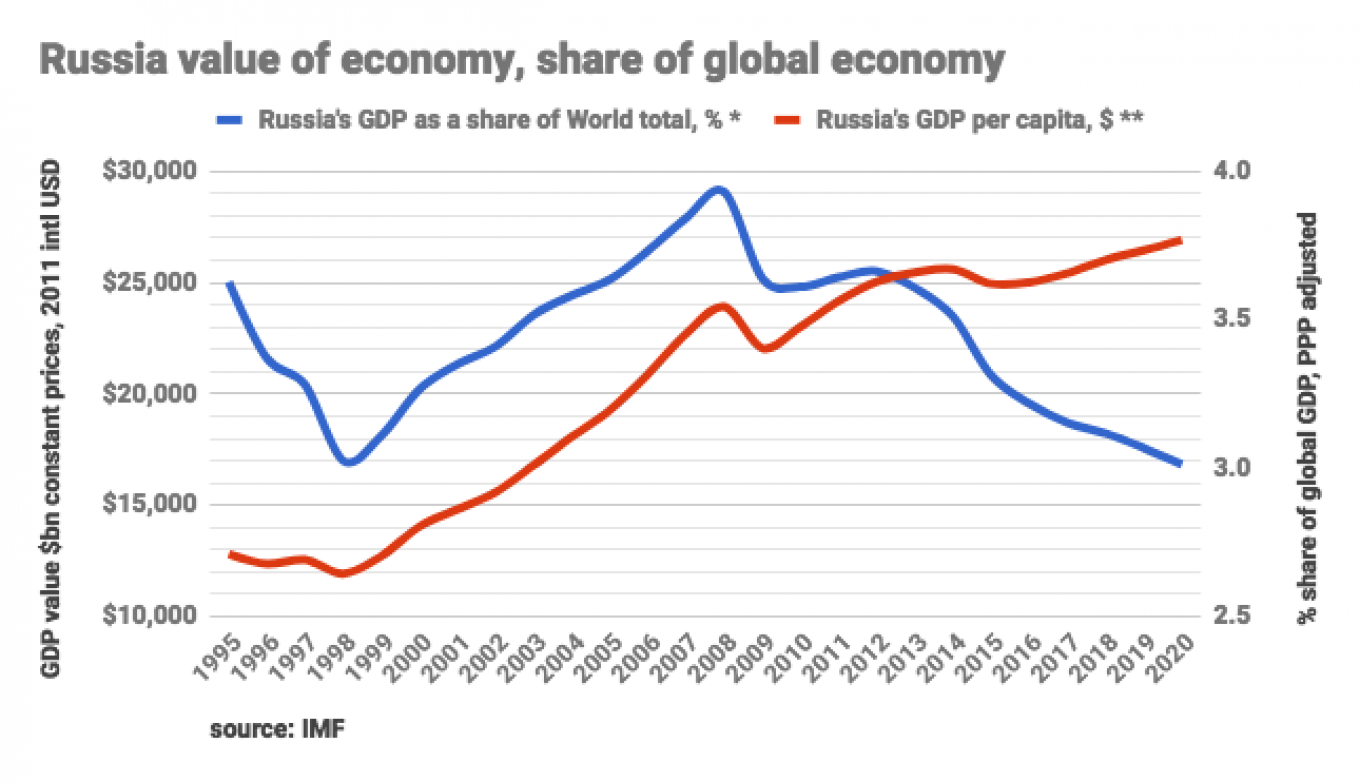
The long-term growth prospects for the Russian economy hinge on its ability to achieve genuine diversification, improve productivity through technological advancement, and enhance its institutional framework. Risks include sustained international isolation, continued reliance on volatile commodity markets, demographic pressures, and the need for significant investment in infrastructure and human capital. Future trajectories will likely involve deeper economic integration with non-Western partners, continued efforts at import substitution, and a strategic focus on leveraging domestic capabilities in sectors deemed critical for national sovereignty and economic stability. Understanding these dynamics is essential for any financial analysis pertaining to Russia’s economic future.
aViewFromTheCave is a participant in the Amazon Services LLC Associates Program, an affiliate advertising program designed to provide a means for sites to earn advertising fees by advertising and linking to Amazon.com. Amazon, the Amazon logo, AmazonSupply, and the AmazonSupply logo are trademarks of Amazon.com, Inc. or its affiliates. As an Amazon Associate we earn affiliate commissions from qualifying purchases.