
Embarking on the entrepreneurial journey can be both exhilarating and daunting. For many aspiring business owners, the initial hurdle isn’t a lack of ideas or ambition, but rather the perceived complexity and monumental capital required to launch. The quest for “the easiest business to start” often stems from a desire to minimize risk, reduce upfront investment, and quickly transition from concept to cash flow. However, “easy” is a subjective term, encompassing more than just financial outlay. It involves leveraging existing skills, understanding market demand, and navigating the initial setup with minimal friction. This article delves into what truly constitutes an “easy” business to start, exploring various models that offer low barriers to entry and practical steps to get you off the ground, all within the realm of prudent financial decision-making and wealth creation.
Defining “Easiest”: Beyond Just Low Cost
When we talk about the easiest business to start, it’s crucial to look beyond merely the lowest financial investment. While capital expenditure is a significant factor, “easy” also encompasses the simplicity of operations, the learning curve involved, and the speed at which one can begin generating income. A truly easy business minimizes friction across multiple dimensions, allowing new entrepreneurs to focus on delivering value rather than getting bogged down in intricate logistics or legal complexities.
Low Barrier to Entry
A low barrier to entry means that specialized qualifications, extensive training, or proprietary technology are not prerequisites. Such businesses can often be started with skills you already possess or can acquire quickly. For instance, if you’re a skilled writer, offering freelance writing services has a low barrier to entry. You already have the core skill; you just need to market it. This contrasts sharply with, say, starting a biotech firm, which would require advanced degrees, significant research, and specialized equipment. The easier the entry, the quicker you can begin, reducing the psychological and financial burden of getting started.
Minimal Initial Investment
This is arguably the most common interpretation of “easiest.” Businesses that require little to no upfront capital are attractive because they significantly reduce financial risk. This often translates to home-based or online businesses where overheads like rent, inventory, and employees are either non-existent or kept to an absolute minimum. Think about starting a social media management service from your laptop versus opening a brick-and-mortar retail store. The former might only cost you an internet connection and perhaps some subscription tools, while the latter demands thousands, if not tens of thousands, in initial capital.
Leveraging Existing Skills
The easiest businesses often tap into your current strengths, hobbies, or professional experience. Instead of learning an entirely new trade, you’re monetizing what you already know how to do well. This dramatically shortens the learning curve and allows you to provide high-quality services or products from day one. A graphic designer can easily start a freelance design business. A passionate chef can launch a small catering service. This approach not only makes the startup process smoother but also enhances your confidence and credibility with potential clients.
Quick Setup and Scalability
An easy business should also be quick to set up, allowing you to validate your idea and start earning relatively quickly. This means minimal red tape, straightforward operational processes, and a clear path to finding your first customers. Furthermore, the easiest businesses often possess inherent scalability, meaning you can grow your income without necessarily proportional increases in effort or investment. Online businesses, for example, often have excellent scalability, as you can reach a global audience without needing physical expansion.
Top Contenders for Easy Online Businesses
The digital age has democratized entrepreneurship, making online ventures some of the most accessible and easiest businesses to start. These models typically boast low overheads, flexible hours, and the ability to reach a global customer base, aligning perfectly with our definition of “easy.”
Freelance Services (Writing, Design, Virtual Assistant)
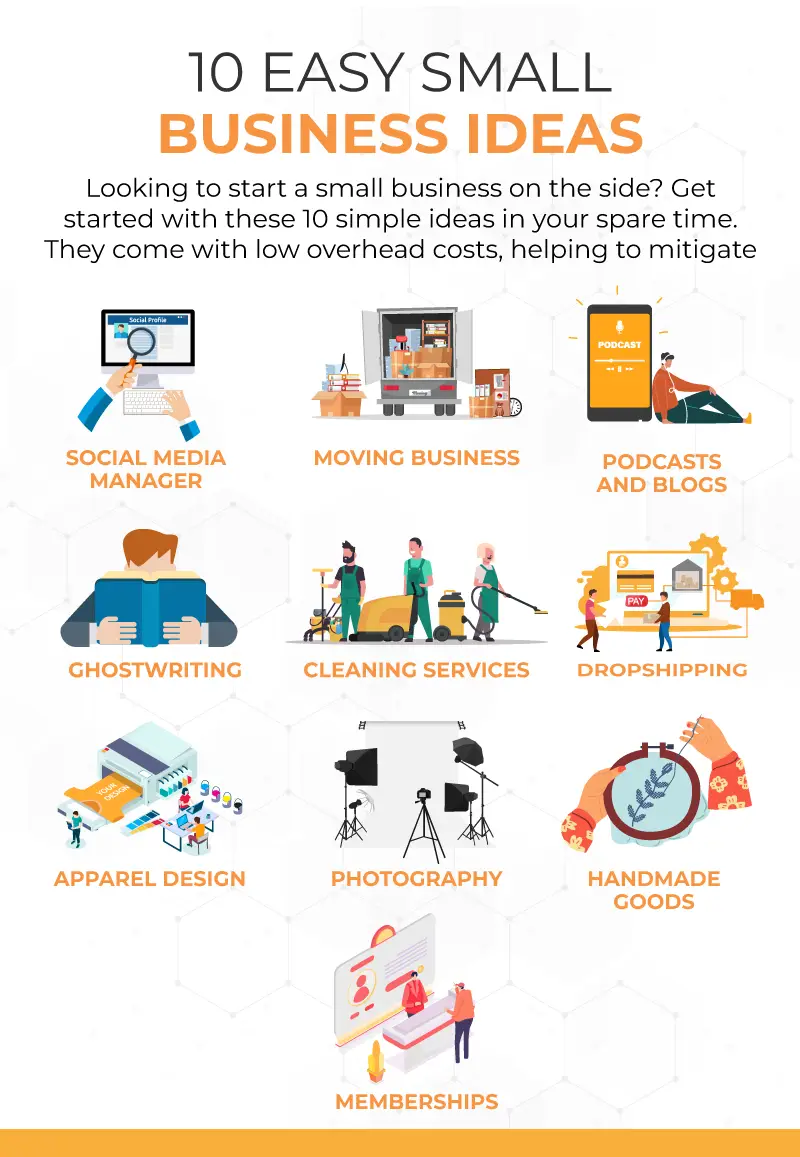
Offering freelance services is perhaps the quintessential easy business to start. If you have a marketable skill—be it writing, graphic design, web development, video editing, social media management, or administrative support (as a virtual assistant)—you can set up shop almost instantly. Platforms like Upwork, Fiverr, and LinkedIn provide immediate access to clients, though building a personal brand and network for direct clients is also crucial for long-term success. The initial investment is usually limited to a computer, internet access, and perhaps some professional software you already own. You set your own rates, choose your projects, and scale by taking on more clients or higher-value work.
Dropshipping and Print-on-Demand
These e-commerce models eliminate the need for inventory, one of the biggest capital drains in retail. With dropshipping, you set up an online store, market products from a third-party supplier, and when a customer buys, the supplier ships directly to them. Your role is primarily marketing and customer service. Print-on-demand is similar, but you design custom products (T-shirts, mugs, phone cases) which are then printed and shipped by a third party only after a customer places an order. Both significantly reduce upfront costs and logistics, though they require strong marketing skills to stand out in competitive markets.
Online Tutoring and Course Creation
If you have expertise in a particular subject, teaching it online is a fantastic way to start a business. Platforms like Chegg, TutorMe, or specialized niche sites allow you to offer live tutoring. For a more scalable approach, creating and selling online courses on platforms like Udemy, Teachable, or Kajabi lets you build an asset that generates passive income long after the initial creation effort. The setup primarily involves recording quality video and audio, structuring your content, and marketing your course to the right audience. Your passion and knowledge are your primary assets.
Content Creation (Blogging, Vlogging, Podcasting)
While not an overnight success model, content creation can evolve into a highly profitable and relatively easy business to start, especially if you enjoy sharing information or entertainment. Starting a blog, YouTube channel, or podcast requires minimal initial investment (a decent microphone for podcasting, a camera for vlogging, or just a laptop for blogging). Monetization typically comes through advertising, affiliate marketing, sponsorships, or selling your own products/services. The “ease” here comes from leveraging your voice and perspective, with consistency and quality being the main drivers of growth.
Affiliate Marketing
Affiliate marketing involves promoting other companies’ products or services. When someone makes a purchase through your unique affiliate link, you earn a commission. This can be integrated into a blog, social media presence, or even dedicated review sites. The beauty of affiliate marketing is that you don’t need to create your own products, handle inventory, or deal with customer service. Your main task is to drive traffic and build trust with your audience to recommend relevant offerings. The initial investment is often just the cost of setting up a website or social media presence and generating content.
Service-Based Businesses with Low Startup Costs
Beyond the purely online realm, many traditional service-based businesses can be remarkably easy and inexpensive to start, particularly if they cater to local needs or niche markets. These often rely on manual skills, personal connections, and a strong work ethic more than substantial capital.
Local Service Provision (Cleaning, Pet Sitting, Handyman)
The demand for reliable local services is evergreen. Starting a cleaning service, pet-sitting business, dog-walking service, or offering handyman repairs requires minimal startup capital. You likely already possess the basic tools for many of these, and your primary investment will be in local marketing (flyers, social media groups, word-of-mouth), insurance, and perhaps some initial supplies. Your reputation and reliability will be your strongest assets, leading to repeat business and referrals. These businesses offer a clear path to direct income and can be scaled by taking on more clients or eventually hiring help.
Consulting and Coaching
If you have specialized knowledge or experience in a particular industry (e.g., marketing, finance, career development, wellness), offering consulting or coaching services can be incredibly easy to start. Your expertise is the product. Initial costs are negligible, often limited to professional branding (website, business cards), networking, and communication tools. You can start by leveraging your existing professional network, offering your services on platforms like LinkedIn, or creating a niche website to attract clients. The profit margins can be very high, as your time and knowledge are the core assets.
Event Planning (Niche Focus)
While large-scale event planning can be complex, focusing on a niche can make it an easier entry point. Think about specializing in children’s birthday parties, small corporate gatherings, intimate weddings, or virtual events. This reduces the scope and complexity significantly. Your initial investment would be in building a portfolio (even with mock events), networking with local vendors, and creating a strong online presence. Your organizational skills, creativity, and ability to manage details are paramount. You often get paid deposits upfront, minimizing your out-of-pocket expenses for client events.
Personal Shopping/Styling
For those with a keen eye for fashion, interior design, or gift curation, offering personal shopping or styling services can be a rewarding and low-cost venture. Clients might hire you to select clothing, decorate a room, or find the perfect gift. Your “inventory” is the entire retail market, and your expertise is your product. Initial costs involve building a portfolio (which can include your own styled outfits or home), networking, and perhaps a simple website or social media presence to showcase your work. This business relies heavily on your aesthetic judgment and ability to understand and cater to client tastes.
Key Steps to Launching Your Easy Business
Even the “easiest” business requires a systematic approach to ensure success. Skipping crucial foundational steps can lead to unnecessary complications down the line. Fortunately, these steps can be streamlined for low-cost, low-complexity ventures.
Market Research and Niche Identification
Don’t just jump in. Spend a little time understanding who your potential customers are, what problems they need solved, and how your skills or services can meet that need. Identify a specific niche where you can excel and stand out. For example, instead of “graphic design,” consider “graphic design for local small businesses” or “social media graphics for real estate agents.” A clear niche makes marketing easier and allows you to become an expert in a focused area, attracting clients willing to pay for specialized services.
Crafting a Simple Business Plan
For an easy business, you don’t need a 50-page document. A lean business plan on a single page or a few bullet points is sufficient. Outline:
- What you offer: Your core product or service.
- Who your customers are: Your target audience.
- How you’ll reach them: Your marketing strategy.
- How you’ll make money: Your pricing model and revenue streams.
- Your initial costs: A realistic budget for setup.
- Your financial goals: What you aim to earn.
This minimal plan provides clarity and direction without becoming an obstacle.
Legalities and Registrations (Keep it Lean)
The legal structure for an easy, small business is often simple. For solopreneurs, a sole proprietorship is common due to its simplicity, though it doesn’t offer personal liability protection. Consider forming an LLC (Limited Liability Company) early on for better protection, especially if your business involves potential risks or higher revenue. Register your business name if required by your local government, and obtain any necessary local permits or licenses. For many online service businesses, these steps are minimal initially, but it’s wise to consult with a legal professional to ensure compliance and peace of mind as you grow.
Marketing Your Services (Affordable Strategies)
With minimal budget, focus on cost-effective marketing. Leverage social media platforms relevant to your audience (LinkedIn for B2B, Instagram for visuals, Facebook Groups for local services). Network extensively, both online and offline. Word-of-mouth is incredibly powerful for service businesses; incentivize referrals. Create a simple, professional website or landing page showcasing your services and testimonials. Offer initial discounts or free consultations to attract early clients and build a portfolio. Content marketing (blogging, simple videos) can also establish your expertise over time.
Financial Management from Day One
Even with a simple business, good financial habits are crucial. Open a separate bank account for your business, even if you’re a sole proprietor. Track all income and expenses meticulously. Use simple accounting software or even a spreadsheet to monitor cash flow. Understand your pricing model to ensure profitability after accounting for your time and any minimal expenses. Setting clear financial goals and regularly reviewing your performance will help you make informed decisions and ensure your “easy” business remains sustainable and profitable.
Overcoming Common Hurdles and Sustaining Growth
While starting a business can be easy, sustaining and growing it presents its own set of challenges. Entrepreneurs in low-barrier-to-entry businesses must be proactive in managing their time, finances, and continuous learning to ensure long-term success.
The Importance of Discipline and Consistency
One of the biggest hurdles for solo entrepreneurs in easy-to-start businesses is maintaining discipline. Without a boss or strict schedule, it’s easy to procrastinate or lose focus. Establish a routine, set daily and weekly goals, and hold yourself accountable. Consistency in delivering quality service, marketing efforts, and client communication is paramount to building a strong reputation and a steady flow of business. Remember, even the easiest businesses require consistent effort to thrive.
Learning and Adapting Continuously
The business landscape, especially online, is constantly evolving. What works today might be obsolete tomorrow. Be a perpetual learner. Stay updated on industry trends, new tools, and marketing strategies. Seek feedback from clients and be willing to adapt your services or offerings. This agility is a significant advantage for smaller, easier-to-start businesses compared to larger, more rigid corporations. Embracing continuous improvement ensures your business remains relevant and competitive.
Smart Financial Management for Sustainability
As your business grows, financial management becomes even more critical. Reinvest a portion of your profits back into the business for tools, training, or strategic marketing. Build an emergency fund for your business. Understand your tax obligations and plan for them. Avoid unnecessary expenses, but don’t shy away from investing in things that genuinely improve efficiency or client experience. Sustainable growth comes from smart financial decisions that balance immediate needs with long-term goals.

When to Scale Up and Reinvest
At some point, you might find yourself overwhelmed with demand, a clear sign it’s time to scale. This could mean raising your rates, outsourcing specific tasks (like administrative work or marketing), or even hiring your first employee or contractor. Before scaling, evaluate if your current processes are efficient and if your niche is still profitable. Reinvest profits strategically into areas that offer the highest return, whether it’s improved technology, professional development, or expanding your service offerings. Scaling an “easy” business effectively means evolving its structure without losing the simplicity and agility that made it easy to start in the first place.
In conclusion, starting a business doesn’t have to be a monumental undertaking laden with financial risk. By understanding what truly defines “easiest” — a combination of low barriers to entry, minimal investment, leverage of existing skills, and quick setup — aspiring entrepreneurs can identify numerous viable paths. Whether leveraging digital platforms for freelance services, e-commerce, or content creation, or tapping into local needs with service-based ventures, the opportunities are abundant. Success hinges not just on the initial ease of launch, but on consistent effort, smart financial management, and a commitment to continuous learning and adaptation. With the right mindset and strategic steps, your journey into entrepreneurship can indeed be both accessible and profoundly rewarding.
aViewFromTheCave is a participant in the Amazon Services LLC Associates Program, an affiliate advertising program designed to provide a means for sites to earn advertising fees by advertising and linking to Amazon.com. Amazon, the Amazon logo, AmazonSupply, and the AmazonSupply logo are trademarks of Amazon.com, Inc. or its affiliates. As an Amazon Associate we earn affiliate commissions from qualifying purchases.