
To the casual observer, the home of the Philadelphia Eagles is simply a massive architectural feat of steel and glass where 70,000 fans gather to cheer. However, to the strategist, the answer to “what is the eagles stadium called” reveals a multi-decade masterclass in brand positioning, corporate identity, and the psychology of naming rights. The stadium is officially known as Lincoln Financial Field, often affectionately shortened to “The Linc” by the local community. While the name is a staple of the Philadelphia skyline, its existence is the result of one of the most successful and enduring brand partnerships in professional sports history.
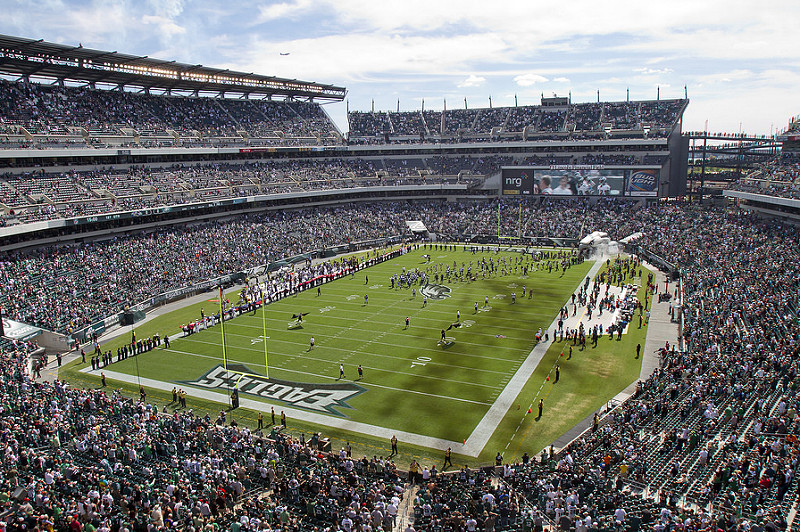
Since opening its doors in 2003, Lincoln Financial Field has served as more than just a venue; it is a primary touchpoint for the Lincoln Financial Group, a Fortune 250 company. The decision to name a stadium is never merely about a sign on a building; it is an exercise in brand equity, linguistic integration, and long-term market presence. In an era where consumer attention is the most valuable currency, the naming of the Eagles’ stadium represents a strategic anchor for both the franchise and its corporate partner.
The Birth of “The Linc”: A New Era for Philadelphia Branding
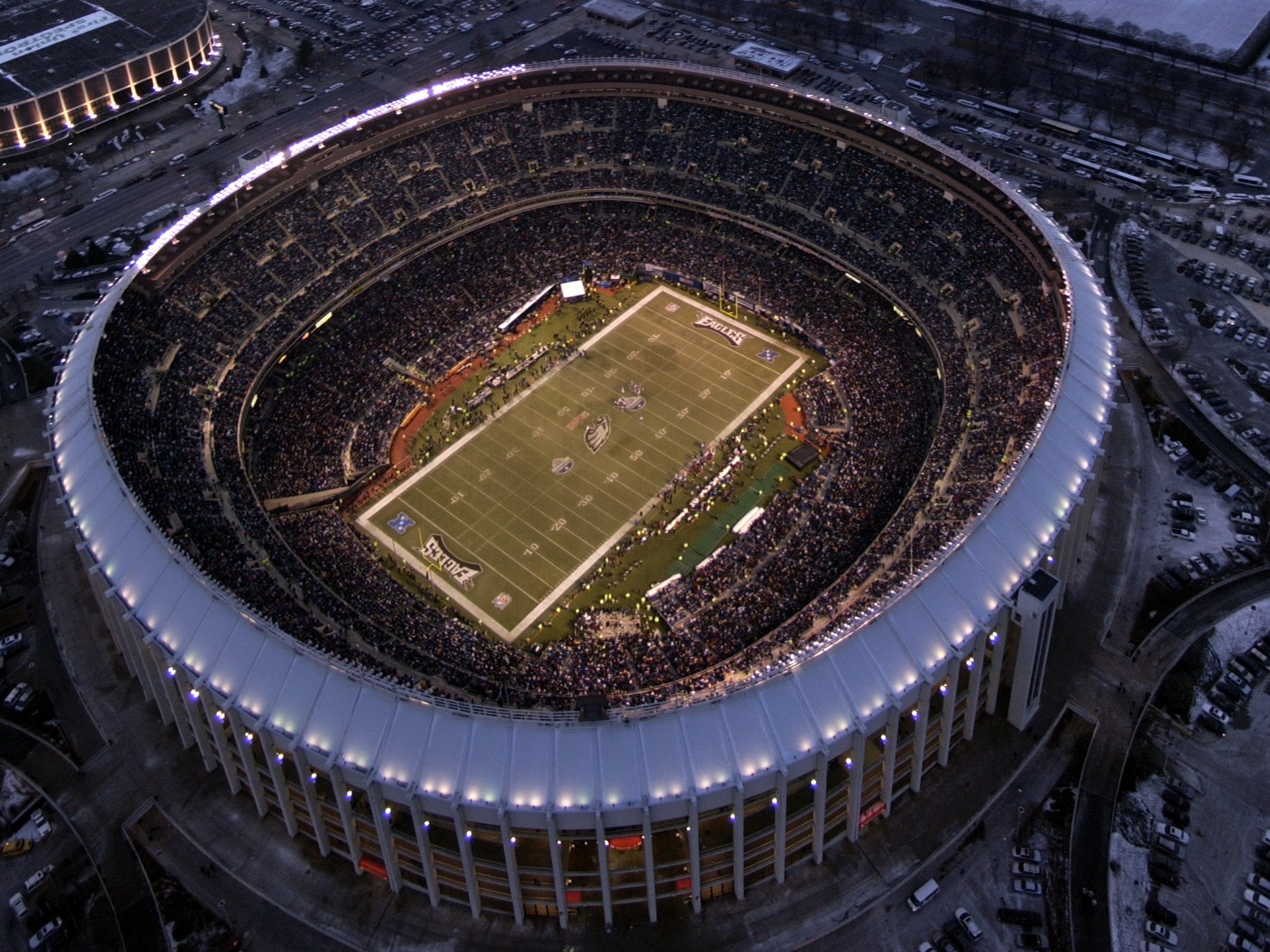
Before the arrival of Lincoln Financial Field, the Philadelphia Eagles shared a home with the Philadelphia Phillies at Veterans Stadium. “The Vet” was a multi-purpose municipal facility that carried a brand identity rooted in utility, grit, and public service. However, by the late 1990s, the shift in professional sports marketing demanded a transition from municipal identity to premium corporate branding.
When the Eagles sought to build a state-of-the-art facility dedicated specifically to football, they didn’t just need a stadium; they needed a brand identity that reflected the rising valuation of the NFL. In 2002, a year before the stadium’s completion, the Lincoln Financial Group secured the naming rights in a deal worth approximately $139.6 million over 20 years. This was a transformative moment for the company’s brand strategy.
From Name to Landmark
The challenge for any brand entering a naming rights agreement is the “landmark effect.” If a brand name is clunky or fails to resonate with the local culture, the public will often ignore it in favor of a generic description. Lincoln Financial Group avoided this pitfall by allowing the brand to become synonymous with the “South Philadelphia Sports Complex” experience. The transition from Veterans Stadium to Lincoln Financial Field signaled a move from the “old guard” of shared, utilitarian spaces to a new era of “lifestyle branding,” where the stadium experience is curated to reflect premium quality and financial stability—core tenets of the Lincoln Financial brand.
The Power of Linguistic Integration
One of the most significant successes of this branding exercise is the organic adoption of the nickname “The Linc.” In the world of brand strategy, having your brand name abbreviated into a popular, catchy, and positive colloquialism is the ultimate victory. It moves the brand from a formal corporate title to a part of the everyday lexicon. When fans say they are “going to The Linc,” they are engaging in a brand interaction that feels personal rather than commercial.
The Economics of Identity: Why Naming Rights Matter
The question of what the Eagles stadium is called is inextricably linked to the value of “passive impressions.” For Lincoln Financial Group, the stadium name acts as a massive, permanent billboard in the fourth-largest media market in the United States. However, the brand strategy goes much deeper than visibility.
Brand Association and the “Halo Effect”
In marketing, the “Halo Effect” occurs when a consumer’s positive feelings about one entity (the Philadelphia Eagles) spill over onto another entity associated with it (Lincoln Financial). By tethering their name to a beloved sports franchise, Lincoln Financial Group inherits the passion, loyalty, and community spirit of the Eagles’ fan base. Every time a national broadcaster mentions “Lincoln Financial Field” during a Monday Night Football game, the brand is positioned alongside high-stakes drama, excellence, and elite performance.
Longevity as a Brand Trust Signal
In 2019, the Eagles and Lincoln Financial Group announced an extension of their naming rights agreement through 2032. This extension is a critical component of their corporate identity. In an age where stadium names change frequently due to corporate mergers or financial instability, the longevity of “Lincoln Financial Field” serves as a signal of strength and reliability. For a company that specializes in life insurance, annuities, and retirement plan services, “reliability” and “longevity” are the most important brand attributes they can communicate. The name on the stadium isn’t just a marketing tactic; it is a visual representation of the company’s promise to be there for the long haul.
Building a “Green” Brand: The Linc’s Identity as an Eco-Leader
Modern brand strategy requires more than just a logo and a name; it requires a set of values. Lincoln Financial Field has become a central pillar of the Eagles’ “Go Green” program, which has fundamentally reshaped the stadium’s brand identity. Today, when people ask what the Eagles stadium is called, the name is increasingly associated with sustainability and corporate social responsibility (CSR).
Integrating Purpose into Brand Architecture
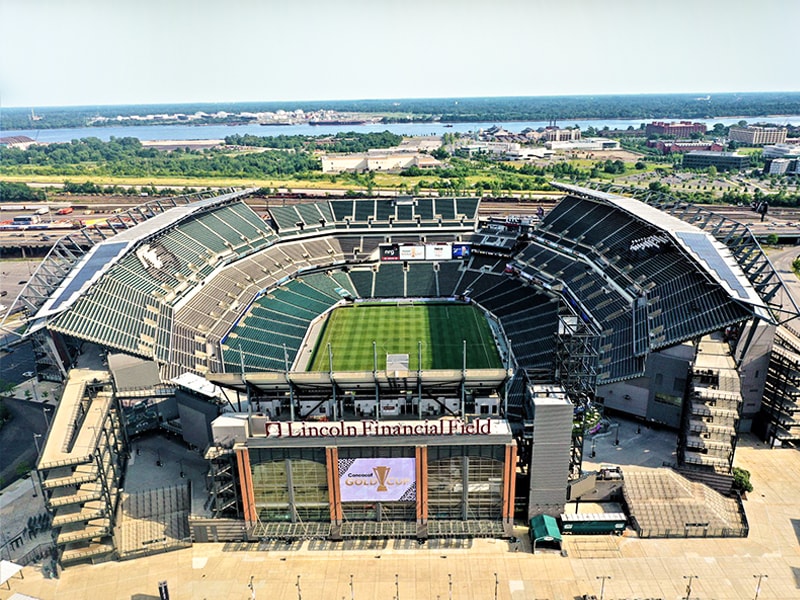
The stadium is one of the most environmentally friendly venues in the world. With over 11,000 solar panels and several micro-wind turbines, the facility produces enough energy to power every home game. From a branding perspective, this positions Lincoln Financial Field as a forward-thinking, innovative entity. It aligns the “Lincoln” name with global trends toward environmental consciousness.
The Impact on B2B and B2C Marketing
This commitment to sustainability enhances the brand’s appeal to both individual consumers and corporate partners. High-net-worth individuals and younger demographics increasingly favor brands that demonstrate ethical leadership. By transforming the physical stadium into a beacon of green energy, the brand moves beyond the financial sector and enters the conversation of global citizenship. The “Green Brand” identity at Lincoln Financial Field proves that naming rights can be used to showcase a company’s ethics, not just its name.
The Strategic Synergy of the Eagles-Lincoln Partnership
The partnership between the Eagles and Lincoln Financial Group is a benchmark for how two distinct brands can create a unified identity. This synergy is maintained through consistent touchpoints and a shared commitment to the Philadelphia community.
Co-Branding in the Digital Age
The name “Lincoln Financial Field” is not just found on the exterior of the building. It is embedded in every digital asset associated with the team. From the Eagles’ official mobile app to social media hashtags, the brand is woven into the digital experience of the fan. This ensures that the corporate identity is present throughout the “customer journey,” from the moment a fan buys a ticket online to the moment they walk through the gates.
Community Engagement and Brand Sentiment
A brand is defined by how people feel about it. To ensure positive sentiment, the naming rights agreement includes various community initiatives. The “Lincoln Financial Field” brand is associated with charity events, youth football clinics, and the Eagles Autism Foundation. By facilitating these community-focused efforts, the stadium’s name becomes a symbol of local support and philanthropy. This strategy mitigates the risk of “corporate coldness”—the common complaint that stadium names are nothing more than a sign of commercialism. Instead, the name becomes a symbol of the community’s heart.
Conclusion: The Stadium as a Brand Monument
When answering the question of what the Eagles stadium is called, one must look past the 20-foot letters on the side of the building. Lincoln Financial Field is a monument to modern brand strategy. It represents the successful convergence of high-stakes sports entertainment and sophisticated corporate marketing.
Through naming rights, Lincoln Financial Group has achieved a level of brand penetration that traditional advertising could never replicate. They have moved from being a provider of financial products to being a landmark in a major American city. They have transitioned from a corporate entity to a cultural participant.
As the partnership moves toward 2032, the name “Lincoln Financial Field” will continue to evolve. It will stand as a testament to the power of alignment, showing that when a brand chooses the right partner, its name becomes more than a title—it becomes an enduring part of the cultural fabric. For the Philadelphia Eagles and Lincoln Financial Group, the stadium is not just where they play the game; it is where the brand lives.
aViewFromTheCave is a participant in the Amazon Services LLC Associates Program, an affiliate advertising program designed to provide a means for sites to earn advertising fees by advertising and linking to Amazon.com. Amazon, the Amazon logo, AmazonSupply, and the AmazonSupply logo are trademarks of Amazon.com, Inc. or its affiliates. As an Amazon Associate we earn affiliate commissions from qualifying purchases.