
In the intricate world of pharmaceuticals, a drug is often more than just its chemical composition; it’s a meticulously crafted brand, imbued with history, trust, and a distinct identity. While “Dilantin” is recognized globally as the brand name for phenytoin, an antiepileptic medication, understanding “what it is” from a brand perspective unearths a fascinating narrative of corporate identity, market strategy, and enduring legacy. This exploration delves beyond the molecule, examining how Dilantin has established and maintained its powerful brand presence in a highly regulated and competitive healthcare landscape. It’s a case study in how scientific innovation, strategic marketing, and consistent quality converge to forge a pharmaceutical icon.
The Genesis of a Pharmaceutical Icon: From Discovery to Brand Incubation
The story of Dilantin as a brand begins not with marketing slogans, but with scientific breakthrough. Its journey from a novel chemical compound to a globally recognized name underscores the foundational role of innovation in pharmaceutical branding. The brand’s initial success and sustained relevance are deeply intertwined with the pioneering work that brought it into existence.
The Scientific Foundation: Phenytoin’s Breakthrough
Before Dilantin became a household name in neurology, its active ingredient, phenytoin, represented a monumental leap in the treatment of epilepsy. Discovered in 1908 and later identified by H. Houston Merritt and Tracy Putnam in 1936 as an effective anticonvulsant with fewer sedative side effects than existing treatments, phenytoin offered a new paradigm for patients living with seizures. This scientific distinction was the bedrock upon which the Dilantin brand would be built. The ability to provide effective seizure control without heavily impairing cognitive function immediately set it apart, creating an inherent value proposition that marketing efforts would later amplify. The very efficacy and novelty of the drug became its first and most powerful brand attributes.
Early Branding and Market Introduction
In 1939, Parke-Davis (which later became part of Pfizer) introduced phenytoin to the market under the brand name Dilantin. The choice of name itself was a crucial branding decision. “Dilantin” is concise, memorable, and distinct, helping prescribers and patients differentiate it from the generic chemical name and other medications. Early marketing efforts focused on educating physicians about the drug’s unique mechanism of action and its superior efficacy profile compared to bromides and barbiturates. This wasn’t merely product promotion; it was scientific dissemination bundled with a strong brand identity. Packaging, though rudimentary by today’s standards, played a role in visual identity, establishing a consistent look and feel that would become recognizable over decades. The clear association between the innovative science and the distinct brand name was meticulously fostered from the outset.
The Role of Brand in Establishing Trust and Authority
For a new, life-saving medication, establishing trust and authority is paramount. The Dilantin brand became synonymous with reliability and scientific rigor. This was achieved through consistent clinical evidence, endorsements from leading neurologists, and a commitment from Parke-Davis to quality manufacturing. In an era before extensive direct-to-consumer advertising, the brand’s reputation was built through professional channels: medical journals, conferences, and direct interactions with healthcare providers. The brand name provided a simple, powerful handle for complex medical information, assuring prescribers and patients of its legitimacy and therapeutic value. Dilantin wasn’t just a drug; it was a promise of improved quality of life for epilepsy patients, a promise carefully nurtured through its evolving brand identity.
Navigating the Brand Lifecycle: Growth, Maturity, and Generic Challenges
Like all brands, Dilantin has journeyed through various stages of its lifecycle, from rapid growth to a prolonged period of maturity. A significant challenge for any pioneering pharmaceutical brand is the inevitable arrival of generic competitors. Dilantin’s ability to maintain its brand equity through these phases offers valuable insights into enduring brand strategy.
Building Brand Equity in a Specialty Market
During its growth phase, Dilantin focused on solidifying its position within the neurology community. Brand equity was built by consistently demonstrating clinical effectiveness, safety, and a predictable pharmacological profile. Marketing efforts targeted specialists (neurologists) who were primary prescribers. This involved sponsoring medical education, publishing research, and maintaining a strong presence at scientific meetings. The brand’s differentiation wasn’t just in its active ingredient, but in the comprehensive support system and perceived quality associated with Parke-Davis. Patient support materials, though less common then, began to reinforce the brand message of care and efficacy. Consistency in dosage forms, packaging, and informational materials further cemented Dilantin’s reputation as a reliable and trustworthy treatment option, fostering a deep loyalty among healthcare professionals and patients alike.
The Onslaught of Generics: Protecting Brand Loyalty
The 1970s marked a pivotal turning point for Dilantin’s brand strategy with the emergence of generic phenytoin products. Once the patent expired, manufacturers could produce bioequivalent versions, often at a lower cost. This presented a significant threat to Dilantin’s market share and brand dominance. To counter this, Dilantin’s brand strategy shifted to emphasize the perceived differences and the established trust associated with the original product. Messages highlighted the importance of consistent bioavailability, quality control, and the extensive clinical experience behind the brand-name drug. While chemically identical, the brand aimed to instill a sense of security that generic versions, despite meeting regulatory standards, might not fully replicate. This strategy often leveraged healthcare providers’ and patients’ inherent caution when switching treatments for critical conditions like epilepsy, where minor variations could potentially have clinical consequences. The brand leaned into its heritage, its decades of safe and effective use, and the unspoken assurance that came with a known and trusted name.
Strategic Marketing in a Mature Product Phase
In its mature phase, Dilantin’s marketing evolved to focus on sustaining its strong brand presence amidst a crowded market. This involved a multi-pronged approach:
- Emphasis on Consistency: Reinforcing the message that Dilantin offers consistent drug delivery and predictable clinical outcomes, a critical factor for seizure control.
- Patient Support Programs: Investing in resources that help patients manage their condition, indirectly associating the brand with comprehensive care.
- Heritage Marketing: Leveraging its long history and established reputation as a “gold standard” in epilepsy treatment. This reminded prescribers of its proven track record and reliability.
- Targeted Outreach: Continuing to engage with neurology specialists, often through continuing medical education (CME) initiatives that subtly reinforced the brand’s authority.
- Manufacturing Quality: Highlighting the rigorous manufacturing processes and quality control that differentiate branded pharmaceuticals from some generic alternatives.
These strategies aimed to preserve the premium perception of Dilantin, even as generic phenytoin became widely available, ensuring its continued relevance and preference among a segment of the medical community and patient population.
Brand Perception and Corporate Identity: Beyond the Molecule
The enduring success of Dilantin as a brand transcends its chemical properties. It’s deeply rooted in the perception it cultivates among its stakeholders and how it aligns with the corporate identity of its manufacturer. This involves subtle cues, emotional connections, and a long-standing commitment to patient well-being.
Dilantin as a Symbol: Trust, Reliability, and Patient Experience
Over its many decades on the market, Dilantin has evolved into more than just a medication; for many, it’s a symbol of trust and reliability. Patients who have managed their epilepsy successfully for years, even decades, often develop a strong psychological attachment to the brand that has provided stability in their lives. For healthcare providers, Dilantin represents a well-understood, predictable tool in their therapeutic arsenal. This emotional and professional connection is a cornerstone of its brand equity. The brand signifies a legacy of effective management for a debilitating condition, fostering a sense of security that is invaluable in patient care. This deep-seated trust isn’t built overnight; it’s the result of consistent performance and responsible branding over generations.
Design and Packaging Evolution: Visual Branding Cues
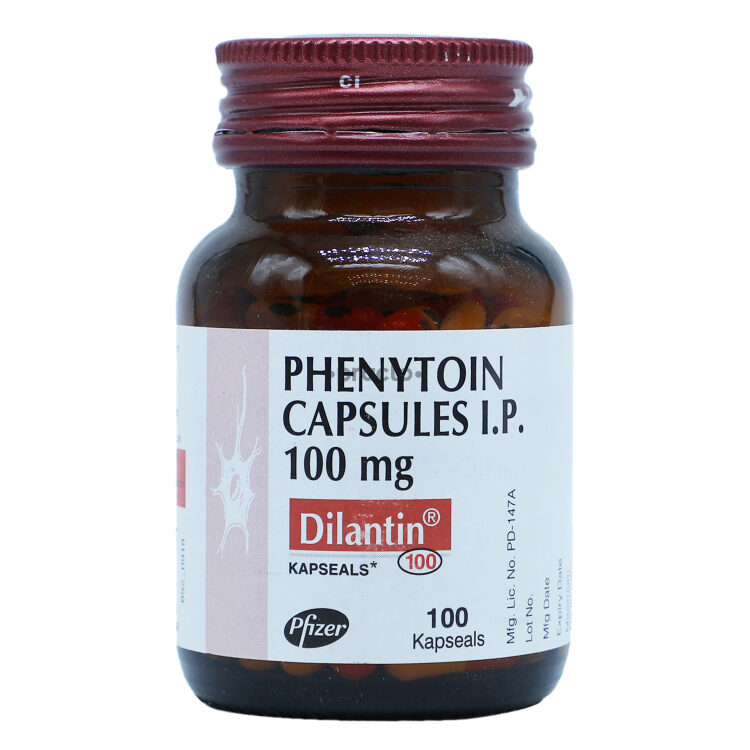
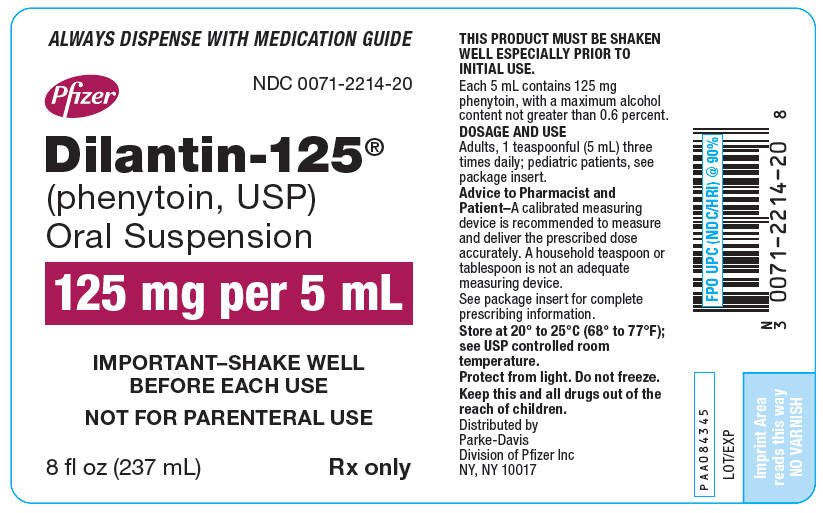
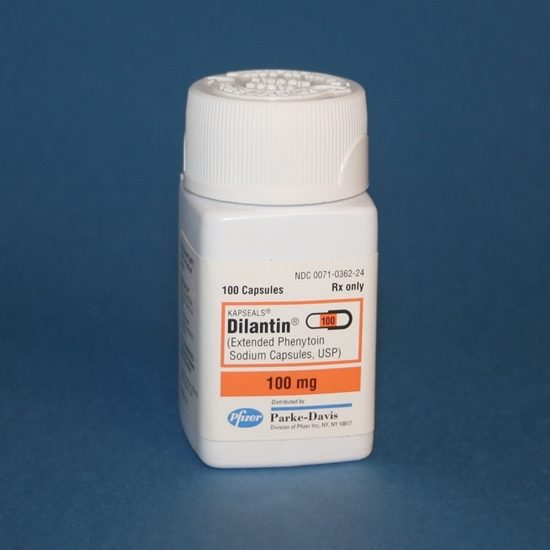
While the core product remains the same, the visual identity of Dilantin through its packaging and dosage forms has played a silent yet significant role in reinforcing its brand. Over the years, changes in packaging design, though subtle, have aimed to communicate professionalism, safety, and modern relevance while maintaining brand recognition. Distinctive colors, fonts, and the consistent placement of the Dilantin logo differentiate it instantly from generic alternatives. Even the shape and color of the capsules (e.g., the iconic orange and white Dilantin Kapseals) become strong visual cues that patients and pharmacists recognize immediately, contributing to brand recall and reinforcing the perception of a quality, authentic product. These visual elements are critical touchpoints that solidify the corporate identity and brand promise at the point of sale and use.
Ethical Considerations and Brand Responsibility
In the pharmaceutical industry, brand responsibility is intricately linked to ethical conduct. The Dilantin brand, as a product of Parke-Davis/Pfizer, carries the weight of a corporate identity committed to patient safety and adherence to regulatory standards. This involves:
- Transparent Information: Providing clear, comprehensive, and accessible information about its use, side effects, and precautions.
- Vigilance Post-Market: Ongoing monitoring for adverse events and updating product labels as new information emerges.
- Supply Chain Integrity: Ensuring the authenticity and quality of the drug throughout its distribution.
The brand’s reputation is continuously reinforced by its manufacturer’s commitment to these ethical principles. Any lapse in these areas could severely damage the trust that has been painstakingly built over decades. Thus, the corporate identity of Dilantin is not just about marketing; it’s about a fundamental commitment to public health.
The Future of Legacy Brands: Innovation, Digital Presence, and Sustained Relevance
Even legacy brands like Dilantin must adapt to a rapidly evolving healthcare landscape, characterized by digital transformation, new therapeutic options, and changing patient expectations. Maintaining relevance requires forward-thinking brand strategies that honor heritage while embracing innovation.
Adapting to the Digital Age: Online Engagement and Information
In today’s interconnected world, a pharmaceutical brand’s presence extends far beyond traditional medical journals. Dilantin, or rather its manufacturer, must navigate the digital realm to ensure the brand remains visible and accessible. This includes:
- Official Websites: Providing authoritative information about the drug for both healthcare professionals and patients.
- Social Media Guidelines: Managing how the brand is discussed online, offering resources, and correcting misinformation, while adhering to strict pharmaceutical advertising regulations.
- Telehealth and Digital Health Tools: Exploring integrations or partnerships that align the brand with modern healthcare delivery mechanisms, without directly promoting the drug itself.
The goal is to maintain Dilantin’s authoritative voice and informational integrity in a fragmented digital ecosystem, ensuring that its brand identity remains synonymous with reliable information and support.
Brand Extension and Portfolio Management
While Dilantin itself is a single-molecule brand, its principles of trust, efficacy, and consistency can inform broader portfolio management within its parent company, Pfizer. Lessons learned from managing Dilantin’s lifecycle—from patent protection to generic competition—are invaluable for strategizing for new drug launches and mature products. The Dilantin brand experience can serve as a template for establishing long-term brand equity, even as pharmaceutical companies increasingly focus on specialized, high-innovation therapies. While Dilantin itself may not undergo typical “brand extensions,” its strategic management provides a blueprint for how a legacy product can continue to contribute to the overall brand strength and financial health of a major pharmaceutical corporation.
Sustaining Brand Value in a Dynamic Healthcare Landscape
Sustaining the brand value of Dilantin requires continuous vigilance and adaptation. This involves:
- Ongoing Research: Even for a mature drug, supporting new research or re-evaluating its use in specific patient populations can refresh its clinical relevance.
- Advocacy and Education: Partnering with patient advocacy groups to educate the public about epilepsy and the role of established treatments.
- Global Harmonization: Ensuring that the brand’s identity and quality standards are maintained consistently across different international markets, navigating diverse regulatory and cultural environments.
- Value Proposition Reinforcement: Continuously articulating the unique value Dilantin brings, even against newer, often more expensive, alternatives. This might involve highlighting its extensive safety data, cost-effectiveness, or long-standing clinician familiarity.
By strategically addressing these areas, the Dilantin brand can continue to hold its esteemed position, adapting to new challenges while honoring the foundational trust and legacy it has built.
In conclusion, “what is the drug Dilantin” is a question that, when viewed through the lens of brand strategy, reveals a sophisticated interplay of scientific innovation, meticulous marketing, and unwavering commitment to quality. Dilantin’s journey from a scientific breakthrough to a global pharmaceutical icon is a powerful testament to how a brand can transcend its physical form, becoming a symbol of trust, reliability, and enduring patient care. Its story offers invaluable lessons for understanding the complex and vital role of branding in the pharmaceutical industry, where identity is not just about recognition, but about safeguarding health and building lasting confidence.
aViewFromTheCave is a participant in the Amazon Services LLC Associates Program, an affiliate advertising program designed to provide a means for sites to earn advertising fees by advertising and linking to Amazon.com. Amazon, the Amazon logo, AmazonSupply, and the AmazonSupply logo are trademarks of Amazon.com, Inc. or its affiliates. As an Amazon Associate we earn affiliate commissions from qualifying purchases.