
The annual NFL Draft is far more than just a televised spectacle where college athletes realize their dreams. From an economic vantage point, it stands as a sophisticated financial mechanism, a multi-billion dollar talent acquisition event, and a pivotal moment that reshapes the financial landscape of franchises, cities, and the burgeoning careers of young professionals. Understanding the draft from a financial perspective reveals its true strategic depth, highlighting how NFL teams operate as complex businesses making high-stakes investments.
The NFL Draft: A Cornerstone of Financial Strategy and Investment
At its core, the NFL Draft is an elaborate system for allocating a critical, finite resource: top-tier athletic talent. For NFL franchises, this process is less about picking players and more about making strategic investments that will yield significant financial returns, both on and off the field. Teams commit vast sums of money to acquire, develop, and retain players, and the draft is the primary entry point for this capital allocation.

Allocating Capital: The Salary Cap and Rookie Wage Scale
Every NFL team operates under a strict salary cap, a hard limit on the total amount of money they can spend on player salaries in a given year. This cap forces teams to be shrewd financial managers, balancing veteran contracts, extensions, and the integration of new talent. The draft provides a structured, cost-controlled entry point for new players through the Collective Bargaining Agreement’s (CBA) rookie wage scale.
Established in 2011, the rookie wage scale fundamentally changed how draft picks are compensated, moving away from individually negotiated, often exorbitant, contracts for unproven players. Instead, compensation for draftees is now largely predetermined based on their draft slot. First-round picks receive four-year contracts with a team option for a fifth year, while all other draftees sign four-year deals. The higher the pick, the larger the signing bonus and base salary, but the scale ensures that rookie contracts are relatively team-friendly, offering significant value and cost certainty.
For teams, this pre-set structure is a major financial advantage. It allows for precise budgeting and reduces the risk of overpaying for unproven talent. A top-tier rookie quarterback, for example, might be a multi-million dollar investment, but their salary-cap hit in their initial years is significantly lower than what a proven veteran of similar caliber would command. This efficiency allows teams to allocate more cap space to retaining key veterans or acquiring free agents, optimizing their overall financial ledger. The draft, therefore, becomes a crucial tool for salary cap management, allowing franchises to build a foundation of cost-controlled talent while maximizing financial flexibility.
Scouting as High-Stakes Due Diligence: Mitigating Investment Risk
Before any player is drafted, NFL teams invest millions of dollars annually in an extensive scouting network. This isn’t merely a football operation; it’s a massive exercise in due diligence, akin to what a private equity firm undertakes before a significant acquisition. Scouts, general managers, and analytics departments spend countless hours evaluating prospects’ physical attributes, on-field performance, medical history, psychological profiles, and character.
This deep dive into prospect evaluation is a critical financial investment aimed at mitigating risk. Drafting a player, particularly a high pick, is a multi-million dollar commitment over several years. A “bust” – a player who doesn’t live up to their draft status – represents not only a missed opportunity for on-field success but also a substantial financial loss. The signing bonus alone for a top-10 pick can exceed $20 million, all of which counts against the cap in some form. If that player underperforms or gets injured, the team has sunk significant capital with little to no return.
Conversely, identifying an undervalued talent in later rounds or a future superstar early on can yield extraordinary returns on investment. A mid-round pick who develops into a Pro Bowler on a rookie contract provides immense financial leverage, freeing up cap space that can be deployed elsewhere. Thus, the financial investment in scouting and analytics is designed to optimize the probability of making successful personnel investments, directly impacting the team’s long-term financial health and competitive viability.
Monetizing Potential: The Economic Value of Draft Picks
NFL draft picks are not just positions in a queue; they are tangible, tradable assets with quantifiable economic value. The market for draft picks is dynamic, reflecting not only the perceived talent available in a given year but also the strategic needs and financial postures of individual franchises.
Asset Management: Trading Draft Capital for Future Returns
Just like stocks or real estate, draft picks can be bought, sold, and leveraged. Teams frequently engage in trades involving draft capital, exchanging picks for veteran players, future picks, or a combination thereof. This practice underscores the understanding that draft picks possess inherent market value, which fluctuates based on their position (e.g., a first-round pick is inherently more valuable than a seventh-round pick) and the perceived depth of talent in a specific draft class.
A team looking to “retool” or “rebuild” might trade a star veteran for multiple draft picks, effectively converting a large, immediate salary obligation into a portfolio of future, cost-controlled assets. Conversely, a team on the cusp of championship contention might trade several lower-value picks for an established veteran who fills an immediate need, prioritizing short-term performance gains over long-term asset accumulation. The “draft pick trade value chart” (like the widely referenced Jimmy Johnson chart, or more modern variations developed by analytics firms) attempts to quantify this value, helping general managers make financially sound decisions when trading capital. These charts allow teams to assess whether a proposed trade offers fair financial value, ensuring they don’t overpay or under-receive for their draft assets.
This trading mechanism is a sophisticated form of asset management, allowing franchises to optimize their roster composition and financial commitments. By strategically acquiring or divesting draft picks, teams can manage their cap space, extend their championship windows, or expedite a rebuilding process, all with a keen eye on financial efficiency and future returns.
The Financial Payoff: Rookie Contracts and Team Payroll Efficiency
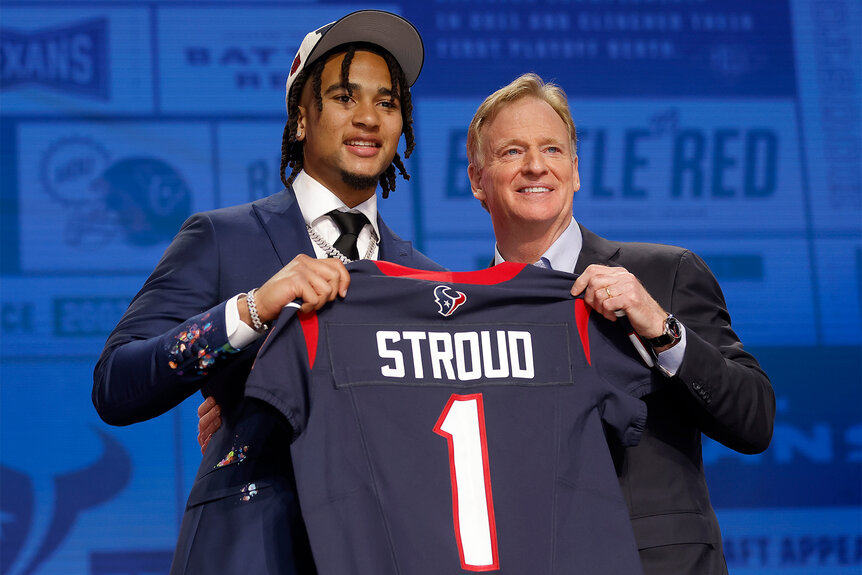
The primary financial payoff of the draft comes through the rookie contracts signed by draftees. These contracts, especially for players outside the first round, offer exceptional value for NFL teams. A player drafted in the third or fourth round who develops into a reliable starter provides elite production at a significantly below-market rate compared to a veteran free agent of similar ability. This “value over cap” is a critical metric for front offices, directly impacting a team’s payroll efficiency.
Successful drafting allows teams to allocate cap space to other areas, such as retaining homegrown veteran stars or aggressively pursuing high-priced free agents to fill specific gaps. For example, if a team consistently drafts successful offensive linemen in the middle rounds, they save tens of millions of dollars in potential free-agent spending over several years, allowing them to invest more heavily in a franchise quarterback or an elite pass rusher.
Conversely, a team that consistently misses on draft picks is forced to overspend in free agency to fill roster holes, leading to an inefficient allocation of financial resources and potentially hindering their competitive capabilities. The draft, therefore, is not just about bringing in new talent; it’s about optimizing the team’s entire financial structure and ensuring maximum value extraction from every dollar spent on the roster.
Beyond the Field: The Draft’s Broader Economic Impact and Financial Ecosystem
The financial implications of the NFL Draft extend far beyond individual player contracts and team budgets. It is an event that significantly influences franchise valuations, generates substantial economic activity for host cities, and reinforces the league’s overall financial strength.
Elevating Enterprise Value: How Draft Success Boosts Franchise Worth
A team’s success in the NFL Draft directly correlates with its on-field performance over time, and on-field success is a significant driver of franchise valuation. Teams that consistently draft well tend to win more games, attract larger fan bases, generate higher revenues from ticket sales, merchandise, and local sponsorships, and ultimately increase their enterprise value. Owners view their franchises as appreciating assets, and the draft is a primary lever for that appreciation.
Successful drafting builds a sustainable competitive advantage, translating into consistent playoff appearances and championship contention. This, in turn, boosts media rights values, enhances the team’s brand appeal, and justifies higher valuations in the event of a sale. The ability to identify, develop, and retain talent through the draft is a testament to a well-run organization, and the financial markets take notice, rewarding such stability and foresight with increased financial worth.
Local Economic Catalysis: The Host City’s Financial Windfall
For the city selected to host the NFL Draft, the event is a significant economic boon. Over three days, the draft attracts hundreds of thousands of visitors – fans, media, team personnel, and league officials – who descend upon the host city. These visitors inject tens of millions of dollars into the local economy through spending on hotels, restaurants, transportation, retail, and entertainment.
Local businesses experience a surge in revenue, temporary jobs are created, and the city receives invaluable national and international media exposure, effectively serving as a multi-day commercial for tourism and future investment. Cities actively bid to host the draft, often offering financial incentives and logistical support, recognizing the substantial return on investment in terms of direct economic impact and long-term promotional value. The draft is a powerful economic catalyst, demonstrating the NFL’s significant influence as a major financial player beyond game days.
Personal Wealth Building: Financial Planning for NFL Prospects
For the college athletes hearing their names called, the NFL Draft represents an immediate and often life-altering financial windfall. Transitioning from amateur status to professional athlete brings with it substantial wealth, but also complex financial challenges and opportunities.
From College to Contract: Navigating Initial Financial Success
Upon being drafted, players immediately secure a multi-million dollar contract, with a significant portion often coming in the form of an upfront signing bonus. This sudden influx of wealth requires immediate and careful financial planning. Many young players, accustomed to modest means, face the daunting task of managing vast sums for the first time.
Financial advisors, agents, and even the NFL itself offer resources to guide players through this transition. Key immediate financial decisions include setting up sound banking relationships, understanding tax implications, and prudently investing portions of their signing bonus for long-term growth. Endorsement deals, which can often rival or even exceed initial playing salaries for high-profile picks, add another layer of financial complexity and opportunity. Agents play a critical role in negotiating these deals, ensuring players maximize their earning potential beyond their playing contracts.
Sustaining Prosperity: Long-Term Financial Management Challenges
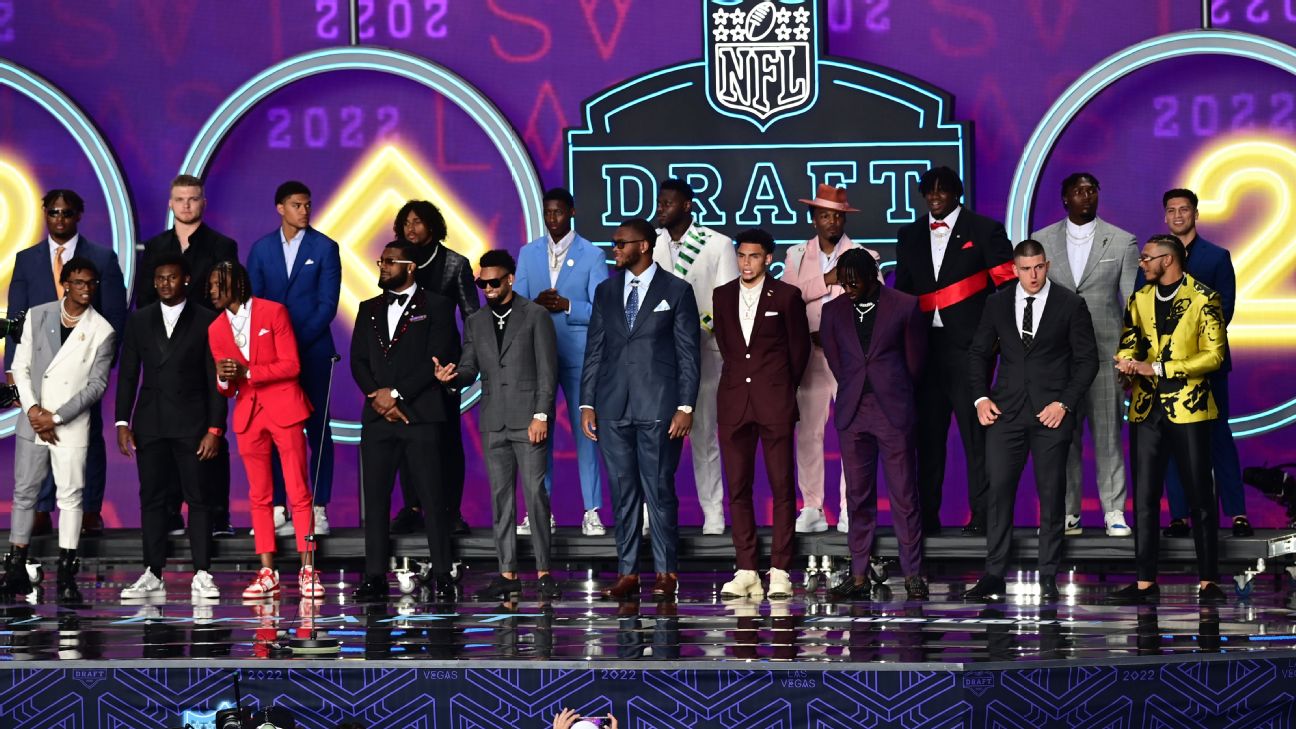
The average NFL career is notoriously short, around 3.3 years. This reality underscores the critical importance of long-term financial planning for drafted players. While initial contracts can be lucrative, they must be managed wisely to ensure financial security long after a player’s career ends. This involves disciplined saving, diversified investments, and careful budgeting to withstand potential career-ending injuries, contract non-renewals, or post-career income gaps.
Many players face unique challenges, including pressure from family and friends, susceptibility to scams, and a lack of experience with high-net-worth management. Educating players on asset allocation, risk management, real estate investments, and retirement planning is paramount. The goal is not just to be rich during their playing days, but to build sustainable wealth that supports them for a lifetime. The draft, while an entry point to immediate financial success, is merely the first step in a prolonged journey of personal wealth management.
aViewFromTheCave is a participant in the Amazon Services LLC Associates Program, an affiliate advertising program designed to provide a means for sites to earn advertising fees by advertising and linking to Amazon.com. Amazon, the Amazon logo, AmazonSupply, and the AmazonSupply logo are trademarks of Amazon.com, Inc. or its affiliates. As an Amazon Associate we earn affiliate commissions from qualifying purchases.