
Purchasing a home is one of the most significant financial milestones many individuals and families aspire to achieve. Central to this process is the concept of a down payment – a term frequently discussed, yet often misunderstood in its intricacies. Far from being a simple upfront cost, a down payment represents a critical financial commitment that influences a myriad of factors throughout the homeownership journey, from the initial loan terms to long-term financial stability. Understanding precisely what a down payment entails, its various permutations, and its profound impact is fundamental for any prospective homeowner navigating the complex landscape of real estate finance.
Understanding the Core Concept of a Down Payment
At its heart, a down payment is the initial sum of money a homebuyer pays towards the purchase price of a property, with the remaining balance financed through a mortgage loan. This upfront capital serves multiple crucial functions for both the borrower and the lender, extending far beyond merely reducing the principal amount of the loan.
More Than Just an Initial Payment
For lenders, the down payment acts as a significant indicator of the borrower’s financial stability and commitment. A larger down payment reduces the lender’s risk, as the borrower immediately holds more equity in the property. This equity provides a buffer in case of default or a decline in property value, making the loan a less risky proposition for the financial institution. From the borrower’s perspective, a down payment is the tangible manifestation of their investment in the home. It directly reduces the amount of money that needs to be borrowed, which in turn leads to lower monthly mortgage payments and less interest paid over the life of the loan. Moreover, demonstrating the ability to save a substantial down payment signals financial discipline and readiness for the responsibilities of homeownership. This initial investment lays the foundation for your long-term financial relationship with your property, influencing everything from the interest rate you qualify for to whether you’ll need to pay for private mortgage insurance (PMI).
The Spectrum of Down Payment Percentages
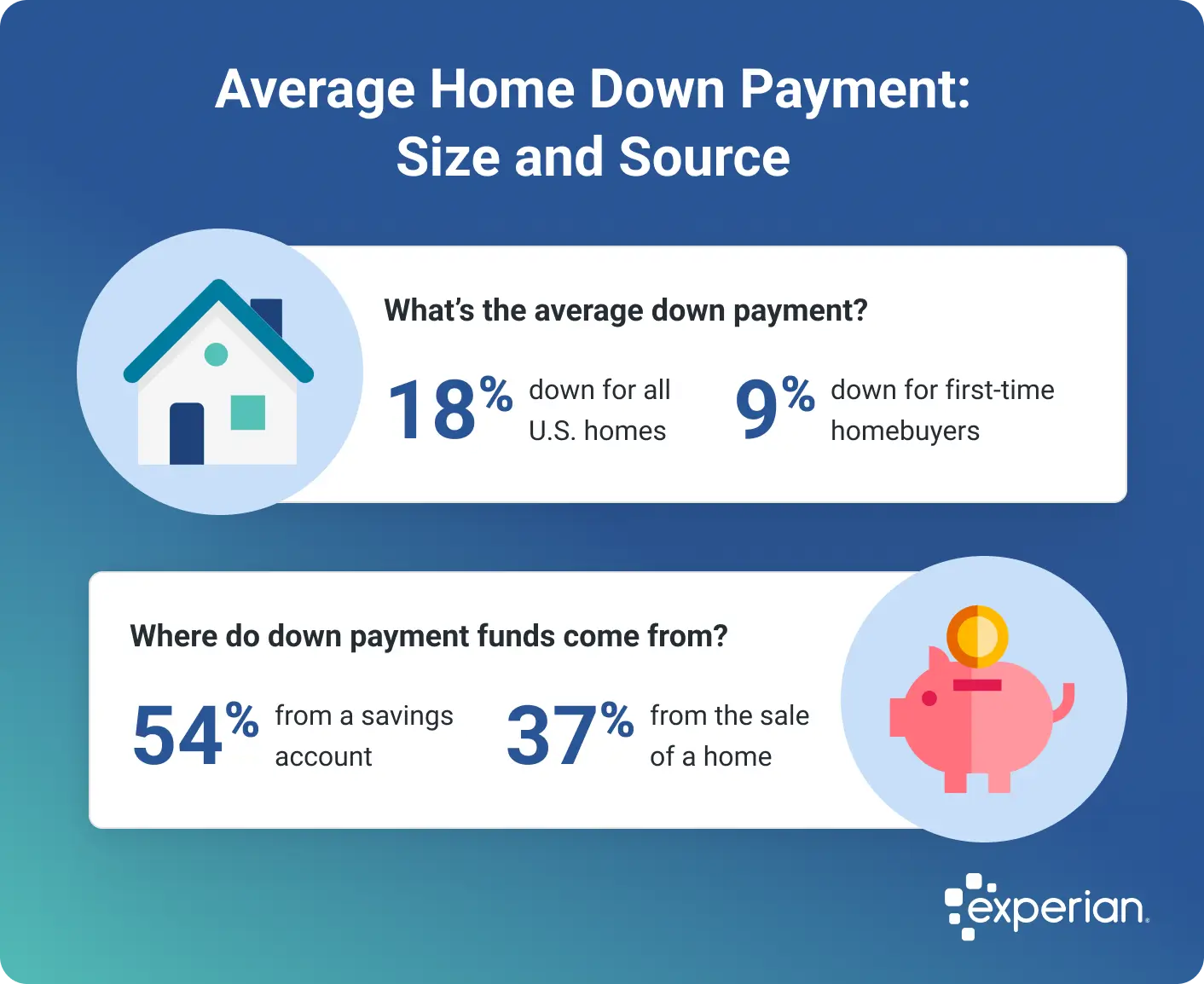
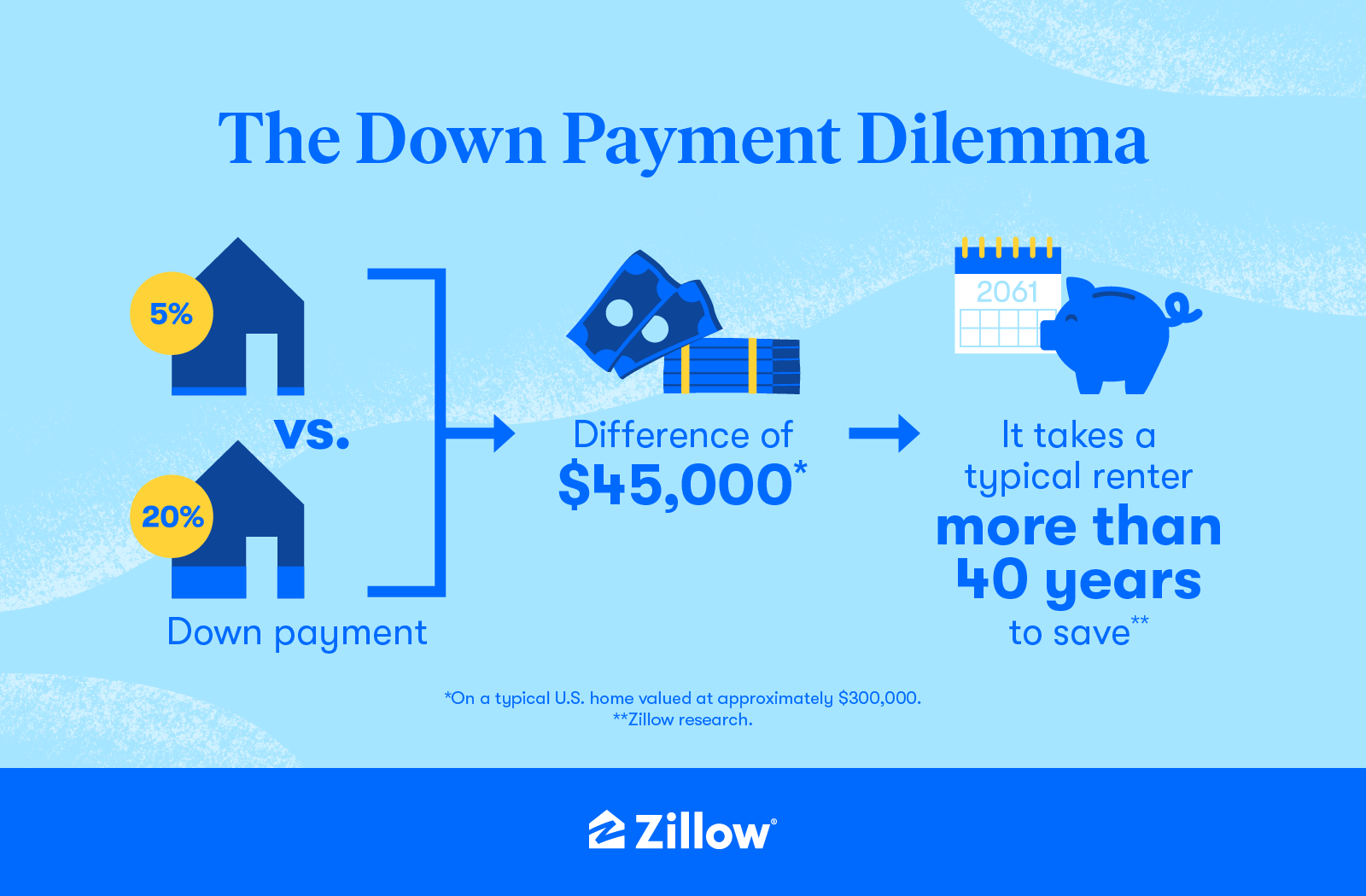
The widely held belief that a 20% down payment is an absolute prerequisite for buying a home is a pervasive myth. While 20% down offers distinct advantages, the reality is that the required down payment can vary significantly, ranging from zero to substantial percentages, depending on the loan type, your financial profile, and specific circumstances.
The Traditional 20% Myth vs. Reality
The 20% down payment standard emerged historically as a benchmark to avoid Private Mortgage Insurance (PMI) on conventional loans and to demonstrate substantial borrower equity. For homebuyers who can manage it, a 20% down payment remains highly advantageous. It eliminates the need for PMI, an additional monthly cost that protects the lender, not the borrower, in case of default. By avoiding PMI, homeowners save money immediately and increase their effective purchasing power. Furthermore, a larger down payment generally translates to a lower loan-to-value (LTV) ratio, which can qualify borrowers for more favorable interest rates from lenders, leading to significant savings over the mortgage term. It also provides an immediate cushion of equity, offering greater financial security and flexibility should the homeowner need to sell in the future or access home equity lines of credit.
Lower Down Payment Options: Accessibility and Considerations
The housing market has evolved to offer numerous avenues for individuals who cannot or choose not to put down 20%. These options have made homeownership more accessible to a broader demographic, particularly first-time homebuyers.
- FHA Loans: Backed by the Federal Housing Administration, FHA loans are a popular choice, requiring a minimum down payment of just 3.5%. These loans are specifically designed to assist borrowers with lower credit scores or limited savings. While accessible, FHA loans typically require both an upfront mortgage insurance premium (UFMIP) and annual mortgage insurance premium (MIP) for the life of the loan, or until sufficient equity is built, which can add to the overall cost.
- VA Loans: Exclusively for eligible service members, veterans, and surviving spouses, VA loans are an extraordinary benefit, often allowing for 0% down payment. This benefit eliminates the need for a down payment entirely, making homeownership highly achievable. While there’s no PMI, VA loans do come with a VA funding fee, which can be financed into the loan, with some exemptions for disabled veterans.
- USDA Loans: Offered by the U.S. Department of Agriculture, these loans also permit 0% down payments for eligible rural and suburban properties. They are designed for low-to-moderate-income individuals and families purchasing homes in designated rural areas. Income limits and property location restrictions apply, and like FHA loans, they require an upfront and annual guarantee fee.
- Conventional Loans with Less Than 20% Down: Many conventional loan programs now offer down payments as low as 3% or 5%. While these programs offer flexibility, they typically require private mortgage insurance (PMI) until the borrower reaches 20% equity in the home. Unlike FHA’s MIP, PMI on conventional loans can often be canceled once specific equity thresholds are met, providing a pathway to reduce monthly expenses.
- First-Time Homebuyer Programs: Various local, state, and federal programs exist to assist first-time homebuyers with down payment and closing cost assistance. These can take the form of grants (which don’t need to be repaid) or second mortgages with deferred payments or low interest rates, significantly reducing the upfront financial burden.
The Impact of a Larger Down Payment
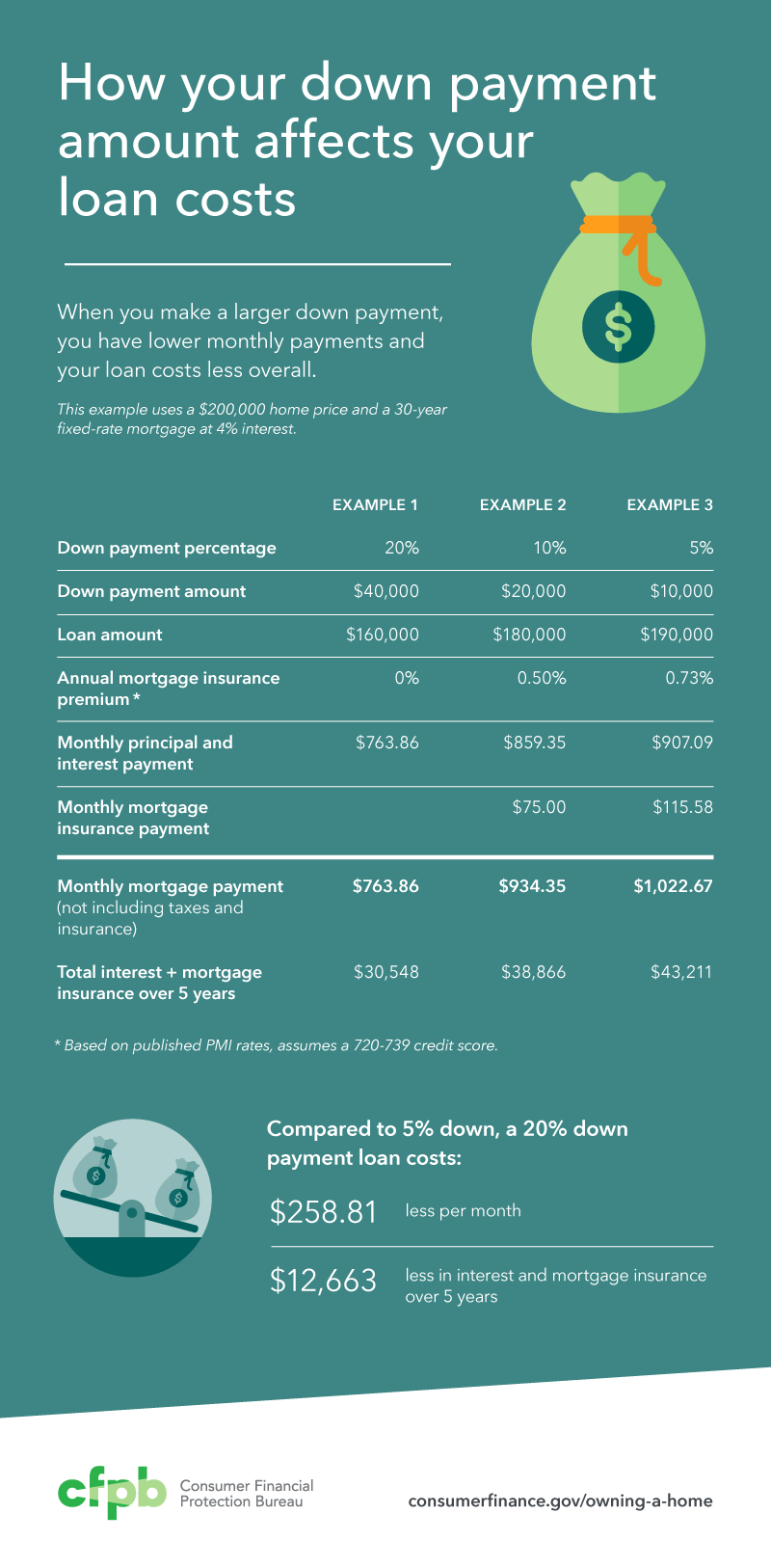
While lower down payment options expand access, the benefits of a larger down payment are undeniable. A substantial initial investment directly translates to a smaller loan amount, which reduces your monthly mortgage payment, making homeownership more affordable on an ongoing basis. Furthermore, with a smaller principal, you’ll pay significantly less in interest over the 15-year or 30-year life of the loan, freeing up capital for other financial goals or investments. Immediate equity offers peace of mind and flexibility, providing a buffer against market fluctuations. A higher down payment can also strengthen your negotiating position with sellers, indicating you are a serious and financially sound buyer, potentially leading to a smoother transaction or even a more favorable purchase price.
Strategies for Saving for Your Down Payment
Accumulating a down payment requires discipline, strategic planning, and often, a degree of sacrifice. However, with a clear roadmap, achieving this financial goal becomes an attainable reality.
Setting Realistic Financial Goals
The first step is to establish a realistic savings target based on your desired home price and an honest assessment of your financial capacity. Develop a detailed budget that tracks all income and expenses, identifying areas where you can cut back. Automate savings transfers from your checking to a dedicated, high-yield savings account immediately after receiving your paycheck. This “pay yourself first” approach ensures consistent progress without relying on willpower alone. Consider a timeline for your savings goal, breaking it down into smaller, manageable monthly or weekly targets.
Leveraging Additional Income Streams
Accelerating your down payment savings often means looking beyond your primary income. Explore side hustles that align with your skills and interests, such as freelancing, ride-sharing, or selling crafts online. Utilize unexpected windfalls like work bonuses, tax refunds, or inheritance specifically for your down payment fund. Evaluate possessions you no longer need or use, and sell them through online marketplaces or consignment shops. Every additional dollar contributed speeds up your journey to homeownership.
Understanding Gift Funds and Other Assistance
It’s common for homebuyers to receive assistance from family members. Lenders have specific rules regarding gift funds, typically requiring a gift letter from the donor confirming that the money is indeed a gift and not a loan. The source of the funds may also need to be documented. Ensure you understand these requirements early in the process. Beyond personal gifts, investigate down payment assistance programs offered by state housing finance agencies, local municipalities, or non-profit organizations. These programs can offer grants, low-interest second mortgages, or deferred loans to help cover down payment and closing costs. Additionally, while often debated, some individuals consider borrowing from their 401(k). While this can provide quick access to funds, it comes with risks, including potential tax penalties if not repaid on time and the opportunity cost of lost investment growth. Carefully weigh these options with a financial advisor.
Beyond the Down Payment: Other Upfront Costs
While the down payment is often the largest single upfront expense, it is crucial for prospective homebuyers to budget for a host of other costs associated with purchasing a property. Overlooking these can lead to significant financial stress or delays in closing.
Closing Costs Explained
Closing costs are the fees paid at the closing of a real estate transaction. These are distinct from the down payment and typically range from 2% to 5% of the total loan amount, though they can vary widely based on location and specific services. Key components of closing costs include:
- Loan Origination Fees: Charged by the lender for processing your mortgage application.
- Appraisal Fees: Paid to an independent appraiser to determine the fair market value of the property.
- Title Insurance: Protects both the lender and the buyer from disputes over property ownership.
- Escrow Fees: Paid to the title company or attorney for facilitating the closing process.
- Recording Fees: To officially record the new deed and mortgage with the local government.
- Prepaid Expenses: These are often collected at closing to cover initial property taxes and homeowner’s insurance premiums, ensuring these expenses are covered for a period post-closing.
Lenders are legally required to provide a Loan Estimate within three business days of applying for a mortgage, detailing all estimated closing costs. Reviewing this document diligently is essential to avoid surprises. Negotiating with the seller to cover some closing costs is also a common strategy, though this depends on market conditions and your negotiation leverage.
The Importance of an Emergency Fund
Even after covering the down payment and closing costs, maintaining a robust emergency fund is paramount for new homeowners. Owning a home comes with unexpected expenses – from urgent repairs like a leaking roof or a broken furnace to unforeseen job loss. An emergency fund, typically three to six months’ worth of living expenses, acts as a financial safety net, preventing you from going into debt or having to liquidate investments during times of crisis. It ensures that the excitement of homeownership isn’t overshadowed by financial strain when inevitable issues arise, allowing you to maintain stability and protect your significant investment in your new home.
aViewFromTheCave is a participant in the Amazon Services LLC Associates Program, an affiliate advertising program designed to provide a means for sites to earn advertising fees by advertising and linking to Amazon.com. Amazon, the Amazon logo, AmazonSupply, and the AmazonSupply logo are trademarks of Amazon.com, Inc. or its affiliates. As an Amazon Associate we earn affiliate commissions from qualifying purchases.