
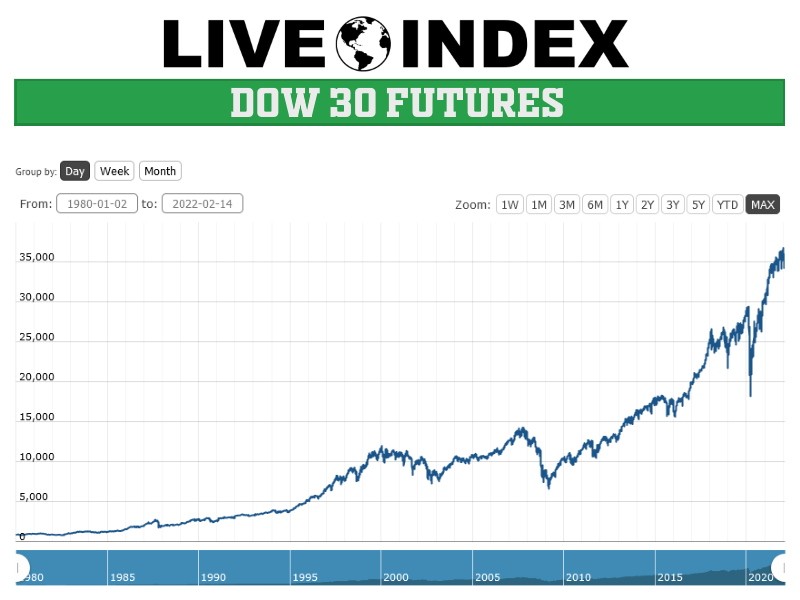
The Dow Futures Index represents a critical, often misunderstood, component of the global financial markets. Far from being an obscure derivative, it serves as a powerful barometer for market sentiment, a sophisticated tool for risk management, and a high-leverage instrument for speculation. At its core, the Dow Futures Index is a financial contract that obligates the buyer or seller to transact the underlying asset – in this case, the Dow Jones Industrial Average (DJIA) – at a predetermined price on a specified future date. Understanding this index requires delving into the nature of futures contracts, the significance of the DJIA, and the intricate mechanics that govern its trading.
Unpacking the Fundamentals of Futures Contracts
To grasp the Dow Futures Index, one must first comprehend the broader concept of a futures contract. These standardized, legally binding agreements facilitate the buying or selling of an asset at a predetermined price on a future date. They are distinct from options, which grant the right but not the obligation, as futures carry an obligation for both parties.
Defining Futures Contracts
A futures contract is an agreement between two parties to buy or sell a specific quantity of an underlying asset at an agreed-upon price on a particular date in the future. Crucially, these contracts are standardized by exchanges, specifying the quantity, quality, delivery month, and settlement procedures. This standardization is vital as it makes futures contracts fungible and allows them to be traded on organized exchanges. Unlike traditional stock trades where you exchange shares for money, futures contracts derive their value from an expectation of the future price of an underlying asset. The inherent obligation within a futures contract means that at expiration, the parties must fulfill their side of the agreement, which in the case of index futures, is typically cash-settled rather than involving physical delivery. This mitigates counterparty risk, as the exchange acts as a central clearinghouse, guaranteeing the performance of the contract.
The Role of Indices in Futures
While many futures contracts involve commodities like oil or corn, or financial instruments like currencies and bonds, a significant segment is built upon stock market indices. An index, such as the Dow Jones Industrial Average, is a statistical measure that reflects the value and performance of a basket of selected stocks. When an index becomes the underlying asset for a futures contract, traders are not buying or selling individual stocks but rather a contract whose value is tied to the collective performance of those stocks. The index itself is not a physical asset that can be bought or sold directly; instead, the futures contract provides a synthetic way to gain exposure to the index’s movements. This mechanism allows investors and traders to take a position on the overall direction of a market segment or the broader economy without having to purchase each component stock.
Participants in the Futures Market
The futures market attracts two primary types of participants: hedgers and speculators, each with distinct motivations. Hedgers typically use futures contracts to mitigate or offset potential risks in their existing or anticipated positions in the underlying asset. For instance, an institutional investor holding a large portfolio of stocks mirroring the Dow might sell Dow futures to protect against a potential market downturn, effectively locking in a future selling price for their portfolio’s value. Speculators, on the other hand, trade futures contracts with the primary goal of profiting from anticipated price movements. They aim to buy low and sell high, or sell high and buy low, betting on the future direction of the underlying index. Speculators provide crucial liquidity to the market, but their activities also contribute to its volatility. Both groups are essential for the efficient functioning and price discovery mechanisms of the futures market.
The Dow Jones Industrial Average (DJIA) as an Underlying Asset
The Dow Futures Index is inherently linked to one of the most recognized and venerable stock market indices globally: the Dow Jones Industrial Average. Its prominence and long history lend significant weight to its associated futures contracts.
A Brief Overview of the DJIA
Established in 1896 by Charles Dow, the Dow Jones Industrial Average is the second-oldest U.S. market index and remains one of the most widely followed. It comprises 30 large, publicly owned companies trading on the New York Stock Exchange (NYSE) and NASDAQ, which are considered leaders in their respective industries and representative of the broader U.S. economy. Unlike other major indices like the S&P 500, which are market-capitalization-weighted, the DJIA is a price-weighted index. This means stocks with higher share prices have a greater impact on the index’s value than those with lower share prices, regardless of their total market value. While this methodology has drawn criticism for not fully reflecting the market’s true scale, the DJIA’s historical significance and continued media attention solidify its status as a key indicator of market health and investor sentiment.
From Spot to Futures
The “spot” price refers to the current, real-time trading price of the underlying asset – in this case, the live value of the Dow Jones Industrial Average. Dow futures contracts derive their value from this spot price, but they also incorporate expectations about future market conditions, interest rates, and dividends. The relationship between the spot price and the futures price is complex, often exhibiting a slight premium or discount. A premium (futures price higher than spot) is known as contango, while a discount (futures price lower than spot) is called backwardation. These differences reflect the cost of carrying the underlying asset (such as interest rates or dividends) and collective market expectations. Traders constantly monitor the spread between the Dow’s spot price and its futures price for potential arbitrage opportunities or insights into market sentiment.
Symbolism and Sentiment
The Dow Jones Industrial Average holds a unique symbolic power in the financial world. It is frequently cited in news reports as a quick gauge of market performance and is often seen as a proxy for the overall health of the U.S. economy. When the Dow rallies, it often signals investor confidence and economic optimism; conversely, a significant drop can trigger widespread concern. This symbolic role means that movements in the Dow, and consequently its futures, are closely watched by governments, businesses, and individuals worldwide. Its influence extends beyond pure financial metrics, often shaping public perception and policy discussions. As such, the Dow futures not only reflect market sentiment but can also, at times, contribute to it, especially during pre-market trading hours.
Mechanics of the Dow Futures Index (YM)
The Dow Futures Index is primarily traded through its E-mini contract, which offers a highly liquid and accessible way to gain exposure to the DJIA’s movements. Understanding its specific mechanics is crucial for any potential participant.
Understanding the “YM” Ticker
The most widely traded Dow futures contract is the E-mini Dow Futures, identified by the ticker symbol “YM” on exchanges like the Chicago Mercantile Exchange (CME) Group’s CBOT. The “E-mini” designation signifies a smaller contract size compared to the original, larger “full” Dow futures contract, making it more accessible to individual traders and smaller institutions. Each E-mini Dow futures contract represents a notional value of $5 times the Dow Jones Industrial Average index. For example, if the DJIA is at 35,000, one E-mini Dow futures contract would represent $175,000 worth of the index (35,000 x $5). This multiplier is essential for calculating profits and losses. Contracts are typically listed for quarterly months (March, June, September, December) and trade continuously.
Trading Hours and Liquidity
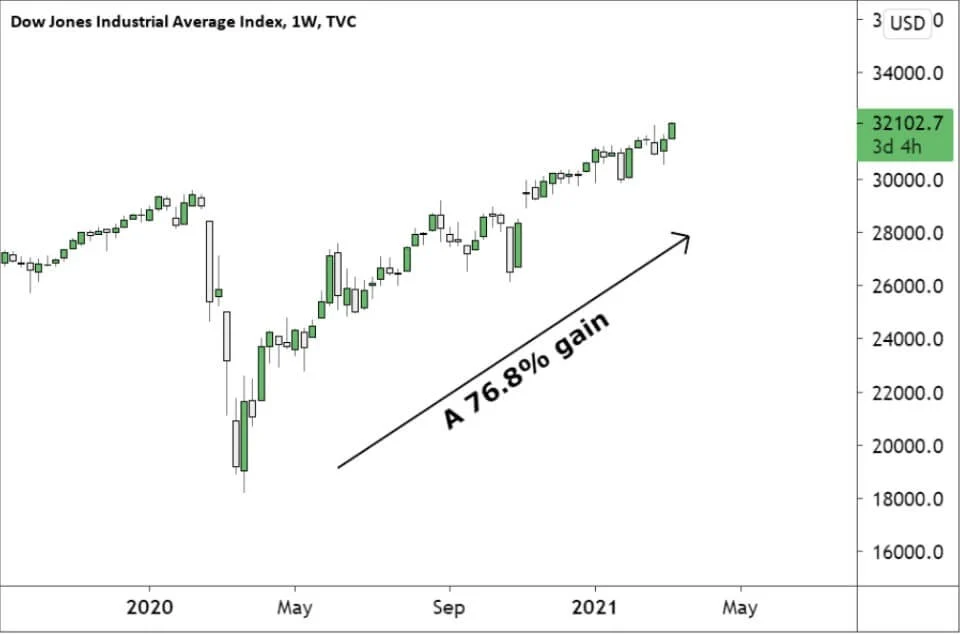
One of the significant advantages of E-mini Dow futures is their extensive trading hours. They typically trade nearly 24 hours a day, five days a week, from Sunday evening to Friday afternoon, with a brief daily pause. This continuous trading allows market participants to react instantly to global news events, economic data releases, and geopolitical developments that occur outside of traditional U.S. equity market hours. The constant availability contributes to high liquidity, meaning there are always buyers and sellers, which facilitates easy entry and exit from positions without significant price slippage. High liquidity is critical for efficient price discovery and helps minimize the impact of large orders on market prices.
Key Components: Margin, Leverage, and Settlement
Trading Dow futures involves several critical components. Margin is the amount of money an investor must deposit with a broker to open and maintain a futures position. There are two types: initial margin (required to open a position) and maintenance margin (the minimum balance that must be maintained). Futures contracts are highly leveraged instruments. Because the margin required is only a small percentage of the contract’s total notional value, even small price movements in the underlying index can result in significant percentage gains or losses on the invested capital. This amplification of returns (and risks) is a double-edged sword that attracts many traders but also necessitates stringent risk management. Finally, Dow futures are cash-settled, meaning that upon expiration, there is no physical delivery of the underlying stocks. Instead, the difference between the contract price and the final settlement price is paid in cash to the winning party.
Why Investors and Traders Engage with Dow Futures
The versatility and specific characteristics of the Dow Futures Index attract a diverse range of market participants, each with their own strategic objectives.
Hedging Against Portfolio Risk
One of the primary uses of Dow futures, particularly by institutional investors and fund managers, is for hedging. If an investor holds a substantial portfolio of U.S. blue-chip stocks that largely track the performance of the DJIA, they may use Dow futures to protect against potential market downturns. By selling Dow futures, they create a short position that can offset losses in their long equity portfolio if the market falls. If the market indeed drops, the losses in their stock portfolio may be at least partially compensated by gains in their short futures position. This strategy allows them to mitigate risk without having to sell off their underlying stock holdings, which can incur transaction costs or disrupt long-term investment strategies.
Speculation and Directional Trading
Speculators are drawn to Dow futures for their potential to generate significant profits from anticipated market movements. Given the leverage inherent in futures, even small moves in the Dow can translate into substantial returns on the relatively small amount of capital (margin) required. Traders can take a “long” position (buy futures) if they expect the Dow to rise, or a “short” position (sell futures) if they anticipate a decline. This ability to easily profit from both rising and falling markets makes futures an attractive tool for directional traders. Speculators often employ technical analysis, fundamental analysis, or a combination of both to predict market trends and time their entries and exits.
Arbitrage Opportunities
Arbitrageurs seek to profit from temporary price discrepancies between the Dow futures price and the implied value of the underlying index or related instruments. For example, if the Dow futures contract is trading at a significant premium or discount to what its fair value should be, based on the current spot price of the DJIA and relevant interest rates, an arbitrageur might simultaneously buy the cheaper asset and sell the more expensive one. Such opportunities are usually fleeting and require sophisticated algorithms and rapid execution to capture before market forces correct the imbalance. These activities contribute to market efficiency by ensuring that prices across different instruments remain aligned.
Global Macro Trading
Dow futures are a crucial tool for global macro traders who make investment decisions based on broad economic trends, geopolitical events, and country-specific data releases. Given the DJIA’s status as a proxy for the U.S. economy, movements in Dow futures can reflect market reactions to employment reports, inflation data, interest rate decisions by the Federal Reserve, or international trade agreements. A global macro trader might take a position in Dow futures as part of a larger strategy involving multiple asset classes and geographies, anticipating how these large-scale events will influence the performance of major U.S. equities.
Risks and Considerations for Trading Dow Futures
While Dow futures offer compelling opportunities, they also carry significant risks that demand careful consideration and robust risk management.
High Leverage, High Risk
The leverage provided in futures trading is a double-edged sword. While it magnifies potential gains, it also amplifies potential losses. With a small initial margin controlling a large notional value, a relatively small adverse price movement in the Dow can quickly erode a substantial portion, or even all, of an investor’s deposited capital. It is not uncommon for losses to exceed the initial margin amount, obligating the trader to inject more capital. This inherent risk makes Dow futures unsuitable for inexperienced investors or those without a strong understanding of capital management.
Volatility and Gaps
The futures market, especially the E-mini Dow, can be highly volatile. Prices can move rapidly in response to news, economic data, or even during quiet periods when liquidity is thin. “Gaps” can occur, particularly after overnight news, where the market opens significantly higher or lower than its previous close, making it impossible to exit a position at an anticipated price. This volatility necessitates constant monitoring and quick decision-making, which can be stressful and lead to emotional trading errors if not managed with discipline.
Margin Calls
Due to the leverage involved, if the market moves against a trader’s position, their account equity may fall below the maintenance margin level. When this happens, the broker will issue a “margin call,” demanding that the trader deposit additional funds to bring their account back up to the maintenance margin requirement. Failure to meet a margin call promptly can result in the broker liquidating the trader’s position at market prices, potentially locking in substantial losses. Understanding and having sufficient capital to meet potential margin calls is paramount.
The Importance of Education and Risk Management
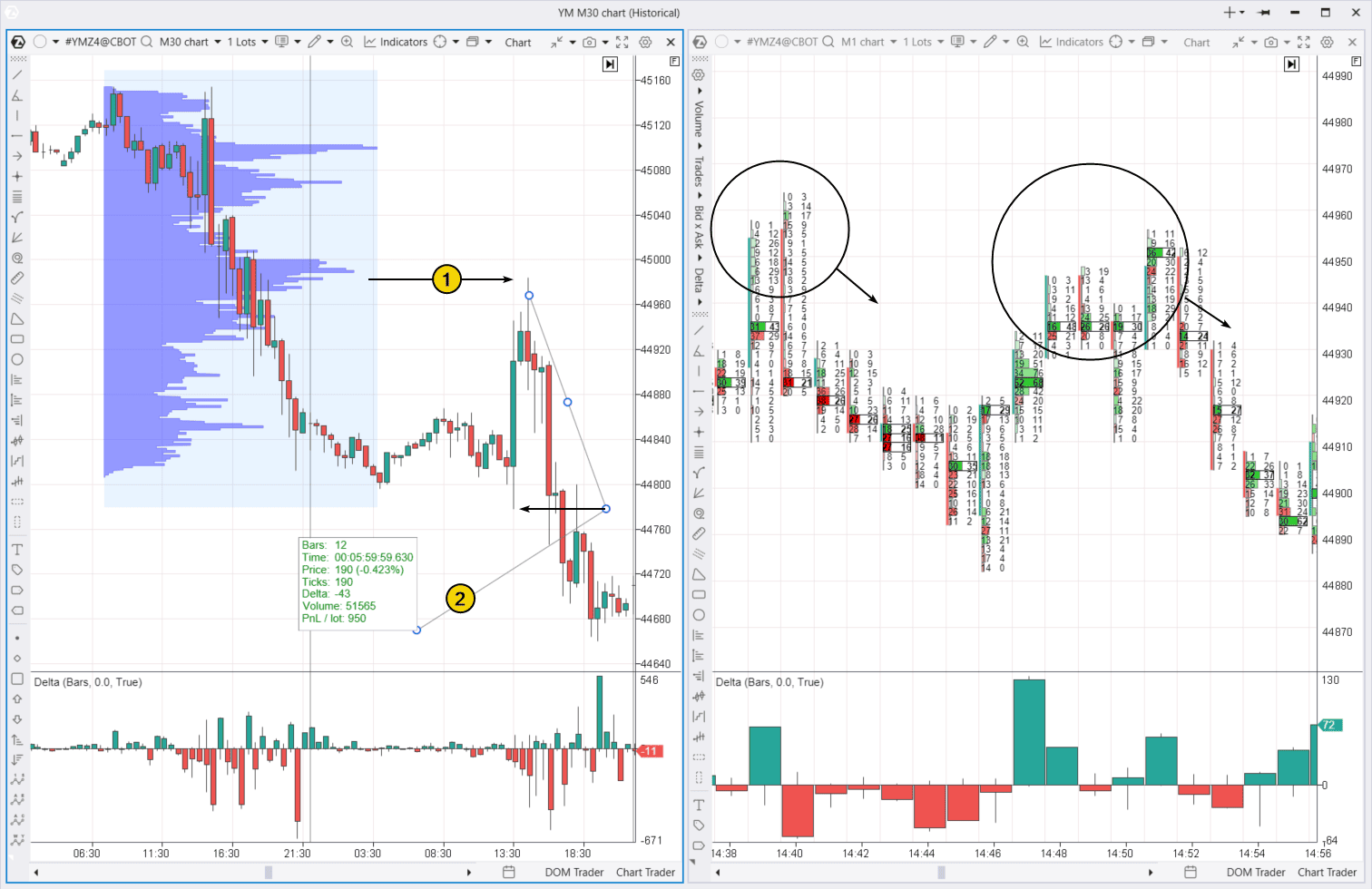
Given the complexities and risks, comprehensive education is non-negotiable for anyone considering trading Dow futures. This includes understanding market dynamics, technical and fundamental analysis, the specific contract specifications, and the regulatory environment. Crucially, effective risk management strategies are vital. This involves setting clear stop-loss orders to limit potential losses, carefully managing position sizes relative to account capital, and never risking more than one can comfortably afford to lose. A disciplined approach to trading, coupled with continuous learning, is essential for navigating the high-stakes world of Dow futures.
aViewFromTheCave is a participant in the Amazon Services LLC Associates Program, an affiliate advertising program designed to provide a means for sites to earn advertising fees by advertising and linking to Amazon.com. Amazon, the Amazon logo, AmazonSupply, and the AmazonSupply logo are trademarks of Amazon.com, Inc. or its affiliates. As an Amazon Associate we earn affiliate commissions from qualifying purchases.