
The Department of Motor Vehicles (DMV) written exam has long been viewed as a rite of passage, a necessary hurdle for anyone seeking the freedom of the open road. However, in the last decade, this assessment has undergone a radical technological transformation. No longer a simple “paper and pencil” test administered in a crowded basement, the modern DMV written exam is a sophisticated, data-driven assessment powered by cloud computing, randomized algorithms, and advanced UI/UX design.
To understand what the DMV written exam is today, one must look at it through the lens of GovTech (Government Technology) and EdTech (Educational Technology). It is an automated gatekeeper that utilizes complex software to ensure road safety and driver competency.
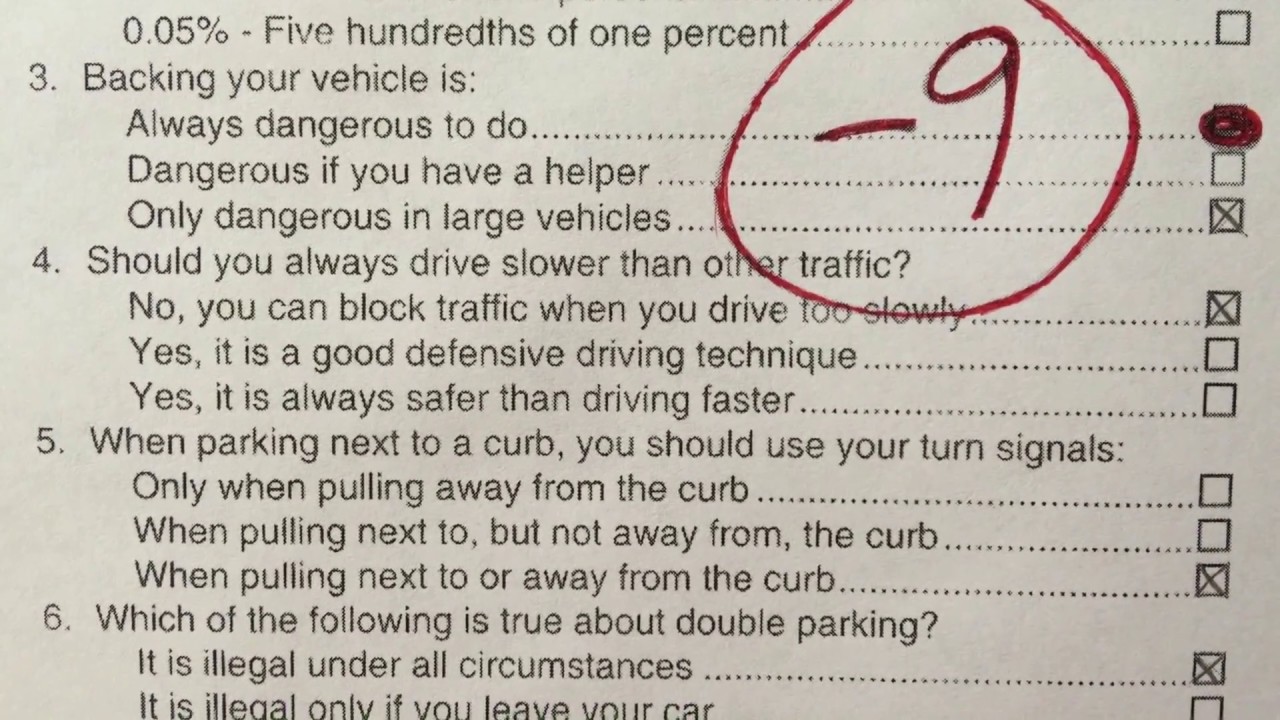
The Architecture of Modern Computer-Based Testing (CBT)
The transition from physical test booklets to Computer-Based Testing (CBT) marks the most significant shift in the history of driver licensing. This infrastructure is designed to handle massive amounts of data while maintaining high levels of reliability and uptime.
Randomized Question Banks and Algorithmic Fairness
At the heart of the digital DMV exam is a centralized database containing hundreds, sometimes thousands, of validated test items. When a candidate begins their exam at a touchscreen kiosk, the software utilizes a Randomizing Algorithm to pull a specific number of questions across various categories—road signs, traffic laws, and safety procedures. This ensures that no two applicants receive the same test in the same order, a technological deterrent against cheating and rote memorization.
User Experience (UX) and Accessibility Features
Modern DMV software is built with inclusivity in mind. The User Interface (UI) is designed to be intuitive even for those with limited digital literacy. From a tech perspective, this involves integrating Multi-Language Support via dynamic translation APIs and Text-to-Speech (TTS) capabilities for applicants with visual impairments or reading difficulties. The goal of the interface is to eliminate “test-taking friction,” ensuring that the applicant is being tested on their knowledge of the law, not their ability to navigate a computer program.
Real-Time Data Syncing and Cloud Storage
Once an applicant completes the exam, the results are not manually graded. The system uses real-time processing to provide an instant score. This data is then synced via secure cloud protocols to the state’s central database and the National Driver Register (NDR). This integration allows for a seamless transition from the “written” phase to the “behind-the-wheel” phase without the need for physical paperwork.
AI and Machine Learning in Personalized Prep Tools
While the exam itself is a piece of government software, the ecosystem surrounding it is dominated by private-sector EdTech. AI-driven study tools have revolutionized how applicants prepare for the DMV written exam, moving away from static manuals to adaptive learning platforms.
Adaptive Learning Algorithms
Modern study apps leverage machine learning to create “Adaptive Learning Paths.” These algorithms track a user’s performance on practice questions. If the software identifies that a user consistently misses questions regarding “Right of Way” rules, it will adjust the frequency of those questions, utilizing Spaced Repetition Systems (SRS) to ensure the information is moved from short-term to long-term memory. This is the same technology used by high-end language learning apps like Duolingo, applied specifically to traffic safety.
Big Data and Predictive Analytics
The most advanced DMV prep platforms analyze anonymized data from millions of practice tests to identify “high-fail” questions. By using predictive analytics, these tools can inform users of their “Readiness Score”—a statistical probability of passing the actual exam based on their current performance metrics. This data-heavy approach treats the DMV exam as a measurable metric rather than a guessing game.
Natural Language Processing (NLP) in Practice Bots
Some platforms have integrated NLP-based chatbots that allow students to ask specific questions, such as “What is the legal blood alcohol limit for minors?” The AI parses the state’s driver handbook in milliseconds to provide a conversational, accurate answer. This represents a shift from searching through PDFs to interacting with a dynamic knowledge base.
The Shift to Remote Proctoring and Virtual Testing Environments
In response to global shifts toward digital-first services, many states have moved the DMV written exam out of the physical office and into the home. This move has necessitated the implementation of sophisticated Digital Security and Remote Proctoring technologies.
Biometric Identity Verification
To prevent proxy test-taking, remote DMV exams often require biometric check-ins. This includes facial recognition software that compares the user’s live webcam feed against the photo on their state ID or permit application. Some systems even utilize “Liveness Detection” to ensure that a high-resolution photo is not being held up to the camera.
AI-Enhanced Monitoring and Behavioral Analysis
Remote proctoring software uses the candidate’s webcam and microphone to monitor for suspicious activity. AI algorithms can detect “anomalous behavior,” such as a user looking away from the screen for extended periods, the presence of other people in the room, or the sound of someone whispering answers. This technological “watchdog” ensures the integrity of the state’s licensing process without requiring a human proctor to watch every screen simultaneously.
Browser Lockdown and Secure Sandboxing
During an online DMV exam, the testing software often employs “Lockdown Browser” technology. This prevents the user from opening other tabs, taking screenshots, or using external applications while the exam is in progress. By creating a digital “sandbox,” the state can ensure that the applicant is relying solely on their own knowledge rather than a Google search.
Gamification and Interactive Simulations: The Future of Driver Education
As we look toward the future of the DMV written exam, the trend is moving away from multiple-choice text and toward interactive, high-fidelity simulations. This is where gaming technology intersects with public safety.
3D Modeling and Hazard Perception Tests
Several jurisdictions are experimenting with “Hazard Perception” modules. Instead of reading about a dangerous situation, the applicant watches a short 3D-rendered video from a driver’s perspective and must click or touch the screen the moment they identify a developing hazard. This requires high-performance graphics engines and low-latency input tracking to ensure that the “reaction time” measured by the software is accurate.
Virtual Reality (VR) Integration
While not yet standard for the initial written exam, VR is increasingly used in the educational phase. VR headsets provide a fully immersive environment where students can experience high-risk scenarios—such as driving in a blizzard or navigating a complex roundabout—in a safe, digital space. The telemetry data from these sessions can be used to provide a much more nuanced assessment of a driver’s “written” knowledge when translated into practical application.
Mobile-First Testing Paradigms
The “Mobile-First” movement is also hitting the DMV. In several states, digital driver’s licenses (mDLs) are becoming the norm, and the written exam is being re-engineered for smartphone screens. This involves optimizing the UI for touch gestures and ensuring that the software remains stable across a wide variety of mobile hardware and operating systems.
The Cybersecurity of State Databases and Identity Integrity
The DMV written exam is the entry point for a government-issued identity document. Consequently, the cybersecurity measures protecting the exam data are as rigorous as those found in the banking or healthcare sectors.
End-to-End Encryption and Data Integrity
When an applicant submits their answers, the data is transmitted via encrypted channels (TLS/SSL) to prevent intercept attacks. Furthermore, the use of hashing algorithms ensures that the test results cannot be altered once they are recorded in the database. This protects the “Chain of Custody” for the applicant’s record from the moment they hit “Start” to the moment their license is printed.
Protection of Personally Identifiable Information (PII)
The DMV stores massive amounts of PII, including social security numbers, home addresses, and biometric data. The infrastructure behind the written exam must comply with strict data protection standards (such as NIST or SOC2). Advanced firewalls, intrusion detection systems (IDS), and multi-factor authentication (MFA) for DMV employees ensure that the “back-end” of the testing system is a fortress against data breaches.
Blockchain and Decentralized Identity
In the coming years, we may see the DMV written exam results stored on a decentralized ledger or blockchain. This would allow for a “Verifiable Credential” that the user owns. For example, if a driver moves from California to Texas, their “Passed Exam” status could be instantly verified via a cryptographic key without the need for a manual transfer of paper records between state agencies.
Conclusion
The DMV written exam is no longer just a test of rules; it is a showcase of how technology can streamline government services, enhance educational outcomes, and secure public safety. From the AI that helps a teenager study on their phone to the biometric software that verifies their identity during a remote exam, every step of the process is defined by digital innovation. As we move closer to a world of autonomous vehicles and smart cities, the “written exam” will likely continue to evolve, moving from a static assessment of memory to a dynamic, tech-integrated verification of human-machine interaction.
aViewFromTheCave is a participant in the Amazon Services LLC Associates Program, an affiliate advertising program designed to provide a means for sites to earn advertising fees by advertising and linking to Amazon.com. Amazon, the Amazon logo, AmazonSupply, and the AmazonSupply logo are trademarks of Amazon.com, Inc. or its affiliates. As an Amazon Associate we earn affiliate commissions from qualifying purchases.