
The pursuit of new heights is a fundamental characteristic of growth, and nowhere is this more evident than in the financial markets. The Dow Jones Industrial Average (DJIA), often simply referred to as “the Dow,” stands as one of the most recognizable barometers of the U.S. stock market and, by extension, the broader American economy. When discussions turn to market performance, the question, “What is the DJIA all-time high?” frequently emerges, reflecting investors’ fascination with milestones and their implications for future trends.
An “all-time high” for the DJIA represents the highest point, in terms of index value, that the index has ever reached since its inception. It’s a snapshot in time, a record broken and reset as the market continuously cycles through periods of expansion and contraction. Understanding these peaks is not just about memorizing a number; it’s about comprehending the forces that drive economic prosperity, corporate success, and investor sentiment. While the precise numerical value of the DJIA’s all-time high is constantly shifting, reflecting the dynamism of global markets, the factors contributing to these peaks and their significance for investors remain consistent and worthy of in-depth exploration. This article delves into the essence of the DJIA, the drivers behind its record-setting performances, and what these milestones mean for both seasoned and novice investors navigating the complex world of finance.

Understanding the Dow Jones Industrial Average (DJIA)
To truly appreciate the significance of the DJIA’s all-time high, one must first grasp the foundational aspects of this iconic market index. Often cited in news reports and investor discussions, the Dow holds a unique place in financial history, offering a window into the health and trajectory of American industry.
A Brief History and Composition
The Dow Jones Industrial Average was created in 1896 by Charles Dow, founder of The Wall Street Journal and co-founder of Dow Jones & Company. Initially comprising 12 primarily industrial stocks, it was designed to provide a clear, concise measure of the U.S. stock market’s performance. Over the decades, its composition has evolved dramatically, reflecting shifts in the American economy from heavy industry to technology and consumer services. Today, the DJIA consists of 30 large, publicly traded companies that are generally considered “blue-chip” stocks—established, financially sound companies with a history of strong performance and reliability.
Unlike market-capitalization-weighted indices like the S&P 500, the DJIA is a price-weighted average. This means that stocks with higher share prices have a greater impact on the index’s value, regardless of their total market capitalization. While this methodology has its critics, it was originally chosen for its simplicity and continues to be a defining characteristic of the index. The selection of the 30 companies is not governed by rigid quantitative rules but is instead decided by a committee at S&P Dow Jones Indices, aiming for representation of a broad cross-section of the U.S. economy and a reputation for sustained growth.
Why the DJIA Matters
Despite its relatively small number of components and its price-weighted methodology, the DJIA remains an incredibly important indicator for several reasons. Firstly, its long history provides a valuable benchmark for understanding market trends over more than a century. It allows for historical comparisons that reveal patterns of economic booms, recessions, and recoveries. Secondly, the companies included in the Dow are typically leaders in their respective industries, making the index a reasonable proxy for the overall health and confidence of large American corporations. Strong performance by these companies often signals a robust economic environment, reflecting factors like healthy consumer spending, corporate profitability, and investor optimism.
For many investors, especially those new to the market, the DJIA serves as an accessible entry point for understanding market movements. Its easily digestible number and frequent media coverage make it a constant presence in financial discourse, shaping perceptions and influencing sentiment. When the Dow hits a new all-time high, it often signals a period of sustained positive momentum, encouraging further investment and contributing to a positive feedback loop within the market.
Limitations and Criticisms
While influential, the DJIA is not without its limitations and criticisms. The primary concern revolves around its price-weighted nature. A stock with a high share price, even if it represents a smaller company in terms of market capitalization, can exert more influence on the Dow’s movement than a lower-priced stock from a much larger company. This can sometimes lead to a distorted view of the broader market, as the index’s movements may not perfectly reflect the performance of the largest or most representative companies by market value.
Furthermore, with only 30 components, the DJIA represents a relatively narrow slice of the vast U.S. economy. Critics argue that it may not fully capture the performance of smaller companies, emerging sectors, or the broader market, which encompasses thousands of publicly traded stocks. For a more comprehensive view, many professional investors and analysts often prefer broader, market-capitalization-weighted indices such as the S&P 500 (which includes 500 large U.S. companies) or the Russell 2000 (which tracks small-cap stocks). Despite these criticisms, the DJIA’s historical prominence and psychological impact on investors ensure its continued relevance in financial discussions.
Pinpointing the DJIA’s All-Time High
The question of “what is the DJIA all-time high” is akin to asking for the highest peak on a dynamic mountain range. The answer is always changing, a testament to the continuous evolution and growth inherent in capital markets. Instead of a fixed number, it’s more accurate to understand the concept of a new peak and the journey the Dow takes to reach it.
The Current Record (and why it’s fluid)
As a live index, the DJIA’s value fluctuates second by second during trading hours. Consequently, its “all-time high” is a fluid concept, representing the most recent peak it has achieved. For instance, if the Dow closes at 39,800 points one day, that becomes its new all-time high, only to potentially be surpassed days, weeks, or months later by a close at, say, 40,100 points. The market is driven by an endless stream of economic data, corporate earnings reports, geopolitical events, and investor sentiment, all of which contribute to these daily movements.
This fluidity means that any specific number cited as the all-time high is merely a snapshot. What’s more important than the exact figure is the trend it represents: a market that, over the long term, tends to trend upwards, reflecting economic progress and the cumulative innovation of its constituent companies. Investors should always refer to reliable, real-time financial news sources for the most current record.
Key Milestones in the Dow’s Journey
The path to new all-time highs is punctuated by significant milestones that capture public attention and mark psychological barriers. From its humble beginnings below 50 points, the Dow has traversed various eras of economic transformation:
- Breaking 1,000 (1972): A significant psychological barrier crossed after decades of post-war expansion.
- Surpassing 10,000 (1999): A hallmark of the dot-com boom, signaling widespread internet adoption and technological optimism.
- Crossing 20,000 (2017): Achieved during a period of sustained economic recovery following the 2008 financial crisis, fueled by corporate tax cuts and deregulation.
- Breaching 30,000 (2020): A remarkable rebound from the initial COVID-19 pandemic shock, driven by massive fiscal and monetary stimulus and rapid vaccine development.
- Reaching 40,000 (More Recently): This recent milestone reflects continued economic resilience, strong corporate earnings, and investor confidence in the face of ongoing global challenges.
Each of these milestones represents not just a numerical achievement but a culmination of specific economic conditions, technological advancements, and shifts in government policy. They serve as historical markers for periods of significant growth and change within the U.S. economy.
Factors Driving New Highs
The ascent of the DJIA to new all-time highs is a multifaceted phenomenon, driven by a confluence of economic, corporate, and investor-related factors:
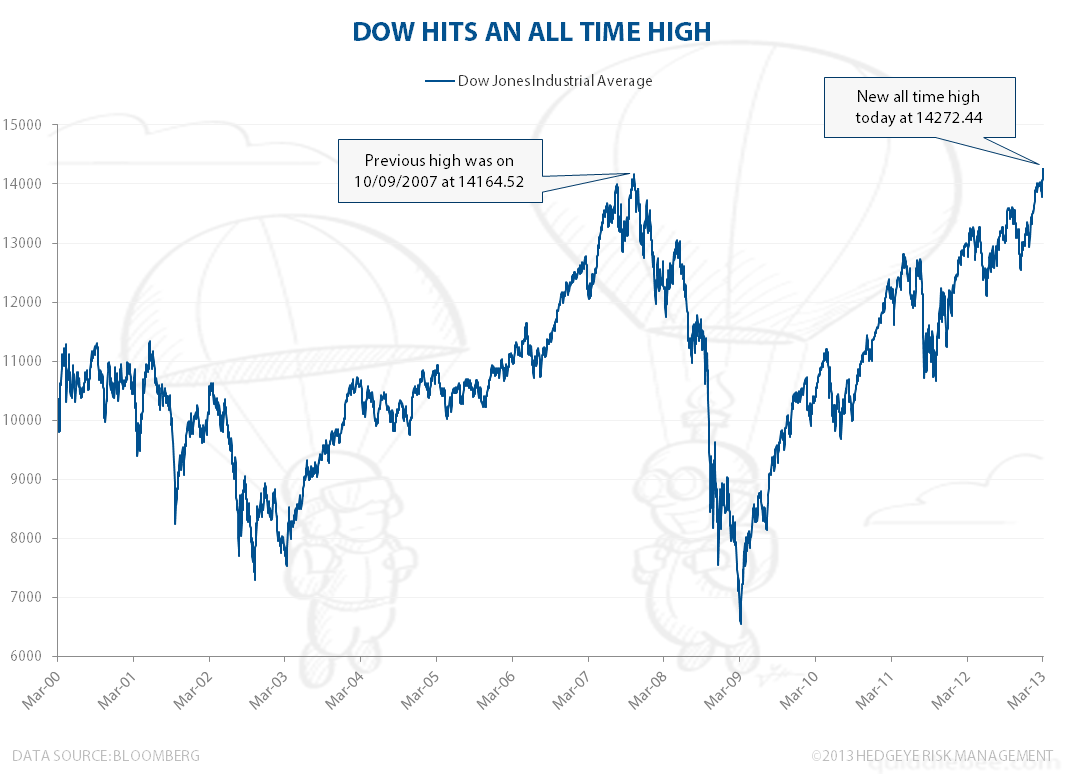
- Robust Corporate Earnings: At its core, the stock market reflects the profitability of companies. Strong and consistent earnings growth across a broad spectrum of industries provides the fundamental impetus for stock prices to rise.
- Economic Growth: A healthy and expanding economy, characterized by low unemployment, rising consumer spending, and increased business investment, creates a fertile ground for corporate success and, consequently, higher stock valuations.
- Technological Innovation: Breakthroughs in technology—from the internet revolution to advancements in artificial intelligence and biotechnology—can unlock new efficiencies, create entirely new markets, and drive explosive growth for pioneering companies.
- Favorable Monetary Policy: Periods of low interest rates, Quantitative Easing (QE), and other accommodative policies by central banks (like the Federal Reserve) can make borrowing cheaper for companies and make equities more attractive relative to other asset classes like bonds.
- Government Fiscal Policy: Tax cuts, infrastructure spending, and other government stimulus measures can inject liquidity into the economy, boosting corporate profits and consumer demand.
- Investor Confidence: A general sense of optimism about the future—economic prospects, corporate leadership, and geopolitical stability—encourages investors to allocate more capital to stocks, driving up demand and prices.
- Global Liquidity: In an interconnected world, the availability of capital flowing into U.S. markets from international investors can also contribute to rising valuations.
These factors rarely act in isolation; rather, they often interact in complex ways, creating periods of sustained growth that propel the Dow to unprecedented levels.
The Significance of All-Time Highs for Investors
When the DJIA sets a new all-time high, it invariably generates headlines and conversation. For investors, these milestones carry a mixed bag of emotions and implications, often serving as both a source of optimism and a trigger for caution. Understanding their true significance requires a balanced perspective.
Bull Market Signals vs. Market Tops
In a classic bull market, new all-time highs are a regular occurrence, signifying an environment where economic fundamentals are strong, corporate earnings are growing, and investor confidence is high. These fresh peaks often reinforce positive sentiment, leading to further buying and potentially extending the rally. For many, a new high is a clear signal that “the trend is your friend,” suggesting continued upside potential.
However, a consistent string of new highs can also spark concerns among some investors and analysts about whether the market is becoming overvalued or “frothy.” There’s always the question of whether a market is nearing a “top”—a peak before a significant correction or bear market. This can lead to what is known as the “fear of missing out” (FOMO) for those on the sidelines, prompting them to jump in at potentially elevated prices, or conversely, it can cause apprehension among current holders, leading them to consider selling. It’s crucial to remember that new highs do not inherently mean a market crash is imminent, nor do they guarantee continued upward trajectory indefinitely. Market corrections are a natural part of the cycle, regardless of how many new highs are set.
Long-Term Perspective
Perhaps the most critical takeaway for investors regarding DJIA all-time highs is the importance of a long-term perspective. Historically, despite numerous corrections, bear markets, and economic crises, the Dow Jones Industrial Average has consistently trended upwards over the long run. Each new all-time high, when viewed in the context of decades of market performance, represents another step in the continuous upward march of economic progress and wealth creation.
This long-term perspective encourages investors not to panic during downturns or become overly euphoric during new highs. Instead, it advocates for a disciplined approach, focusing on enduring investment goals rather than reacting impulsively to daily or weekly market fluctuations. The power of compounding returns over many years often outweighs the impact of short-term volatility, making consistent, long-term investing a robust strategy regardless of whether the market is hitting new highs or experiencing a dip.
Diversification and Risk Management
While the DJIA hitting new highs is often celebrated, it’s vital for investors to remember that the performance of the overall index does not necessarily reflect the performance of every individual stock or sector. Even in a surging bull market that propels the Dow to new records, some companies or industries may be underperforming.
This underscores the perennial importance of diversification. A well-diversified portfolio, spread across various asset classes, industries, and geographies, helps mitigate risk. Relying too heavily on a few stocks, even those in the DJIA, can expose an investor to undue concentration risk. Similarly, robust risk management strategies, including setting clear investment objectives, understanding one’s risk tolerance, and regularly reviewing one’s portfolio, are essential. New all-time highs should prompt investors to ensure their portfolios remain aligned with their long-term goals and risk profile, rather than simply celebrating the rising tide.
Navigating Market Peaks: Strategies for Investors
New all-time highs in the DJIA can be exhilarating, signaling a healthy market and economy. However, they also present unique challenges and considerations for investors. Approaching these peaks with a clear strategy can help optimize returns and manage risk effectively.
Don’t Panic Buy or Sell
One of the biggest pitfalls for investors is succumbing to emotional decision-making. When the DJIA hits new highs, the temptation to “panic buy” (fear of missing out) can be strong, leading individuals to invest in assets without proper due diligence at potentially inflated prices. Conversely, some might “panic sell” out of fear that a market top is imminent, potentially missing out on further gains. Successful investing emphasizes discipline over emotion. Stick to your pre-defined investment plan, which should be based on your financial goals, time horizon, and risk tolerance, not on the latest market headline. Avoid making drastic portfolio changes solely based on new all-time highs.
Rebalance Your Portfolio
Market rallies that lead to new highs can often cause certain asset classes or sectors within your portfolio to grow disproportionately. For example, if technology stocks have been soaring, they might now represent a larger percentage of your portfolio than you originally intended. Rebalancing involves adjusting your portfolio back to its target asset allocation. This typically means selling a portion of your best-performing assets (which might be at new highs) and reallocating those funds to underperforming assets or those that now represent a smaller portion of your portfolio. Rebalancing is a disciplined way to lock in some gains and ensure your portfolio’s risk profile remains consistent with your comfort level. It’s a key strategy for managing risk, especially when asset values are at elevated levels.
Focus on Fundamentals
Regardless of whether the market is at an all-time high or experiencing a correction, the underlying fundamentals of the companies you invest in should always be paramount. Even when the DJIA is soaring, not all stocks are performing equally well, nor are they all equally good investments. Intelligent investors continue to focus on companies with strong balance sheets, robust earnings growth, solid competitive advantages, and reasonable valuations relative to their growth prospects. Rather than chasing the latest hot stock or reacting to broad market movements, delve into the financial health and long-term potential of individual companies. High market levels do not negate the importance of fundamental analysis.
Dollar-Cost Averaging
Dollar-cost averaging is a powerful strategy that involves investing a fixed amount of money at regular intervals, regardless of the market’s performance. This approach means you buy more shares when prices are low and fewer shares when prices are high. When the DJIA is at an all-time high, dollar-cost averaging can help mitigate the risk of investing a lump sum at a peak. By spreading your investments over time, you average out your purchase price, reducing the impact of short-term market fluctuations and preventing you from having to time the market—a notoriously difficult task. This disciplined approach builds wealth steadily and consistently, regardless of whether the market is setting new records or experiencing a downturn.

Conclusion
The question “what is the DJIA all-time high” is more than a simple query about a numerical record; it’s an inquiry into the very fabric of economic progress and investor psychology. While the specific figure is transient, the journey of the Dow to new peaks reflects the enduring power of innovation, corporate resilience, and the long-term upward trajectory of the global economy. For investors, these milestones serve as a powerful reminder of the wealth-generating potential of the stock market.
However, new all-time highs should not be viewed as an invitation for reckless speculation or as a harbinger of imminent doom. Instead, they reinforce the need for a professional, insightful, and disciplined approach to investing. By understanding the DJIA’s composition, appreciating the economic forces that drive its growth, and employing prudent strategies such as diversification, rebalancing, and a steadfast focus on fundamentals, investors can navigate market peaks with confidence. Ultimately, the true value lies not in knowing the exact current all-time high, but in understanding what these moments signify for long-term financial planning and wealth accumulation.
aViewFromTheCave is a participant in the Amazon Services LLC Associates Program, an affiliate advertising program designed to provide a means for sites to earn advertising fees by advertising and linking to Amazon.com. Amazon, the Amazon logo, AmazonSupply, and the AmazonSupply logo are trademarks of Amazon.com, Inc. or its affiliates. As an Amazon Associate we earn affiliate commissions from qualifying purchases.