
Henoch-Schönlein Purpura (HSP), more recently referred to in clinical literature as IgA Vasculitis, represents a significant challenge in pediatric and adult rheumatology. As a systemic vasculitis—an inflammation of the blood vessels—it manifests through a hallmark combination of skin rashes, joint pain, and gastrointestinal involvement. While many associate it primarily with early childhood, understanding the mechanics of this disease is essential for anyone navigating the complexities of chronic health management, patient advocacy, or long-term financial planning for medical care.
Understanding the Pathophysiology of IgA Vasculitis
At its core, HSP is an immune-complex mediated vasculitis. The disease is characterized by the deposition of immunoglobulin A (IgA) complexes in the small blood vessels of the skin, joints, kidneys, and gastrointestinal tract. This deposition triggers an inflammatory cascade, leading to the characteristic symptoms that clinicians look for during a physical examination.

The Role of the Immune System
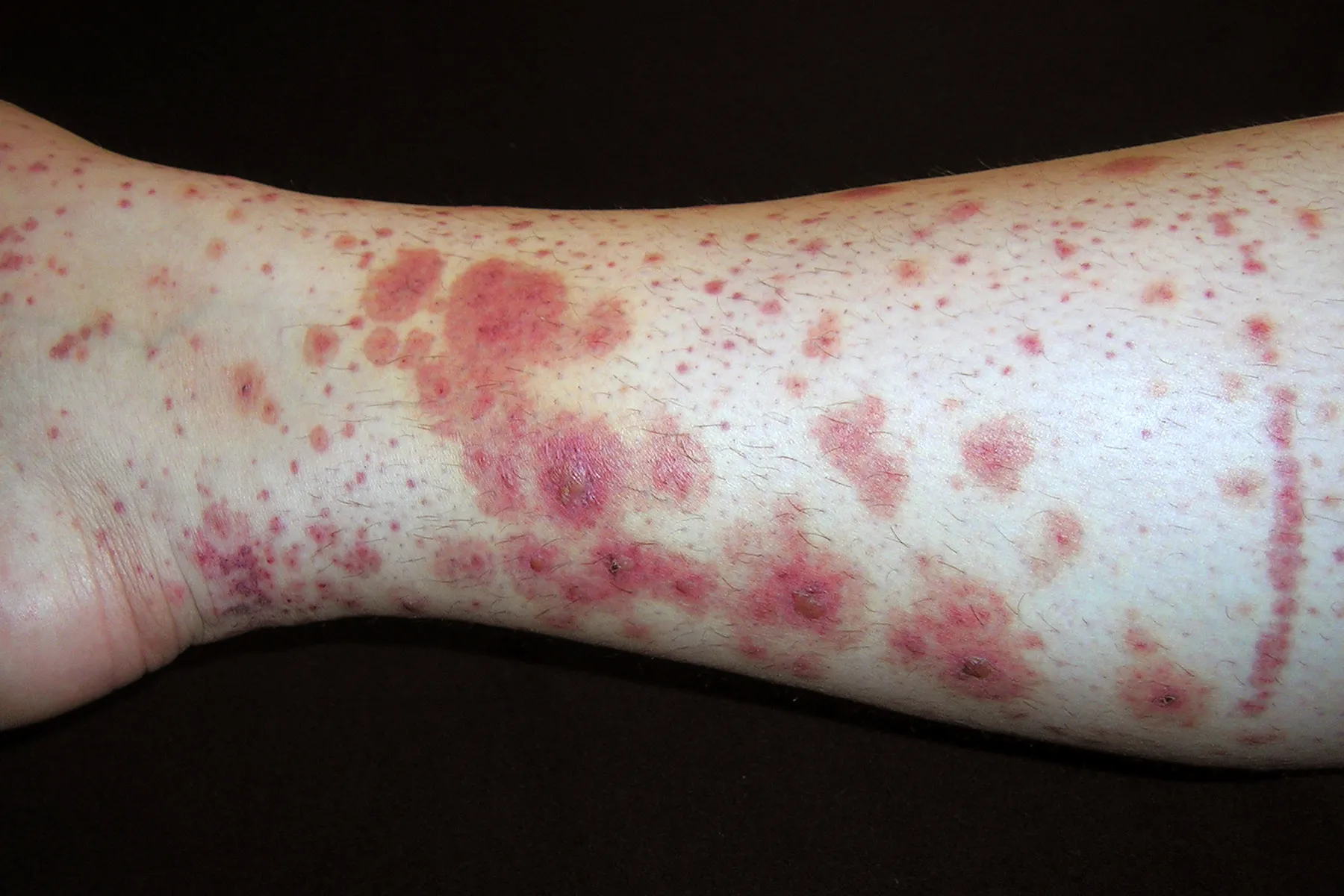
The human immune system is designed to identify and neutralize foreign invaders. In cases of HSP, the body produces an abnormal amount of IgA, an antibody normally responsible for protecting mucosal surfaces. When these IgA complexes accumulate, the blood vessel walls become inflamed and damaged. This inflammation can cause blood to leak into surrounding tissues, resulting in the telltale reddish-purple spots known as palpable purpura.
Triggers and Environmental Factors
While the exact etiology remains idiopathic, the onset of HSP is frequently preceded by upper respiratory tract infections. Viruses such as streptococcus are common triggers. Understanding that the body’s reaction to an external infection can spark an internal systemic response is vital for early detection. The disease is not inherited, nor is it contagious; rather, it is a heightened immune response that temporarily disrupts normal physiological function.
Clinical Presentation and Diagnostic Criteria
The clinical diagnosis of HSP relies on identifying a specific constellation of symptoms. Because there is no single “HSP test,” physicians utilize a combination of clinical observation and diagnostic screening to differentiate it from other forms of vasculitis.
The Hallmark Triad of Symptoms
Most patients present with a combination of three primary manifestations:
- Palpable Purpura: Unlike other rashes, the spots associated with HSP are raised and palpable. They typically appear on the lower extremities, buttocks, and sometimes the arms.
- Arthralgia and Arthritis: Joint pain, particularly in the knees and ankles, is a common early symptom. It is usually transient and does not result in permanent joint damage.
- Abdominal Symptoms: Gastrointestinal involvement occurs in a majority of cases. This can range from mild abdominal pain to severe complications like intussusception, where the bowel telescopes into itself.
Renal Involvement and Long-term Monitoring
The most critical aspect of managing HSP involves monitoring the kidneys. IgA nephritis, or inflammation of the kidneys, can manifest as hematuria (blood in the urine) or proteinuria (excess protein in the urine). Because the risk of renal involvement can persist even after the rash has faded, long-term monitoring is a non-negotiable component of the patient care plan. Clinical guidelines suggest monitoring blood pressure and urine samples at intervals for several months following the initial diagnosis to ensure that permanent renal damage is averted.
Therapeutic Approaches and Management Strategies
The management of HSP is primarily supportive. Because the disease is self-limiting in the vast majority of cases, treatment focuses on alleviating symptoms and reducing the duration of acute flares.
Pain Management and Anti-Inflammatory Medication
For patients suffering from arthralgia or abdominal pain, standard non-steroidal anti-inflammatory drugs (NSAIDs) may be used with caution. However, clinicians must carefully evaluate the risk of gastrointestinal bleeding before prescribing these medications, as the GI tract is already inflamed. Acetaminophen is often preferred for pain relief unless otherwise directed by a specialist.
The Use of Corticosteroids
While corticosteroids are not a cure-all, they are frequently employed in cases where abdominal pain is severe or when there is significant concern regarding systemic involvement. Corticosteroids can help modulate the overactive immune response and mitigate the risk of severe intestinal complications. It is important to note that corticosteroids do not necessarily prevent the development of renal disease, which makes vigilant follow-up tests essential regardless of the initial treatment path.
Nutrition and Lifestyle Considerations
During an active flare, patients are often advised to maintain a soft diet to minimize irritation to the gastrointestinal tract. Staying hydrated and getting adequate rest are fundamental to allowing the body’s immune system to stabilize. Patients are typically advised to avoid strenuous activity during the acute phase, especially if joint pain is prominent, to prevent exacerbating the physical manifestations of the vasculitis.
Navigating the Healthcare System and Financial Implications
Living with a chronic or recurring condition such as HSP requires more than just medical attention; it requires proactive management of health resources. Patients and caregivers often find themselves navigating a complex web of specialist appointments, laboratory tests, and prescription requirements.
Managing Medical Costs
The financial burden of chronic illnesses can accumulate quickly. From co-pays for rheumatology specialists to the cost of recurring urinalysis and blood pressure monitoring, having a clear understanding of your insurance coverage is paramount. Many families find that setting aside funds in a Health Savings Account (HSA) or Flexible Spending Account (FSA) provides a necessary buffer for out-of-pocket expenses associated with laboratory monitoring.
Coordinating Care Between Specialists
Effective management of HSP often requires a multidisciplinary approach. A pediatrician or general practitioner may be the first point of contact, but a pediatric rheumatologist or a nephrologist is often required for comprehensive care. Maintaining a centralized medical record—or utilizing digital health platforms—can help ensure that all specialists involved in the care are aligned on the patient’s progress and medication history.
Advocacy and Patient Education
Empowerment through education is the best tool for any patient. Understanding the phases of the disease allows for better communication with healthcare providers. By keeping a log of symptom onset, intensity, and duration, patients can provide their medical team with the granular data needed to make informed decisions. Furthermore, joining established patient support groups can offer psychological support and practical advice on managing the day-to-day realities of life with a vasculitic condition.

Future Research and Clinical Outlook
The outlook for individuals diagnosed with HSP is generally excellent, with most patients making a full recovery without long-term sequelae. However, ongoing research is focused on identifying biomarkers that could predict which patients are at a higher risk for developing chronic kidney disease.
As medical technology advances, the ability to screen for early markers of renal stress becomes more precise. Future therapeutic approaches may include more targeted biological agents that address the underlying immune dysfunction without the systemic side effects of corticosteroids. Staying informed about these clinical developments is crucial for those interested in the evolving landscape of immunology and patient care.
Ultimately, while the diagnosis of IgA Vasculitis can be distressing, the combination of early clinical intervention, consistent monitoring of renal function, and a proactive management plan ensures that the vast majority of patients can lead healthy, active lives. The key lies in maintaining vigilance, ensuring open communication with your medical team, and leveraging available resources to manage both the clinical and logistical aspects of the disease.
aViewFromTheCave is a participant in the Amazon Services LLC Associates Program, an affiliate advertising program designed to provide a means for sites to earn advertising fees by advertising and linking to Amazon.com. Amazon, the Amazon logo, AmazonSupply, and the AmazonSupply logo are trademarks of Amazon.com, Inc. or its affiliates. As an Amazon Associate we earn affiliate commissions from qualifying purchases.