
The culinary world often treats yams and sweet potatoes interchangeably, leading to widespread confusion, especially in Western markets where many “yams” sold are, in fact, sweet potatoes. While traditionally a question rooted in botany and culinary science, the modern era brings a compelling technological dimension to this ancient distinction. Understanding the subtle (and sometimes not-so-subtle) differences between Dioscorea species (true yams) and Ipomoea batatas (sweet potatoes) is no longer just an academic pursuit; it has profound implications for precision agriculture, advanced food processing, supply chain management, and even consumer-facing applications powered by artificial intelligence and digital tools. This article delves into how technology is transforming our ability to identify, cultivate, and manage these two distinct and economically important root vegetables.
The Challenge of Botanical Distinction in the Digital Age
The fundamental confusion between yams and sweet potatoes creates a ripple effect across various sectors, from agricultural planning to retail sales. In an increasingly data-driven world, this ambiguity presents a significant challenge that traditional methods struggle to resolve efficiently.
Misidentification and Market Impact
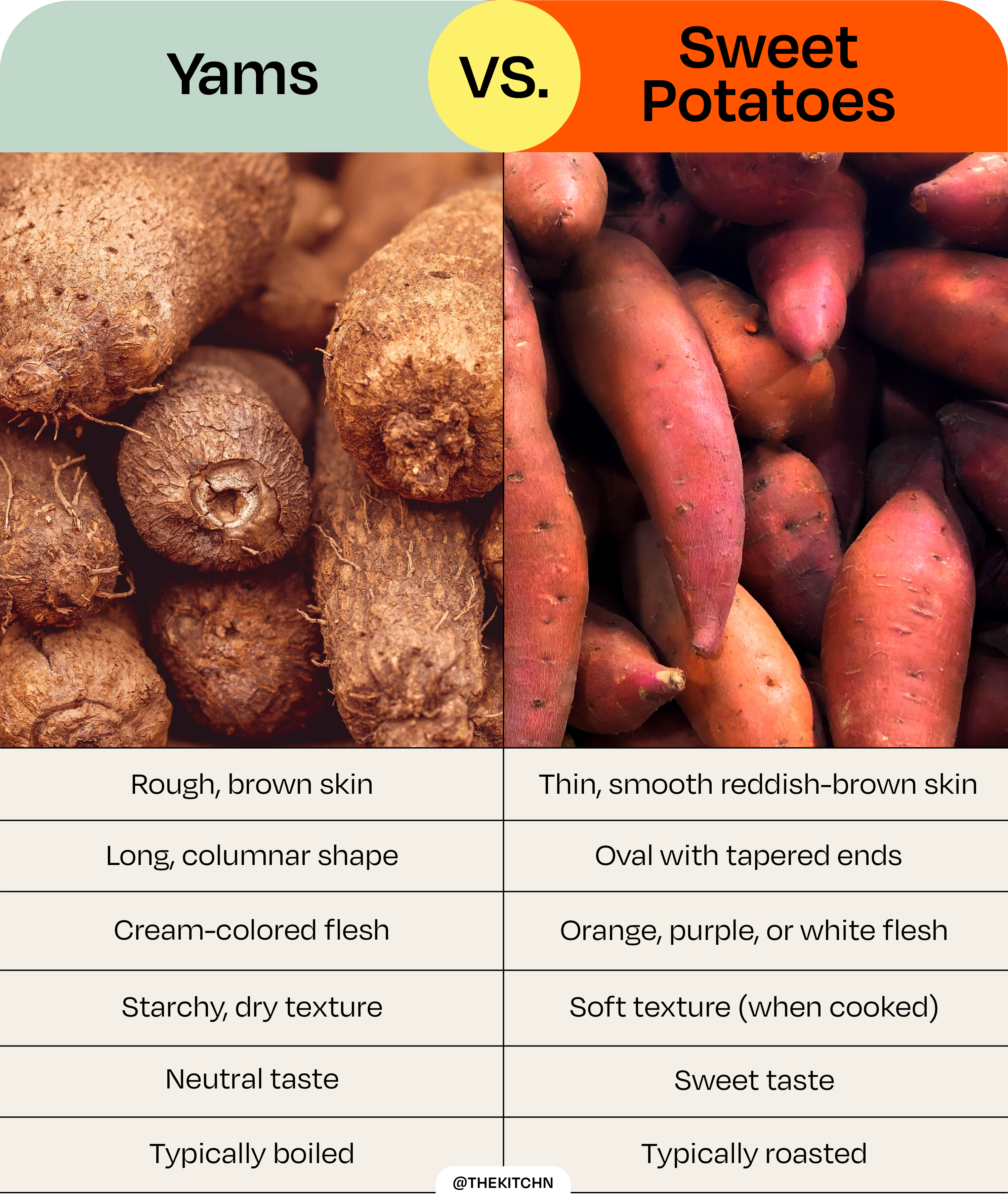
One of the primary drivers for technological intervention is the pervasive misidentification. In many parts of the world, particularly North America, the term “yam” is often a marketing label applied to soft, orange-fleshed sweet potatoes, primarily to differentiate them from firmer, lighter-fleshed varieties. This misnomer obscures the identity of true yams, which are botanically distinct, originating from Africa and Asia, and boasting a much tougher, bark-like skin and a starchier, less sweet flesh. The implications of this mislabeling are manifold:
-
Consumer Expectations: Shoppers expecting the texture or flavor profile of a true yam might be disappointed by a sweet potato, and vice-versa, leading to culinary mishaps and dissatisfaction.
-
Market Transparency: The lack of clear distinction can hinder fair trade practices and make it difficult for producers of authentic yams to market their product effectively against often cheaper, mislabeled alternatives.
-
Nutritional Accuracy: While both are nutritious, their precise nutritional profiles differ, affecting dietary planning and health recommendations when based on incorrect identification.
This human-level confusion underscores the need for objective, automated differentiation methods that bypass marketing jargon and rely on scientific data.
Data Gaps and Traditional Methods
Traditionally, distinguishing between yams and sweet potatoes relies on visual inspection, tactile evaluation, and sometimes internal examination after cutting. These methods are subjective, time-consuming, and prone to human error, especially when dealing with the vast diversity within both species. For instance, some yam varieties might visually resemble certain sweet potato types, making manual differentiation challenging for untrained personnel.
Such traditional methods create significant data gaps in large-scale operations. Without precise data points on individual tubers or batches, it becomes difficult to:
-
Optimize storage conditions tailored to each crop’s specific needs.
-
Implement targeted processing techniques.
-
Track the genuine origin and identity of produce through complex supply chains.
The limitations of manual, qualitative assessment highlight the critical role technology can play in providing quantifiable, robust data for accurate species identification and quality control.
AI and Machine Vision for Accurate Identification
The advent of artificial intelligence and advanced machine vision systems offers a powerful solution to the challenge of differentiating yams and sweet potatoes at an unprecedented scale and accuracy. These technologies move beyond human perception, leveraging algorithms to identify subtle patterns and characteristics.
Image Recognition and Machine Learning Algorithms
At the forefront of automated identification are image recognition systems powered by machine learning, particularly convolutional neural networks (CNNs). These AI models are trained on extensive datasets comprising thousands of images of various yam and sweet potato species and varieties, captured under diverse conditions. The algorithms learn to identify distinguishing features such as:
-
Shape and Size: Yams typically exhibit more irregular, elongated, or cylindrical shapes, while sweet potatoes are often blockier and more uniform.
-
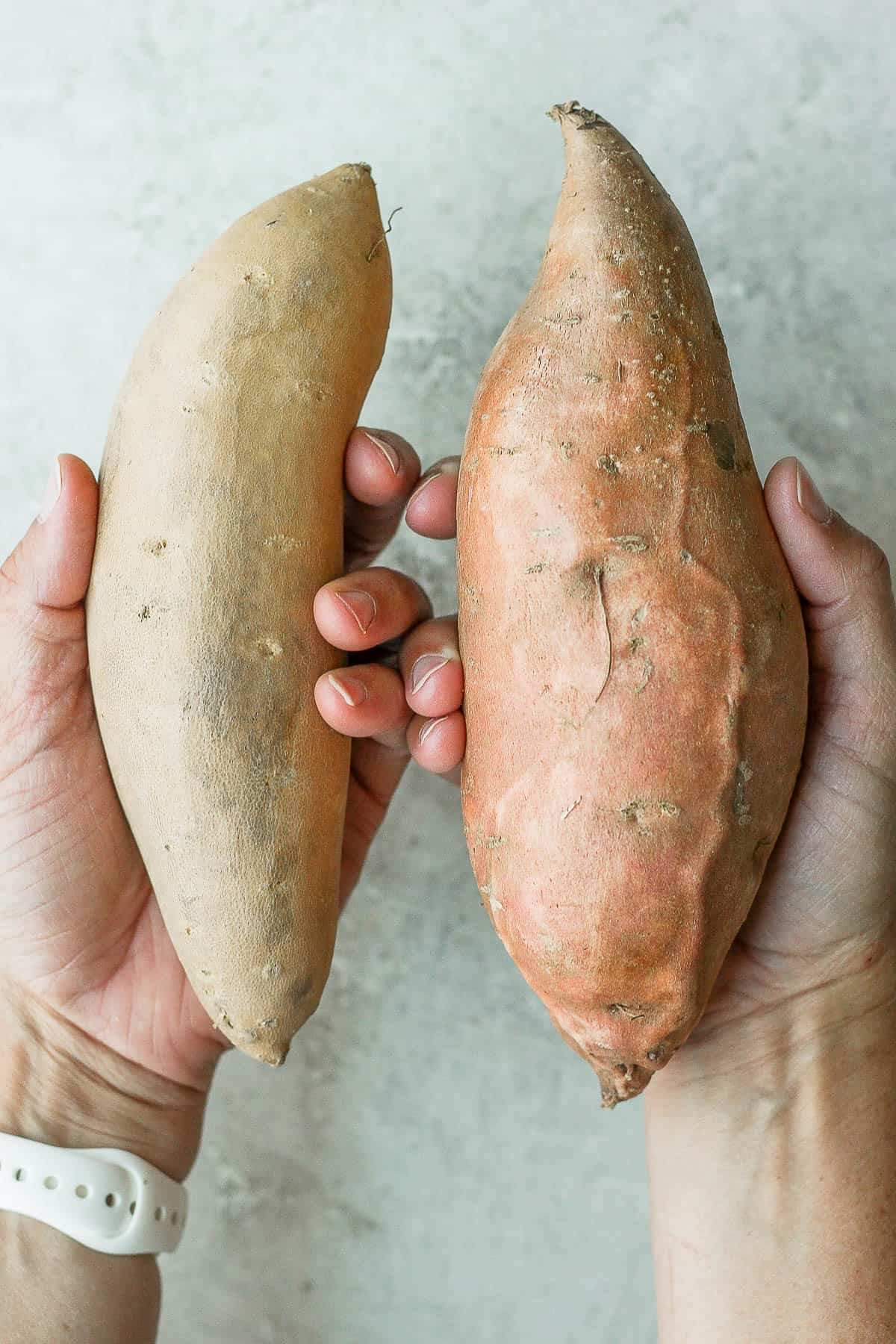
Skin Texture and Color: True yams have rough, scaly, or bark-like skin, often dark brown or black, which is distinct from the smoother, thinner skin of sweet potatoes, which range from reddish-brown to purple or white.
-
Internal Flesh Color: While variable, sweet potatoes often have orange, yellow, or white flesh, whereas yams tend to have white, cream, or sometimes purplish flesh.
Once trained, these AI models can perform real-time classification with high accuracy on automated sorting lines, significantly speeding up the process and reducing errors. This technology can even be integrated into consumer-facing mobile applications, empowering individuals to identify produce instantly using their smartphone cameras.
Hyperspectral Imaging and Spectroscopy
Beyond mere visual cues, even more advanced technologies like hyperspectral imaging and spectroscopy offer deeper insights into the chemical and physical composition of tubers. These methods utilize different wavelengths of light to analyze properties invisible to the human eye, providing a “chemical fingerprint” for each root vegetable.
-
Hyperspectral Imaging: Captures images across a wide spectrum of light, allowing for analysis of internal quality attributes such as moisture content, sugar levels, starch content, and even the presence of diseases or defects. This can precisely differentiate between the starchier yams and the often sweeter sweet potatoes based on their inherent chemical makeup.
-
Spectroscopy (e.g., Near-Infrared Spectroscopy): Measures the absorption and reflection of light at specific wavelengths to identify unique molecular components. This can provide definitive data on the biochemical differences, offering a robust method for authenticating species and even specific varieties.
These advanced analytical tools are invaluable for research, quality control in processing plants, and combating food fraud, ensuring that products are accurately identified and meet specified standards.
Smart Agriculture: Optimizing Cultivation for Yams and Sweet Potatoes

The distinct botanical natures of yams and sweet potatoes mean they have different ideal growing conditions and cultivation requirements. Smart agriculture technologies enable farmers to tailor their practices with unprecedented precision, optimizing yields and quality for each crop.
Precision Farming and IoT Sensors
Internet of Things (IoT) sensors deployed across fields collect real-time data on critical environmental factors. This granular data allows for highly precise interventions, moving away from broad-stroke farming practices.
-
Soil Monitoring: Sensors measure soil moisture levels, nutrient content (nitrogen, phosphorus, potassium), pH, and temperature. While both crops prefer well-drained soil, yams often require a longer growing season and may have different nutrient uptake patterns compared to sweet potatoes, which prefer warmer soil temperatures for optimal tuberization. IoT data allows farmers to fine-tune irrigation and fertilization schedules specifically for the needs of each crop.
-
Environmental Control: Weather stations and microclimate sensors provide data on air temperature, humidity, and sunlight exposure, crucial for predicting growth cycles, disease outbreaks, and informing protective measures.
-
Data Analytics: Aggregated sensor data, analyzed using AI, can predict yield, identify potential problems before they escalate, and recommend optimal planting and harvesting times, ensuring that each crop is cultivated under its ideal conditions.
Robotics and Automation in Harvesting
Harvesting root crops can be labor-intensive and prone to damaging the delicate tubers. Robotics and automation are emerging as solutions to improve efficiency and reduce post-harvest losses.
-
Automated Harvesters: Robotic systems equipped with machine vision and advanced manipulators can identify mature tubers, delicately extract them from the soil, and even perform an initial sorting. This is particularly beneficial for yams, which can be irregularly shaped and deeply embedded, making manual harvesting challenging.
-
Damage Reduction: Automated systems can apply consistent force and gentle handling, minimizing bruising and cuts that shorten shelf life.
-
Efficiency and Labor Savings: Robotics can operate continuously, reducing reliance on manual labor, which is increasingly scarce in many agricultural regions. Moreover, the precision of robotic harvesting ensures fewer tubers are left unharvested in the field.
By leveraging these technologies, farmers can move towards hyper-efficient and sustainable cultivation of both yams and sweet potatoes, ensuring optimal quality and yield for distinct market needs.
Processing and Supply Chain Innovation
Once harvested, ensuring that yams and sweet potatoes are correctly identified, sorted, and traced through the supply chain is crucial for market integrity and consumer trust. Technological innovations are streamlining these processes, enhancing efficiency and transparency.
Automated Sorting and Grading Systems
Post-harvest, automated systems take over the laborious task of sorting and grading. These systems integrate various technologies to ensure consistency and accuracy:
-
Vision Systems: High-speed cameras and AI algorithms analyze each tuber for size, shape, color, and surface defects, distinguishing between species with high precision. This ensures that “yams” are truly yams and sweet potatoes are correctly categorized.
-
Weight and Density Sensors: These sensors can further refine sorting based on weight and density, which can correlate with internal quality and help differentiate species.
-
Automated Packaging: Once sorted and graded, tubers are automatically directed to appropriate packaging lines, ready for distribution.
These systems significantly reduce manual labor, minimize errors, prevent mislabeling, and ensure that only quality produce reaches the market, adhering to specific market standards and regulatory requirements.
Blockchain for Transparency and Traceability
In a globalized food system, knowing the true origin and journey of food products is paramount. Blockchain technology provides an immutable and transparent ledger that can track yams and sweet potatoes from the farm gate to the consumer.
-
Immutable Records: Each stage of the supply chain—planting, harvesting, processing, shipping, and retail—can be recorded as a transaction on a blockchain. This includes critical data like species identification, growing conditions, pesticides used, and handling practices.
-
Enhanced Food Safety: In the event of a recall or food safety concern, blockchain enables rapid tracing of contaminated batches back to their source, minimizing public health risks.
-
Consumer Trust: Consumers can scan QR codes on product packaging to access detailed information about their produce, verifying its authenticity, origin, and the ethical practices of its producers. This level of transparency builds trust and empowers informed purchasing decisions, especially important for distinguishing premium, authentic yams from mislabeled sweet potatoes.
The Future of Differentiation: From Farm to Fork Technology
The technological advancements in distinguishing and managing yams and sweet potatoes are not static; they are continuously evolving, promising even greater precision and accessibility in the future.
Consumer-Facing Applications
The power of identification technology is increasingly moving into the hands of consumers.
-
Mobile Identification Apps: Sophisticated smartphone applications will use enhanced camera vision and AI to instantly identify tubers in grocery stores, providing not only species information but also details on variety, nutritional facts, and even recipe suggestions tailored to the specific root vegetable.
-
Augmented Reality (AR) Shopping: Imagine AR overlays in supermarkets that highlight the differences between true yams and sweet potatoes, offering a richer, more informative shopping experience.
-
Personalized Dietary Planning: As technology integrates with smart kitchen devices, precise identification of ingredients will enable more accurate nutritional tracking and personalized meal recommendations.
Advanced Research and Development
The foundational understanding of yams and sweet potatoes continues to be refined through cutting-edge research, often powered by technology.
-
Biotechnology and Genetic Sequencing: Advanced genomics and bioinformatics are mapping the precise genetic differences between yam and sweet potato species and their numerous varieties. This molecular-level differentiation can lead to genetic markers for rapid, definitive identification and guide breeding programs to develop varieties with improved traits.
-
Data Analytics in Agricultural Economics: Large-scale data analytics will provide deeper insights into global supply and demand patterns, market trends, and economic impacts of both crops, informing policy decisions and investment strategies.
-
Novel Sensor Development: Research into new types of sensors (e.g., electronic noses for volatile organic compounds, advanced seismic sensors for root growth) could offer even more nuanced and non-invasive methods for identification and quality assessment.
Conclusion
The age-old question, “What is the difference between yam and sweet potato?” has evolved from a simple botanical query into a complex challenge that technology is uniquely positioned to address. From AI-powered image recognition and hyperspectral imaging that precisely differentiate between species, to smart farming techniques that optimize their distinct cultivation, and blockchain-enabled supply chains that ensure transparency, technology is reshaping every aspect of how these root vegetables are understood, managed, and consumed. Beyond botanical curiosity, accurate differentiation has significant implications for agricultural efficiency, market integrity, food security, and consumer confidence. As technology continues to advance, we can look forward to a future where the distinction between yam and sweet potato is not just a matter of knowledge but a testament to the power of innovation in our global food systems.
aViewFromTheCave is a participant in the Amazon Services LLC Associates Program, an affiliate advertising program designed to provide a means for sites to earn advertising fees by advertising and linking to Amazon.com. Amazon, the Amazon logo, AmazonSupply, and the AmazonSupply logo are trademarks of Amazon.com, Inc. or its affiliates. As an Amazon Associate we earn affiliate commissions from qualifying purchases.