
In the world of personal finance and precious metals investing, precision is not just a matter of semantics—it is a matter of capital. For the uninitiated, the term “ounce” seems straightforward, a standard unit of weight encountered daily at the grocery store or in the kitchen. However, for those looking to diversify their portfolios with gold, silver, or platinum, the “troy ounce” is the only metric that truly matters.
Understanding the difference between the common Avoirdupois ounce and the specialized troy ounce is a foundational requirement for any serious investor. Miscalculating this difference by even a small margin can lead to significant financial discrepancies, especially when dealing with high-value commodities where a single unit can be worth thousands of dollars.

The Avoirdupois Ounce: The Standard for the Masses
The ounce that most people are familiar with belongs to the Avoirdupois system. This system is the standard for weighing almost everything in the United States, from sugar and flour to mail and body weight. In this system, one pound is divided into 16 ounces.
The Mathematical Breakdown of the Standard Ounce
In the metric system, which is used for international comparison, one Avoirdupois ounce is equivalent to approximately 28.35 grams. This measurement is the bedrock of retail commerce and logistics. When you see a “10-ounce” steak on a menu or a “12-ounce” box of cereal, you are dealing with Avoirdupois units.
Why the Standard Ounce Exists
The word “avoirdupois” comes from the Old French aveir de peis, meaning “goods of weight.” Historically, it was designed for weighing bulky, heavy items that were traded in large quantities. Because it is the default unit for most English-speaking countries (particularly the U.S.), many novice investors mistakenly apply this weight to precious metals, leading to an immediate undervaluation of their assets.
The Troy Ounce: The Gold Standard of Weight
When you enter the realm of the bullion market, the rules change. The troy ounce (oz t) is the traditional unit of weight for precious metals and gemstones. It is the only unit of weight used in the global “spot price” of gold, silver, and platinum. If you check the financial news and see that gold is trading at $2,000, that price refers specifically to one troy ounce.
The Mathematical Breakdown of the Troy Ounce
A troy ounce is heavier than a standard ounce. One troy ounce is equivalent to exactly 31.1034768 grams. When compared to the standard ounce (28.35 grams), the troy ounce is approximately 9.7% heavier.
This difference might seem negligible to a casual observer, but in the context of high-stakes investing, it is monumental. If you were to buy 100 “standard” ounces of gold thinking they were troy ounces, you would be short-changing yourself by nearly 10 ounces—a mistake that could cost you tens of thousands of dollars at current market rates.
The Origin and Persistence of Troy Weight
The troy system is believed to have originated in the Middle Ages at the trade fair of Troyes in France. Merchants from across the world needed a standardized measurement for high-value goods like gold and spices. While the Avoirdupois system eventually dominated general commerce, the troy system remained the undisputed king of the financial markets. The British Empire officially adopted the troy ounce for coinage in the early 16th century, and it has remained the global standard for precious metals ever since.
The Counter-Intuitive Comparison: Ounces vs. Pounds
One of the most confusing aspects of these two systems is how they relate to the “pound.” In the Avoirdupois system, there are 16 ounces in a pound. However, in the troy system, there are only 12 troy ounces in a troy pound.
The Weight Paradox
Because of these differing structures, an interesting paradox emerges that often trips up even seasoned financial enthusiasts:
- A single troy ounce is heavier than a single Avoirdupois ounce.
- However, an Avoirdupois pound is heavier than a troy pound.
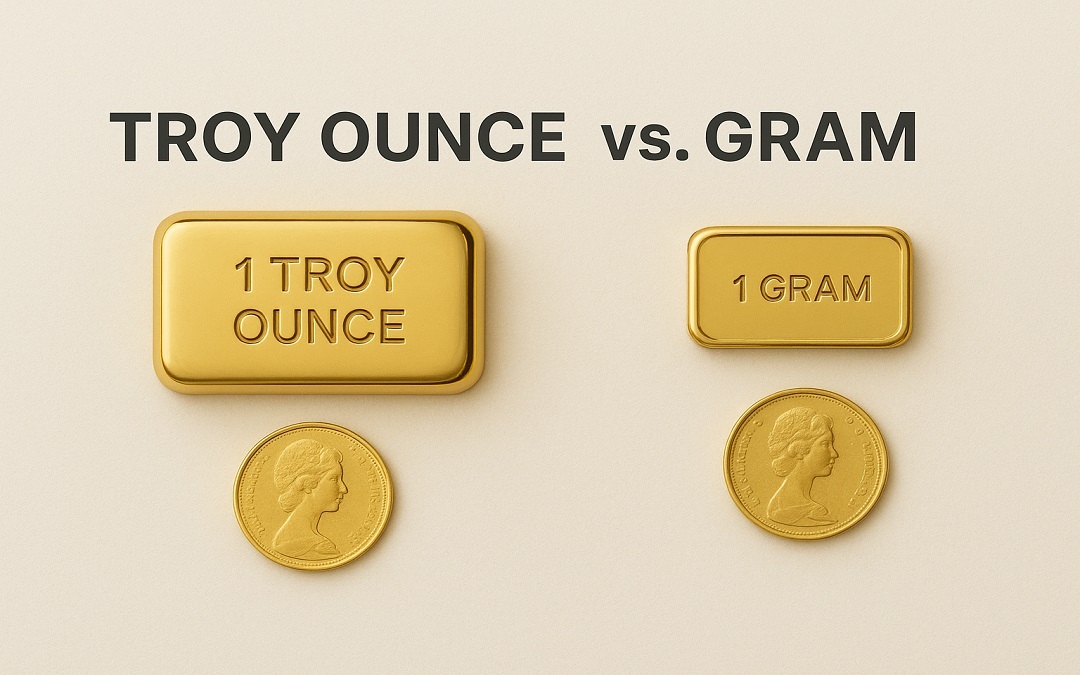
A standard Avoirdupois pound weighs approximately 453.59 grams (16 x 28.35g). A troy pound weighs approximately 373.24 grams (12 x 31.1g). This discrepancy is why professional bullion dealers rarely talk in terms of “pounds.” Instead, they stick almost exclusively to troy ounces or kilograms to avoid any potential for legal or financial confusion.
Financial Implications for Investors and Collectors
For anyone engaging in physical gold or silver investing, the distinction between these two ounces is the first line of defense against bad deals and fraudulent sellers. Understanding the “troy” standard is essential for calculating value, assessing premiums, and ensuring liquidity.
Calculating the “Spot Price”
When you see the spot price of gold on a financial app or a news ticker, that price is quoted in troy ounces. If you are purchasing a gold coin or bar, the dealer will charge you the spot price plus a “premium.” This premium covers the cost of refining, minting, and the dealer’s profit margin.
If a dealer attempts to sell you a “one-ounce” coin but uses Avoirdupois weight, they are effectively charging you for more gold than you are receiving. Always verify that any bullion product is marked with “troy ounce” or “oz t.”
The Pitfalls of Kitchen Scales
A common mistake made by hobbyists or those inheriting family heirlooms is weighing their items on a standard digital kitchen scale. Most household scales are programmed for Avoirdupois ounces. If you weigh a one-troy-ounce gold coin on a kitchen scale, it will display approximately 1.1 ounces. If you don’t understand the difference, you might believe you have more gold than you actually do, leading to disappointment when you attempt to sell the asset to a professional refinery or coin shop.
International Trade and Metric Conversions
In recent decades, the move toward the metric system has simplified some aspects of precious metal trading, but the troy ounce remains the dominant unit in the U.S., UK, and many parts of Asia. Most modern bullion bars are now marked with both their troy ounce weight and their gram weight (e.g., 31.1g). When in doubt, the gram weight is the most reliable way to verify the actual metal content, as it bypasses the confusion between the two different types of ounces.
Best Practices for Wealth Management in Precious Metals
As you build a portfolio that includes hard assets, your mastery of these measurements will dictate your success in the secondary market. Managing your wealth effectively requires a meticulous approach to every detail, including the units of measurement used for your holdings.
1. Verify Markings on Bullion
When purchasing bars or coins, look for the stamp. Reputable mints like the U.S. Mint, the Royal Canadian Mint, or PAMP Suisse will clearly state “1 oz Fine Gold” or “1 Troy Oz Silver.” If a bar is only marked “1 oz,” exercise caution and verify the weight in grams (it should be 31.1g).
2. Understand the Liquidity of Troy Ounces
The global market for gold is highly liquid specifically because everyone agrees on the troy ounce as the unit of account. When you hold troy-weight assets, you can sell them in London, New York, Tokyo, or Zurich without needing to recalculate the fundamental value of the metal. If you were to hold assets weighed in non-standard units, you would likely face “assay fees” or lower buy-back prices as dealers work to convert the weight into a tradeable format.
3. Accounting and Tax Reporting
For high-net-worth individuals, the difference in weight can also impact tax reporting. If you are reporting the value of your precious metal holdings for estate planning or capital gains purposes, using the wrong ounce can lead to a 10% error in your valuation. In the eyes of tax authorities, such an error could lead to audits or penalties. Always ensure your appraisals are conducted by professionals who specify weights in troy ounces.

Conclusion: The Language of Value
In the context of money and finance, the difference between a troy ounce and an ounce is the difference between professional investing and amateur guesswork. The Avoirdupois ounce is for the supermarket; the troy ounce is for the vault.
By recognizing that a troy ounce is roughly 10% heavier than a standard ounce, and that the troy system is the only recognized standard in the global commodities market, you protect your purchasing power and ensure that your investments are accurately valued. Whether you are “stacking” silver as a hedge against inflation or diversifying a multi-million dollar portfolio with gold bullion, the troy ounce is the metric of truth in the world of finance. Always weigh your options—and your assets—with the correct scale.
aViewFromTheCave is a participant in the Amazon Services LLC Associates Program, an affiliate advertising program designed to provide a means for sites to earn advertising fees by advertising and linking to Amazon.com. Amazon, the Amazon logo, AmazonSupply, and the AmazonSupply logo are trademarks of Amazon.com, Inc. or its affiliates. As an Amazon Associate we earn affiliate commissions from qualifying purchases.