
In the intricate world of brand building, where perception is currency and reputation is paramount, understanding the nuances of human bias is not merely a social responsibility—it’s a strategic imperative. Brands, whether corporate entities or individual professionals, operate within a complex societal fabric woven with preconceptions, judgments, and actions that can profoundly shape their trajectory. To navigate this landscape effectively, it is critical to grasp the distinct differences between stereotypes, prejudice, and discrimination. While often used interchangeably, these terms represent escalating levels of bias, each with unique implications for brand strategy, marketing, corporate identity, and personal branding.

Ignoring these distinctions can lead to missteps that erode trust, alienate target audiences, and inflict lasting damage on a brand’s equity. Conversely, a deep understanding empowers brands to foster inclusivity, build authentic connections, and cultivate a resilient, respected presence in the marketplace. This article will dissect these three powerful concepts, illustrating their manifestations within the brand ecosystem and offering insights into how strategic awareness can lead to more impactful and ethical branding.
The Foundational Concepts: Defining Stereotypes, Prejudice, and Discrimination
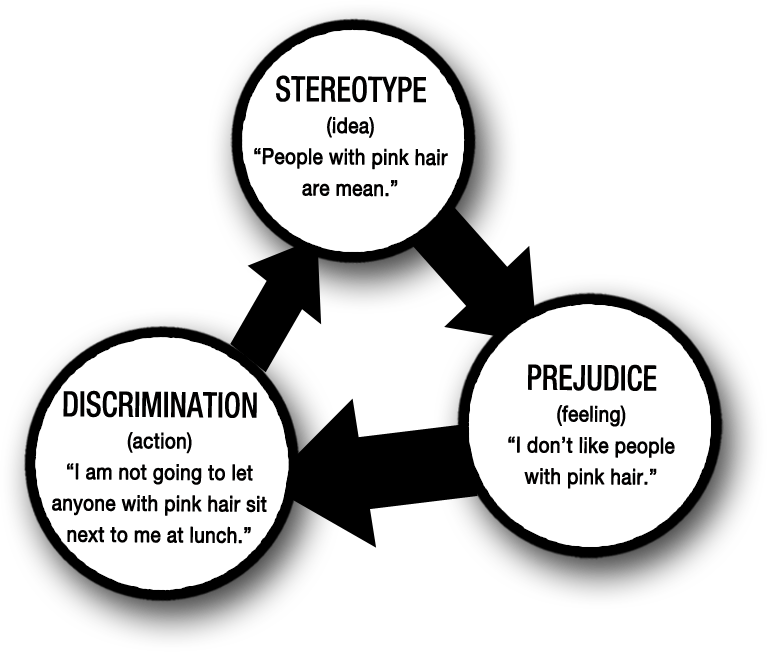
To address these issues strategically within a brand context, we must first establish a clear understanding of each term individually. They represent a progression from cognitive shortcuts to emotional responses, culminating in observable actions.
Stereotypes: The Cognitive Shortcut
A stereotype is an oversimplified, often generalized, and fixed belief about a particular group of people. It’s a cognitive shortcut, a mental categorization process that allows our brains to quickly process information about groups by attributing a set of characteristics to all members. Stereotypes can be positive, negative, or neutral, though negative ones tend to be more pervasive and damaging. They are based on assumptions, often learned culturally, rather than direct experience or individual characteristics.
In branding, stereotypes manifest frequently. Consider the “strong man” stereotype often used in car advertisements (rugged, adventurous, dominant) or the “nurturing mother” in cleaning product campaigns (caring, domestic, flawless). These are simplified representations of gender roles. Similarly, age stereotypes might dictate that young people are tech-savvy while older generations are technophobic, influencing product design or marketing channels. Racial or ethnic stereotypes, whether explicit or implicit, can lead to brands misrepresenting or entirely omitting certain demographics, or worse, reinforcing harmful tropes in their advertising, such as associating certain ethnic groups with specific types of labor or socioeconomic status. For a personal brand, being a woman in tech might immediately trigger a stereotype about a lack of technical prowess, regardless of actual skill or experience. These mental shortcuts, while seemingly benign, lay the groundwork for more problematic biases.
Prejudice: The Affective Response
Prejudice takes stereotypes a step further by adding an emotional or affective component. It is a preconceived negative judgment or opinion formed about a group of people or an individual before having sufficient knowledge or experience. Prejudice is an attitude, a feeling—often hostile or negative—rooted in a stereotype, but it doesn’t necessarily involve direct action. It’s the internal bias, the unfair dislike, distrust, or contempt for an individual or group based on their perceived membership in a particular category (e.g., race, gender, religion, sexual orientation, age, disability).
For brands, prejudice can manifest in internal decision-making or in how certain market segments are perceived by the brand’s leadership or marketing teams. A company might hold prejudicial views about a particular demographic’s purchasing power or lifestyle choices, leading to their exclusion from target audience analyses, product development, or campaign budgets. For example, assuming an older demographic won’t be interested in innovative tech gadgets due to ageist prejudice means missing a potentially lucrative market. In personal branding, prejudice can impact how a professional’s resume is reviewed (e.g., a “foreign-sounding” name triggering unconscious bias) or how their ideas are received in a meeting. A VC might unconsciously dismiss a pitch from a female founder due to a prejudiced belief about women’s leadership capabilities in tech, regardless of the merit of the business plan. This internal bias, while not yet an outward action, shapes internal strategy and resource allocation, profoundly affecting a brand’s reach and inclusivity.
Discrimination: The Behavioral Manifestation
Discrimination is the behavioral outcome of prejudice. It is the unfair or prejudicial treatment of different categories of people or things, especially on the grounds of race, age, sex, or disability. While stereotypes are beliefs and prejudice is an attitude, discrimination is an action. It involves treating individuals or groups differently, often negatively, based on their group membership rather than their individual merits or characteristics.
In the brand context, discrimination can be overt or subtle, systemic or individual. It can be seen when a brand’s hiring practices disproportionately favor one demographic over another, leading to a lack of diversity in its corporate identity. It manifests in marketing campaigns that explicitly exclude or mock certain groups, or in customer service policies that offer inferior treatment to specific segments. For example, a financial institution might implicitly or explicitly deny loans to applicants from certain neighborhoods, a practice known as redlining, which is a form of economic discrimination. An e-commerce platform might inadvertently (or purposefully) show different pricing or product availability based on a user’s IP address or perceived demographic profile.
For personal brands, discrimination can be the refusal to hire, promote, or collaborate with an individual based on their identity, despite their qualifications. It could be the pay gap between men and women in the same role, or the lack of speaking opportunities for professionals from underrepresented groups. This is where the internal biases of prejudice translate into tangible, often harmful, consequences, affecting opportunities, access, and overall brand success.
The Brand Impact: How These Concepts Shape Perception and Strategy
Understanding the definitions is the first step; the next is to recognize their pervasive influence on a brand’s strategic decisions and its ultimate reception in the market. Each level of bias—from cognitive shortcut to harmful action—has distinct repercussions.
Stereotypes in Marketing and Advertising
Stereotypes are a double-edged sword in marketing. On one hand, marketers sometimes rely on them for quick audience segmentation and to create easily recognizable characters or scenarios. The “harried parent” stereotype might be used to sell convenience products, for instance. However, this reliance often leads to lazy, uncreative, and ultimately alienating campaigns. Brands that perpetuate harmful or outdated stereotypes—such as depicting women solely in domestic roles, racial minorities in subservient positions, or certain age groups as incompetent—risk alienating large segments of their potential customer base.
Modern consumers, particularly younger generations, are acutely aware of social justice issues and expect brands to reflect diverse realities. A brand that uses stereotypical imagery or narratives can quickly be perceived as out of touch, insensitive, or even offensive. This damages brand reputation, reduces authenticity, and can lead to boycotts or widespread public criticism, proving that what might seem like a simple marketing choice can have significant brand equity implications.
Battling Prejudice in Brand Perception
Prejudice, being an internal attitude, is harder to directly combat in the public sphere, but its effects on brand perception are profound. If a brand’s internal culture or leadership harbors prejudices, these will inevitably leak into external communications, product development, and customer interactions. For example, a brand whose leaders hold unconscious biases against a particular demographic might consistently fail to innovate products or services that appeal to that group, thereby missing significant market opportunities and signaling an exclusionary stance.
Furthermore, a brand’s perceived values are heavily influenced by its actions (or inactions) regarding social issues. If a brand is perceived as silently condoning prejudice or failing to actively promote diversity and inclusion, it can lose the trust and loyalty of consumers who prioritize these values. This is particularly true in an age where consumers expect brands to take a stand and actively contribute to a more equitable society. Battling prejudice means a conscious effort to challenge internal biases and ensure they do not inform strategic decisions that shape public perception.
Addressing Discrimination in Corporate Identity and Operations
Discrimination, as an action, is perhaps the most damaging to a brand’s identity and its long-term viability. When a brand’s corporate identity is seen as discriminatory—whether through its hiring practices, its treatment of employees, its customer service, or its supply chain—the fallout can be catastrophic. Lawsuits, regulatory fines, negative media coverage, and a mass exodus of talent and customers are all potential consequences.
Building an inclusive corporate identity requires actively dismantling discriminatory practices. This means scrutinizing recruitment and promotion processes, ensuring equitable pay and opportunities, establishing clear anti-harassment policies, and creating a workplace culture where diverse voices are not just present but valued and empowered. A brand that actively discriminates, even subtly, cannot genuinely claim to be a modern, ethical, or desirable entity for consumers or employees. Conversely, brands that visibly champion anti-discrimination in their operations build a powerful reputation for integrity, attracting top talent and loyal customers who seek to align with ethical organizations.
Personal Branding in a World of Bias
The concepts of stereotypes, prejudice, and discrimination are not exclusive to large corporations; they profoundly influence individual professional identities, or personal brands. Managing one’s personal brand requires acute awareness of how these biases can impact career progression, networking, and opportunities.
Overcoming Stereotypes in Your Professional Narrative
Individuals often face stereotypes based on their gender, age, race, educational background, or even appearance. A young professional might be stereotyped as lacking experience, while an older professional might be seen as resistant to new technologies. A woman in a male-dominated field might be stereotyped as less competent or overly emotional.
To overcome these, a strong personal brand must actively counter such narratives. This involves intentionally showcasing achievements that defy stereotypes, highlighting skills and experiences that demonstrate unique value, and building a consistent professional narrative that emphasizes individual strengths over perceived group traits. For example, a professional stereotyped as lacking technical skills might proactively share articles on emerging tech trends, lead a workshop on a new software, or contribute to open-source projects. A robust personal brand leverages authentic differentiation to break through these cognitive shortcuts.
Navigating Prejudicial Judgments
Prejudice, as an internal judgment, can affect how an individual’s personal brand is received in networking events, job interviews, or client meetings. A potential employer might harbor unconscious prejudice against someone from a particular socio-economic background, influencing their assessment of their capabilities. A client might form a negative opinion based on a perceived accent or cultural signifier.
Navigating prejudicial judgments requires resilience and strategic communication. This involves focusing on tangible results, building strong relationships that foster mutual respect, and letting one’s work speak for itself. It also means understanding when to address prejudice directly, when to subtly challenge it through consistent excellence, and when to disengage from environments that are overtly biased. A strong personal brand is not just about what you present, but also how you manage the reception of your presentation.
Preventing Discriminatory Practices in Your Personal Brand Outreach
While individuals are more often the recipients of discrimination, it’s also crucial for personal brands to ensure their own outreach and interactions are free of discriminatory practices. This involves being mindful of one’s own unconscious biases when building a network, seeking mentorship, or even forming professional partnerships. Are you only connecting with people who look or sound like you? Are you inadvertently excluding certain groups from your professional circles?
A strong and ethical personal brand champions inclusivity not just for oneself, but for others. This means actively diversifying one’s professional network, amplifying underrepresented voices, and advocating for equitable opportunities in one’s industry. By consciously avoiding and actively working against discriminatory practices in one’s own professional sphere, a personal brand reinforces its integrity and expands its influence responsibly.
Building an Inclusive Brand: A Strategic Imperative
Moving beyond merely understanding these concepts, successful brands must proactively integrate anti-bias strategies into their core operations and messaging. Building an inclusive brand is not a moral add-on; it is a strategic imperative for long-term relevance and growth.
Auditing for Unconscious Bias in Brand Messaging
Brands must conduct thorough audits of all their messaging—from advertising copy and visual campaigns to social media posts and internal communications—to identify and eliminate unconscious biases and stereotypical representations. This requires diverse teams reviewing content, utilizing AI tools designed to detect bias, and engaging external consultants for objective assessments. It means questioning traditional tropes and challenging assumptions about target demographics. Is the humor in an ad inadvertently offensive? Does the imagery reflect a truly diverse consumer base, or a sanitized, homogenous one? This continuous self-reflection and adjustment are vital to ensuring messaging resonates positively and inclusively with all audiences.
Fostering Diversity and Equity in Brand Representation
True inclusivity extends beyond messaging to the very fabric of the brand. This means fostering genuine diversity and equity throughout the organization, from the C-suite to entry-level positions. A brand that promotes diversity in its leadership, workforce, and partnerships sends a powerful message about its values. This includes diverse representation in marketing campaigns, not just tokenism, but authentic portrayal. For example, ensuring that models, influencers, and spokespeople genuinely represent the diverse world consumers live in, and that their stories are told respectfully and accurately. Such efforts build trust, enhance relatability, and create a brand identity that genuinely reflects and serves a global community.
The Long-Term Benefits of Anti-Discriminatory Branding
Investing in anti-discriminatory practices and inclusive branding yields significant long-term benefits. Brands known for their commitment to diversity, equity, and inclusion (DEI) attract better talent, as professionals increasingly seek employers whose values align with their own. They cultivate deeper customer loyalty, as consumers gravitate towards brands that demonstrate social responsibility and authentic connection. They also foster innovation by bringing together diverse perspectives that lead to more creative solutions and products that appeal to broader markets. Beyond ethical considerations, anti-discriminatory branding is a powerful driver of brand resilience, market expansion, and sustained financial performance. It positions a brand as forward-thinking, trustworthy, and essential in a progressively interconnected and socially conscious world.
Conclusion: Beyond Awareness to Action
The journey from stereotype to prejudice to discrimination represents a progression from a simple mental framework to harmful, actionable bias. For brands and personal brands alike, understanding these distinctions is the first critical step toward building a more ethical, resilient, and successful presence. It’s not enough to simply be aware; strategic action is required.
By actively challenging stereotypes in marketing, confronting internal prejudices in decision-making, and dismantling discriminatory practices in corporate and personal operations, brands can move beyond mere compliance to genuine leadership. In an era where consumers and professionals demand authenticity and purpose, brands that actively champion inclusivity and combat bias will not only avoid costly missteps but will also forge deeper connections, build stronger reputations, and ultimately thrive as responsible and respected entities in the global marketplace. The difference between these three concepts is fundamental, and recognizing that difference empowers brands to make a significant, positive impact.
aViewFromTheCave is a participant in the Amazon Services LLC Associates Program, an affiliate advertising program designed to provide a means for sites to earn advertising fees by advertising and linking to Amazon.com. Amazon, the Amazon logo, AmazonSupply, and the AmazonSupply logo are trademarks of Amazon.com, Inc. or its affiliates. As an Amazon Associate we earn affiliate commissions from qualifying purchases.