
In the modern marketplace, coffee is no longer just a commodity; it is a lifestyle vessel. When a consumer stands before a grocery shelf or a digital storefront, the choice between regular and decaf coffee is rarely just about chemistry. From a brand strategy perspective, the difference between regular and decaf represents a sophisticated exercise in market segmentation, psychological positioning, and sensory branding. While the physical difference is the caffeine content, the branding difference is a nuanced dance between “productivity” and “ritual.”
Understanding how brands differentiate these two products reveals a broader narrative about how corporate identity is constructed in the beverage industry. For a brand to successfully sell both variants, it must navigate the distinct value propositions of each, ensuring that the decaffeinated option does not feel like a “lesser” version of the flagship product, but rather a strategic extension of the brand’s promise.
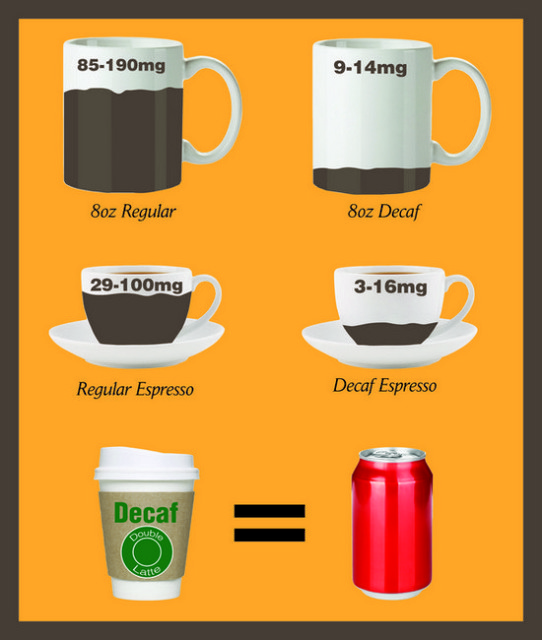
The Evolution of the Coffee Persona: Fuel vs. Flavor
The primary brand narrative for regular coffee has historically centered on “performance.” In this category, the brand identity is often tied to energy, focus, and the professional grind. Conversely, decaf has traditionally suffered from a branding deficit, often associated with restriction or “missing out.” However, recent shifts in brand strategy have transformed this dichotomy.
Regular Coffee: The “High-Performance” Brand
For decades, the marketing of regular coffee has leaned heavily on the stimulant properties of caffeine. Brands like Maxwell House and Folgers built their corporate identities around the “early morning start,” positioning coffee as the essential gear in the machine of the working class. In this context, the caffeine is the product. The brand strategy is functional: it promises a tangible biological outcome. When we look at modern specialty brands, this performance narrative has evolved into “cognitive enhancement,” targeting the tech-savvy professional or the creative entrepreneur who views caffeine as a tool for “deep work.”
Decaf: Rebranding the “Afterthought”
Historically, decaf was the “hospital coffee” or the “elderly choice,” often packaged in dull, clinical colors. Modern brand strategy has staged a massive intervention here. Luxury coffee roasters now position decaf as the “pure flavor” choice. By removing the stimulant, the brand focuses the consumer’s attention on the terroir, the notes of chocolate or stone fruit, and the craftsmanship of the roast. This is a brilliant strategic pivot: it turns a perceived lack (no caffeine) into a premium benefit (unadulterated taste). Brands like Blue Bottle or Onyx Coffee Lab treat their decaf beans with the same reverence as their single-origin regular beans, effectively rebranding decaf as a choice for the true connoisseur.
Visual Semiotics and the Design Language of Decaffeination
Brand identity is communicated through visual cues before a single sip is taken. The “difference” between regular and decaf is most visible in the packaging design and the semiotic signals used to guide consumer behavior.
The Color Coding of Caffeine
Color psychology plays a critical role in coffee branding. For regular coffee, brands often utilize high-energy or “grounded” colors: deep reds, bold blacks, and rich browns. These colors signify strength, heat, and intensity. In contrast, decaf branding has a long-standing relationship with green and blue.
This color choice is not accidental. Green suggests health, nature, and a “decaffeinated” process that feels more organic. Blue evokes evening, calm, and serenity. By using these palettes, brands communicate the usage occasion without the consumer needing to read the label. However, modern boutique brands are increasingly breaking these rules to create a “seamless” brand experience. They use identical packaging for both regular and decaf, with only a small, elegant badge to denote the difference, signaling that the decaf drinker is an equal part of the brand’s elite community.
Typography and Sensory Branding
The typography on a bag of regular coffee often emphasizes “boldness” and “origin.” You will see heavy, serif fonts or rugged, hand-stamped aesthetics that suggest the “strength” of the brew. Decaf branding, however, often shifts toward “smoothness.” The language used—”mellow,” “calm,” “balanced”—is mirrored in lighter font weights and cleaner, more minimalist layouts. This sensory branding ensures that the consumer “feels” the effect of the coffee through the visual identity before they even open the bag.
Strategic Positioning in the Third Wave Movement

The “Third Wave” of coffee—a movement toward high-quality, artisanal production—has fundamentally changed the business finance and marketing strategies surrounding decaf. In this landscape, the difference between the two is no longer about the caffeine, but about the process.
The Swiss Water Process as a Quality Seal
In brand strategy, trust is a currency. For regular coffee, trust is built through direct trade and sourcing stories. For decaf, trust is built through the decaffeination method. The “Swiss Water Process” has become a powerful brand in its own right. It is a chemical-free method of removing caffeine that specialty brands use as a “seal of quality.”
By co-branding with the Swiss Water Process, coffee companies can charge a premium for decaf that often exceeds the price of their regular coffee. This is a masterclass in value-added branding: taking a product that requires more industrial processing and positioning it as more “natural” and “artisan” than the standard version.
Case Study: How Specialty Brands Justify the Price Gap
From a corporate strategy perspective, decaf is more expensive to produce due to the additional processing steps. In the past, brands absorbed this cost or used lower-quality beans for decaf to keep prices parity. Today’s successful brands take the opposite approach. They lean into the complexity. They market the “extra care” taken to preserve the flavor profile during decaffeination. This justifies a higher price point and positions the decaf drinker as a “discerning customer” rather than someone settling for a substitute.
Consumer Segmentation: Mapping the Modern Coffee Drinker
The difference between regular and decaf is also a difference in “consumer personas.” Brands use these two products to capture different segments of the market and different “dayparts” of a single consumer’s life.
The Wellness Pivot: Branding for the Health-Conscious
The “Money” and “Brand” intersection is clearest in the wellness sector. There is a growing demographic of consumers who are “caffeine sensitive” or looking to optimize their sleep hygiene. Brands that specialize in decaf are not selling coffee; they are selling “wellness.” They position decaf as part of a holistic lifestyle that includes meditation, clean eating, and high-quality sleep. This segment is highly loyal and less price-sensitive, making it a lucrative niche for brand expansion.
Inclusion and the “All-Day” Brand Experience
From a retail strategy perspective (think Starbucks or Nespresso), having a robust decaf offering is about maximizing “Brand Share of Throat.” If a brand only offers regular coffee, they lose their customer after 2:00 PM. By positioning decaf as a legitimate, high-quality alternative, the brand remains relevant into the evening. This creates an “all-day” brand relationship. The strategic difference here is the “usage occasion”: regular is for the morning “drive,” while decaf is for the evening “unwind.”
Economic Implications and Brand Equity
The decision to treat decaf as a premium product or a secondary product has significant implications for a company’s brand equity and long-term profitability.
Supply Chain Transparency as a Brand Asset
Modern consumers demand transparency. For regular coffee, this means knowing the farm and the farmer. For decaf, it means knowing the farm and the processing facility. Brands that can demonstrate a transparent supply chain for their decaf products build significant brand equity. It shows a commitment to quality that transcends the “easy” wins of regular coffee. This transparency becomes a competitive advantage, especially in the B2B sector where cafes and offices want to offer inclusive, high-quality options to their employees and clients.

Building Long-Term Loyalty Through Product Variation
A brand that masters the “difference” between regular and decaf is better positioned for long-term loyalty. When a consumer trusts a brand’s regular roast, they are likely to try their decaf. If the decaf experience is subpar, it tarnishes the entire brand identity. Conversely, if the decaf is exceptional, it reinforces the brand’s status as an expert in the field. This “halo effect” is why top-tier brands invest so heavily in the R&D and marketing of their decaffeinated lines.
In conclusion, while the chemical difference between regular and decaf coffee is merely the presence of a stimulant, the branding difference is a complex web of lifestyle marketing, visual semiotics, and strategic market positioning. Regular coffee remains the powerhouse of “performance” branding, while decaf has emerged as the sophisticated hero of “ritual” and “wellness.” For the modern brand, the key to success lies in treating both as essential, premium components of a unified corporate identity.
aViewFromTheCave is a participant in the Amazon Services LLC Associates Program, an affiliate advertising program designed to provide a means for sites to earn advertising fees by advertising and linking to Amazon.com. Amazon, the Amazon logo, AmazonSupply, and the AmazonSupply logo are trademarks of Amazon.com, Inc. or its affiliates. As an Amazon Associate we earn affiliate commissions from qualifying purchases.