
In the dynamic landscape of brand strategy and marketing, the art of communication is paramount. Every message a brand sends, from a social media post to a comprehensive annual report, contributes to its identity, perception, and connection with its audience. At the heart of effective communication lie two fundamental linguistic forms: prose and poetry. While seemingly distinct, understanding their differences and strategic applications is crucial for crafting a compelling and coherent brand voice.
The Foundational Differences: Clarity vs. Resonance
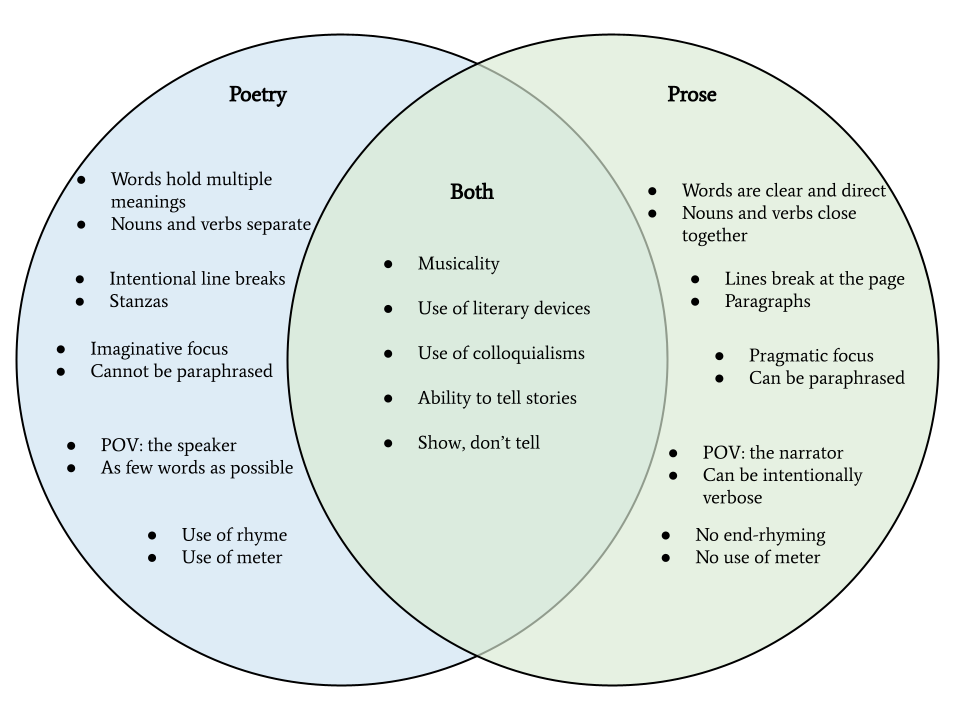
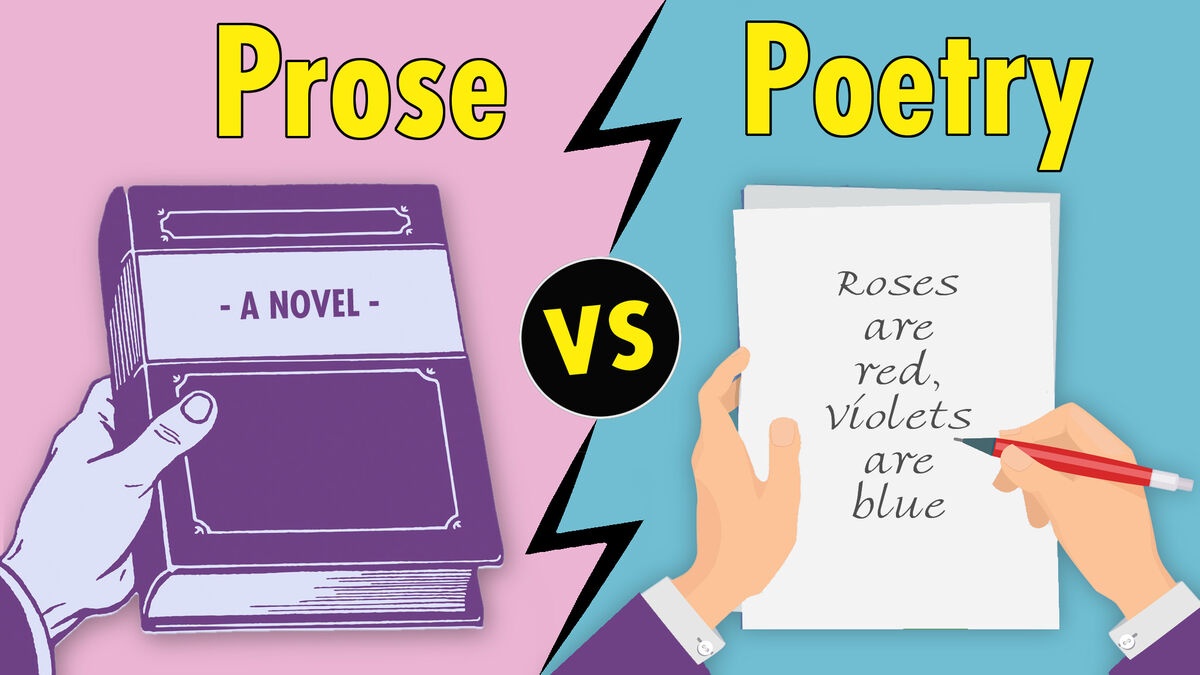
The core distinction between prose and poetry, when viewed through the lens of brand communication, lies in their primary objectives. Prose aims for clarity and direct information transfer, while poetry seeks resonance, emotion, and evocative power. Recognizing these inherent characteristics allows brands to strategically deploy each for maximum impact.
Prose: The Language of Direct Communication
Prose is the everyday language we use for factual communication. In brand strategy, it serves as the bedrock for conveying essential information with precision and clarity. It’s the language of fact, function, and instruction, designed to be easily digestible and unambiguous. Prose prioritizes directness, logical progression, and comprehensibility. It typically follows conventional grammatical structures, forming complete sentences organized into paragraphs, focused on explaining, informing, or persuading through logical argument.
For brands, well-crafted prose builds trust through transparency and reliability. It ensures customers understand what a product does, how a service works, or what a company stands for, without ambiguity. Examples of prosaic brand communication include:
- Website FAQs and About Us pages: Providing straightforward answers and company history.
- Product descriptions and specifications: Detailing features, benefits, and technical data.
- Blog posts and articles: Offering insights, tutorials, and educational content.
- Press releases and corporate reports: Communicating news, financials, and company updates.
- Customer service responses and user manuals: Guiding users and resolving issues with clear instructions.
In these contexts, prosaic clarity is paramount, directly impacting user experience and conversion rates by removing barriers to understanding. SEO content heavily relies on prose to inform search engines and users effectively, ensuring discoverability and relevance. Brands leverage prose to establish authority, provide value, and build a foundation of reliable information that supports their offerings.
Poetry: The Language of Emotion and Evocation
Conversely, poetry in branding transcends mere information transfer to engage audiences on a deeper, emotional level. It’s not about what is said, but how it makes one feel. This mode of communication leverages imagery, rhythm, metaphor, and concise language to evoke mood, inspire action, and forge memorable connections. Poetry often deviates from conventional sentence structures, using line breaks, meter, and carefully chosen words to create a sensory experience rather than a purely logical one. Its power lies in suggestion, implication, and the ability to stir the imagination.
Consider iconic brand taglines like Nike’s ‘Just Do It,’ Apple’s ‘Think Different,’ or Mastercard’s ‘Priceless.’ These aren’t lengthy explanations; they are concentrated bursts of meaning, imbued with poetic resonance that speaks to aspirations, values, and identity. Advertising campaigns frequently employ poetic elements through:
- Slogans and Taglines: Concise, memorable phrases that capture the brand’s essence.
- Brand Storytelling (visual and textual): Crafting narratives that resonate emotionally, often employing metaphor and vivid imagery.
- Advertising Copy: Using evocative language, rhythm, and wordplay to create an atmosphere around a product or service.
- Mission and Vision Statements: Articulating purpose and future aspirations in an inspiring, often lofty manner.
- Luxury and Lifestyle Branding: Appealing to sensory experiences, aspirations, and status through suggestive language.
For luxury brands, lifestyle brands, or those selling experiences, poetic messaging is crucial for building aspirational value, creating a distinct brand personality, and differentiating in a crowded market by appealing to the subconscious and emotional drivers of consumer choice. It creates an aura, a feeling, and a perception that goes beyond the functional aspects of the product or service.
Strategic Application: When to Use Each for Brand Impact
The choice between prose and poetry in brand communication is not arbitrary; it’s a strategic decision influenced by the communication goal, the target audience, the platform, and the brand’s overall identity. Effective brands master the art of knowing when to inform and when to inspire.
Inform and Educate with Prosaic Precision
When the objective is to convey complex information, provide clear instructions, or establish credibility through data and facts, prose is the undisputed champion. This applies heavily to B2B contexts where decision-makers require detailed specifications, case studies, and ROI analyses. Similarly, in B2C, product safety warnings, assembly instructions, or warranty information demand precise, prosaic language.
- Technical Industries: Software companies explaining features, financial institutions outlining investment products, or healthcare providers detailing procedures rely on clear, unambiguous prose to prevent misunderstanding and build trust.
- Educational Content: Webinars, whitepapers, and detailed blog posts that aim to educate the audience about industry trends, product usage, or problem-solving benefit from structured, logical prose.
- Customer Support: FAQs, chatbots, and help articles must be written in simple, direct prose to efficiently resolve customer queries and improve user satisfaction.
Using poetic language in these scenarios would likely lead to confusion, frustration, and a perceived lack of professionalism. Precision over poetic flourish ensures functionality and reliability.
Inspire and Connect with Poetic Power
When the goal is to forge an emotional bond, differentiate through brand personality, or inspire a sense of aspiration or belonging, poetic communication shines. This approach is particularly effective for brands in competitive markets where functional differences are minimal, and emotional connection becomes the key differentiator.
- Brand Launch Campaigns: Introducing a new product or service often involves poetic language to build excitement, curiosity, and a sense of wonder.
- Lifestyle and Experiential Brands: Companies selling experiences (travel, luxury goods, wellness) rely heavily on evocative language to paint a picture of the desired lifestyle and the feelings associated with their offerings.
- Cause-Driven Marketing: Non-profits or brands supporting social causes use poetic storytelling to evoke empathy, inspire action, and rally support around their mission.
- High-Impact Advertising: Short, memorable ad spots or social media campaigns often leverage poetic conciseness and emotional appeal to capture attention quickly and leave a lasting impression.
Poetry in branding speaks to the heart, creating a unique identity and memorable experience that resonates long after the initial interaction. It’s about creating desire, building community, and establishing a narrative that consumers want to be a part of.
Blending the Best: Hybrid Approaches in Brand Storytelling
The most potent brand communication often doesn’t rely exclusively on one form but skillfully integrates elements of both prose and poetry. This hybrid approach allows brands to inform and inspire simultaneously, creating rich, multifaceted narratives that engage audiences on multiple levels.
Consider a product launch: the initial teaser campaign might employ poetic language and imagery to build excitement and intrigue. This could be followed by a launch event where the CEO delivers a vision-driven speech, blending inspiring, poetic sentiments with clear, prosaic explanations of the product’s benefits. Subsequently, detailed website content, reviews, and tutorials would provide the necessary prosaic depth.
- Long-Form Content with Poetic Flourish: A brand’s ‘About Us’ story might begin with a poetic introduction to its founding vision and values, followed by prosaic details about its journey, achievements, and team.
- Video Marketing: A compelling brand video can use evocative visuals and poetic narration to set a mood, while simultaneously weaving in prosaic facts about product features or company impact.
- Social Media Campaigns: A single post can combine a captivating, poetic headline or image caption with a more direct, prosaic call to action or link to detailed information.
- Experiential Marketing: An immersive brand experience might have poetic elements in its design and sensory appeal, complemented by prosaic explanations from staff or informational brochures.
The “poetic” element often provides the ‘why’ and the ‘feeling’, establishing the emotional context and aspiration, while the ‘prosaic’ provides the ‘what’ and the ‘how’, giving practical reasons and tangible information. This synergy ensures that a brand communicates comprehensively, satisfying both the emotional and logical aspects of consumer decision-making.

Crafting a Distinct Brand Voice: The Prose-Poetry Spectrum
Ultimately, a brand’s distinct voice is defined by its position along the prose-poetry spectrum and its ability to navigate this range effectively across various touchpoints. Some brands naturally lean more towards one end; a scientific instrument manufacturer might prioritize ultra-clear prose, while a luxury fashion house might emphasize poetic evocation. However, most successful brands understand that their voice needs to be flexible, adapting its blend of prose and poetry to suit the specific context, audience, and communication objective.
Developing a coherent brand voice involves:
- Defining Core Values: Understanding what the brand stands for and what emotional resonance it seeks to achieve will inform the poetic elements.
- Identifying Target Audience: Knowing who the brand is speaking to helps tailor the complexity, tone, and emotional appeals in both prosaic and poetic communications.
- Establishing Communication Guidelines: Creating clear directives for when to use direct language versus evocative language ensures consistency across all marketing and content efforts.
- Maintaining Authenticity: Whether leaning poetic or prosaic, the brand voice must always feel genuine and reflective of the brand’s true identity.
By consciously differentiating and strategically applying the principles of prose and poetry, brands can craft messages that are not only understood but also felt, fostering deeper connections, driving engagement, and ultimately building a more robust and memorable brand presence in the marketplace. The true mastery lies not in choosing one over the other, but in orchestrating their interplay to create a harmonious and impactful narrative.
aViewFromTheCave is a participant in the Amazon Services LLC Associates Program, an affiliate advertising program designed to provide a means for sites to earn advertising fees by advertising and linking to Amazon.com. Amazon, the Amazon logo, AmazonSupply, and the AmazonSupply logo are trademarks of Amazon.com, Inc. or its affiliates. As an Amazon Associate we earn affiliate commissions from qualifying purchases.