
In the realm of portable energy solutions and combustion technologies, propane and butane stand as two ubiquitous liquefied petroleum gases (LPGs). While often discussed interchangeably, their distinct chemical properties lead to significant differences in performance, optimal application within various gadgets and systems, and suitability for diverse environmental conditions. Understanding these nuances is critical for engineers, consumers, and industrial users who rely on these fuels to power everything from advanced outdoor cooking systems to industrial heating units and specialized portable devices. This exploration delves into the fundamental technical disparities that dictate their utility across the technological landscape.
Fundamental Properties and Their Impact on Gadget Performance
The core differences between propane (C3H8) and butane (C4H10) stem from their molecular structures, which, in turn, dictate their physical characteristics. These include boiling points, vapor pressures, and energy densities, all of which have profound implications for the design and efficiency of devices utilizing them.
Boiling Point and Cold Weather Operational Reliability
Perhaps the most critical distinction between propane and butane for technology applications is their respective boiling points. Propane has a significantly lower boiling point, approximately -42°C (-44°F), compared to butane’s boiling point, which ranges from -0.5°C to 1°C (31°F to 34°F) depending on whether it’s n-butane or isobutane. This seemingly minor difference is a game-changer for devices operating in colder climates or outdoor settings.
For a fuel to combust, it must first vaporize from its liquid state into a gas. Because propane vaporizes at much lower temperatures, it can reliably power outdoor grills, camping stoves, portable heaters, and generators even in freezing conditions. This makes propane the default choice for ruggedized outdoor tech, emergency power systems, and remote monitoring stations in harsh environments. In contrast, butane struggles to vaporize efficiently below freezing. A butane-powered gadget, such as a compact camping stove or a portable soldering iron, will experience a significant drop in pressure, leading to diminished flame size, reduced heat output, or complete failure to ignite when temperatures dip. This limitation restricts butane’s applicability to warmer climates or indoor-only portable devices where ambient temperatures are consistently above its boiling point. The design of pressure regulators and fuel delivery systems in propane-powered tech must accommodate higher vapor pressures, ensuring consistent flow even under demand, while butane systems are engineered for less extreme pressure differentials.
Energy Density and Fuel Efficiency for Portable Devices
While often overlooked, the energy density of these fuels plays a vital role in determining their efficiency and the practical autonomy of portable gadgets. Butane boasts a slightly higher volumetric energy density than propane. This means that, per unit of liquid volume, butane contains more energy. Specifically, a liter of liquid butane typically contains about 10-12% more energy than a liter of liquid propane.
For compact, highly portable devices where space and weight are at a premium – such as small backpacking stoves, lighter refills, or handheld torches – butane’s higher volumetric energy density can be an advantage. It allows designers to create smaller fuel cartridges that still provide a reasonable burn time, contributing to the overall portability and reduced footprint of the gadget. However, this advantage is often offset by other factors. When considering energy by weight, propane typically has a slightly higher energy content per kilogram. More importantly, when discussing gaseous energy density, propane expands more when it vaporizes, meaning that per cubic foot of gas, butane has higher energy. This dichotomy necessitates careful engineering choices depending on whether the primary constraint is volume, weight, or the operational temperature range for a given technological application. Manufacturers must balance these factors with tank pressure requirements and regulatory standards for each fuel.
Applications in Modern Gadgetry and Industrial Systems
The unique properties of propane and butane have led to their specialization in different technological niches, influencing everything from consumer appliances to large-scale industrial infrastructure.
Propane’s Dominance in Outdoor and Robust Tech
Propane’s low boiling point and higher vapor pressure make it the preferred fuel for a wide array of outdoor and heavy-duty technological applications. Its ability to perform reliably in cold weather makes it indispensable for:
- Outdoor Grilling and Cooking Systems: From residential BBQ grills to professional catering equipment, propane provides consistent flame and heat, regardless of ambient temperature fluctuations. Advanced smart grills often integrate precise temperature controls and connectivity features, relying on propane’s predictable delivery.
- RV and Camping Appliances: Recreational vehicles are mini-mobile homes equipped with refrigerators, water heaters, and furnaces – all commonly powered by propane. Camping lanterns, portable heaters, and generators also widely use propane, enabling off-grid living and remote expeditions. The robust tank technology and pressure regulation systems are tailored for propane’s properties.
- Industrial Heating and Forklifts: In warehouses and construction sites, propane-powered forklifts offer clean-burning, powerful operation. Propane heaters are also crucial for curing concrete, drying construction materials, and maintaining comfortable temperatures in large industrial spaces, showcasing its role in critical infrastructure tech.
- Power Generators: Emergency backup generators, whether for residential or commercial use, frequently utilize propane due to its long shelf life, ease of storage in large tanks, and reliable performance in diverse weather conditions. Modern smart generators often feature automatic transfer switches and remote monitoring capabilities, ensuring power continuity.
Butane’s Niche in Compact and Specialized Gadgets
Butane, despite its cold-weather limitations, excels in applications where its higher volumetric energy density and lower operating pressure are advantageous, primarily in warmer climates or specific indoor/handheld devices:

- Lighter Refills and Micro-Torches: The most common household use for butane is in disposable lighters and refills for reusable lighters. Its clean burn and ability to be easily compressed into small cartridges make it ideal for these compact personal gadgets. Small soldering torches also frequently employ butane.
- Small Portable Camping Stoves (Warm Weather): Many compact, lightweight camping stoves designed for fair-weather backpacking use butane or a butane/propane blend. The smaller, lighter canisters contribute to minimal pack weight, a key consideration for ultralight trekkers.
- Hair Styling Tools: Cordless curling irons and hair straighteners sometimes use small butane cartridges to power their heating elements, offering portability and convenience without the need for an electrical outlet. These gadgets leverage butane’s clean burn and ease of storage in very small volumes.
- Refrigerants and Aerosol Propellants: Isobutane (a variant of butane) is increasingly used as a refrigerant in domestic refrigerators and freezers, particularly in Europe, due to its lower global warming potential compared to older refrigerants. Butane is also widely used as a propellant in aerosol sprays for products ranging from deodorants to paints, demonstrating its role in precise delivery systems.
Storage, Safety, and Technological Innovations
The inherent differences in the physical properties of propane and butane necessitate distinct technological approaches to their storage, transportation, and safety mechanisms.
Container Technology and Pressure Considerations
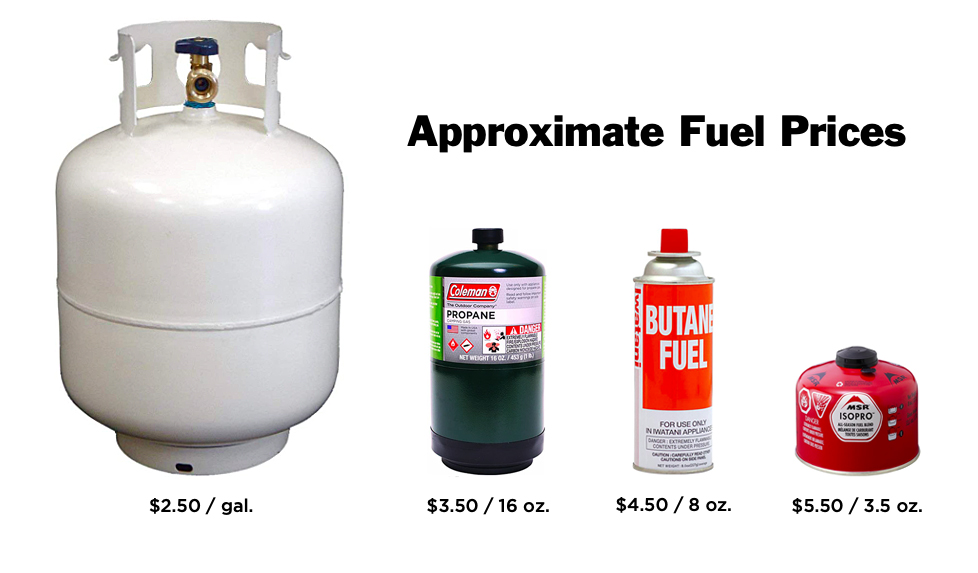
Due to its lower boiling point and higher vapor pressure, propane requires heavier-gauge steel tanks designed to withstand greater internal pressures (typically around 100-200 psi at room temperature, but much higher in heat). These tanks are robustly constructed and often feature pressure relief valves as a critical safety mechanism, ensuring that excess pressure can be safely vented. The valves themselves are complex mechanical systems, rigorously tested to meet safety standards.
Butane, with its lower vapor pressure, can be stored in lighter-weight, thinner-walled containers. This is why small butane cartridges for camping stoves or lighters are noticeably less robust than propane cylinders of comparable capacity. While this offers advantages in portability and manufacturing cost for small devices, it also means that butane systems are more sensitive to external temperature fluctuations, as a drop below freezing can halt vaporization and thus fuel delivery. Advances in container technology focus on lighter composites for propane tanks, enhancing portability without compromising safety, and more efficient heat exchange systems for butane cartridges to improve cold-weather performance.
Sensor Integration and Smart Fuel Management
Modern technological systems are increasingly integrating smart features to enhance safety, efficiency, and user experience for both fuels. For propane, smart tank monitors use ultrasonic or magnetic sensors to accurately gauge liquid levels, transmitting data to smartphone apps or smart home hubs. This digital security and monitoring allow users to track consumption, predict refills, and detect leaks remotely, significantly improving convenience and safety for residential and RV users. These systems often incorporate predictive analytics based on usage patterns.
For butane, while similar level monitoring exists for larger tanks, innovation also focuses on blending technologies. Many “winter gas” or “four-season” camping fuel canisters are actually blends of propane and butane (or isobutane). This is a technological compromise: adding a percentage of propane lowers the overall boiling point of the mixture, allowing the butane component to vaporize more effectively at lower temperatures, thus extending the operational temperature range for portable gadgets without completely sacrificing butane’s volumetric density advantages. Advanced gas sensing technology is also critical in industrial and residential settings to detect leaks of either gas, often integrated into smart building management systems for immediate alerts and automated shut-offs.
Environmental and Future Tech Considerations
The environmental footprint and sustainability aspects of propane and butane are increasingly important considerations for their continued integration into future technologies. Both are fossil fuels, but their clean-burning characteristics offer advantages over other traditional fuels.
Combustion Efficiency and Emission Tech
Both propane and butane are considered clean-burning fuels when compared to gasoline or diesel, producing fewer particulate emissions and less carbon monoxide. Their combustion typically yields carbon dioxide and water vapor. However, technological efforts are continuously being made to optimize combustion efficiency further and reduce trace emissions. This includes advancements in burner design for appliances, ensuring more complete combustion, and the development of catalytic converters for propane-powered engines (e.g., forklifts, generators) to neutralize harmful byproducts.
For future tech, the focus is on minimizing greenhouse gas emissions across the entire lifecycle, from production to consumption. While biopropane and biobutane, derived from renewable sources like vegetable oils and animal fats, are emerging as more sustainable alternatives, their widespread adoption and cost-effectiveness for various gadgets and systems remain a key area of research and development. This includes optimizing existing appliance tech to run on these bio-LPGs with minimal modification.

Blended Fuels and Hybrid Systems
The trend towards blended fuels, already common in camping canisters, represents a pragmatic technological solution to leverage the best properties of both propane and butane. These blends are meticulously engineered to achieve specific performance characteristics, balancing cold-weather reliability with volumetric efficiency for various portable devices.
Looking ahead, hybrid energy systems are gaining traction. Imagine a remote sensor station powered primarily by solar panels, with a small propane generator as a backup for extended cloudy periods, or a smart home appliance that seamlessly switches between grid electricity and a small butane cartridge during power outages. These systems require sophisticated energy management units, intelligent control algorithms, and integrated power electronics to manage multiple energy sources efficiently. The continued evolution of propane and butane as reliable, portable energy carriers will be inextricably linked to innovations in these smart, integrated, and environmentally conscious technological frameworks.
aViewFromTheCave is a participant in the Amazon Services LLC Associates Program, an affiliate advertising program designed to provide a means for sites to earn advertising fees by advertising and linking to Amazon.com. Amazon, the Amazon logo, AmazonSupply, and the AmazonSupply logo are trademarks of Amazon.com, Inc. or its affiliates. As an Amazon Associate we earn affiliate commissions from qualifying purchases.