
In the landscape of modern retail, few names carry the same weight as Nordstrom. Known for its legendary customer service, high-end inventory, and curated shopping experiences, the company has long been a benchmark for luxury retail. However, a significant portion of the company’s success—and its brand identity—resides within its off-price counterpart: Nordstrom Rack. While the casual observer might view the difference between Nordstrom and Nordstrom Rack as a simple matter of price tags, the distinction is actually a sophisticated exercise in brand architecture, market segmentation, and strategic positioning.
Understanding the difference between these two entities is not merely an academic exercise for retail enthusiasts; it is a case study in how a legacy brand can expand its market reach without cannibalizing its prestige. By examining the brand strategy behind the “Full-Line” and the “Rack,” we can uncover the delicate balance required to maintain a luxury identity while dominating the value-conscious sector.
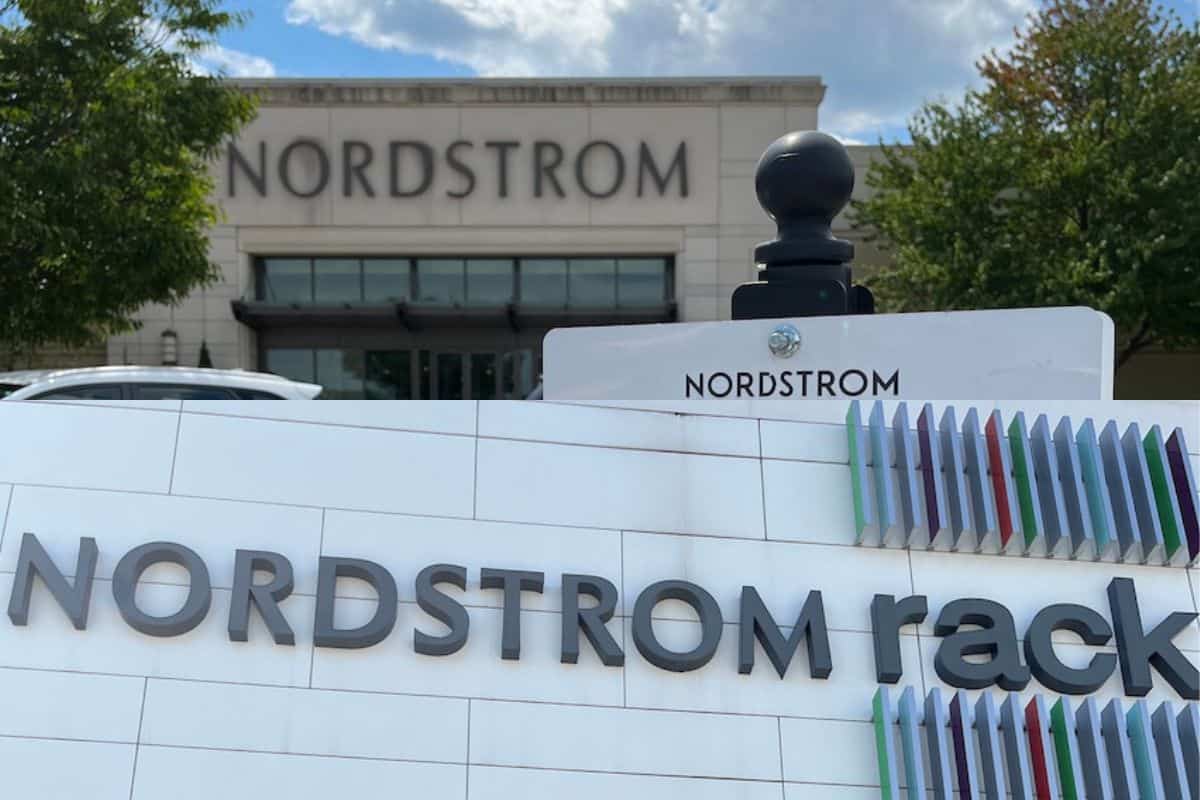
The Anatomy of Brand Segmentation: Nordstrom vs. Nordstrom Rack
At its core, the difference between Nordstrom and Nordstrom Rack is a deliberate execution of brand segmentation. Market segmentation allows a company to target different demographic groups with distinct needs, behaviors, and financial profiles under the same corporate umbrella.
Defining the Full-Line Luxury Experience
The flagship “Nordstrom” stores—often referred to internally as “Full-Line” stores—are the heart of the brand’s luxury identity. The branding strategy here is focused on “high-touch” service. Every element, from the live piano music in select locations to the meticulously organized displays, is designed to evoke a sense of exclusivity and ease. In the Full-Line stores, the brand promise is centered on curation and service. Customers aren’t just buying a designer handbag; they are buying an environment where they are treated with the utmost professional courtesy, supported by generous return policies and personal styling services. This is the “premium” tier of the brand architecture, designed to attract high-net-worth individuals and aspirational shoppers looking for the latest seasonal trends.
The Role of the Off-Price Extension
Nordstrom Rack, conversely, serves as the “off-price” extension of the brand. Its primary function is to capture a broader market segment—the value-driven consumer. However, from a branding perspective, the Rack is not just a “discount store.” It is positioned as a “treasure hunt” experience. The brand identity of Nordstrom Rack is more energetic, self-service-oriented, and focused on the thrill of the find. By separating these two identities, Nordstrom can participate in the massive off-price market (competing with the likes of T.J. Maxx and Marshalls) without lowering the perceived value of its Full-Line luxury boutiques.
Brand Identity and the Psychological Shift in Consumer Perception
A brand is more than a logo; it is the emotional and psychological response a consumer has when interacting with a company. Nordstrom manages this response through distinct visual and experiential cues that differentiate its two main banners.
Visual Identity and In-Store Atmosphere
The visual branding of Nordstrom vs. Nordstrom Rack is a study in intentional contrast. Full-Line stores typically feature neutral palettes, soft lighting, and wide aisles, reinforcing a “gallery” feel where the products are the art. The branding is understated, signaling sophistication.
In contrast, Nordstrom Rack utilizes a more vibrant visual language. The use of bold “Rack” signage, industrial-style fixtures, and higher-density floor plans signals a different value proposition. The psychology here is subtle: if the Rack looked too much like a luxury boutique, customers might question the validity of the discounts. The slightly more chaotic, high-energy environment validates the shopper’s belief that they are “working” to find a deal, which increases the dopamine hit associated with a purchase.
Product Curation: Direct-to-Rack vs. Clearance
One of the most misunderstood aspects of the Nordstrom brand strategy is where the merchandise comes from. While the brand narrative often suggests that the Rack is simply where unsold items from the Full-Line stores go to die, the reality is a much more complex branding maneuver. Only about 10% to 15% of the merchandise at Nordstrom Rack consists of clearance items from Nordstrom stores or Nordstrom.com.
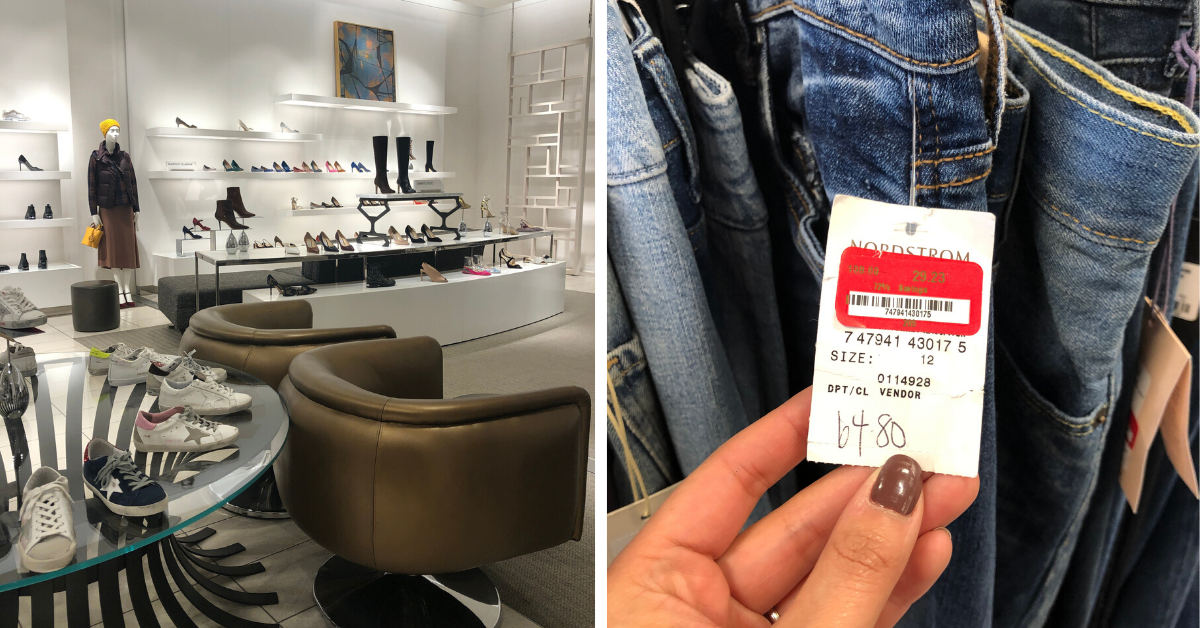
The vast majority of the inventory is “Direct-to-Rack” merchandise. This involves the brand’s buyers purchasing specifically for the Rack, often working with top designers to create slightly different versions of products at lower price points. This is a critical branding distinction. By maintaining a steady stream of “made-for-off-price” goods, Nordstrom Rack maintains its own consistent brand identity as a reliable source of quality goods, rather than just a graveyard for last year’s leftovers.
Strategic Synergy: How the Two Brands Support Each Other
In brand strategy, “cannibalization” occurs when a lower-priced offering eats into the sales of a premium offering. Nordstrom has avoided this by creating a synergistic relationship where the two brands actually feed into one another.
Managing Inventory Lifecycle through Brand Cascading
The relationship between Nordstrom and the Rack allows the company to manage the inventory lifecycle with surgical precision. When high-end seasonal goods at the Full-Line stores reach the end of their shelf life, they “cascade” down to the Rack. This protects the brand equity of the Full-Line stores by ensuring they are never cluttered with “sale” racks or “clearance” bins that might detract from the luxury atmosphere. The Rack acts as a pressure valve, allowing the primary brand to remain pristine while ensuring the company still recoups its investment on unsold inventory.
Customer Acquisition: The Entry-Level Luxury Gateway
Perhaps the most brilliant aspect of the Nordstrom brand architecture is the Rack’s role in customer acquisition. For many younger or more budget-conscious consumers, Nordstrom Rack is their first point of entry into the Nordstrom ecosystem. It serves as a “gateway brand.”
The strategy is to capture the consumer at the Rack during their early career stages. As their purchasing power grows, the brand affinity established at the Rack makes them more likely to graduate to the Full-Line stores. This creates a long-term Customer Lifetime Value (CLV) strategy that spans decades. The Rack introduces the consumer to the brands Nordstrom carries and the general ethos of the company, building trust that eventually translates into high-end loyalty.
The Risks of Brand Dilution in the Discount Era
While the multi-tier strategy has been successful, it is not without its branding risks. The greatest threat to Nordstrom’s corporate identity is “brand dilution”—the process by which a brand loses its prestige because it has become too accessible or associated with lower quality.
Maintaining the Prestige of the Primary Brand
As Nordstrom Rack has expanded to significantly outnumber Full-Line stores, there is a risk that the “Rack” identity will become the dominant perception of the company. If the average consumer thinks of “Nordstrom” and immediately envisions a discount rack rather than a luxury personal styling suite, the brand’s pricing power in the luxury sector could weaken. To combat this, Nordstrom invests heavily in flagship “experiential” stores in major cities (like the Manhattan flagship) to serve as powerful anchors for the brand’s luxury status. These stores act as a “halo,” casting a glow of prestige that reaches even the smallest Nordstrom Rack in a suburban strip mall.
The Digital Integration Challenge
In the digital age, brand boundaries become blurred. When a customer searches for “Nordstrom” online, they are often presented with results from both the Full-Line site and the Rack site. Managing this omnichannel brand experience is a tightrope walk. Nordstrom has addressed this by integrating its loyalty program, “The Nordy Club,” across both platforms. This move successfully bridges the gap, framing the two brands not as separate entities, but as different facets of a single, customer-centric brand. It reinforces the idea that whether you are spending $50 or $5,000, you are a “Nordstrom customer,” thereby maintaining a sense of brand unity without compromising the distinct market positioning of either tier.
Conclusion: The Future of the Nordstrom Brand Architecture
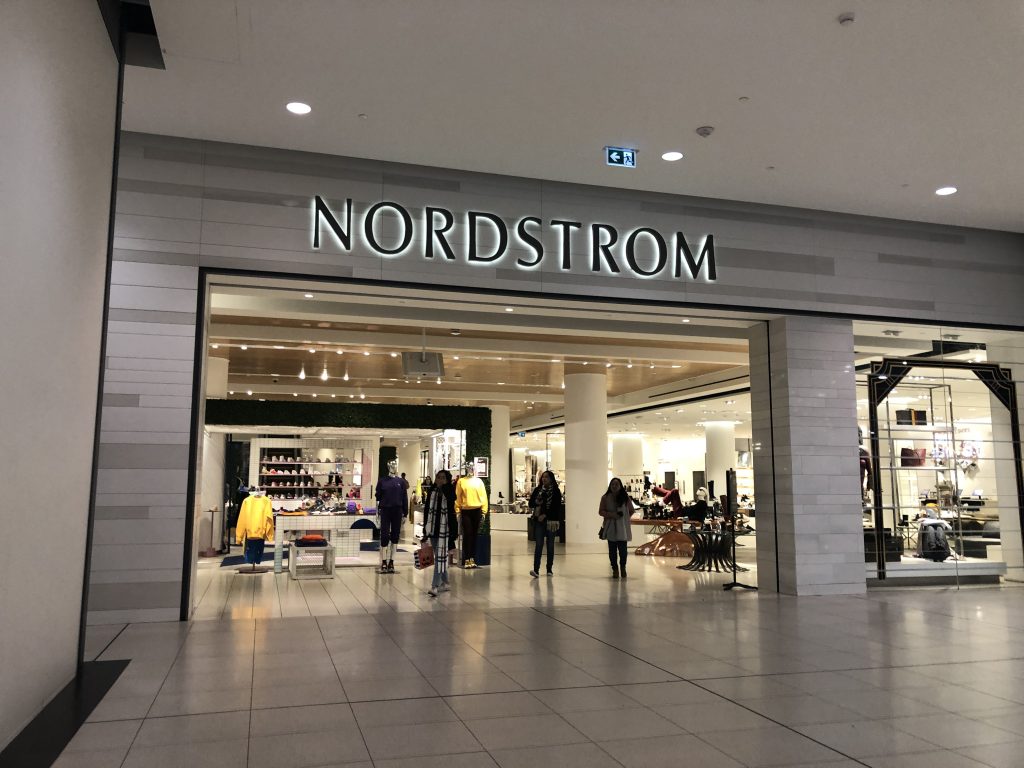
The difference between Nordstrom and Nordstrom Rack is a masterfully managed gap between luxury and value. It is a strategic division that allows the parent company to capture the “treasure hunter” and the “luxury seeker” simultaneously. By maintaining distinct visual identities, tailored service models, and unique inventory strategies, Nordstrom has created a resilient brand architecture that thrives in a volatile retail landscape.
The success of this model offers a profound lesson in brand strategy: you don’t have to be everything to everyone in a single location. Instead, by segmenting your brand into logical, supporting tiers, you can meet customers wherever they are in their financial journey. As retail continues to evolve, the synergy between the Nordstrom prestige and the Nordstrom Rack value will remain the cornerstone of the company’s identity, proving that in the world of branding, you can indeed have it both ways—provided you have the strategic discipline to keep them apart.
aViewFromTheCave is a participant in the Amazon Services LLC Associates Program, an affiliate advertising program designed to provide a means for sites to earn advertising fees by advertising and linking to Amazon.com. Amazon, the Amazon logo, AmazonSupply, and the AmazonSupply logo are trademarks of Amazon.com, Inc. or its affiliates. As an Amazon Associate we earn affiliate commissions from qualifying purchases.