
In the vast and competitive landscape of pharmaceutical products, few brands have achieved the household recognition and market dominance of Nexium and Prilosec. Both are titans in the over-the-counter (OTC) and prescription markets for treating heartburn and acid reflux, but their journeys, brand identities, and strategic positioning offer a compelling case study in brand differentiation. Beyond their shared therapeutic purpose, understanding the ‘difference’ between Nexium and Prilosec involves delving into their brand strategy, market entry, consumer perception, and how they have navigated a complex and evolving industry.
The Battle of the PPI Brands: A Market Overview
The story of Nexium and Prilosec is intrinsically linked to the rise of Proton Pump Inhibitors (PPIs) as a revolutionary treatment for gastroesophageal reflux disease (GERD) and other acid-related conditions. Their brand narratives are a testament to strategic innovation, market expansion, and the art of maintaining brand equity in the face of intense competition.

Genesis and Market Entry Strategies
Prilosec (omeprazole) was the trailblazer. Introduced by AstraZeneca in 1989, it quickly became a blockbuster prescription drug, revolutionizing the treatment of acid-related disorders. Its brand success was built on clinical efficacy and a relatively novel mechanism of action. Prilosec established the first major brand footprint for PPIs, synonymous with effective acid reduction. Its initial brand strategy was purely pharmaceutical-to-physician, focusing on medical validation and prescriber confidence.
Nexium (esomeprazole), also developed by AstraZeneca, arrived on the scene in 2001. Its market entry was strategically timed as Prilosec’s patent expiration loomed. Nexium was branded as the “next generation” PPI, leveraging a subtle but important chemical distinction. This allowed AstraZeneca to maintain market share and brand loyalty as Prilosec faced generic competition. Nexium’s brand strategy from the outset was to differentiate itself as a more refined or potent version of its predecessor, creating a distinct identity even within the same corporate family. It was a classic example of brand extension and revitalization.
Brand Recognition and Consumer Perception
Both brands have achieved exceptional recognition, but their routes to this status differ. Prilosec, having been available for longer and making the transition from prescription to OTC (Prilosec OTC) earlier, arguably built its initial recognition through physician recommendations and early patient experiences. Its brand image often evokes a sense of established reliability and pioneering effectiveness. When consumers think of Prilosec, they often recall its original purple pill, a distinctive visual cue that became a powerful brand asset.
Nexium, branded as “the Purple Pill” itself for its signature color, benefited from a massive direct-to-consumer advertising blitz upon its launch and subsequent OTC availability (Nexium 24HR). Its marketing focused on superiority claims and a modern, effective solution. This aggressive branding effort allowed Nexium to rapidly carve out its own space, positioning itself as a premium, often doctor-recommended, choice. The perception cultivated was one of advanced efficacy, even if the underlying chemical differences were subtle to the average consumer. Each brand carefully crafted its messaging to resonate with target demographics, whether through the authority of medical endorsement or the convenience of OTC access.
Active Ingredients and Brand Differentiation
At the heart of the “difference” question lies the active ingredient. However, from a brand perspective, it’s less about the exact pharmacology and more about how these distinctions are leveraged to build brand value and consumer preference.
Esomeprazole vs. Omeprazole: The Core Chemical Identity
Prilosec contains omeprazole, which is a racemic mixture of two enantiomers (mirror-image molecules). Nexium contains esomeprazole, which is the S-enantiomer of omeprazole. This means Nexium is essentially a purified version of half of the omeprazole molecule.
From a brand strategy perspective, this chemical nuance was a goldmine for AstraZeneca. They could legitimately claim that Nexium offered a more consistent or potent effect due to its purified nature, even if clinical advantages were often debated in the scientific community. This allowed Nexium to be branded as a “newer, improved” product, justifying a separate brand identity and, often, a premium price point. The brand story became one of scientific advancement and targeted efficacy, reinforcing Nexium’s position as a cutting-edge solution while Prilosec maintained its status as the trusted original. The brand narrative successfully translated a technical pharmaceutical detail into a compelling consumer benefit.
Formulation and Delivery: Crafting a Brand Experience
Beyond the active ingredient, both brands have invested in diverse formulations to enhance the brand experience and cater to varying consumer needs. Both are typically available as delayed-release capsules or tablets, designed to protect the active ingredient from stomach acid until it reaches the intestines for absorption.
However, brand differentiation extends to factors like ease of swallowing, availability of different strengths, and even pediatric formulations. Nexium, for instance, has been marketed with an emphasis on its unique capsule design and the availability of granular packets for those who struggle with pills. These subtle variations in formulation and delivery are part of the brand’s overall promise – not just efficacy, but also convenience and tailored solutions. They help define the experience of using the brand, which can be as critical as the core benefit in driving consumer choice and loyalty, especially in the competitive OTC market.
Marketing and Branding Strategies
The true distinction between Nexium and Prilosec, particularly for the general public, has been sculpted by their extensive and sophisticated marketing and branding efforts. These strategies dictated how each product was introduced, positioned, and maintained in the consumer consciousness.
Prescription vs. Over-the-Counter (OTC) Branding
Prilosec was the first to make the significant leap from prescription-only to OTC with Prilosec OTC. This transition required a massive shift in branding. The brand moved from targeting physicians with clinical data to directly addressing consumers with simplified messaging about relief and everyday convenience. Prilosec OTC emphasized its “24-hour” efficacy and built on the pre-existing trust established during its prescription era. The brand narrative focused on accessibility and a proven solution now available without a doctor’s visit.
Nexium followed suit years later with Nexium 24HR. Its OTC branding strategy was somewhat different, often leveraging its “prescription strength” heritage. This positioned Nexium 24HR as a premium, doctor-trusted solution now conveniently available. The branding subtly played on the idea that consumers could now get “what their doctor prescribed” without the hassle, maintaining an aura of clinical superiority that distinguished it from its older sibling. These distinct OTC branding approaches carved out slightly different niches, even as they competed for the same consumer dollar.
Advertising Campaigns and Brand Messaging
Both brands have utilized extensive advertising campaigns, from television commercials to digital marketing, to reinforce their identities. Prilosec’s campaigns often focused on the relief of frequent heartburn, using relatable scenarios and emphasizing its established track record. Its messaging was often about getting “back to living” without the worry of heartburn, often with the iconic purple pill at the center.
Nexium’s campaigns, especially in its early OTC days, frequently highlighted its “number one prescribed” status, implying a higher level of medical endorsement and effectiveness. Its messaging often implied a superior or more complete relief for persistent heartburn. The brand leaned into scientific credibility and modern solutions, often featuring clean, clinical aesthetics in its advertisements. The consistent use of the “purple pill” imagery by both brands also presented a unique branding challenge and opportunity, where the visual cue itself became almost generic for effective PPIs, yet each brand worked to claim it.
Packaging and Visual Identity
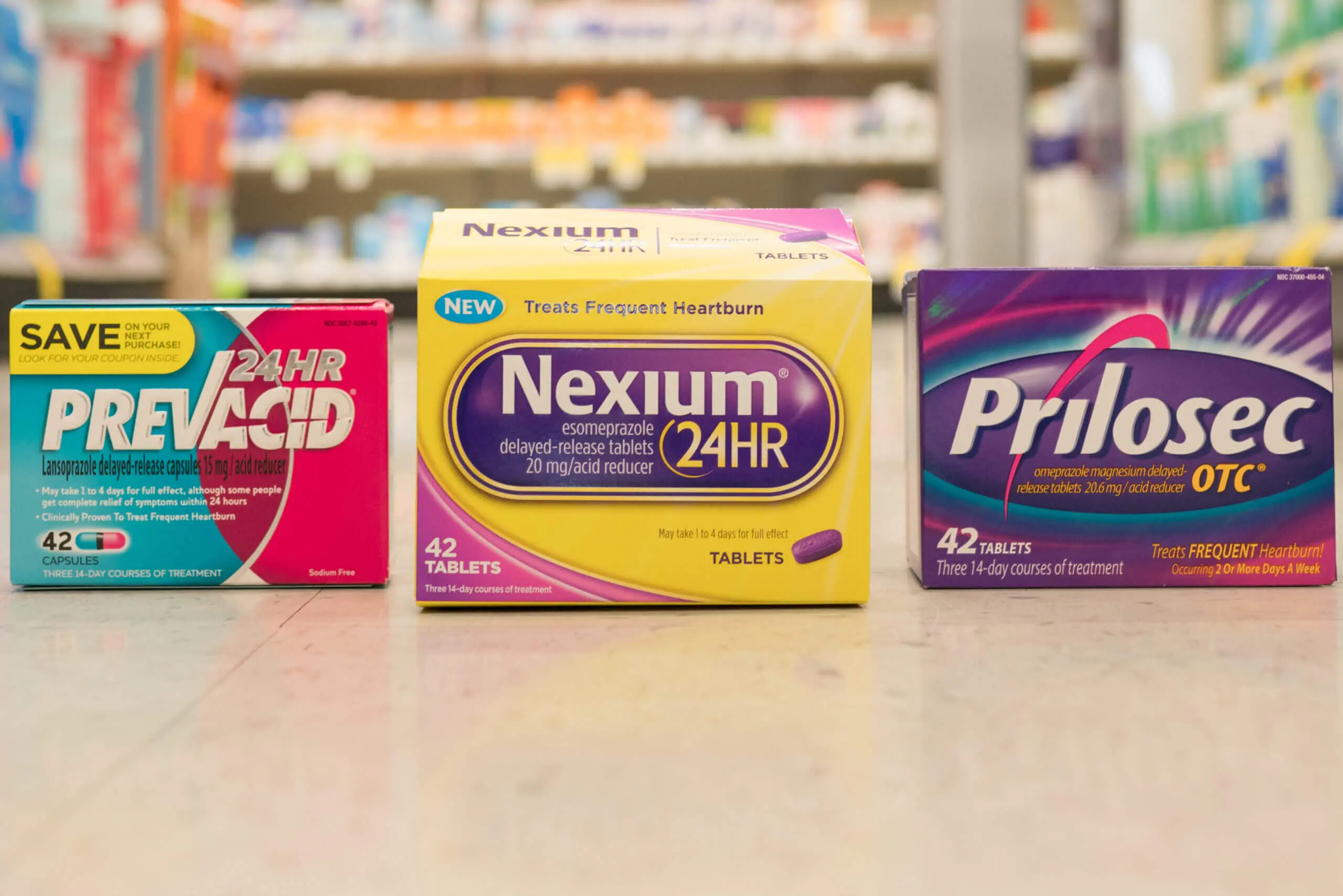
The visual identity of Nexium and Prilosec plays a crucial role in brand differentiation on pharmacy shelves. Prilosec OTC typically features a more traditional, pharmaceutical design, often incorporating shades of purple and white, reflecting its original “purple pill” heritage. The packaging aims for clarity and trust, emphasizing its established efficacy.
Nexium 24HR, while also embracing the “purple pill” moniker, often employs a more sleek, modern design in its packaging. Its visual identity often uses brighter, more vibrant purples and contemporary typography, signaling a newer, perhaps more advanced product. These subtle design choices are deliberate, guiding consumer perception and reinforcing each brand’s unique positioning in the competitive OTC market. The consistency of these visual elements across different product lines and advertising materials is key to building strong, recognizable brand assets.
Brand Longevity and Evolution in a Competitive Landscape
The pharmaceutical market is dynamic, characterized by patent cliffs, generic incursions, and evolving consumer needs. Nexium and Prilosec’s brand journeys offer valuable insights into sustaining brand value in such an environment.
Patent Expirations and Generic Competition
The expiration of patents is a pivotal moment for any pharmaceutical brand. When Prilosec’s patent expired, it led to a flood of generic omeprazole products. This forced AstraZeneca to pivot strategically, eventually leading to the successful launch of Prilosec OTC and the development of Nexium. The brand’s survival depended on adapting its channel (OTC), message, and even its core product family.
Similarly, Nexium eventually faced its own generic competition. For both brands, the challenge was to maintain perceived value and loyalty despite cheaper generic alternatives offering the same active ingredient. This required focusing on the intangible benefits of the brand – trust, established efficacy (for Prilosec), or perceived premium quality (for Nexium) – over mere chemical composition. They had to articulate why a consumer should pay more for the branded product when a generic was available, emphasizing brand equity built over decades.
Brand Extensions and Portfolio Management
Both Nexium and Prilosec have engaged in brand extensions to maintain relevance and expand their market reach. This can include different dosage strengths, specific formulations for varying needs (e.g., immediate-release versions if they existed, or combinations with antacids). By expanding their brand portfolio, they aim to capture a wider segment of the market and cater to diverse consumer preferences, strengthening the overall brand umbrella. This strategy allows the core brand to adapt to new market demands without diluting its fundamental identity. Each new product under the brand name carries the equity and recognition of the original, leveraging existing consumer trust.
Conclusion
While Nexium and Prilosec share a common heritage and treat similar conditions, their journey through the pharmaceutical landscape has carved out distinct brand identities. Prilosec emerged as the pioneering, trusted original, establishing the benchmark for PPI efficacy and successfully transitioning to a widely accessible OTC solution. Nexium, positioned as the next-generation evolution, leveraged subtle chemical differences and aggressive marketing to establish itself as a premium, doctor-recommended alternative, maintaining market share and brand prestige for its parent company.
The true ‘difference’ between Nexium and Prilosec lies not merely in their active ingredient or their exact pharmacological profile, but in the sophisticated branding strategies that have shaped their market positioning, consumer perception, and enduring legacies. They stand as powerful examples of how strategic marketing, careful differentiation, and sustained brand building can transform even chemically similar products into distinct and highly recognizable brands in a fiercely competitive industry. Understanding their individual brand narratives offers crucial insights into the power of branding within the healthcare sector.
aViewFromTheCave is a participant in the Amazon Services LLC Associates Program, an affiliate advertising program designed to provide a means for sites to earn advertising fees by advertising and linking to Amazon.com. Amazon, the Amazon logo, AmazonSupply, and the AmazonSupply logo are trademarks of Amazon.com, Inc. or its affiliates. As an Amazon Associate we earn affiliate commissions from qualifying purchases.