
In the realm of professional branding and corporate identity, every detail matters. From the hex code of a logo to the tone of a marketing email, brands are built on the consistency and respect they convey to their audience. One of the most subtle yet significant aspects of this communication is the use of honorifics: Mrs., Ms., and Miss. While these prefixes may seem like remnants of a traditional era, they remain pivotal in personal branding and professional etiquette.
In the modern marketplace, choosing the right title is not just about grammatical correctness; it is about brand positioning. Whether you are a solopreneur defining your personal brand or a corporate marketing executive segmenting a database of millions, understanding the nuance between these titles is essential for maintaining a sophisticated and inclusive brand identity.
The Evolution of Professional Titles: A Brand Perspective
In branding, history provides context for current trends. The titles Mrs., Ms., and Miss carry historical weight that influences how a person—or a brand—is perceived. Understanding these distinctions allows professionals to align their external identity with their values and the expectations of their industry.
Defining the Legacy Titles: Mrs. and Miss
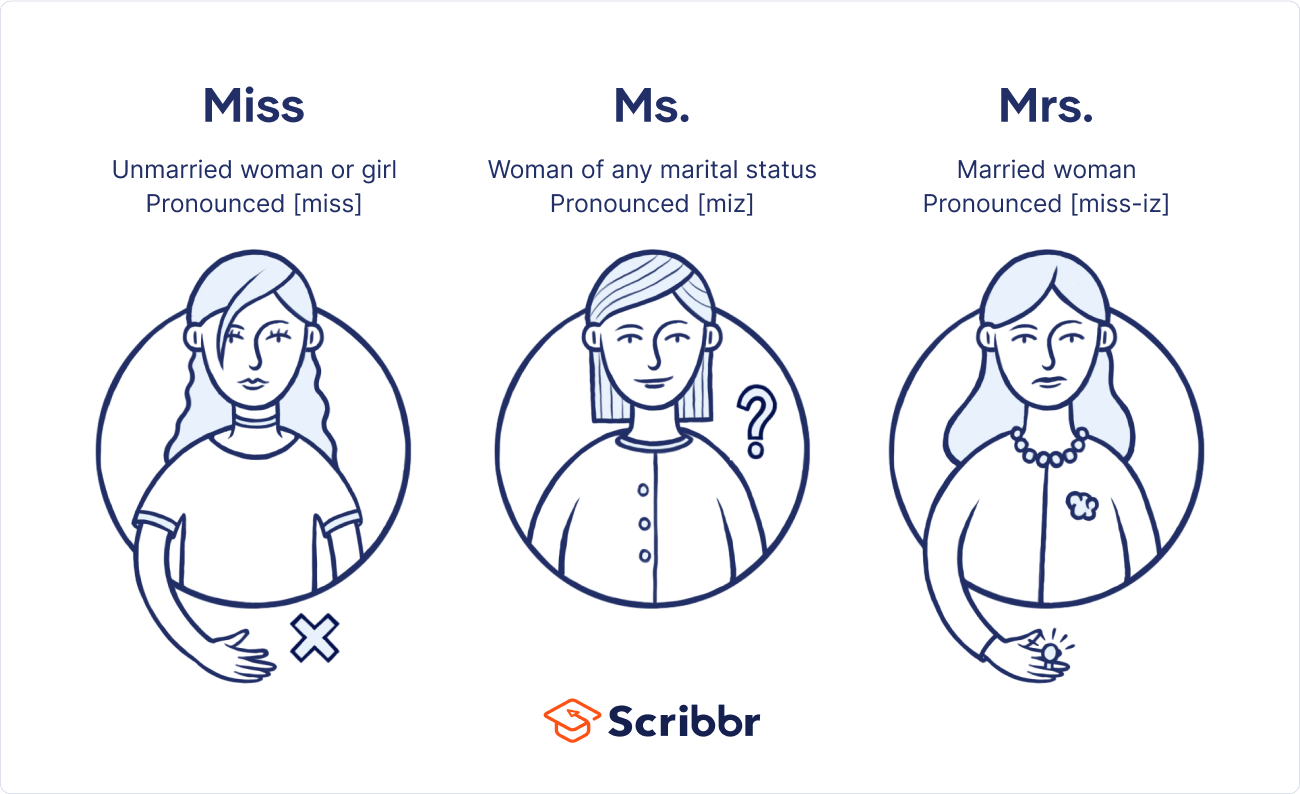
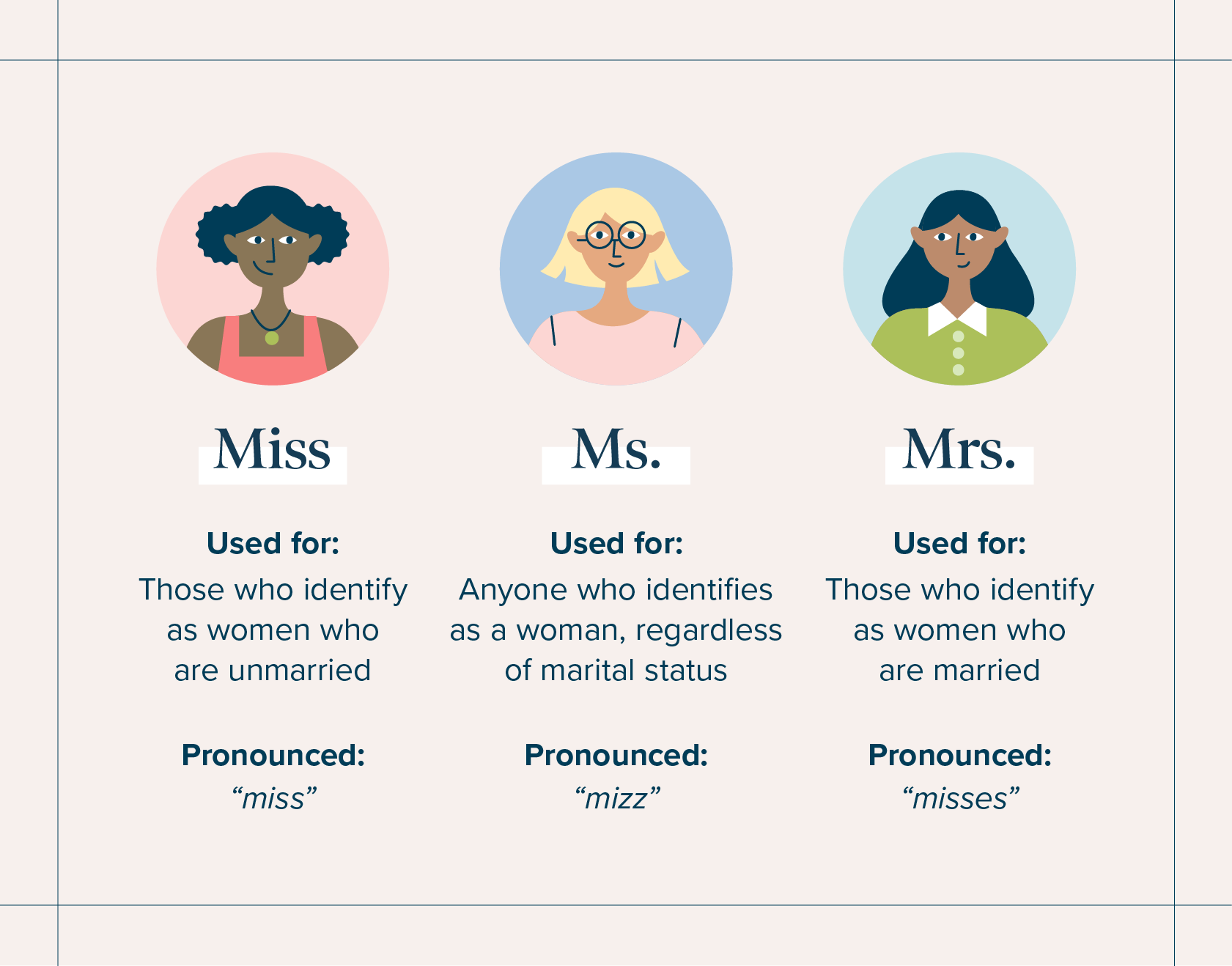
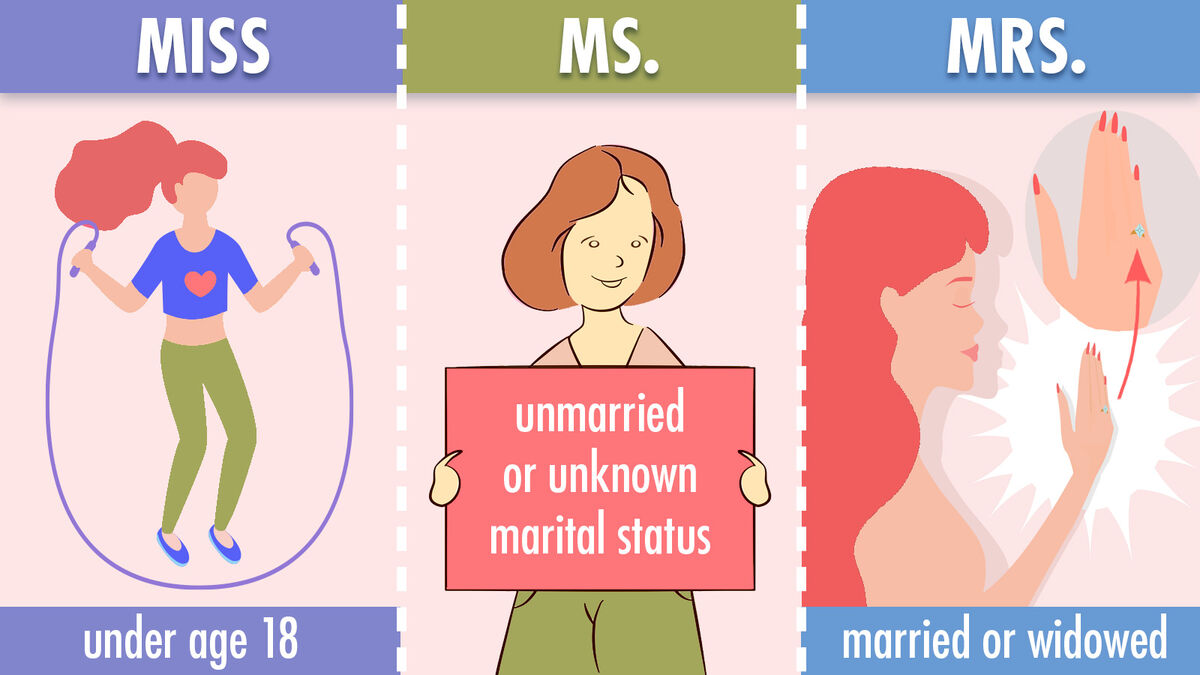
Historically, female titles were used to signal marital status, which served as a social identifier. “Miss” was reserved for unmarried women, often conveying youth or a specific stage in life. “Mrs.” denoted a married woman, often used to establish a connection to a domestic or family-oriented identity.
From a branding standpoint, these titles are “specific.” When an individual chooses to use “Mrs.” or “Miss” in a professional context, they are making a conscious choice about their personal brand. For some, “Mrs.” signifies stability and experience; for others, “Miss” may align with a brand that focuses on youth culture or specific lifecycle marketing. However, in most contemporary corporate environments, using marital status as a primary identifier can be seen as outdated or irrelevant to professional merit.
The Rise of “Ms.” as a Professional Standard
The title “Ms.” emerged as a revolutionary tool for personal branding in the mid-20th century. Unlike its counterparts, “Ms.” does not disclose marital status. In the world of corporate identity, “Ms.” has become the gold standard for professional correspondence.
From a strategic perspective, “Ms.” is the “neutral” brand. It allows a professional woman to be recognized for her individual achievements and role without the baggage of social categorization. For businesses, adopting “Ms.” as the default in CRM (Customer Relationship Management) systems reduces the risk of offending clients and ensures that the brand remains modern, respectful, and focused on the professional relationship rather than personal details.
Strategic Communication: Choosing the Right Prefix for Your Audience
Effective marketing and brand strategy rely on the ability to speak the language of your audience. The titles you use in your communication—whether in B2B (Business to Business) or B2C (Business to Consumer) contexts—can significantly impact brand loyalty and engagement.
Personal Branding and the Power of Choice
For the individual professional, your title is an extension of your personal brand. Just as a company chooses its “Voice and Tone,” you choose how you wish to be addressed.
-
The Traditional Approach: If your brand is built on tradition, heritage, or family values (such as a multi-generational law firm or a lifestyle brand), you might find that “Mrs.” or “Miss” resonates with your target demographic.
-
The Modern Approach: If your brand is built on innovation, equality, and professional expertise, “Ms.” is often the most effective choice. It signals that you value professional boundaries and equality.
The key to personal branding is consistency. Once you have identified the honorific that aligns with your professional identity, ensure it is used across all brand touchpoints: LinkedIn profiles, email signatures, business cards, and speaker biographies.
Marketing Segmentation and Respecting Demographic Nuance
For corporate brands, the use of Mrs., Ms., and Miss is a matter of data hygiene and customer experience. When a brand sends a personalized email or a piece of direct mail, using the wrong title can lead to a “brand disconnect.”
A high-end luxury brand might use specific titles to create an air of formality and personalized service. In contrast, a disruptive tech brand might avoid titles altogether to appear more accessible. However, if a brand chooses to use honorifics, it must be done with precision. Mislabeling a long-term client can signal that the brand does not truly “know” its customer, potentially damaging the relationship.
Digital Branding and User Experience: Titles in Data Collection
In the digital age, the way a brand collects information is just as important as the information itself. The User Experience (UX) of a website’s signup form is a critical brand touchpoint where the question of “Mrs., Ms., or Miss” often arises.
UX Design and the Inclusivity of Dropdown Menus
When designing a digital interface, the “Title” dropdown menu is a moment of brand interaction. Modern brand strategy suggests that “less is often more.” Many forward-thinking brands are moving away from mandatory title fields to reduce friction in the user journey.
If a title field is necessary, the inclusion of “Ms.” is non-negotiable for a professional brand identity. Furthermore, many brands are expanding these fields to include gender-neutral options like “Mx.” or allowing for professional titles like “Dr.” or “Prof.” This inclusivity reinforces a brand’s identity as progressive and respectful of its diverse user base.
Protecting Brand Reputation through Modernized Forms
A brand’s reputation can be subtly tarnished by an outdated digital experience. If a woman is forced to choose between “Miss” and “Mrs.” on a registration form because “Ms.” is missing, she may perceive the brand as out of touch or insensitive to modern professional standards.
To maintain a high-quality brand image, companies should audit their lead generation forms and customer databases. Ensuring that “Ms.” is the default or that customers have the autonomy to choose their preferred title is a simple yet powerful way to demonstrate that the brand values the individual’s identity.
Corporate Etiquette and International Business Relations
As brands scale globally, the nuances of Mrs., Ms., and Miss become even more complex. Different cultures have varying expectations regarding formality and the use of titles in professional settings.
Regional Preferences in Global Brand Strategy
What works for a brand in New York may not translate perfectly to London, Tokyo, or Berlin.
-
North America and the UK: “Ms.” is widely accepted and preferred in most professional circles. It is seen as the safest and most respectful default for business correspondence.
-
Conservative Markets: In some regions, formal titles are highly valued as a sign of respect. In these cases, a brand must do its due diligence. If a high-level executive prefers “Mrs.” or “Miss,” failing to use it could be seen as a lack of professional polish.
A global brand must adapt its communication strategy to local customs while maintaining its core corporate identity. This requires a nuanced understanding of how honorifics translate across languages and social hierarchies.
Managing External Communications with Precision
The role of a Public Relations (PR) or Communications team is to protect the brand’s integrity in the public eye. When drafting press releases, internal memos, or formal invitations, the choice of title should reflect the brand’s tone of voice.
In formal corporate communications, the trend is moving toward either using full names without titles (e.g., “Jane Doe, CEO”) or using the preferred title of the individual. If the preference is unknown, “Ms.” remains the professional standard. By adhering to these guidelines, a brand demonstrates attention to detail and a commitment to professional excellence.
Conclusion: The Impact of Precision on Brand Equity
The difference between Mrs., Ms., and Miss may seem like a minor detail in the grand scheme of business finance or global marketing strategy. However, branding is the sum of a thousand small decisions. Choosing the correct title—and respecting the preference of others—is a reflection of a brand’s emotional intelligence and its commitment to professional standards.
For the individual, your title is a component of your personal brand architecture. It tells the world how you wish to be perceived and how you define your professional boundaries. For the corporation, the thoughtful use of honorifics in marketing and UX design is a signal of respect and inclusivity.
In a competitive market where brand loyalty is hard-won, precision in communication is a powerful differentiator. Whether you are addressing an email to a potential investor or designing a database for a global customer base, remember that titles are more than just prefixes—they are a vital part of the language of your brand. By choosing “Ms.” as the modern professional standard, or by allowing for individual choice, you ensure that your brand remains relevant, respectful, and refined in the eyes of your audience.
aViewFromTheCave is a participant in the Amazon Services LLC Associates Program, an affiliate advertising program designed to provide a means for sites to earn advertising fees by advertising and linking to Amazon.com. Amazon, the Amazon logo, AmazonSupply, and the AmazonSupply logo are trademarks of Amazon.com, Inc. or its affiliates. As an Amazon Associate we earn affiliate commissions from qualifying purchases.