
In the intricate landscape of personal finance, every expenditure, no matter how small, warrants careful consideration. While most financial planning focuses on tangible assets like stocks, real estate, or retirement funds, a significant, often overlooked, investment is in one’s personal health and well-being. Wellness is not merely an abstract concept; it’s a foundational pillar that supports productivity, reduces future medical liabilities, and enhances overall quality of life – all factors with profound financial implications. Within this wellness budget, dietary supplements, particularly magnesium, frequently appear. However, not all magnesium supplements offer the same return on investment (ROI). Understanding the nuanced financial differences between popular forms like magnesium glycinate and magnesium oxide is crucial for making fiscally responsible and health-optimized choices.
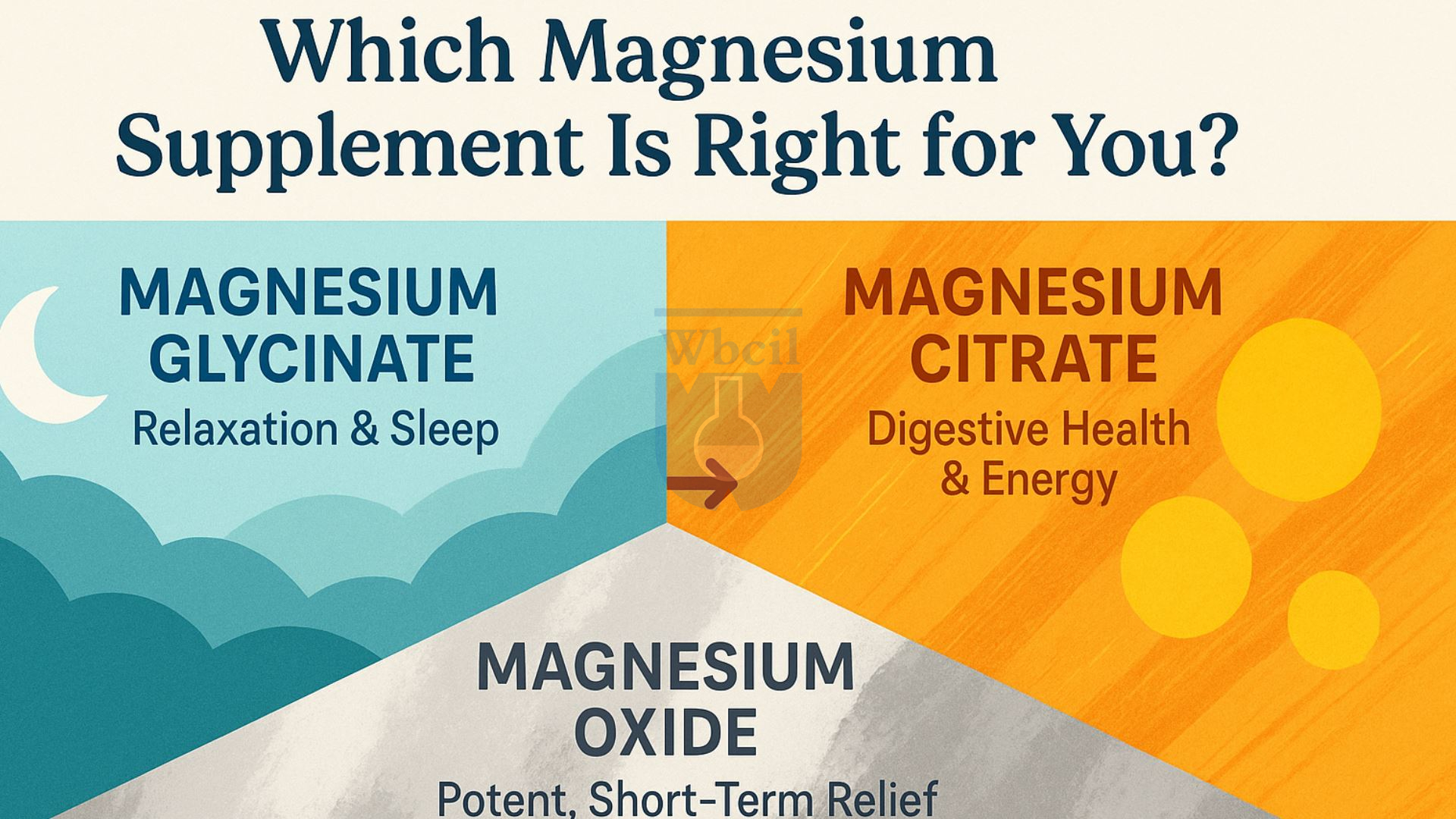
This article delves into the economic rationale behind selecting your magnesium supplement, dissecting the cost, bioavailability, and overall value proposition of magnesium glycinate versus magnesium oxide through a purely financial lens. We aim to equip you with the insights needed to make an informed decision that aligns with both your health objectives and your personal finance strategy.
Understanding Your Magnesium Investment: Glycinate vs. Oxide
When allocating a portion of your budget to health supplements, the primary goal is to achieve maximum efficacy for the capital invested. Magnesium, a vital mineral involved in over 300 biochemical reactions in the body, is no exception. However, its various forms present distinct financial profiles based on their chemical structure, absorption rates, and intended uses.
The Basics: What Each Form Offers as “Value”
Magnesium, in its elemental form, is highly reactive and must be bound to another substance for stability and absorption. The nature of this binding agent significantly impacts how your body processes and utilizes the mineral – and thus, the actual value you receive for your money.
Magnesium Oxide is typically bound to an oxygen molecule. It’s one of the most common and often the least expensive forms of magnesium available on the market. From a basic financial standpoint, its low unit cost might seem appealing, suggesting a higher quantity of elemental magnesium per dollar. However, this apparent cost-efficiency needs deeper scrutiny. Magnesium oxide has a relatively low bioavailability, meaning only a small percentage of the elemental magnesium in each dose is actually absorbed by your digestive system and utilized by your body. Its primary ‘value’ in the supplement market often lies in its laxative effect due to its poor absorption, making it a common choice for occasional constipation relief. For systemic magnesium deficiency, its ROI is questionable due to significant wastage.
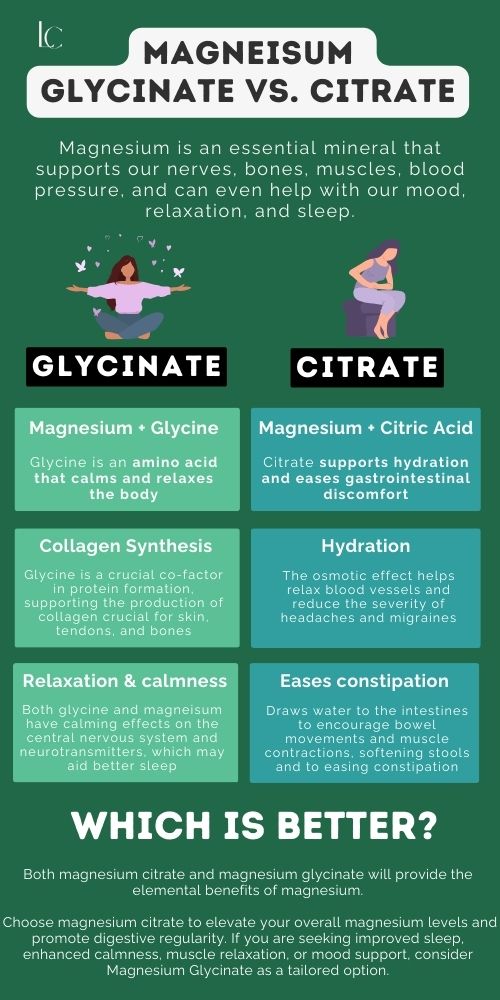
Magnesium Glycinate, on the other hand, involves magnesium bound to glycine, an amino acid. This chelated form is engineered for superior absorption. The glycine molecule helps facilitate its passage through the intestinal wall, leading to a much higher bioavailability compared to magnesium oxide. From a financial perspective, while the initial purchase price of magnesium glycinate per milligram of elemental magnesium might be higher, its enhanced absorption means a greater proportion of your financial outlay translates into actual physiological benefit. Its ‘value’ is derived from its systemic benefits, such as supporting relaxation, improving sleep, and reducing muscle cramps, with minimal gastrointestinal side effects.
Initial Outlay: Price Point Comparison and Cost Per Serving
A superficial glance at supplement labels often reveals a significant price disparity. Magnesium oxide products typically command a lower price point per bottle or per serving size compared to magnesium glycinate. For instance, a bottle of magnesium oxide might cost $10 for 100 doses, whereas a similar quantity of magnesium glycinate could be $20 or more.
To accurately assess the financial prudence of your choice, it’s essential to calculate the “true cost per effective dose.” If magnesium oxide has a bioavailability of, say, 4% and magnesium glycinate has a bioavailability of 80% (these are illustrative figures for comparison), then a 200mg dose of magnesium oxide might yield only 8mg of absorbable magnesium, while a 200mg dose of magnesium glycinate could yield 160mg. If both cost the same per serving, your effective return on investment in elemental magnesium is dramatically higher with glycinate.
Therefore, while the upfront cost of magnesium oxide is lower, the true financial expenditure for achieving a specific level of magnesium absorption could be substantially higher due to the need for larger doses or simply the wasted portion that passes through the body unabsorbed. This directly impacts your monthly or annual supplement budget.
Maximizing Your Health ROI: Beyond the Sticker Price
Smart financial decisions often look beyond the immediate price tag, considering the long-term return on investment. In the realm of health supplements, this means evaluating not just the cost per milligram, but the actual impact on your well-being and the potential avoidance of future health-related expenses.
Bioavailability as a “Return on Investment”: Getting More for Your Money
Bioavailability is arguably the most critical metric for evaluating the financial efficiency of a magnesium supplement. It dictates how much of your invested capital (the elemental magnesium you ingest) actually translates into a usable asset for your body.
With magnesium oxide, the low bioavailability translates to a high percentage of your investment literally being flushed away. If you purchase 500mg of elemental magnesium in oxide form, and only 4% is absorbed, you’re effectively getting 20mg of usable magnesium for your money. The remaining 480mg represents a financial loss. This is akin to buying a stock that consistently underperforms, yielding minimal returns on your principal.

Conversely, magnesium glycinate, with its high bioavailability, ensures that a much larger portion of your financial outlay contributes directly to your body’s magnesium stores. If 80% of a 500mg dose is absorbed, you’re getting 400mg of usable magnesium. Even if the initial cost of the glycinate form is twice that of the oxide, the significantly higher absorption rate often means you are spending less money per effective milligram of magnesium. This represents a far superior ROI, ensuring your supplement budget is optimally utilized.
Targeted Health Goals: Strategic Spending for Specific Needs
Your health objectives should directly influence your financial allocation for supplements. Just as you wouldn’t invest in a high-growth tech stock for immediate income, you shouldn’t use a poorly absorbed magnesium form for systemic benefits.
If your primary health goal (and thus your desired “return”) is constipation relief, magnesium oxide might represent a cost-effective solution. Its low absorption and osmotic effect in the gut are precisely what makes it effective for this purpose. In this specific scenario, its low price combined with its targeted action makes it a financially sound choice.
However, if your investment objective is to address a magnesium deficiency, support muscle function, improve sleep quality, reduce anxiety, or mitigate migraines – systemic issues that require magnesium to be absorbed into the bloodstream and cells – then magnesium glycinate offers a far better return. Spending less on magnesium oxide for these goals would be a false economy, leading to negligible results and necessitating further, potentially more expensive, interventions. Strategic financial planning dictates aligning your investment with your desired outcome.
Budgeting for Wellness: Smart Supplement Spending Strategies
Effective personal finance involves intelligent budgeting, which includes evaluating recurring health expenditures. Supplements should be viewed as an investment in preventative health, potentially reducing the need for more costly medical interventions down the line.
Long-Term Financial Implications: Preventing Future Costs
Adequate magnesium levels are associated with reduced risks of numerous chronic conditions, including type 2 diabetes, heart disease, osteoporosis, and anxiety. By investing wisely in a highly bioavailable form like magnesium glycinate today, you are making a proactive financial decision that could potentially avert substantial future medical expenses related to these conditions. The cost of managing a chronic disease far outweighs the ongoing investment in effective supplements. This is the essence of preventative health as a long-term financial strategy. Choosing a less effective form due to a lower upfront cost could be penny-wise and pound-foolish in the grand scheme of your financial health.
Comparing “Value”: Beyond Mg Content to Overall Efficacy
When comparing supplements, think like an investor evaluating a company’s fundamentals rather than just its stock price. The “milligrams per serving” is analogous to the nominal share price. However, the true “value” lies in the efficacy, or how well that magnesium is absorbed and utilized by your body.
Magnesium glycinate’s higher “efficacy” value stems from its gentle nature on the digestive system and superior absorption. This means less wasted product, fewer potential side effects (like diarrhea, common with high doses of oxide), and a more predictable therapeutic effect. These intangible benefits translate into real financial value: less discomfort, potentially fewer missed workdays due to digestive upset, and greater confidence that your money is delivering tangible health improvements.
The Economics of Personal Health: Making Informed Choices
Ultimately, the decision between magnesium glycinate and magnesium oxide boils down to an economic assessment of personal health needs. For those on a very tight budget whose primary concern is occasional constipation, magnesium oxide might fulfill a specific need at minimal cost. However, for individuals seeking comprehensive magnesium support, investing in magnesium glycinate represents a more financially sound decision in the long run. It ensures that your supplement budget is spent on a form that delivers maximum physiological benefit, thereby optimizing your health investment portfolio.
Market Dynamics and Consumer Finance in the Supplement Space
The supplement market, like any other consumer goods sector, is driven by supply, demand, and pricing strategies. Understanding these dynamics can further empower consumers to make financially astute decisions regarding their health investments.
Pricing Strategies: Why Some Forms Cost More
The higher cost of magnesium glycinate is not arbitrary. It reflects the more complex manufacturing process involved in chelating magnesium with an amino acid like glycine. This specialized process ensures the stability and bioavailability of the compound. Producers incur higher input costs for raw materials and processing, which are then reflected in the retail price. Magnesium oxide, being a simpler and less refined compound, has lower production costs, allowing it to be sold at a cheaper price point. Consumers, acting as savvy financial managers, must recognize that these price differences often correlate with product quality, efficacy, and ultimately, the true economic value delivered.
Avoiding “Financial Pitfalls”: Don’t Overpay for Ineffective Solutions
A significant financial pitfall in the supplement market is purchasing products that are ineffective for your specific health goals, regardless of their initial price. Spending money on magnesium oxide to address a systemic magnesium deficiency, only to find it largely ineffective, is a form of financial waste. It’s capital misallocation, diverting funds from a potentially more effective solution.
In conclusion, approaching the selection of magnesium supplements with a financial mindset reveals that the cheaper option is not always the most economical. While magnesium oxide serves a specific, low-cost purpose for bowel regularity, for broader systemic health benefits and optimal magnesium repletion, magnesium glycinate offers a superior return on your wellness investment. By prioritizing bioavailability, understanding your health goals, and considering the long-term financial implications, you can ensure your supplement budget contributes meaningfully to your most valuable asset: your health. This strategic approach to personal finance extends beyond traditional investments, encompassing every expenditure that shapes your well-being and future financial security.
aViewFromTheCave is a participant in the Amazon Services LLC Associates Program, an affiliate advertising program designed to provide a means for sites to earn advertising fees by advertising and linking to Amazon.com. Amazon, the Amazon logo, AmazonSupply, and the AmazonSupply logo are trademarks of Amazon.com, Inc. or its affiliates. As an Amazon Associate we earn affiliate commissions from qualifying purchases.