
In the rapidly expanding global wellness economy, consumers are increasingly viewing their health through the lens of human capital—an asset that requires strategic investment and maintenance. One of the most common decision-making points in this personal finance journey involves the selection of dietary supplements, specifically magnesium. As the mineral supplement market continues to surge toward a projected valuation of $150 billion by 2030, the financial distinction between different chemical forms of the same mineral becomes a critical exercise in cost-benefit analysis. When comparing magnesium citrate and magnesium oxide, the “difference” is not merely biological; it is an economic equation involving price points, absorption rates, and the ultimate return on investment (ROI) for the consumer’s wallet.
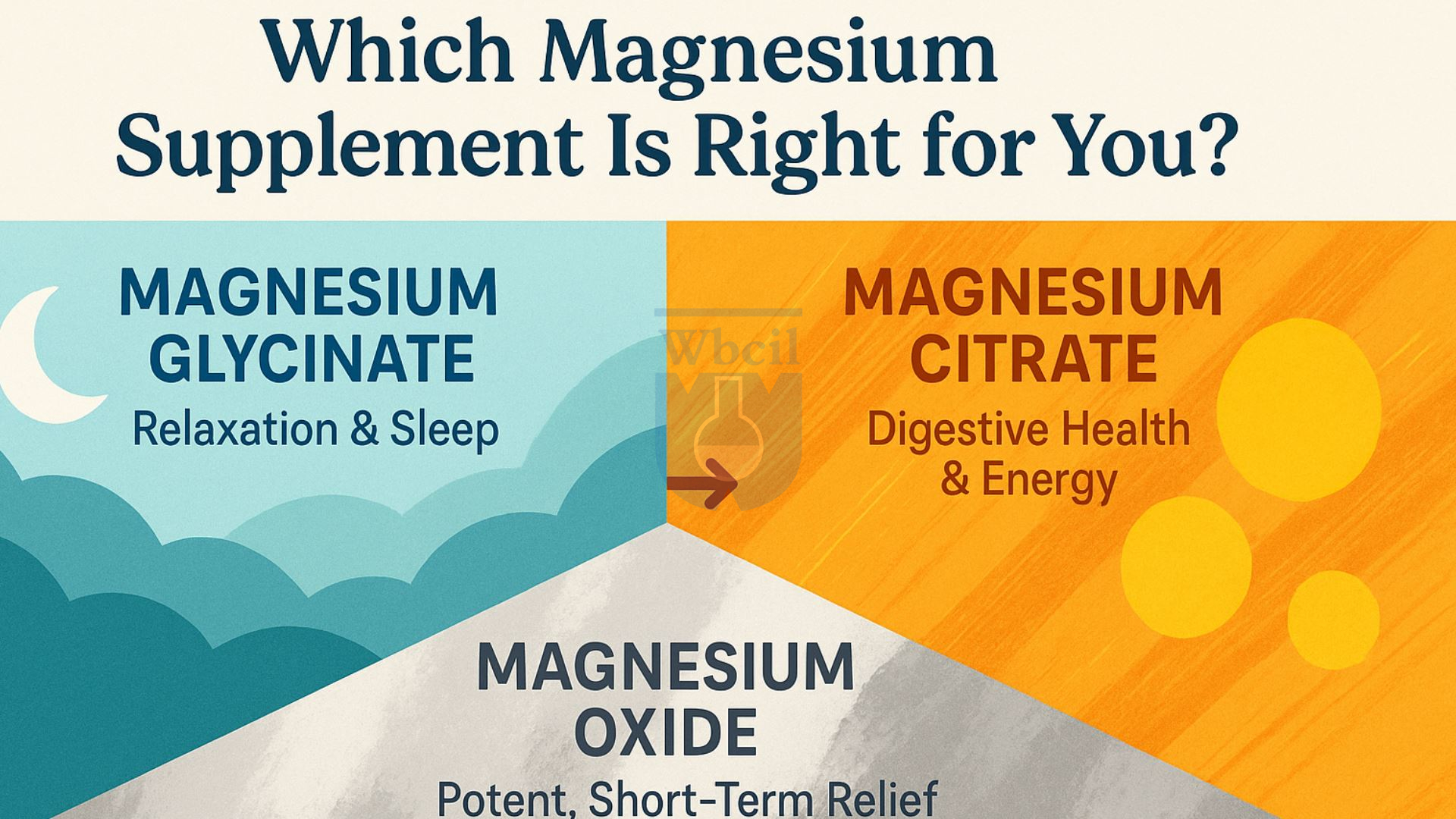
The Economic Logic of Bioavailability: Calculating Your Return on Investment
From a personal finance perspective, the absolute price of a bottle of supplements is a misleading metric. To understand the true cost of magnesium citrate versus magnesium oxide, one must apply a “Price-per-Absorbed-Milligram” (PPAM) formula. This approach mirrors how an investor looks at net yield rather than gross revenue.
The Price-per-Milligram Fallacy
Magnesium oxide is consistently marketed as the budget-friendly option. On a retail shelf, a bottle of magnesium oxide may cost 40% to 60% less than a bottle of magnesium citrate with the same number of capsules. To the uninformed consumer, the choice seems obvious: oxide offers a higher concentration of elemental magnesium per gram of powder. This makes it a high-density, low-cost commodity. However, in financial terms, this is a “value trap.” While the price per milligram is lower, the actual utility of the product is hampered by its chemical structure.
Bioavailability as an Efficiency Ratio
Bioavailability represents the “efficiency ratio” of a supplement. Magnesium oxide is an inorganic salt with a notoriously low absorption rate, often estimated between 4% and 10%. In contrast, magnesium citrate is an organic salt—magnesium bound with citric acid—which boasts a significantly higher bioavailability, often cited in the range of 25% to 30%.
When you apply these efficiency ratios to the purchase price, the math shifts. If you pay $10 for a bottle of oxide but only absorb 4% of it, you are effectively paying a massive premium for waste. If you pay $20 for citrate but absorb 30%, your “effective cost” per absorbed milligram is actually lower. Choosing the “expensive” citrate is often the more fiscally responsible move when the goal is a tangible health outcome rather than just the act of consumption.
Market Positioning: How Manufacturers Price Different Magnesium Compounds
The supplement industry utilizes sophisticated tiering strategies to segment the market between magnesium citrate and magnesium oxide. Understanding the business finance behind these products helps consumers navigate the “premium” branding traps that often inflate prices without adding proportional value.
Magnesium Oxide and the Commodity Market
Magnesium oxide is treated as a high-volume, low-margin commodity. Because it is inexpensive to manufacture and has a long shelf life, it is the primary choice for “Value Brands” and private-label grocery store supplements. For the manufacturer, the profit comes from scale and the “price-sensitive” demographic. From a business finance perspective, oxide serves as an entry-level product that captures the widest possible market share. It requires very little marketing because its primary selling point is its visible affordability on the shelf.
Magnesium Citrate and the Premium Specialty Niche
Magnesium citrate is positioned as a “mid-tier” to “premium” specialty product. The manufacturing process for citrate involves a more complex chelation or bonding process, which increases the Cost of Goods Sold (COGS). Consequently, brands position citrate as the “professional’s choice” or the “high-absorption formula.”
This positioning allows for higher markups. Marketing departments lean heavily on the “science-backed” nature of citrate to justify a price point that exceeds the incremental cost of manufacturing. For the consumer, the challenge is identifying when a brand is charging a fair premium for the better compound versus when they are applying a “luxury tax” to a standard magnesium citrate formulation. Analyzing the “Other Ingredients” list and the manufacturing certifications is essential for ensuring your investment is going toward the mineral itself rather than glossy packaging.
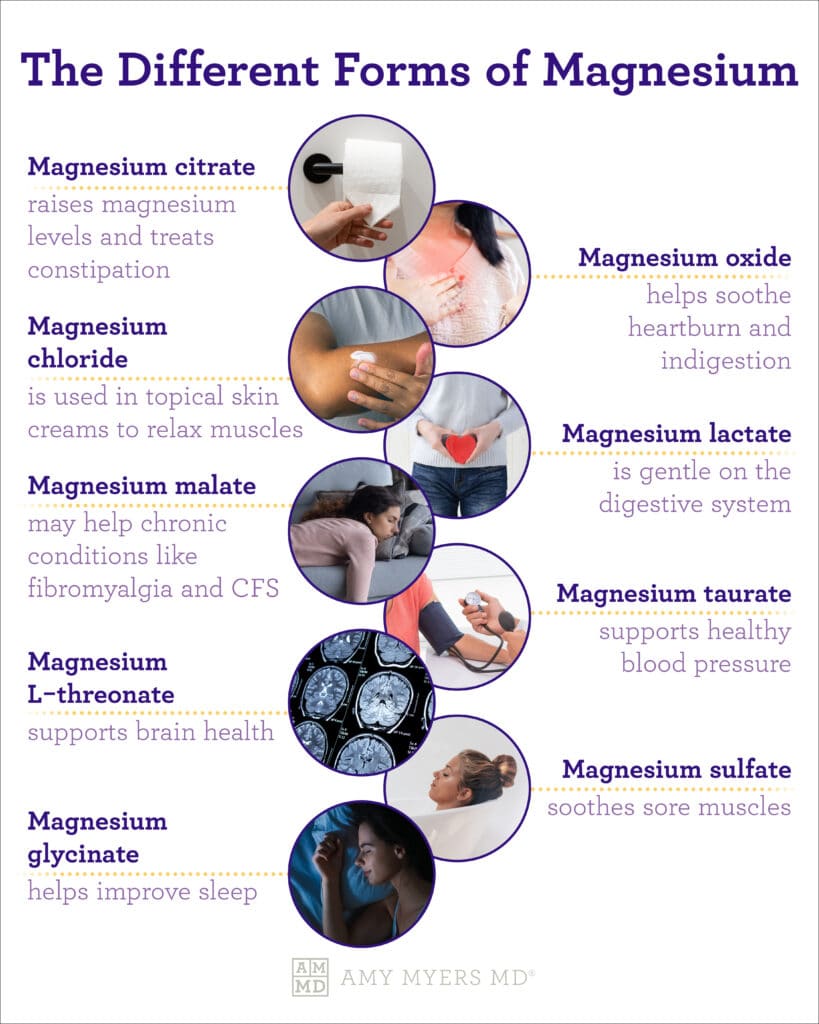
Investing in Human Capital: The Long-Term Financial Impact of Supplement Selection
In the world of personal finance, “preventive maintenance” is always cheaper than “emergency repair.” The choice between magnesium citrate and oxide can have long-term financial implications regarding productivity, healthcare costs, and overall quality of life.
The Cost of Adverse Effects and Sub-Optimal Health
While magnesium oxide is cheaper, it is also known for its osmotic effect—drawing water into the intestines—which frequently leads to digestive distress or a laxative effect at lower doses compared to citrate. From a productivity standpoint, the “hidden cost” of selecting a supplement that causes discomfort can manifest in lost work hours or decreased focus.
Furthermore, if a consumer chooses oxide to save money but fails to reach the necessary physiological levels of magnesium due to poor absorption, they are essentially wasting 100% of their investment. A failed investment in health is a liability, not an asset. If the goal of supplementation is to mitigate stress, improve sleep, or support cardiovascular health, the “savings” from oxide are eclipsed by the potential healthcare costs of unaddressed magnesium deficiency.
Strategic Budgeting for the Wellness Portfolio
Smart budgeting involves “diversifying” how one spends on wellness. If a budget is tight, a consumer might be tempted to buy the cheapest magnesium available. However, a more effective financial strategy might be to purchase a higher-quality magnesium citrate but take it less frequently, or to focus on magnesium-rich foods which offer the highest bioavailability (ROI).
Treating your supplement regimen like a portfolio means prioritizing “high-conviction” assets. Magnesium is involved in over 300 biochemical reactions in the body; therefore, it is a high-conviction asset that deserves a larger share of the wellness budget than “trend-based” supplements with less scientific backing. In this context, the premium paid for citrate is a hedge against the inefficiency of the cheaper oxide alternative.
The Global Supply Chain: Why Prices Fluctuate Between Citrate and Oxide
The retail price difference between these two compounds is also a reflection of global supply chain dynamics and raw material availability. Investors and business-minded consumers should be aware of how these macro-economic factors influence the price at the pharmacy counter.
Manufacturing Costs and Extraction Processes
Magnesium oxide is often derived from the calcination of magnesite or the treatment of magnesium chloride with lime. This is a relatively straightforward industrial process. Magnesium citrate, however, requires the reaction of magnesium oxide or carbonate with citric acid. This extra step—the sourcing of citric acid and the time required for the reaction—increases the operational expenses of the producer.
Fluctuations in the price of citric acid, which is largely produced via the fermentation of sugars (like corn or molasses), directly impact the retail price of magnesium citrate. When global corn prices rise, the cost of “efficient” magnesium tends to follow. Magnesium oxide, being more decoupled from agricultural markets, tends to have a more stable, albeit lower, price floor.
Future Market Outlook and Investment Trends
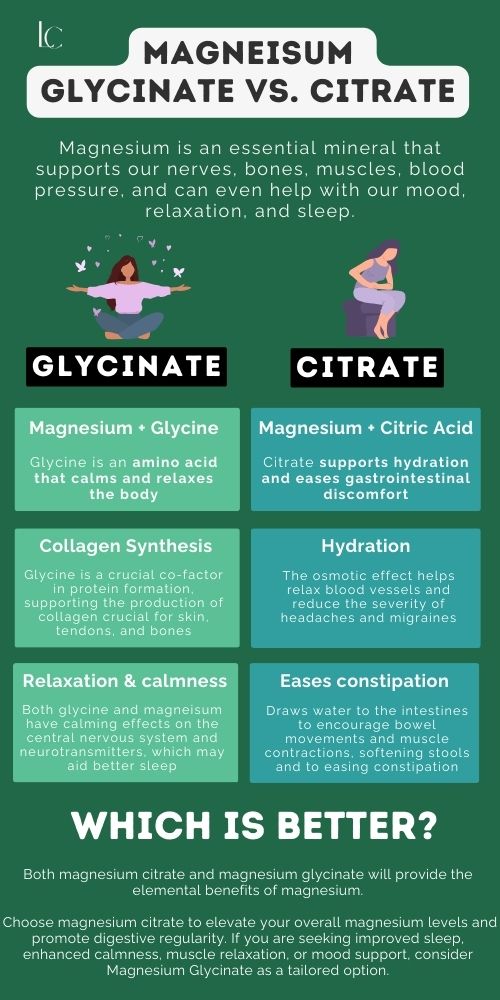
As the “Longevity” movement gains traction among high-net-worth individuals and the broader middle class, we are seeing a shift in market share toward citrate and other highly bioavailable forms like glycinate or malate. The “smart money” in the supplement industry is moving away from low-quality oxides and toward “functionalized” minerals.
For the consumer, this trend is a double-edged sword. Increased demand for citrate can lead to economies of scale that eventually lower prices, but it can also lead to “premiumization,” where companies use slight variations in citrate formulas to hike prices significantly. Staying informed about the actual chemical differences—and the financial math behind them—is the only way to ensure that your health investments continue to yield a positive return.
In summary, the difference between magnesium citrate and magnesium oxide is a classic case study in the difference between “price” and “value.” Magnesium oxide offers a low entry cost but a poor yield, making it an inefficient use of capital for those seeking specific health outcomes. Magnesium citrate requires a higher initial outlay but offers a superior absorption rate, representing a more efficient allocation of financial resources. By viewing these supplements as financial instruments for health, consumers can move beyond the sticker price and make decisions that protect both their bodies and their bank accounts.
aViewFromTheCave is a participant in the Amazon Services LLC Associates Program, an affiliate advertising program designed to provide a means for sites to earn advertising fees by advertising and linking to Amazon.com. Amazon, the Amazon logo, AmazonSupply, and the AmazonSupply logo are trademarks of Amazon.com, Inc. or its affiliates. As an Amazon Associate we earn affiliate commissions from qualifying purchases.