
The political spectrum, often simplified into “left wing” and “right wing,” represents a broad array of ideologies and policy preferences that shape governance, society, and, profoundly, the economy. While these terms originate from the seating arrangements in post-revolutionary French parliaments, their modern interpretations delve into fundamental disagreements about human nature, the role of government, and how society’s resources—its money—should be managed, generated, and distributed. For anyone seeking to understand the financial implications of political discourse, discerning these core economic differences is paramount. It’s not merely an academic exercise; these distinctions directly influence everything from your tax burden and investment opportunities to the availability of social services and the stability of your employment.

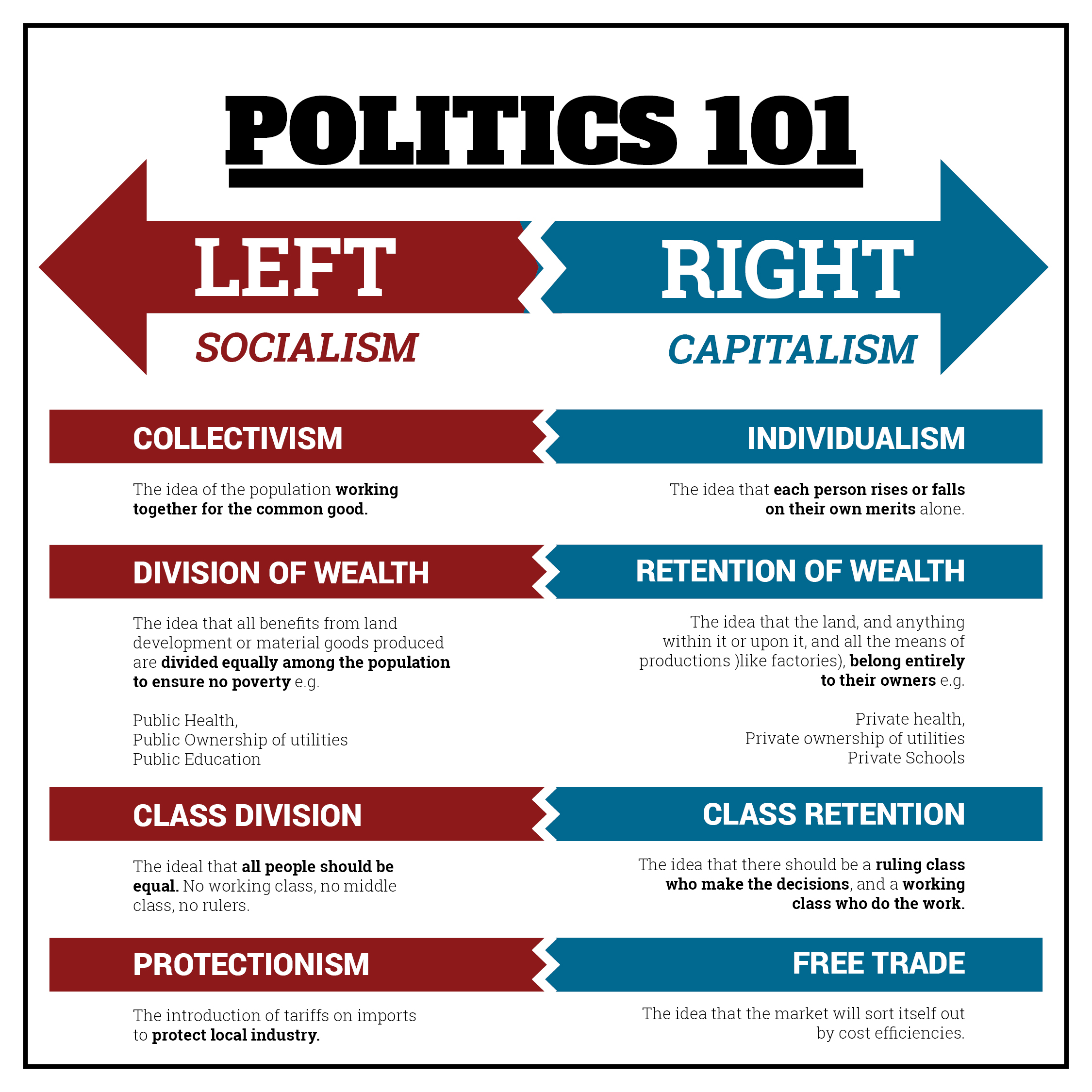
At its heart, the divergence between left and right in the financial sphere boils down to contrasting views on economic freedom versus economic equality, and the optimal level of government intervention required to achieve societal well-being. The left generally advocates for greater government involvement to correct market failures, redistribute wealth, and ensure a robust social safety net. In contrast, the right typically champions free markets, individual responsibility, and limited government intervention, believing these principles foster innovation, prosperity, and ultimately, a stronger economy for all. Understanding these foundational philosophies is the first step in decoding the complex interplay between politics and your wallet.
Foundational Economic Philosophies
The economic bedrock of left and right ideologies provides the lens through which all financial policies are formulated and debated. These differing philosophies represent not just alternative approaches to managing money but fundamentally distinct visions for how an economy should function and what its primary objectives should be.
The Left’s Approach: Collective Welfare and Redistribution
From a left-wing perspective, the economy is viewed as a system that, if left unchecked, can exacerbate inequalities, concentrate wealth in the hands of a few, and neglect the needs of vulnerable populations. Therefore, the primary goal of economic policy is to promote collective welfare, ensure economic justice, and provide a basic standard of living for all citizens. This often translates into a belief that wealth generated by a society should be shared more equitably.
Key tenets of this approach include:
-
Progressive Taxation: Advocating for higher taxes on higher incomes and corporate profits to fund public services and redistribute wealth.
-
Robust Social Safety Nets: Strong support for government-funded programs such as universal healthcare, affordable housing, unemployment benefits, and comprehensive social security systems. These are seen as essential investments in human capital and a means to mitigate the risks associated with market fluctuations.
-
Regulation: A belief in the necessity of government oversight to protect consumers, workers, and the environment from the excesses of unchecked corporate power. This includes financial market regulations, minimum wage laws, and anti-monopoly measures.
-
Public Ownership/Investment: Support for public ownership of essential services (like utilities or transportation) or significant government investment in strategic industries to ensure access and stable provision.
The financial implication for individuals under a left-leaning economic system often means higher taxes, but also greater access to subsidized or free public services, reducing personal out-of-pocket expenses for essentials like healthcare and education. For businesses, it can mean increased regulatory burdens and potentially higher labor costs, balanced against a more stable and educated workforce and a larger consumer base with greater purchasing power.
The Right’s Approach: Individual Liberty and Free Markets
Conversely, right-wing economic philosophy largely centers on the principles of individual liberty, personal responsibility, and the efficiency of free markets. The belief is that an economy performs best when individuals and businesses are given maximum freedom to operate with minimal government interference. This perspective holds that market forces, driven by supply and demand, are the most efficient allocators of resources and that competition naturally fosters innovation and prosperity.
Core components of this ideology typically involve:
-
Lower Taxes: Advocacy for lower income taxes, corporate taxes, and capital gains taxes, arguing that this incentivizes work, investment, and entrepreneurship, leading to overall economic growth.
-
Deregulation: A push to reduce government oversight and bureaucratic hurdles, believing that excessive regulation stifles business growth, innovation, and job creation. This often extends to financial markets, labor laws, and environmental standards.
-
Fiscal Conservatism: Emphasis on reducing government spending, balancing budgets, and minimizing national debt. This often entails cuts to social programs or a preference for private sector solutions.
-
Privatization: A preference for private ownership and operation of services often managed by the state, arguing for greater efficiency and competition.
Under a right-leaning economic system, individuals may experience lower tax rates and potentially more investment opportunities due to less market intervention. However, they might also face higher out-of-pocket costs for services that were previously subsidized or provided by the government. For businesses, this environment typically offers lower operational costs due fewer regulations and taxes, potentially leading to higher profits and an impetus for expansion and job creation, albeit with less government safety nets for economic downturns.
Taxation and Government Spending
One of the most tangible battlegrounds between left and right is the design of the tax system and the allocation of government expenditure. These decisions directly influence personal disposable income, corporate profitability, and the scope of public services.
Progressive vs. Regressive Taxation
The left generally advocates for a progressive tax system, where those with higher incomes pay a larger percentage of their earnings in taxes. This includes higher marginal tax rates on top earners, wealth taxes, and increased corporate taxation. The rationale is to fund public services and reduce income inequality by redistributing wealth from the affluent to support broader societal needs. For the average individual, this might mean a higher tax bill if their income grows significantly, but also more robust public infrastructure, education, and healthcare systems reducing their overall living costs. Businesses, particularly large corporations, may face higher tax liabilities, impacting their net profits and potentially their investment strategies.
The right, conversely, often champions lower, flatter, or even regressive tax structures, arguing that high progressive taxes disincentivize work, investment, and entrepreneurship. They often favor tax cuts across the board, particularly for businesses and high-income earners, believing this stimulates economic activity, creates jobs, and ultimately benefits everyone through a “trickle-down” effect. From this perspective, excessive taxation is seen as an impediment to economic growth. Individuals might enjoy lower overall tax burdens, especially if they are high earners or business owners, potentially leaving them with more disposable income for saving or investing. However, this could also lead to reduced public services or increased reliance on private solutions for essentials.
Social Programs, Infrastructure, and Debt Management
Government spending is another critical differentiator. Left-wing platforms typically advocate for significant government investment in social programs (healthcare, education, unemployment benefits, social security) and public infrastructure (roads, bridges, public transport, green energy initiatives). They see these expenditures as essential for social cohesion, economic stability, and long-term national competitiveness. While these programs are costly and often necessitate higher taxation or increased national debt, the argument is that they provide a collective good that individual markets cannot adequately supply and protect citizens from economic hardship.
Right-wing ideologies, conversely, tend to prioritize fiscal conservatism, emphasizing reduced government spending, balanced budgets, and lower national debt. They argue that large government spending programs are inefficient, prone to waste, and can crowd out private investment. While they may support targeted infrastructure projects, they generally prefer private sector involvement and less expansive social safety nets, believing individual charity and private enterprise are more effective. Their focus on debt reduction is often seen as a way to ensure future economic stability and prevent the burden of debt from falling on future generations. This approach means less reliance on government handouts but potentially greater personal responsibility for healthcare, retirement, and education costs.
Regulation and Business Environment
The extent to which the government should regulate economic activity profoundly shapes the business environment, affecting everything from market competition to consumer prices and innovation.
Market Intervention vs. Laissez-Faire Principles
The left generally favors significant market intervention to achieve social and economic goals. This includes regulations designed to protect workers (minimum wage laws, workplace safety, union rights), consumers (product safety standards, truth-in-advertising laws), and the environment (pollution controls, climate change mitigation). They believe that markets, if left unregulated, can lead to monopolies, exploitation, and negative externalities that harm society. Financial regulations, such as those governing banking and investment, are also heavily supported to prevent crises and protect investors. For businesses, this translates into higher compliance costs and operational restrictions, but it can also foster a more stable market with consumer trust and a healthier, more productive workforce.
The right champions laissez-faire principles, advocating for minimal government intervention in the economy. They argue that excessive regulation stifles innovation, creates unnecessary burdens for businesses, and distorts market signals. Their focus is on reducing red tape, simplifying compliance, and allowing market forces to dictate outcomes. They believe that deregulation fosters competition, encourages entrepreneurship, and ultimately leads to greater economic efficiency and lower prices for consumers. For businesses, a deregulated environment offers greater operational flexibility, potentially lower costs, and increased profit margins. However, it can also lead to greater market volatility, increased risks for consumers and workers, and potentially less accountability for corporate actions.
Impact on Industries, Innovation, and Employment
These regulatory differences have distinct impacts on various sectors of the economy. Left-wing policies might boost industries focused on public goods (e.g., renewable energy with subsidies, public transport, social care) but could pose challenges for sectors with high environmental impact or those relying on low-wage labor. Regulations aimed at ensuring fair competition and breaking up monopolies can foster a more diverse economic landscape, potentially benefiting smaller businesses. The emphasis on worker rights can lead to higher wages and better working conditions, potentially increasing consumer spending but also raising production costs for businesses.
Right-wing policies, with their emphasis on deregulation and lower taxes, often aim to create a highly competitive environment attractive to corporations. Industries that thrive under this approach include those with high capital investment (e.g., manufacturing, finance) that benefit from reduced overheads and less oversight. The promise is that less regulation and taxation will encourage businesses to invest more, innovate faster, and create more jobs. However, critics argue this can also lead to job insecurity, wage stagnation, and a focus on short-term profits over long-term sustainability or social responsibility. Ultimately, the choice between these approaches represents a trade-off between economic growth driven by free enterprise and economic stability and equity driven by government oversight.
Wealth Distribution and Social Safety Nets
The disparities in wealth and income within a society are central to the left-right divide, dictating approaches to social safety nets and the role of government in ensuring economic security.
Addressing Inequality: Strategies and Debates
Left-wing ideology views significant wealth inequality as a systemic problem that undermines social cohesion and economic stability. They advocate for active government intervention to reduce wealth disparities through various mechanisms. These include progressive taxation, as discussed, but also policies like minimum wage increases (or living wage initiatives), stronger union protections, universal access to education and healthcare, and wealth transfer programs. The argument is that greater equality leads to a healthier, more productive populace, reduces social unrest, and broadens the consumer base, thus strengthening the economy from the bottom up. While these strategies often involve substantial public spending and can be criticized for potentially disincentivizing individual achievement, proponents argue they are necessary for true economic justice and long-term societal well-being.
Right-wing thought, while acknowledging the existence of inequality, often frames it differently. They argue that some level of wealth disparity is a natural outcome of a free-market system and reflects differences in talent, effort, and risk-taking. Rather than directly redistributing wealth, their focus is on creating conditions for opportunity and upward mobility. This involves promoting economic growth, reducing barriers to entrepreneurship, and fostering competition. They believe that attempts at forced redistribution can stifle incentive, lead to economic inefficiency, and interfere with individual property rights. While they may support targeted charity or private philanthropic efforts, they generally oppose large-scale government programs designed to equalize outcomes, favoring a system where individuals are largely responsible for their own financial success.
The Role of Welfare, Healthcare, and Education in Economic Stability
The left sees robust welfare programs, universal healthcare, and accessible public education as not just social goods but essential economic stabilizers and investments. They argue that these programs provide a crucial safety net during economic downturns, prevent widespread poverty, and ensure a healthy, educated workforce capable of contributing to the economy. For instance, universal healthcare reduces the financial burden of illness on individuals and employers, while free or affordable education ensures that talent, not just wealth, dictates access to opportunity. These investments are seen as crucial for long-term economic growth and resilience, even if they require higher taxes or increased national debt in the short term.
The right typically views these services as areas where private sector solutions are more efficient and effective. They advocate for limited welfare programs, often with strict eligibility requirements and work mandates, arguing that expansive welfare can create dependency and disincentivize work. For healthcare and education, they tend to favor market-based approaches, such as private insurance, school choice initiatives, and tuition-based higher education, believing that competition improves quality and reduces costs. While recognizing the importance of these sectors, they prioritize individual choice and private provision over universal government services, arguing that this approach is more fiscally responsible and fosters greater individual autonomy and market efficiency. The economic outcome is often a system where individuals bear more direct responsibility for securing their own health, education, and financial safety nets.
International Trade and Global Economy
The economic philosophies of the left and right also extend to how a nation interacts with the global economy, particularly concerning trade, investment, and international financial institutions.
Protectionism vs. Free Trade Arguments
On international trade, the left often exhibits a more nuanced or even protectionist stance, especially concerning specific industries or labor rights. While some on the left support free trade, others advocate for fair trade policies that prioritize environmental standards, labor protections, and human rights in global supply chains. They may support tariffs or quotas to protect domestic industries and jobs from cheap foreign labor or environmentally destructive practices, arguing that unfettered free trade can lead to a “race to the bottom,” depressing wages and standards worldwide. The financial implication is potentially higher domestic prices for goods but ostensibly greater job security and better working conditions for local labor. They also tend to scrutinize the power of multinational corporations and global financial institutions, advocating for regulations that prevent capital flight and ensure corporate accountability.
The right is generally a strong proponent of free trade, believing it fosters economic growth, increases efficiency, and provides consumers with a wider variety of goods at lower prices. They argue that removing tariffs, quotas, and other trade barriers allows countries to specialize in what they do best, leading to greater global prosperity. While acknowledging the potential for job displacement in specific sectors, they believe that the overall economic benefits of free trade, including increased exports and access to cheaper imports, outweigh the costs. From a financial perspective, this approach often leads to lower consumer prices due to increased competition and efficiency, and greater opportunities for export-oriented businesses. However, it can also put pressure on domestic industries and wages if they cannot compete effectively with foreign counterparts.
Global Financial Systems and Sovereignty
The left often views global financial systems with a critical eye, advocating for greater international cooperation and regulation to prevent financial crises, combat tax evasion, and ensure equitable development. They may support stronger international bodies (like the IMF or World Bank) but push for reforms that prioritize debt relief for developing nations and stringent oversight of speculative capital flows. The emphasis is on building a global economy that is more resilient, fair, and less prone to the boom-bust cycles often associated with unregulated financial markets. This approach seeks to use international financial structures to achieve global economic justice and stability.
The right typically emphasizes national economic sovereignty and is often wary of international bodies imposing regulations or economic policies that might infringe on national interests or hinder domestic economic freedom. While supportive of global trade and investment, they often prioritize national control over monetary and fiscal policy. Their focus is on ensuring that a nation’s financial policies serve its own citizens and businesses first, and they may be skeptical of international agreements that could lead to economic concessions or external interference. This perspective favors domestic policy tools to manage the economy, potentially leading to less involvement in multilateral financial governance but greater autonomy in national economic decision-making.
In conclusion, understanding the core differences between left-wing and right-wing economic philosophies is crucial for navigating the complex financial landscape. From taxation and spending to regulation and international trade, these ideological divides shape the policies that directly impact individual wealth, business opportunities, and the overall economic health of nations.
aViewFromTheCave is a participant in the Amazon Services LLC Associates Program, an affiliate advertising program designed to provide a means for sites to earn advertising fees by advertising and linking to Amazon.com. Amazon, the Amazon logo, AmazonSupply, and the AmazonSupply logo are trademarks of Amazon.com, Inc. or its affiliates. As an Amazon Associate we earn affiliate commissions from qualifying purchases.