
In the realm of technology, understanding environmental parameters like humidity and dew point is not merely a scientific curiosity but a critical factor influencing everything from hardware longevity and data center efficiency to smart home comfort systems and industrial IoT deployments. While often used interchangeably in casual conversation, humidity and dew point are distinct metrics, each offering unique insights vital for optimal technological performance and environmental control. This distinction is fundamental for engineers, developers, and consumers leveraging smart devices and advanced systems to manage their physical surroundings.
Decoding Humidity: Relative vs. Absolute Moisture in Tech Contexts
At its core, humidity refers to the amount of water vapor present in the air. However, the term itself can be ambiguous, encompassing two primary forms that hold different significance for technological applications: relative humidity and absolute humidity.
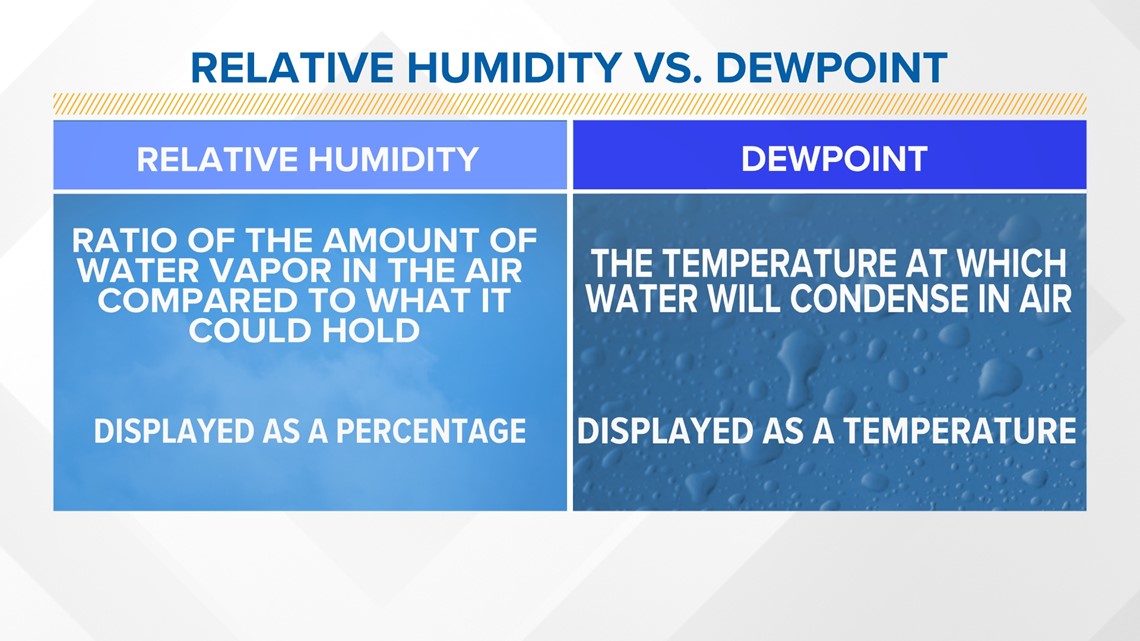
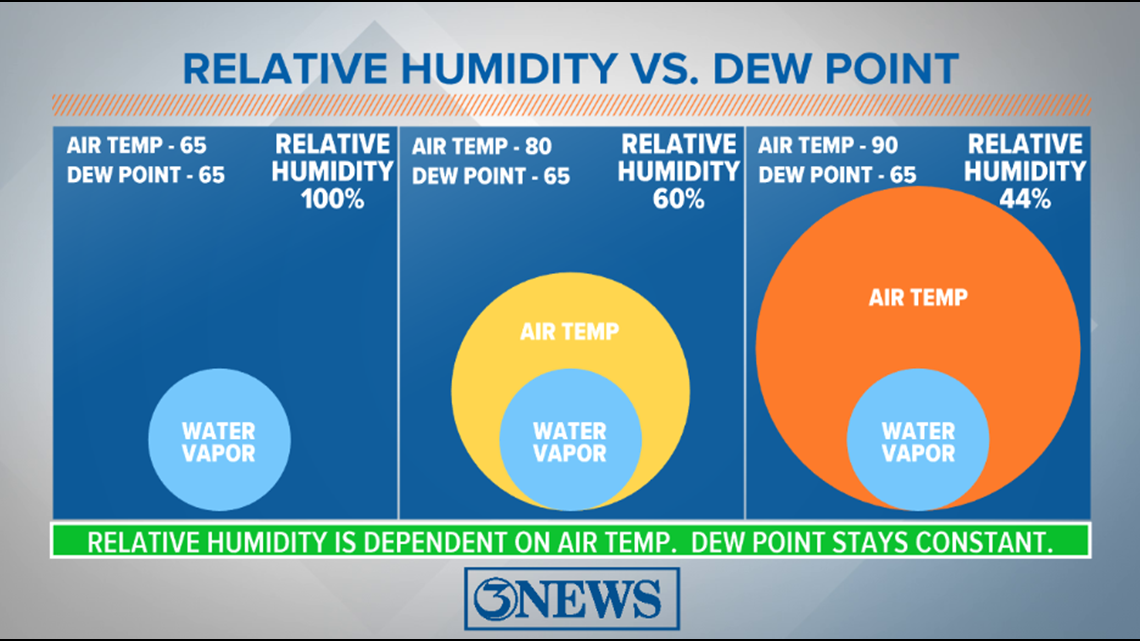
Relative Humidity (RH) is perhaps the most commonly encountered metric, often displayed on smart thermometers, weather apps, and home automation dashboards. It expresses the amount of moisture in the air as a percentage of the maximum amount of moisture the air can hold at a given temperature. Warmer air can hold more water vapor than cooler air. This means that if the temperature drops, the relative humidity will rise even if the actual amount of water vapor in the air remains constant. Conversely, if the temperature increases, the relative humidity will fall.
From a technological standpoint, RH is crucial for:
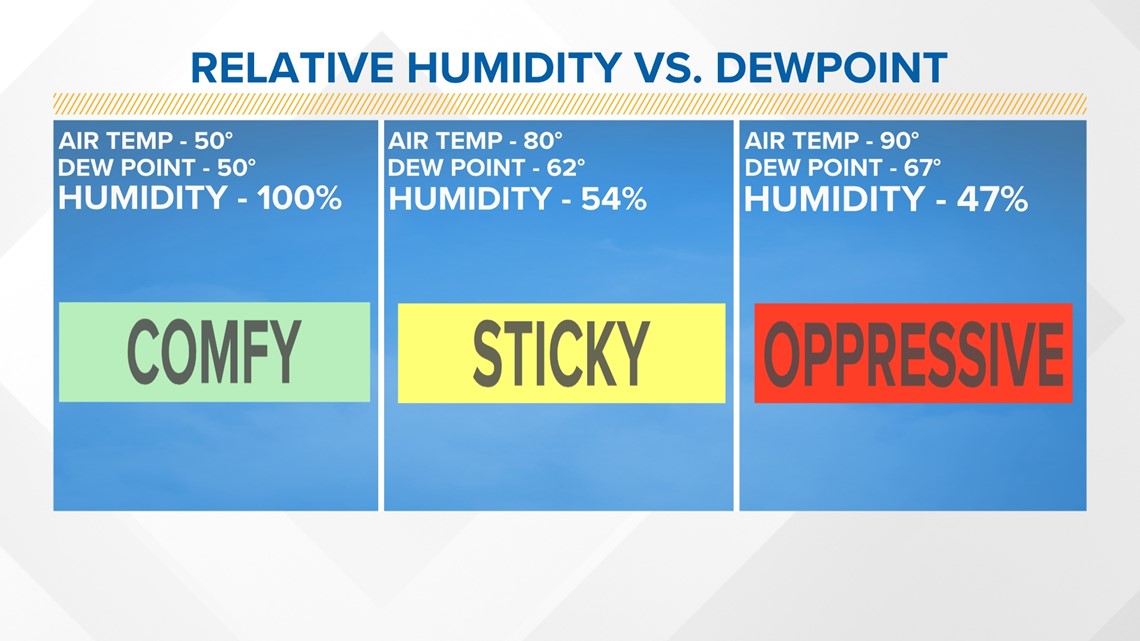
- Human Comfort and HVAC Systems: Smart thermostats often use RH readings to adjust heating and cooling cycles, aiming for a comfortable range (typically 30-60%) to prevent excessive dryness or stickiness. Integrated humidifiers and dehumidifiers in modern HVAC units rely heavily on precise RH sensors for automated climate control.
- Material Preservation: Certain tech components, especially those in precision manufacturing or archival storage, are sensitive to RH fluctuations, which can cause warping, corrosion, or degradation of sensitive materials over time.
- Static Electricity Prevention: In environments like server rooms or electronics assembly lines, maintaining a specific RH range helps prevent electrostatic discharge (ESD), which can damage sensitive microelectronics. Too low RH increases ESD risk, while too high RH can lead to other issues.
Absolute Humidity (AH), on the other hand, measures the actual mass of water vapor present in a given volume of air, irrespective of temperature. It’s typically expressed in grams of water vapor per cubic meter of air (g/m³). While less commonly displayed on consumer devices, AH provides a more direct measure of the total moisture content. In highly controlled industrial or scientific environments, AH can be a valuable metric for process control where the absolute amount of water vapor is critical, regardless of temperature shifts. However, for most tech applications, RH or dew point often offer more actionable insights due to their direct relation to saturation and condensation.
Dew Point: The Unwavering Measure of Moisture and Condensation Risk
While relative humidity tells us how saturated the air is at its current temperature, the dew point offers a more robust and absolute measure of the actual moisture content in the air. The dew point is defined as the temperature to which air must be cooled at constant pressure for water vapor to condense into liquid water (dew). In simpler terms, it’s the temperature at which the air becomes completely saturated (100% relative humidity).
Unlike relative humidity, the dew point is not directly dependent on the ambient air temperature. If the temperature of the air changes, but the actual amount of water vapor in it remains the same, the dew point stays constant. This makes it an incredibly powerful and reliable indicator for several critical technological applications:
Why Dew Point Matters for Data Centers and Precision Environments
For critical infrastructure like data centers, server rooms, telecommunications facilities, and precision manufacturing environments (e.g., semiconductor fabrication), controlling the environmental conditions is paramount. Here, dew point is often considered a superior metric to relative humidity for several reasons:
- Preventing Condensation: Condensation is the enemy of electronics. When the surface temperature of equipment falls below the dew point of the surrounding air, moisture will condense on those surfaces, leading to short circuits, corrosion, and catastrophic hardware failure. Data centers strictly monitor dew point to ensure that no equipment surface will ever reach a temperature below it. This is especially critical when cold air from cooling systems meets warmer, more humid air or when components are powered down and cool.
- Absolute Moisture Content: Dew point directly reflects the absolute amount of moisture in the air, providing a consistent and unambiguous metric for comparing conditions across different temperatures. A dew point of 10°C means there’s a specific, quantifiable amount of moisture in the air, whether the ambient temperature is 15°C or 25°C. This makes it ideal for setting strict environmental control parameters.
- Energy Efficiency: Maintaining an optimal dew point range helps optimize HVAC systems in data centers. Over-dehumidifying (aiming for very low RH at low temperatures) can waste significant energy. By focusing on dew point, operators can ensure adequate moisture removal without excessive cooling or heating, leading to substantial energy savings. The American Society of Heating, Refrigerating and Air-Conditioning Engineers (ASHRAE) guidelines for data centers often specify dew point ranges rather than just RH, recognizing its critical importance.
- Material Integrity and Process Control: In manufacturing processes involving sensitive materials or chemicals, a consistent dew point prevents undesired reactions or changes in material properties due to fluctuating moisture levels.
Calculating Dew Point in Digital Systems
Modern environmental monitoring systems, common in smart buildings and industrial IoT, use sophisticated sensors to measure temperature and relative humidity. These raw data points are then fed into algorithms that calculate the dew point. There are several widely accepted formulas, such as the Magnus formula approximation, which provide accurate dew point calculations. These calculations are performed by microcontrollers in sensors, edge devices, or cloud-based platforms, providing real-time dew point data to facility managers and automation systems. The ability to instantly derive this critical metric from standard sensor readings underscores its utility in digital environmental control.
Technological Applications and Impact
The distinction between humidity and dew point drives design decisions and operational strategies across various technological domains.
Smart Home HVAC and Comfort Management
In smart homes, IoT-enabled thermostats and climate control systems are becoming increasingly sophisticated. While many consumer devices still focus on relative humidity for setting comfort levels, advanced systems are beginning to incorporate dew point awareness. By monitoring both, smart HVAC can:
- Prevent Mold Growth: High relative humidity combined with cooler surfaces (e.g., in basements or poorly insulated areas) creates ideal conditions for mold. Monitoring the dew point helps identify areas where condensation might form even before it becomes visible, allowing for proactive ventilation or dehumidification.
- Optimize Dehumidification: Instead of simply aiming for a low RH, which can over-dry the air, systems can target a specific dew point to maintain optimal comfort and health without excessive energy use.
- Integrate with Ventilation Systems: Smart vents and whole-home ventilation systems can use dew point data to determine when to exchange indoor air with outdoor air, balancing fresh air intake with moisture control, especially in humid climates.
Industrial IoT for Environmental Control
The Industrial Internet of Things (IIoT) leverages networks of sensors to monitor vast industrial environments. For processes sensitive to moisture, like food processing, pharmaceutical manufacturing, or paint booths, dew point sensors are integral. These sensors feed data to predictive maintenance platforms and automated control systems that can:
- Adjust Production Parameters: Automated systems can modify drying times, ventilation rates, or even product routing based on real-time dew point readings to maintain product quality and prevent spoilage.
- Ensure Equipment Longevity: Proactive alerts triggered by an elevated dew point can signal the need for maintenance on cooling systems or dehumidifiers before condensation damages machinery.
- Compliance and Reporting: In regulated industries, precise dew point logging is often required for environmental compliance and quality assurance documentation.
Protecting Electronics from Condensation
Beyond data centers, general consumer electronics are also susceptible to moisture damage. While most modern devices are designed for a range of operating conditions, extreme humidity can still pose risks.
- Water Damage Indicators: Many gadgets include internal indicators that change color irreversibly when exposed to high humidity or liquid water, allowing technicians to diagnose water damage.
- Ruggedized Devices: For devices used in harsh outdoor or industrial environments, understanding the potential for condensation (indicated by dew point) drives the need for sealed enclosures and conformal coatings to protect internal circuitry.
- Storage and Transport: Manufacturers must consider dew point during the shipping and storage of electronic components, especially across varying climates, often using desiccants and sealed packaging to prevent moisture ingress.
Choosing the Right Metric for Your Tech Solution
For tech innovators and system architects, the decision of whether to prioritize relative humidity or dew point depends entirely on the specific application and the associated risks.
- If the primary concern is human comfort or general air dryness/stickiness in a relatively stable temperature environment, relative humidity often suffices. Smart home devices focused on user experience typically default to RH.
- If the primary concern is preventing condensation, safeguarding sensitive electronics, maintaining precise industrial processes, or managing absolute moisture content across varying temperatures, dew point is the unequivocally superior metric. This is where advanced monitoring and control systems, particularly in enterprise and industrial settings, place their emphasis.
The availability of highly accurate and affordable temperature and relative humidity sensors, combined with the computational power to derive dew point, means that integrating comprehensive moisture awareness into new technological solutions is more accessible than ever. By understanding the fundamental difference between humidity and dew point, the tech industry can design more resilient, efficient, and user-friendly products and systems that truly master their environment.
aViewFromTheCave is a participant in the Amazon Services LLC Associates Program, an affiliate advertising program designed to provide a means for sites to earn advertising fees by advertising and linking to Amazon.com. Amazon, the Amazon logo, AmazonSupply, and the AmazonSupply logo are trademarks of Amazon.com, Inc. or its affiliates. As an Amazon Associate we earn affiliate commissions from qualifying purchases.