
In the realm of home environmental control, two devices often surface as essential for improving indoor air quality and comfort: humidifiers and purifiers. While both contribute to a healthier living space, they serve distinct purposes and employ different mechanisms. Understanding these differences is crucial for making informed purchasing decisions and ensuring you select the right technology for your specific needs. This article will delve into the core functionalities of humidifiers and purifiers, exploring their operational principles, benefits, and how they address different environmental challenges within your home.
Understanding the Humidifier: Adding Moisture to the Air
A humidifier’s primary function is to increase the level of moisture in the air. This is achieved by releasing water vapor into the atmosphere, thereby raising the relative humidity. In environments where the air is dry, particularly during winter months when heating systems tend to deplete moisture, humidifiers play a vital role in restoring a comfortable and healthy humidity level.

How Humidifiers Work: Technologies and Mechanisms
The technology behind humidifiers has evolved over time, leading to several distinct types, each with its own operating principle:
-
Cool Mist Humidifiers: These are the most common type and operate without heating water.
- Evaporative Humidifiers: These use a fan to draw dry air through a saturated wick or filter. As the air passes through, it picks up moisture from the filter, and the now-humidified air is released back into the room. These are generally energy-efficient and self-regulating, as they won’t over-humidify the air. However, the filters require regular cleaning and replacement to prevent mold and bacteria growth.
- Ultrasonic Humidifiers: These devices use high-frequency vibrations from a metal diaphragm to break water into microscopic droplets, creating a fine mist that is then propelled into the air by a small fan. They are typically quiet and efficient, but like evaporative models, require regular cleaning to prevent mineral dust from being released into the air, which can settle on surfaces.
- Impeller (or Cool Mist) Humidifiers: These use a rotating disc that flings water against a diffuser, breaking it into fine droplets that are then dispersed as a cool mist. They are relatively simple and do not use heating elements, making them safe for use around children and pets.
-
Warm Mist Humidifiers (Steam Vaporizers): These humidifiers heat water to boiling point, releasing warm steam into the air.
- The boiling process kills most bacteria and mold spores present in the water, making them a good option for those concerned about airborne microorganisms.
- The warm mist can also offer a soothing effect, particularly for respiratory congestion.
- However, they consume more energy than cool mist models and pose a burn risk if tipped over, making them less ideal for nurseries or areas with young children.
The Benefits of Proper Humidity Levels
Maintaining optimal humidity levels, typically between 30% and 50%, offers a range of benefits for health, comfort, and even the preservation of your home:
- Respiratory Health: Dry air can irritate nasal passages, throats, and lungs, exacerbating symptoms of asthma, allergies, and colds. A humidifier can help keep these passages moist, reducing irritation and easing breathing. It can also help thin mucus, making it easier to expel.
- Skin and Hair Hydration: Dry air strips moisture from the skin and hair, leading to dryness, flakiness, and static. Increased humidity helps maintain skin hydration and can reduce hair frizz.
- Reduced Snoring: Dry air can contribute to snoring by irritating the throat. Adding moisture to the air can lubricate the throat tissues, potentially reducing snoring.
- Comfort: Humidified air often feels warmer than dry air at the same temperature, allowing you to lower your thermostat slightly and save energy while maintaining comfort.
- Home Preservation: Dry air can cause wood to shrink, leading to cracks in furniture, floors, and musical instruments. It can also cause wallpaper to peel and paint to chip. Maintaining adequate humidity helps preserve these items.
- Reduced Static Electricity: Dry air is a major contributor to static electricity, which can be a nuisance. Humidifiers help reduce static cling on clothing and can prevent static shocks.
Exploring the Purifier: Removing Contaminants from the Air
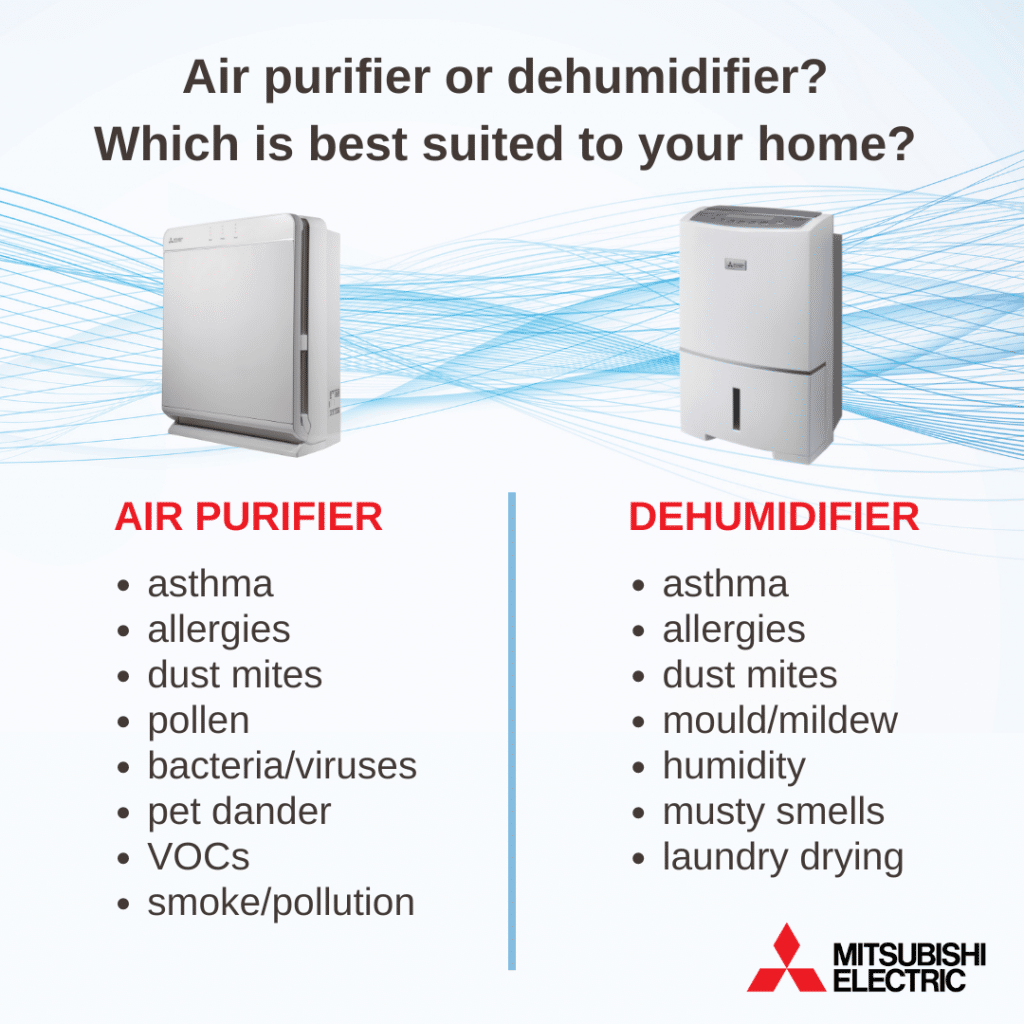
In stark contrast to humidifiers, air purifiers are designed to remove pollutants and contaminants from the air. Their primary goal is to improve air quality by trapping airborne particles that can be harmful to health or simply unpleasant.
How Air Purifiers Work: Filtration Technologies
Air purifiers employ various filtration technologies to capture airborne particles of different sizes:
-
HEPA Filters (High-Efficiency Particulate Air): This is the gold standard in air purification. True HEPA filters are certified to capture at least 99.97% of airborne particles 0.3 microns in size. This includes common allergens like dust mites, pollen, pet dander, mold spores, and even some bacteria and viruses.
- Mechanism: HEPA filters are made of a dense mesh of fibers that trap particles through a combination of diffusion, interception, and impaction.
- Maintenance: HEPA filters cannot be cleaned and must be replaced regularly, typically every 6-12 months, depending on usage and air quality.
-
Activated Carbon Filters: These filters are highly effective at adsorbing odors, gases, and volatile organic compounds (VOCs) from the air. VOCs are emitted from common household products like paints, cleaning supplies, furniture, and air fresheners.
- Mechanism: Activated carbon has a porous structure with a vast surface area, allowing it to chemically bind with gas molecules.
- Maintenance: Like HEPA filters, activated carbon filters have a limited lifespan and need to be replaced periodically.
-
Pre-filters: Most air purifiers include a pre-filter, often a washable mesh, that captures larger particles such as hair, lint, and large dust bunnies. This protects the more sensitive HEPA and carbon filters, extending their lifespan.
- Maintenance: Pre-filters are typically washable and can be cleaned regularly.
-
UV-C Light: Some air purifiers incorporate ultraviolet germicidal irradiation (UV-C) lamps. These lamps emit UV-C light, which can kill or inactivate airborne microorganisms like bacteria, viruses, and mold spores as they pass through the purifier.
- Effectiveness: The effectiveness of UV-C light depends on the intensity of the light, the exposure time, and the type of microorganism. It is often used as a supplementary purification method.
-
Ionizers and Ozone Generators: While some purifiers use ionizers to release negatively charged ions that attach to airborne particles, causing them to clump together and fall to the ground or attach to surfaces, and ozone generators to create ozone to neutralize odors and contaminants, these technologies are often controversial. Ozone is a lung irritant, and some ionizers can produce small amounts of ozone as a byproduct. It’s important to research these features carefully and opt for models that minimize or eliminate ozone production.
The Benefits of Cleaner Air
The removal of airborne contaminants by air purifiers offers significant advantages for health and well-being:
- Allergy and Asthma Relief: By trapping allergens like pollen, pet dander, and dust mites, air purifiers can significantly reduce allergy symptoms such as sneezing, itchy eyes, and runny noses. They are also beneficial for individuals with asthma, as they help remove irritants that can trigger attacks.
- Reduced Odors: Activated carbon filters effectively neutralize unpleasant odors from cooking, pets, smoke, and VOCs, creating a fresher-smelling home environment.
- Removal of Harmful Pollutants: Air purifiers can filter out microscopic pollutants, including bacteria, viruses, and mold spores, contributing to a healthier living space and potentially reducing the risk of respiratory infections.
- Improved Sleep Quality: Cleaner air, free from allergens and irritants, can lead to better sleep quality by reducing congestion and respiratory discomfort.
- Protection from VOCs: By removing VOCs, purifiers help mitigate the potential health risks associated with long-term exposure to these chemicals, which can include headaches, dizziness, and respiratory issues.
Key Differences: Humidifier vs. Purifier
While both devices aim to enhance your indoor environment, their fundamental operating principles and the problems they address are distinct.
| Feature | Humidifier | Air Purifier |
|---|---|---|
| Primary Function | Adds moisture to the air. | Removes contaminants from the air. |
| Problem Solved | Dry air, low humidity. | Polluted air, allergens, odors, irritants. |
| Mechanism | Evaporation, ultrasonic vibration, boiling. | Filtration (HEPA, carbon), UV-C light. |
| Output | Water vapor/mist. | Clean, filtered air. |
| Benefits | Respiratory relief, skin hydration, comfort, preservation. | Allergy/asthma relief, odor reduction, healthier air. |
| Maintenance | Regular cleaning, descaling, filter replacement. | Filter replacement, cleaning pre-filter. |
| Water Usage | Consumes water. | Does not consume water. |
| Best For | Dry climates, winter months, dry skin/throat. | Areas with high pollution, allergies, pets, odors. |
When to Choose Which Device (or Both)
The decision between a humidifier and an air purifier, or whether to invest in both, depends on your specific environmental concerns and health needs.
Situations Favoring a Humidifier
- Low Indoor Humidity: If your home consistently experiences humidity levels below 30%, especially during winter months when heating systems dry out the air, a humidifier is likely beneficial. Signs of dry air include dry skin, chapped lips, static electricity, and irritated nasal passages.
- Respiratory Conditions Triggered by Dryness: Individuals with asthma, allergies, or chronic bronchitis who find their symptoms worsen in dry conditions can find significant relief with a humidifier.
- Protecting Wooden Items: If you have valuable wooden furniture, instruments, or flooring that is susceptible to drying and cracking, maintaining adequate humidity is crucial.
Situations Favoring an Air Purifier
- Allergies and Asthma: If you or members of your household suffer from allergies or asthma, an air purifier with a HEPA filter is highly recommended to capture common allergens and irritants.
- Pet Owners: Pets shed dander and can introduce odors into the home. An air purifier can effectively trap pet dander and help neutralize pet-related smells.
- Urban Environments or Homes Near Pollutants: If you live in an area with high outdoor air pollution or near sources of industrial emissions, an air purifier can help create a cleaner indoor sanctuary.
- Concerns About Odors: If lingering odors from cooking, smoke, or other sources are a concern, an air purifier with an activated carbon filter will be effective.
- New Construction or Recently Renovated Homes: New building materials and furnishings can off-gas VOCs. An air purifier can help remove these harmful compounds from the air.
The Case for a Combined Solution
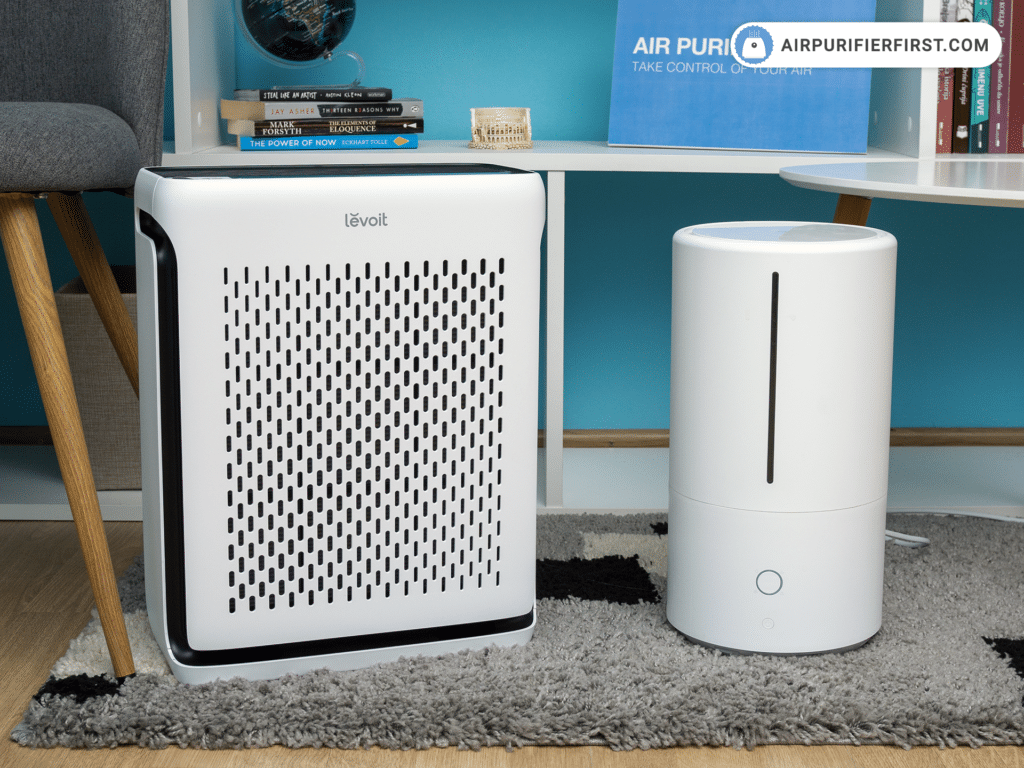
In many cases, the ideal solution for optimal indoor air quality involves utilizing both a humidifier and an air purifier. This is particularly true if your home experiences both dry air conditions and airborne pollutants.
- Synergistic Benefits: A purifier cleans the air by removing particles, while a humidifier adds moisture, creating a more balanced and comfortable environment. For example, if you have allergies, a purifier will remove pollen, and a humidifier will prevent your nasal passages from becoming too dry and irritated.
- Addressing Multiple Concerns: Some homes experience a dual challenge of dry air and poor air quality. This can be common in older homes with poor insulation or in regions with distinct dry seasons and pollution concerns.
- Smart Home Integration: Modern smart humidifiers and air purifiers can often be controlled and monitored via mobile apps, allowing for seamless integration into a smart home ecosystem. Some advanced systems even allow devices to communicate, with a humidifier activating when humidity drops below a set point and a purifier running more intensely when air quality is poor.
Ultimately, the choice between a humidifier and an air purifier hinges on identifying the specific issues plaguing your indoor environment. By understanding their distinct roles and capabilities, you can make a targeted investment that genuinely enhances your health, comfort, and overall well-being within your home.
aViewFromTheCave is a participant in the Amazon Services LLC Associates Program, an affiliate advertising program designed to provide a means for sites to earn advertising fees by advertising and linking to Amazon.com. Amazon, the Amazon logo, AmazonSupply, and the AmazonSupply logo are trademarks of Amazon.com, Inc. or its affiliates. As an Amazon Associate we earn affiliate commissions from qualifying purchases.