
Navigating the world of gold jewelry and accessories can be a complex endeavor, particularly when faced with terms like “gold filled” and “gold plated.” While both offer the aesthetic appeal of gold without the significant cost of solid gold, their fundamental differences have profound implications for durability, longevity, and ultimately, their financial value over time. Understanding these distinctions is crucial for consumers looking to make informed purchasing decisions that align with their budget, lifestyle, and long-term financial goals. This insight is not just about material science; it’s about making financially astute choices in your acquisitions.
Understanding the Core Differences: Construction and Gold Content

The primary distinction between gold filled and gold plated items lies in their manufacturing process and the amount of actual gold they contain. These factors directly influence their wear characteristics and, consequently, their perceived and actual financial value.
Gold Plated: A Thin Veneer
Gold plating is a common and cost-effective method to impart a gold appearance to a base metal. This process involves a very thin layer of gold being deposited onto a less expensive metal, such as brass, copper, or steel.
How it’s Made
The creation of gold-plated items typically involves electroplating. An electric current is used to attract positively charged gold ions to a negatively charged base metal in an electrolyte solution. This results in an extremely thin layer of gold adhering to the surface of the base metal. The thickness of this layer can vary, but it is generally measured in microns or even nanometers.
Gold Content
Due to the nature of the electroplating process, the gold layer on plated items is exceptionally thin. This means the gold content by weight is minimal, often less than 0.05% of the item’s total weight. The gold used can be 10k, 14k, 18k, or 24k, but its extreme thinness makes the caratage largely irrelevant in terms of intrinsic value or durability. For consumers, this translates to an item with very little actual gold value.
Durability and Lifespan
The most significant drawback of gold plating from a financial perspective is its poor durability. The thin gold layer is highly susceptible to wear, scratching, chipping, and fading. Exposure to skin oils, chemicals (like perfumes or cleaning products), sweat, and friction can quickly degrade the plating, revealing the base metal underneath. This leads to tarnishing, discoloration, and a diminished aesthetic. Consequently, the lifespan of a gold-plated item is relatively short, often ranging from a few months to a couple of years with regular wear. For those seeking long-term value, this represents a frequent replacement cost.
Cost Implications
Gold-plated items are the most affordable option for achieving a gold aesthetic. Their low production cost, owing to the minimal gold content and simpler manufacturing process, makes them accessible to a broad market. They are often chosen for fashion jewelry, trendy pieces, or items intended for infrequent, short-term wear. While the initial outlay is low, the short lifespan can lead to higher cumulative spending if items are frequently replaced.
Gold Filled: A Durable Layer
Gold filled items represent a significant step up in quality and durability compared to gold plated, making them a more financially sound choice for everyday wear.
How it’s Made
The gold-filled process involves mechanically bonding a thick layer of solid gold (usually 10k or 14k) to a base metal core, typically jeweler’s brass, using intense heat and pressure. This creates a permanent bond, making the gold layer much more robust and resistant to wear.
Gold Content
By U.S. federal regulation, an item must contain at least 5% gold by weight (or 1/20th of its total weight) to be classified as gold filled. This gold content is typically 10k or 14k gold. For example, an item marked “1/20 14k GF” means that 5% of its total weight is 14k gold. This substantial gold layer not only provides a rich, lasting appearance but also contributes to the item’s intrinsic value, albeit still significantly less than solid gold. The higher gold content means a more substantial investment in the material.
Durability and Lifespan
The robust, bonded gold layer of gold-filled items offers exceptional durability. It is far more resistant to tarnishing, chipping, flaking, and fading than gold plating. With proper care, gold-filled items can maintain their golden appearance for decades, even with daily wear. This extended lifespan translates directly into better long-term financial value, as the need for replacement or repair is dramatically reduced compared to plated items. They behave much like solid gold in terms of their resistance to general wear and tear.
Cost Implications
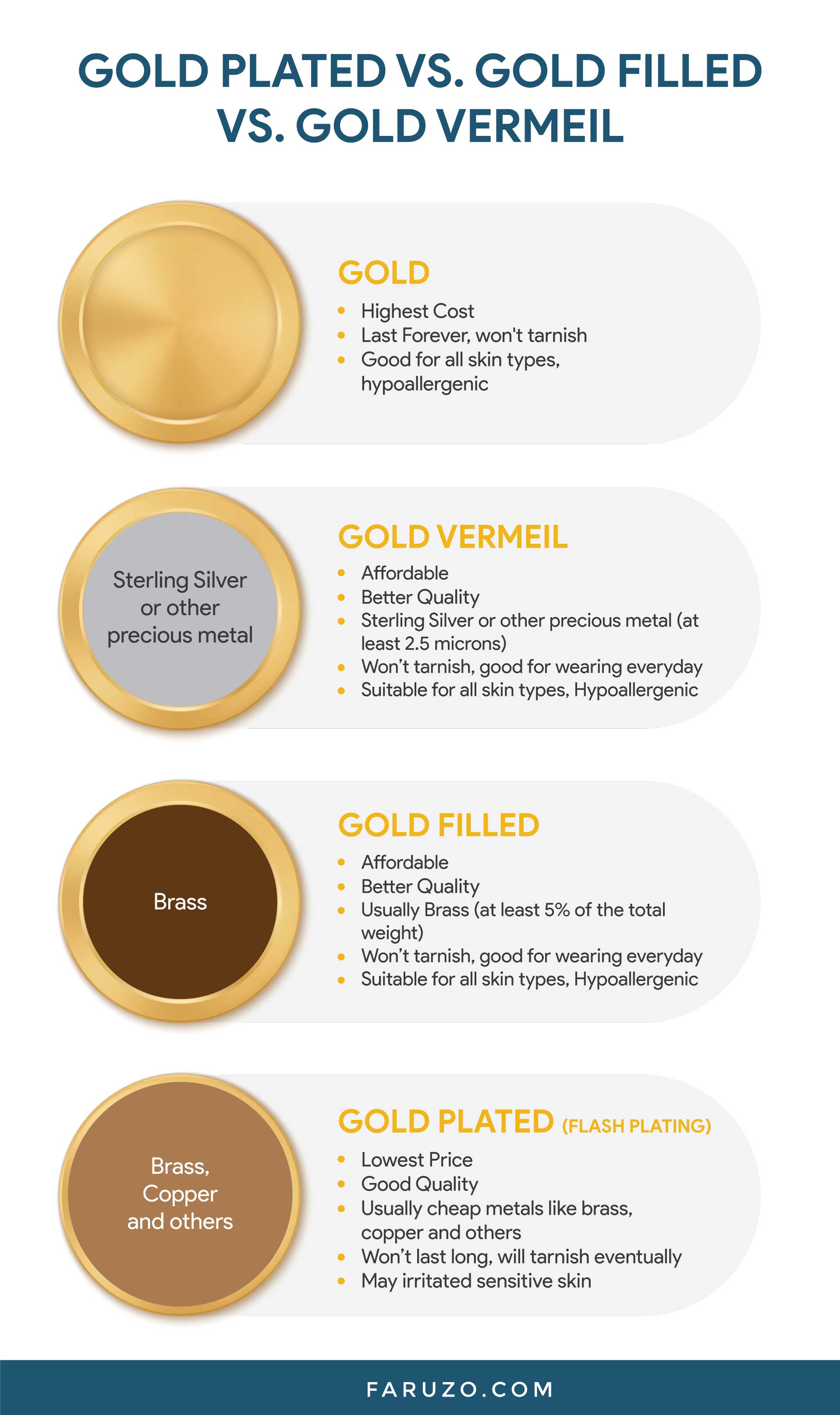
Gold-filled items are more expensive than gold-plated pieces due to their higher gold content and more complex manufacturing process. However, they are considerably more affordable than solid gold, offering an excellent middle-ground. For consumers seeking durable, high-quality gold-toned jewelry for everyday wear without the premium price tag of solid gold, gold filled presents a financially advantageous option. The initial higher cost is often offset by its longevity and sustained aesthetic appeal, making it a wise investment in personal adornment.
Financial Implications for Consumers
The choice between gold filled and gold plated extends beyond aesthetics; it carries significant financial implications regarding value retention, long-term costs, and budgeting.
Value Retention and Investment Perspective
From an investment standpoint, neither gold-plated nor gold-filled items are considered true investments like solid gold. Their intrinsic gold value is insufficient to fluctuate significantly with market prices. However, gold-filled items do offer a degree of value retention superior to their plated counterparts.
Gold-plated items have virtually no resale value based on their gold content. Once the plating wears, their aesthetic appeal diminishes, and their material value is negligible. They are essentially disposable fashion items. In contrast, while the resale market for gold-filled items is niche, their higher gold content means they retain some minimal intrinsic value. More importantly, their enduring aesthetic quality ensures they remain desirable and wearable for a much longer period, offering sustained utility and satisfaction, which can be seen as a form of value retention for the consumer.
Longevity and Replacement Costs
The lifespan of an item directly impacts its true cost over time. A gold-plated item’s tendency to degrade quickly means consumers often find themselves needing to replace pieces frequently to maintain their desired look. This cycle of purchase and replacement, while individually inexpensive, can accumulate into a significant expenditure over years.
Gold-filled items, due to their superior durability, dramatically extend the time between purchases. An item that lasts 10-30 years versus 6-12 months represents a substantial long-term saving. Even with a higher initial price point, the infrequent need for replacement makes gold-filled items a more economically sound choice for sustainable personal finance and reducing overall expenditure on accessories.
Budgeting and Price Points
For budget-conscious consumers, understanding these differences allows for more strategic allocation of funds.
- Gold Plated: Ideal for very tight budgets, experimental styles, or trendy pieces that are not expected to last long. They allow for frequent updates to a jewelry collection without a large upfront investment. However, this strategy requires budgeting for more frequent replacements.
- Gold Filled: Represents a smart compromise for those who desire the look and durability of gold without the expense of solid gold. It’s suitable for everyday wear, foundational pieces, or gifts where longevity is a priority. While the initial investment is higher than plated, it’s a more sustainable choice financially due to its extended lifespan and reduced replacement frequency.
Making Informed Purchasing Decisions
Equipped with a clear understanding of the differences, consumers can make purchasing decisions that align with their financial goals and lifestyle.
Identifying Quality: Hallmarks and Descriptions
A key step in making an informed purchase is to scrutinize product descriptions and look for specific hallmarks.
- Gold Filled: Legitimate gold-filled items will typically be marked with a “GF” stamp, often preceded by the gold karat and ratio, such as “1/20 14k GF” or “14/20 GF.” This marking is a federal requirement and a strong indicator of quality and gold content.
- Gold Plated: Gold-plated items are less consistently marked. You might see “GP” (gold plated), “HGE” (heavy gold electroplate), or “RGP” (rolled gold plate), but often, there is no specific marking at all, or the description might use vague terms like “gold tone” or simply “gold.” If a product doesn’t explicitly state “gold filled” and include the ratio, assume it is gold plated or merely gold-toned.
Always be wary of ambiguous descriptions. Asking direct questions about gold content and manufacturing processes can prevent costly misunderstandings.
Purpose and Wear Frequency
Consider how often and for what purpose the item will be worn:
- Occasional Wear/Fashion Pieces: For items intended for specific outfits, occasional events, or merely to follow current trends that might quickly pass, gold-plated items can be a financially practical choice. Their lower cost makes them suitable for ephemeral fashion statements.
- Everyday Wear/Heirloom Potential: For jewelry intended for daily wear, such as necklaces, rings, bracelets, or earrings, gold filled is overwhelmingly the superior choice. Its resistance to wear ensures it maintains its beauty and integrity through constant use. While not true heirlooms in the solid gold sense, their longevity means they can be cherished for years and even passed down for their sentimental value, if not intrinsic material value.
- Allergies: For individuals with metal sensitivities, gold-filled items are generally a better option. The thick outer layer of solid gold provides an effective barrier, preventing the base metal from coming into contact with the skin, thus reducing the likelihood of allergic reactions. This avoids the cost and discomfort associated with skin irritation.

Long-Term Financial Sense
Ultimately, the choice between gold filled and gold plated boils down to balancing upfront cost against long-term value. While gold-plated items offer immediate affordability, their short lifespan often leads to higher cumulative expenses and dissatisfaction as they quickly tarnish or wear out.
Gold-filled items, despite their higher initial price, deliver significantly greater financial sense over time. Their exceptional durability, resistance to fading, and sustained aesthetic appeal mean fewer replacements, reduced maintenance, and a consistent level of satisfaction with your purchase. This approach aligns with principles of mindful spending and sustainable consumerism, where investing in quality that lasts proves to be more economical and rewarding in the long run. By choosing gold filled, consumers aren’t just buying a product; they’re investing in enduring beauty and practicality that stands the test of time.
aViewFromTheCave is a participant in the Amazon Services LLC Associates Program, an affiliate advertising program designed to provide a means for sites to earn advertising fees by advertising and linking to Amazon.com. Amazon, the Amazon logo, AmazonSupply, and the AmazonSupply logo are trademarks of Amazon.com, Inc. or its affiliates. As an Amazon Associate we earn affiliate commissions from qualifying purchases.