
The world of commerce, whether conducted within national borders or across them, forms the bedrock of economic activity, influencing everything from the prices consumers pay to the profits businesses earn. Understanding the fundamental distinctions between global trade and domestic trade is crucial for entrepreneurs, investors, and policymakers alike, as each operates under a unique set of financial, logistical, and regulatory parameters. While both involve the exchange of goods and services for monetary value, their scope, complexity, and inherent risks diverge significantly, directly impacting financial strategies and economic outcomes.
The Fundamental Scope: Boundaries of Economic Exchange
The most apparent difference between global and domestic trade lies in their geographical scope, which dictates many subsequent financial and operational considerations.

Domestic Trade: An Internal Economic Engine
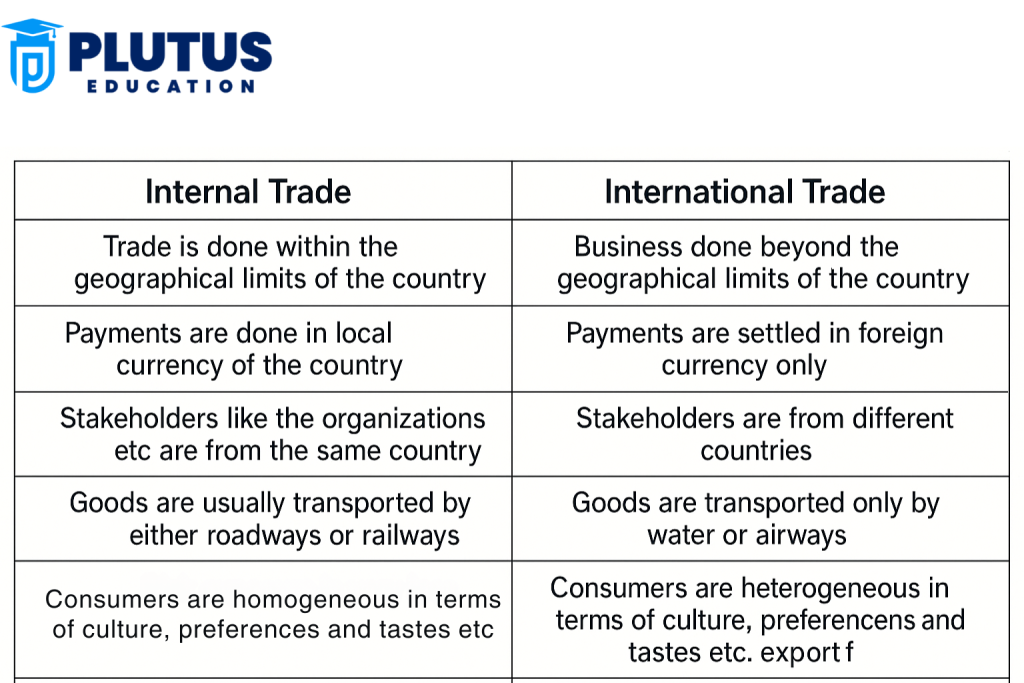
Domestic trade, also known as internal trade, refers to the exchange of goods, services, and capital within the geographical boundaries of a single nation. This form of trade is characterized by a shared legal framework, a single currency, and often, similar cultural and consumer preferences. For businesses, operating domestically means navigating a relatively uniform economic environment. Transactions are typically simpler, with payments processed in the national currency, eliminating the complexities of foreign exchange. Regulatory compliance is streamlined as all parties adhere to the same national laws, taxation policies, and business standards.
The financial implications of domestic trade are generally more predictable. Businesses can forecast costs, revenues, and profit margins with greater certainty due to stable tariffs (or lack thereof, as internal tariffs are non-existent), consistent labor laws, and a single jurisdiction for dispute resolution. Supply chains, while still complex, generally benefit from existing national infrastructure and shorter transportation distances, which translates into lower logistics costs and faster delivery times. This internal economic activity is a primary driver of a nation’s Gross Domestic Product (GDP), fostering employment, supporting local industries, and ensuring the efficient allocation of resources within the country. For financial analysts, evaluating a domestic business often involves assessing its market share within a defined national market and its ability to compete under a singular economic policy regime.
Global Trade: The Interconnected World Market
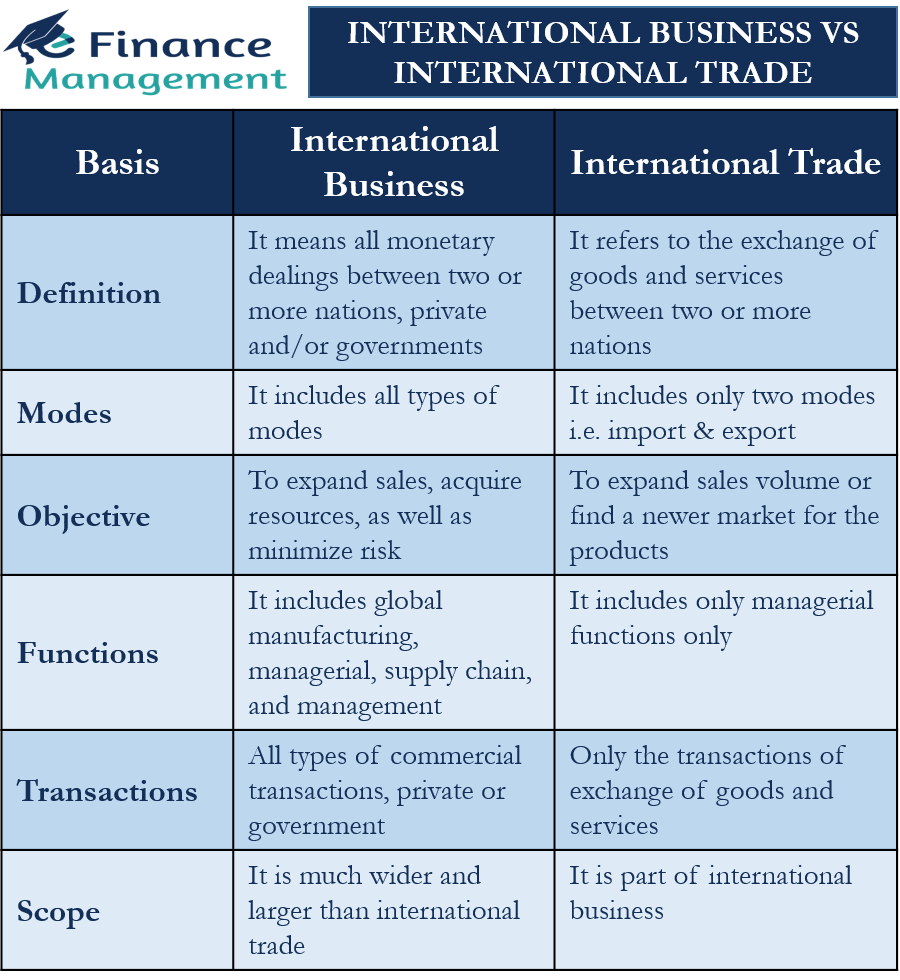
Global trade, or international trade, involves the exchange of goods, services, and capital across national borders. It encompasses exports (selling goods and services to foreign markets) and imports (purchasing goods and services from foreign markets). This form of trade is inherently more intricate due to the involvement of multiple countries, each with its own currency, legal system, cultural norms, and economic policies. Businesses engaged in global trade must contend with a multitude of factors that significantly impact their financial performance and operational strategies.
The primary financial challenge in global trade is managing currency fluctuations and exchange rate risks, which can dramatically alter the cost of imports or the revenue from exports. Beyond currency, businesses face a labyrinth of international regulations, customs duties, tariffs, and non-tariff barriers imposed by various governments. Logistics become exponentially more complex, involving international shipping, cross-border customs clearance, and potentially longer transit times, all of which escalate operational costs. Despite these complexities, global trade offers unparalleled opportunities for market expansion, economies of scale, access to specialized resources, and diversification of revenue streams. For investors, global trade considerations often involve analyzing geopolitical risks, international commodity prices, and the trade policies of major economic blocs.
Navigating the Financial and Regulatory Landscape
The contrasting environments of domestic and global trade lead to fundamentally different financial and regulatory challenges and opportunities.
Currency Exchange and Financial Flows
One of the most significant differentiators in global trade is the necessity of dealing with multiple currencies. When a company sells goods internationally, it often receives payment in a foreign currency, which then needs to be converted back into its home currency. This exposes the business to foreign exchange risk – the possibility that currency exchange rates will move unfavorably between the time a deal is struck and when payment is received, potentially eroding profit margins or increasing costs. Businesses often employ financial instruments like forward contracts, options, or currency swaps to hedge against this risk, adding another layer of financial sophistication and cost.
In contrast, domestic trade operates within a single currency system, eliminating foreign exchange risk. Payments are straightforward, typically involving national banking systems, and the value of transactions remains stable from agreement to settlement. This simplifies financial planning and cash flow management significantly.
Tariffs, Quotas, and Trade Agreements
Global trade is heavily influenced by government policies designed to regulate the flow of goods and services across borders. Tariffs (taxes on imported goods) increase the cost of foreign products, making domestically produced goods more competitive. Quotas restrict the quantity of certain goods that can be imported, limiting supply and potentially driving up prices. Non-tariff barriers, such as complex licensing requirements, stringent product standards, or local content rules, also add significant cost and complexity. Businesses must factor these costs into their pricing strategies and assess their impact on competitiveness.
Trade agreements, such as free trade agreements (FTAs), aim to reduce or eliminate these barriers among signatory countries, fostering increased trade by making it cheaper and easier to move goods. For businesses, understanding these agreements is critical for optimizing sourcing, production, and distribution strategies to leverage lower customs duties and streamlined procedures.
Domestically, such trade barriers are non-existent. Goods move freely between regions within a country without tariffs or quotas, leading to a more integrated and efficient internal market where competition is primarily driven by factors other than government-imposed trade costs.
Legal and Compliance Complexity
Operating internationally means adhering to a patchwork of legal systems and regulatory requirements. Businesses must navigate international contract law, intellectual property rights that vary by jurisdiction, differing consumer protection laws, and complex customs regulations specific to each country. Compliance with these diverse legal frameworks is critical; non-compliance can lead to hefty fines, legal disputes, reputational damage, and even loss of market access. The costs associated with legal counsel, compliance officers, and navigating international bureaucracy represent a significant financial overhead for global traders.
Domestically, the legal environment is generally uniform across the nation. Businesses operate under a single set of commercial laws, consumer protection regulations, and intellectual property statutes. While still requiring legal expertise, the complexity and cost associated with compliance are substantially lower compared to engaging in international commerce.
Operational and Strategic Considerations for Businesses
The differences in scope and regulation directly translate into distinct operational and strategic challenges and opportunities for businesses.
Supply Chain Dynamics and Logistics Costs
Global supply chains are inherently more complex and costly than domestic ones. They involve multiple modes of transport (sea, air, rail, road), longer distances, and numerous transshipment points, each adding to lead times and logistical expenses. Businesses must account for higher shipping costs, insurance for goods in transit, customs brokerage fees, and potential delays at borders. Inventory management becomes more challenging due to extended lead times, often requiring larger safety stocks, which ties up working capital. Furthermore, geopolitical events, natural disasters, or port strikes in distant locations can disrupt entire global supply chains, leading to significant financial losses and operational setbacks.
Domestic supply chains, while still requiring efficient management, benefit from shorter distances, a unified transportation network, and fewer regulatory hurdles. This often results in lower transport costs, faster delivery times, and greater predictability, allowing for leaner inventory models and more agile responses to market demand.
Market Access, Competition, and Growth Potential
Engaging in global trade offers businesses access to vast, untapped markets and diverse consumer bases, presenting immense growth potential beyond the saturation points of domestic markets. This can lead to economies of scale in production, allowing companies to lower per-unit costs and improve profit margins. However, it also introduces intense international competition, often from firms with different cost structures, production capabilities, or government subsidies. Businesses must develop robust international marketing strategies, adapt products to local tastes, and compete on a global stage, which requires significant upfront investment.
Domestic trade typically involves competition within a more confined and often mature market. Growth may be achieved through market share capture, product innovation, or expanding into new regions within the country. While competition can still be fierce, the competitive landscape is generally more predictable and the market entry costs are lower.
Risk Management Beyond Borders
The risks associated with global trade extend far beyond currency fluctuations. Political instability in foreign countries, changes in government policies, economic downturns in key export markets, and even social unrest can all have profound financial impacts on businesses operating internationally. Expropriation of assets, trade embargoes, or sudden shifts in consumer sentiment abroad represent significant threats that require sophisticated risk assessment and mitigation strategies. Businesses engaged in global trade often seek political risk insurance or structure their investments to minimize exposure in volatile regions.
Domestic trade, while not immune to economic downturns or regulatory changes, generally faces a more stable and predictable risk environment. Political risks are typically lower, and economic policies are more consistent. This allows businesses to focus their risk management efforts on market-specific factors suchions as competition, consumer trends, and operational efficiency.
Economic Impact and Financial Implications for Nations
Both domestic and global trade are indispensable pillars of a nation’s economic health, yet they contribute in distinct ways and pose different financial challenges at the macroeconomic level.
Domestic Trade’s Role in National Wealth
A robust domestic trade sector is foundational for national economic stability and prosperity. It drives internal demand, stimulates production, creates jobs, and fosters the development of national infrastructure. The circulation of money within the economy through domestic transactions contributes directly to GDP, supports local industries, and encourages inter-regional specialization. Strong domestic trade provides a stable base for businesses to grow, accumulate capital, and develop expertise before potentially venturing into international markets. From a financial perspective, a healthy domestic economy ensures a steady tax base, supports government spending, and contributes to overall financial resilience against external shocks.
Global Trade’s Influence on Economic Development
Global trade allows nations to specialize in producing goods and services where they have a comparative advantage, leading to greater efficiency and lower costs worldwide. It provides access to a wider variety of goods and services for consumers and enables industries to acquire raw materials, components, and technologies that may not be available domestically. This specialization can lead to economies of scale, increased productivity, and enhanced innovation. For nations, global trade is a critical source of foreign exchange earnings, which are necessary to pay for imports and service international debt. It attracts Foreign Direct Investment (FDI), bringing capital, technology, and management expertise into the country.
However, global trade also introduces economic vulnerabilities. Nations can become overly reliant on specific export markets or import sources, making them susceptible to international economic downturns or geopolitical tensions. Trade imbalances, such as persistent trade deficits, can lead to currency depreciation and external debt accumulation, posing significant financial challenges. Managing the balance of payments and ensuring a competitive export sector are key financial policy objectives for governments engaged in global trade.
The Interplay: How Both Drive Economic Health
Ultimately, a thriving economy requires a dynamic interplay between both domestic and global trade. A strong domestic market can provide the necessary capital, skilled labor, and technological base for businesses to compete globally. Conversely, global trade can bring innovation, capital, and market opportunities back to the domestic economy, stimulating further growth and development. Governments must craft financial policies that encourage both internal economic vibrancy and responsible engagement in the international marketplace, balancing the benefits of global integration with the need to protect domestic industries and financial stability. The strategic management of trade, whether internal or external, remains a cornerstone of sustainable economic development and financial well-being for any nation.
aViewFromTheCave is a participant in the Amazon Services LLC Associates Program, an affiliate advertising program designed to provide a means for sites to earn advertising fees by advertising and linking to Amazon.com. Amazon, the Amazon logo, AmazonSupply, and the AmazonSupply logo are trademarks of Amazon.com, Inc. or its affiliates. As an Amazon Associate we earn affiliate commissions from qualifying purchases.