
In the modern technological landscape, biological metaphors have become indispensable for describing the complex, interconnected systems that define our digital lives. We frequently discuss “organic growth,” “viral marketing,” and “evolutionary algorithms.” However, two terms have risen to prominence in the boardrooms of Silicon Valley and the strategy documents of Fortune 500 companies: the Ecosystem and the Biome.
While these terms are often used interchangeably by laypeople, they represent fundamentally different layers of technological strategy, infrastructure, and market dynamics. Understanding the distinction between a tech ecosystem and a digital biome is not merely an academic exercise in semantics; it is a critical requirement for developers, investors, and CTOs who must navigate the complexities of modern software architecture and platform dominance.

Decoding the Tech Ecosystem: The Micro-Environment of Connectivity
In the context of technology, an ecosystem refers to a localized network of interconnected products, services, and users that revolve around a core platform or brand. It is a curated environment designed to provide a seamless experience through interoperability. When we speak of a “brand ecosystem,” we are describing a controlled space where every component is engineered to complement the others.
The Pillars of an Integrated Ecosystem
A tech ecosystem is defined by three primary characteristics: interoperability, user retention (stickiness), and synergistic value.
- Interoperability: This is the glue that holds the ecosystem together. In an Apple ecosystem, for instance, a user can copy text on an iPhone and paste it onto a MacBook. This isn’t accidental; it is the result of deep integration at the OS level.
- User Stickiness: Ecosystems are designed to create high switching costs. Once a user has invested in the hardware, cloud storage, and app library of a specific ecosystem, the friction of moving to a competitor becomes a significant deterrent.
- Synergistic Value: The value of the whole must exceed the sum of its parts. An Apple Watch is useful, but its value is exponentially higher when paired with an iPhone and an Apple Health subscription.
The Role of “Walled Gardens”
Most successful tech ecosystems operate as “walled gardens.” Companies like Google, Amazon, and Microsoft build these gardens to control the user experience and capture data at every touchpoint. In a walled garden, the platform owner dictates the rules for third-party developers, ensuring that all external additions (apps, plugins, or integrations) adhere to the ecosystem’s standards. This control ensures stability and security but often limits the user’s freedom to integrate “out-of-network” solutions.
Proprietary vs. Open Ecosystems
While proprietary ecosystems (like Sony’s PlayStation network) are common, the tech world also thrives on open ecosystems. The Android ecosystem is a hybrid example—while Google provides the core framework, a vast array of manufacturers (Samsung, Xiaomi, Pixel) and developers contribute to a more diverse, albeit less controlled, environment. Open ecosystems prioritize reach and flexibility over the rigid uniformity of closed systems.
The Digital Biome: The Macro-Environment of Industry Standards
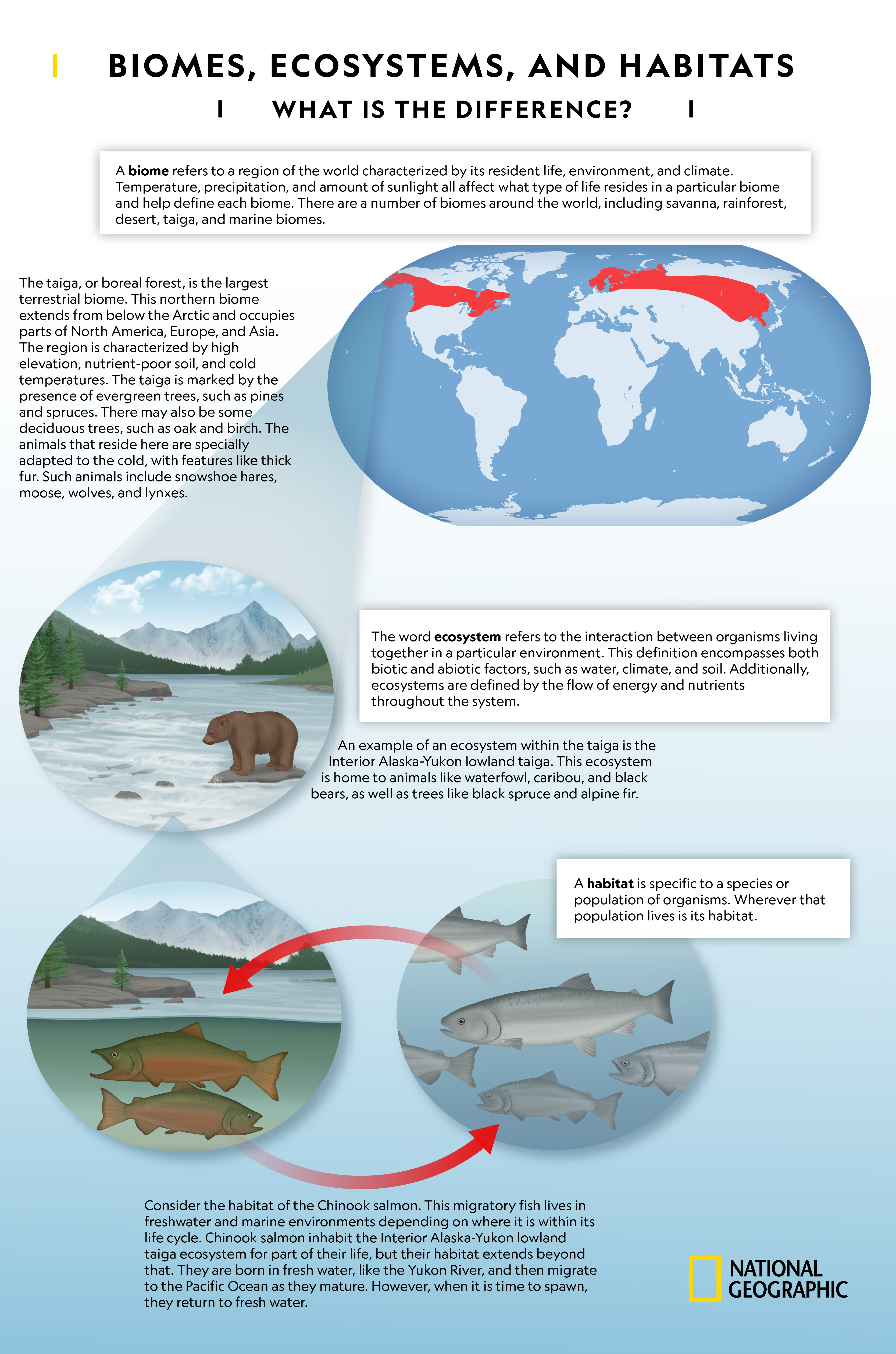
If a tech ecosystem is a single pond or a specific forest, the Digital Biome is the entire climate zone—the tundra, the rainforest, or the desert. A biome represents the broader technological landscape characterized by overarching trends, regulatory frameworks, hardware limitations, and global standards that affect all ecosystems within it.
Defining the Characteristics of a Biome
A digital biome is not owned by a single company. Instead, it is a shared environment where multiple ecosystems compete, coexist, and evolve. Factors that define a biome include:
- The Regulatory Climate: Laws such as the GDPR in Europe or the CCPA in California act as the “climate” of a digital biome. Regardless of whether a company is an ecosystem leader or a small startup, they must adapt to these environmental pressures to survive.
- Infrastructure and Connectivity: The transition from 4G to 5G, or the global shift toward cloud computing, represents a shift in the biome’s “topography.” This change forces every ecosystem within the biome to adapt their architecture or face extinction.
- Technological Paradigms: Currently, we are seeing the rise of the “AI Biome.” This is a global shift where generative AI and machine learning are becoming the foundational elements of all software development, influencing every ecosystem from Fintech to EdTech.
Major Digital Biomes in the Modern Era
We can categorize the current tech landscape into several distinct biomes:
- The Mobile Biome: Dominated by touch interfaces, app-based distribution, and cellular connectivity.
- The SaaS Biome: Characterized by subscription models, browser-based accessibility, and API-first logic.
- The Decentralized (Web3) Biome: Defined by blockchain protocols, peer-to-peer networking, and trustless transactions.
- The Legacy Enterprise Biome: Focused on on-premise servers, high security, and deep-rooted COBOL or Java architectures.
Environmental Pressure and Adaptation
In a biological biome, animals must adapt to the scarcity of water or extreme temperatures. In a digital biome, companies must adapt to “environmental” shifts like the deprecation of third-party cookies or the rise of voice-activated interfaces. An ecosystem that fails to recognize a shift in the biome—such as Nokia failing to adapt to the “Smartphone Biome” in the late 2000s—will eventually collapse, regardless of how strong its internal ecosystem once was.
Key Differences: Scale, Control, and Evolution
To strategically maneuver in the tech world, one must be able to distinguish between an ecosystem-level problem and a biome-level shift. The differences can be distilled into three core areas: scale of influence, degree of control, and the nature of evolution.
Scale of Influence
An ecosystem is micro-focused. It deals with the relationship between a specific set of products and their users. If you are a developer for Salesforce, you are operating within the Salesforce ecosystem. You are concerned with Apex code, Lightning components, and CRM data.
A biome, however, is macro-focused. It encompasses the entire “Cloud-Native” industry. As a Salesforce developer, you are also a citizen of the SaaS Biome. You must be aware of general web security standards (OAuth), data privacy laws, and the general movement toward “Low-Code/No-Code” environments that are sweeping through the entire biome.
Degree of Control and Agency
A primary differentiator is who “owns” the space.
- Ecosystems are Architected: A CEO or a Product Architect can decide the direction of an ecosystem. They can change APIs, update terms of service, or sunset products. There is a clear center of gravity.
- Biomes are Emergent: No one “owns” the Internet or the concept of Artificial Intelligence. These are emergent environments resulting from the collective actions of thousands of companies, billions of users, and various governing bodies. You cannot control a biome; you can only navigate it.
Resilience and Survival
Ecosystems are fragile in the face of internal mismanagement but can be protected by their owners. If a company makes a series of bad product decisions, its ecosystem can die out (e.g., the BlackBerry ecosystem).
Biomes are remarkably resilient. If one major ecosystem within a biome fails, the biome itself rarely suffers long-term damage. When the “Flash Animation” ecosystem died, the “Web Biome” simply evolved toward HTML5. The biome provides the “evolutionary pressure” that determines which ecosystems are fit to survive.
Navigating the Intersection for Modern Enterprises
For a business to thrive, it must successfully build (or participate in) a healthy ecosystem while remaining perfectly calibrated to the surrounding biome. This dual-layer strategy is what separates temporary successes from enduring tech giants.
Building Ecosystems within a Hostile Biome
Sometimes, an ecosystem must thrive despite a challenging biome. For example, during the early days of cryptocurrency, crypto exchanges had to build user-friendly ecosystems (Coinbase, Binance) within a global financial biome that was largely hostile to decentralized assets. They succeeded by building “bridges”—tools that translated the rules of the new ecosystem into the language of the existing biome (such as fiat-to-crypto gateways).
Identifying “Climatic Shifts” in the Biome
Strategic foresight involves identifying when a biome is about to change. We are currently witnessing a massive biome shift toward “Edge Computing” and “Local AI.” For years, the biome was “Cloud-First.” Now, as privacy concerns grow and hardware (like Apple’s M-series chips) becomes more powerful, the biome is shifting toward processing data locally.
- Actionable Strategy: Companies that recognize this shift are already re-architecting their ecosystems to be less dependent on centralized servers, ensuring they are the “first movers” in the new digital climate.
The Symbiosis of Ecosystems
In a healthy digital biome, ecosystems often form symbiotic relationships. Consider the relationship between the Shopify ecosystem and the Meta (Facebook/Instagram) ecosystem. While they are distinct, they rely on one another for survival. Shopify provides the “habitat” for commerce, while Meta provides the “migratory path” for customers via advertising. A shift in one (like Meta’s changes to ad tracking) sends shockwaves through the other, demonstrating how ecosystems are never truly isolated from the wider biome.

Conclusion: The Future of Digital Taxonomy
As technology continues to advance, the lines between our physical reality and our digital environments will continue to blur. We are moving toward a “Phygital” biome where IoT devices, augmented reality, and smart cities create a constant stream of data. In this future, the difference between an ecosystem and a biome will be even more pronounced.
An Ecosystem will remain the personal, curated experience—the apps we use, the devices we wear, and the platforms we trust. The Biome will be the invisible infrastructure—the 6G networks, the global AI ethics protocols, and the decentralized identity standards—that make those ecosystems possible.
To succeed in the next decade of tech, leaders must be both “gardeners” and “explorers.” They must meticulously tend to their own ecosystems, ensuring they are lush, integrated, and valuable for users. At the same time, they must keep a watchful eye on the horizon of the digital biome, ready to adapt to the inevitable shifts in the technological climate. Understanding this distinction is the key to building technology that doesn’t just launch, but truly endures.
aViewFromTheCave is a participant in the Amazon Services LLC Associates Program, an affiliate advertising program designed to provide a means for sites to earn advertising fees by advertising and linking to Amazon.com. Amazon, the Amazon logo, AmazonSupply, and the AmazonSupply logo are trademarks of Amazon.com, Inc. or its affiliates. As an Amazon Associate we earn affiliate commissions from qualifying purchases.