
In the rapidly evolving world of digital finance, terms like “Bitcoin” and “cryptocurrency” are often used interchangeably by the general public. However, for the serious investor, the entrepreneur, or anyone looking to navigate the modern financial landscape, understanding the distinction between the two is not just a matter of semantics—it is a fundamental requirement for financial literacy. While Bitcoin was the spark that ignited the digital asset revolution, “crypto” has since expanded into a vast ecosystem of thousands of different projects, each with unique value propositions, risk profiles, and technological frameworks.
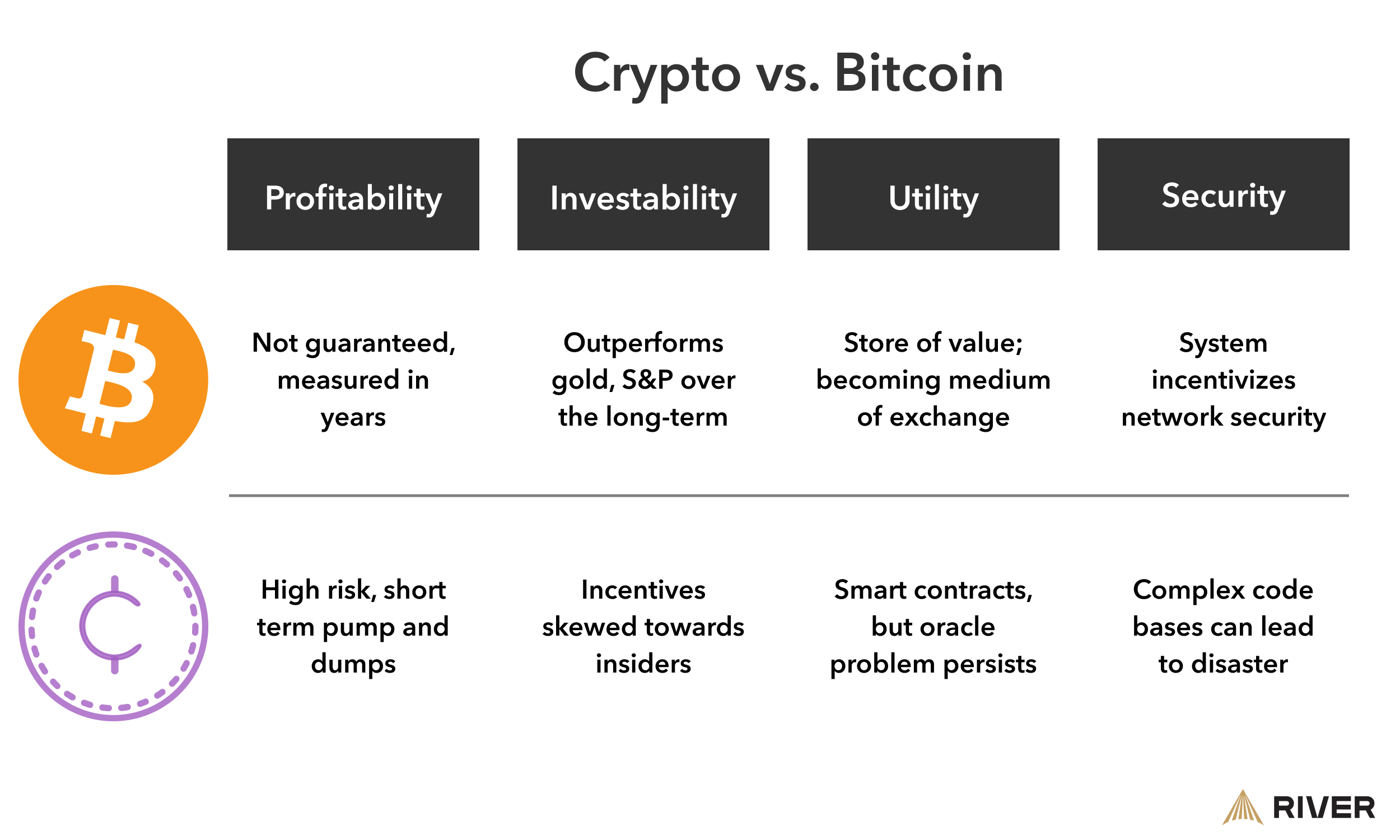
To manage a modern portfolio effectively, one must move beyond the headlines and recognize that while all Bitcoin is cryptocurrency, not all cryptocurrency is Bitcoin. This distinction carries significant weight when it comes to asset allocation, risk management, and long-term wealth preservation.
Bitcoin: The Gold Standard of Digital Assets
Bitcoin (BTC) was introduced in 2009 by an anonymous entity known as Satoshi Nakamoto. It was the world’s first successful decentralized digital currency, designed to function without the need for a central bank or a single administrator. Within the broader context of money, Bitcoin is often categorized as “digital gold.” This comparison stems from its core economic properties, which mirror those of precious metals more closely than they do traditional fiat currencies or even other digital assets.
The Power of Scarcity
The most critical feature of Bitcoin from a financial perspective is its hard-capped supply. Only 21 million Bitcoins will ever exist. This programmed scarcity is enforced by the underlying code and maintained by a global network of computers. Unlike traditional currencies, which can be printed at the discretion of central banks—leading to inflationary pressures—Bitcoin’s supply schedule is transparent and immutable. This makes it a primary tool for those seeking a hedge against the devaluation of sovereign currencies.
Security and Decentralization
Bitcoin operates on a Proof-of-Work (PoW) consensus mechanism. This requires “miners” to solve complex mathematical problems to validate transactions and secure the network. Because Bitcoin’s network is the largest and most established of its kind, it is widely considered the most secure financial network in the world. For the investor, this translates to “settlement finality” and a high degree of confidence that the asset cannot be censored, seized, or manipulated by any single government or corporation.
Institutional Adoption and the Bitcoin ETF
In recent years, Bitcoin has transitioned from a niche experiment to a legitimate institutional asset class. The approval of Spot Bitcoin ETFs (Exchange-Traded Funds) in major markets has allowed traditional investment firms and pension funds to gain exposure to Bitcoin without the complexities of managing private keys. This institutional “seal of approval” further separates Bitcoin from the rest of the cryptocurrency market, placing it in a category of its own as a macro-economic reserve asset.
Cryptocurrency: A Diverse Ecosystem of Digital Innovation
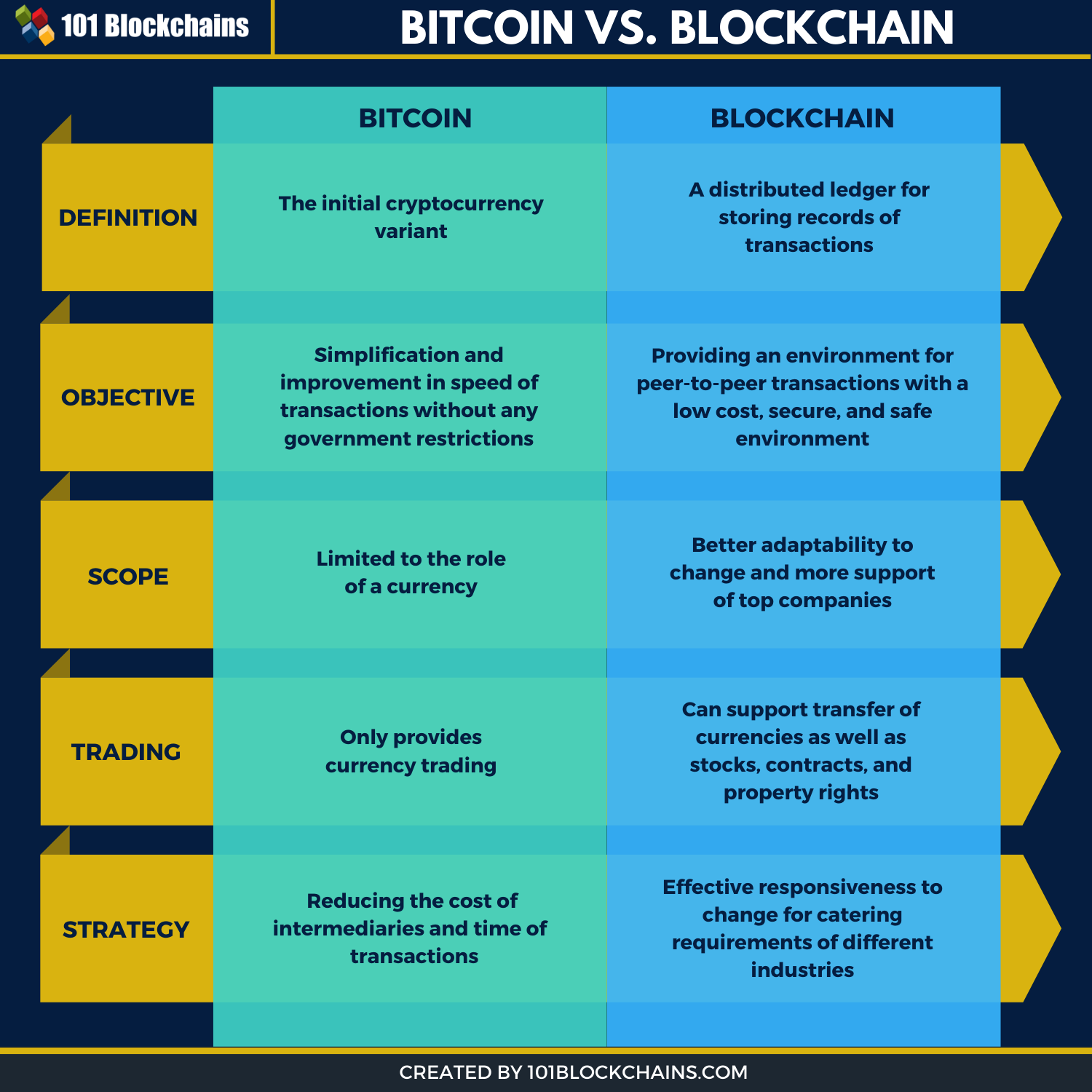
If Bitcoin is the “gold” of the digital world, then “cryptocurrency” (or “crypto”) represents the entire periodic table of elements, along with the factories and technologies built upon them. The term “cryptocurrency” serves as an umbrella for all digital assets that utilize cryptography for security and operate on a distributed ledger, usually a blockchain.
Altcoins and Utility
Any cryptocurrency that is not Bitcoin is generally referred to as an “altcoin” (alternative coin). While some altcoins attempted to improve upon Bitcoin’s role as money (such as Litecoin or Bitcoin Cash), most modern crypto projects serve entirely different purposes.
For instance, Ethereum (ETH), the second-largest cryptocurrency by market capitalization, is not primarily designed to be a “store of value” in the same way Bitcoin is. Instead, it is a global, decentralized platform for “smart contracts”—self-executing agreements with the terms of the contract written directly into code. This allows for the creation of Decentralized Finance (DeFi) applications, Non-Fungible Tokens (NFTs), and complex organizational structures that operate without intermediaries.
The Rise of Stablecoins
Another vital segment of the crypto market is stablecoins. These are digital assets pegged to the value of a traditional currency, such as the U.S. Dollar. Stablecoins like USDT or USDC provide the liquidity necessary for the crypto ecosystem to function, allowing investors to move in and out of volatile positions without returning to the legacy banking system. For international business, stablecoins offer a way to settle cross-border transactions in seconds rather than days, highlighting the “utility” aspect of crypto over the “investment” aspect of Bitcoin.
Niche Sectors: From DePIN to AI
The crypto umbrella now extends into specialized sectors such as Decentralized Physical Infrastructure Networks (DePIN), where tokens are used to incentivize the building of real-world hardware networks (like decentralized internet or mapping services). There are also intersections between crypto and Artificial Intelligence, where blockchain is used to verify the authenticity of data or provide decentralized computing power. These assets carry a venture-capital style risk profile, far removed from the “digital gold” narrative of Bitcoin.
Key Differences for the Strategic Investor
Understanding the difference between Bitcoin and the broader crypto market is essential for building a balanced financial strategy. The two categories behave differently in various market conditions and appeal to different types of investors.
Volatility and Risk Profiles
Bitcoin is volatile compared to the S&P 500, but it is relatively stable compared to the majority of the cryptocurrency market. During market downturns, Bitcoin typically loses less value than altcoins. Conversely, during “bull markets,” smaller cryptocurrency projects can see exponential gains that far outpace Bitcoin. An investor must decide whether they are seeking the “wealth preservation” of Bitcoin or the “high-growth speculation” of the broader crypto market.
Regulatory Clarity
In the eyes of regulators, particularly in the United States, Bitcoin is often viewed differently than other cryptocurrencies. The SEC has historically categorized Bitcoin as a “commodity,” similar to gold or oil. Many other cryptocurrencies, however, face scrutiny regarding whether they should be classified as “securities,” similar to company stocks. This regulatory distinction is a major factor for institutional investors who require legal certainty before allocating capital.
Development and Governance
Bitcoin’s development is notoriously slow and conservative. This is intentional; the community prioritizes security and stability over rapid feature updates. In contrast, the wider crypto space moves at “the speed of software.” Projects frequently undergo radical changes, upgrades, and pivots. While this allows for rapid innovation, it also introduces “smart contract risk” and the possibility of project failure due to poor governance or technical bugs.
Building a Diversified Digital Portfolio
For those looking to generate income or grow wealth through digital assets, a binary choice between “Bitcoin” or “Crypto” is rarely the best approach. Instead, a nuanced strategy that utilizes the strengths of both categories is often the most effective.
The “Core and Satellite” Approach
A common strategy among sophisticated investors is the “Core and Satellite” model. In this scenario, Bitcoin serves as the “Core” of the portfolio—the stable, long-term foundation that represents 50% to 80% of the digital asset allocation. The “Satellites” consist of carefully selected cryptocurrencies with high growth potential, such as leaders in the smart contract space or promising DeFi protocols. This allows the investor to capture the historic upside of the crypto industry while maintaining the safety net provided by Bitcoin’s established market dominance.
Cash Flow through Staking and Yield
One major difference in how these assets generate income is the concept of “staking.” Since Bitcoin uses Proof-of-Work, you cannot “stake” it to earn more Bitcoin; you can only hold it and hope for price appreciation (or lend it out via a third party). However, many other cryptocurrencies (like Ethereum or Solana) use Proof-of-Stake (PoS). Investors can lock up these assets to help secure the network and, in return, receive a steady yield—similar to a dividend or interest payment. For those focused on “online income” or “cash flow,” the broader crypto market offers tools that Bitcoin does not.
Security and Self-Custody
Regardless of whether you hold Bitcoin or various cryptocurrencies, the principle of self-custody remains the same. The phrase “Not your keys, not your coins” is the golden rule of the industry. To truly own these assets and protect them from exchange failures, investors must utilize hardware wallets or secure cold storage solutions. Understanding the technical nuances of how different blockchains handle transactions is a vital part of protecting your financial future.

The Future of Digital Finance
As the financial world continues to digitize, the gap between “Bitcoin” and “Crypto” may widen in some ways while narrowing in others. We are seeing a “flight to quality” where Bitcoin is increasingly treated as a global reserve asset by corporations like MicroStrategy and even some sovereign nations. At the same time, the broader crypto market is becoming the “back-end” for a new internet-native financial system, where everything from real estate to stocks may eventually be tokenized.
For the individual, the difference between crypto and Bitcoin is the difference between a new form of money and a new form of financial infrastructure. Bitcoin is the solution to the problems of central banking and currency debasement. Cryptocurrency is the toolbox for building a more transparent, efficient, and permissionless global economy. By recognizing the distinct roles these assets play, you can position yourself to benefit from the greatest shift in the nature of value since the invention of the printing press. Whether you are looking for a side hustle in DeFi, a long-term investment in Bitcoin, or a way to protect your business’s capital, clarity on these definitions is your most valuable asset.
aViewFromTheCave is a participant in the Amazon Services LLC Associates Program, an affiliate advertising program designed to provide a means for sites to earn advertising fees by advertising and linking to Amazon.com. Amazon, the Amazon logo, AmazonSupply, and the AmazonSupply logo are trademarks of Amazon.com, Inc. or its affiliates. As an Amazon Associate we earn affiliate commissions from qualifying purchases.