
Navigating the world of commercial driving licenses (CDLs) is a crucial step for anyone looking to enter the lucrative field of professional transport. The distinction between a Class A and a Class B CDL is not merely an administrative detail; it fundamentally shapes a driver’s career path, earning potential, and the types of business ventures they can pursue. Understanding these differences is paramount for making an informed financial decision about your training and future income generation.
The Foundation of Commercial Driving Licenses: An Overview
A Commercial Driver’s License permits an individual to operate heavy vehicles for commercial purposes. Unlike a standard driver’s license, a CDL signifies a higher level of training, knowledge, and skill, reflecting the significant responsibility involved in operating large vehicles on public roads. For many, obtaining a CDL is a direct pathway to a stable career, offering competitive wages and opportunities for business ownership.
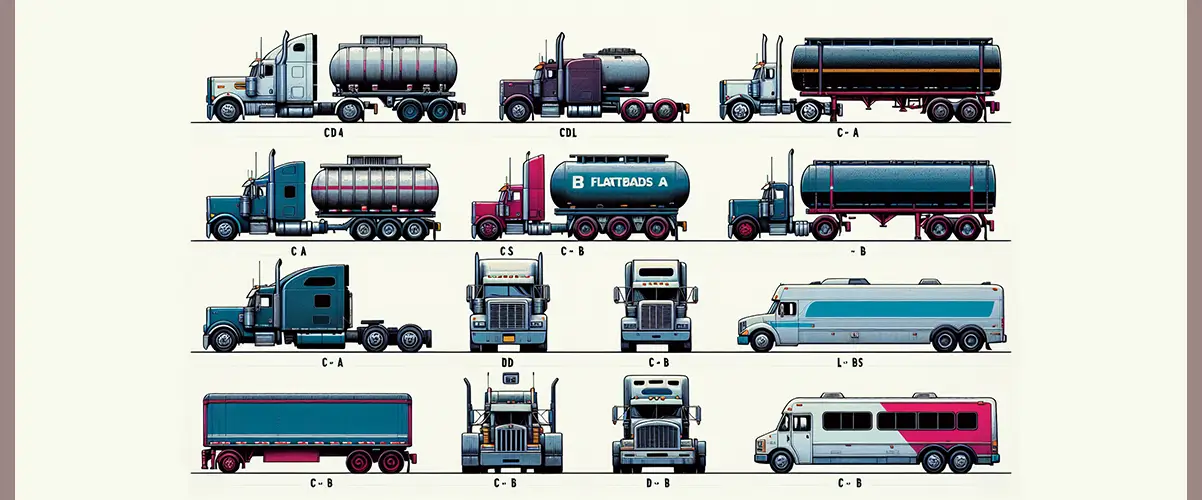
CDL Basics and Their Financial Impact
The core idea behind CDL classifications is to match a driver’s qualifications with the specific types and weights of vehicles they are authorized to operate. This classification directly influences job availability and, consequently, your potential income. A driver with a broader scope of permissible vehicles generally has access to a wider array of higher-paying jobs. The initial investment in CDL training, whether for Class A or B, is a financial decision that promises significant returns over a driving career.
Why CDL Classifications Matter for Your Bottom Line
The financial implications of choosing between a Class A and Class B CDL are profound. They dictate the size and type of trucks you can drive, which in turn determines the industries you can serve, the freight you can haul, and the typical salary ranges you can expect. For aspiring owner-operators, the CDL class defines the scale and type of trucking business they can establish, impacting startup costs, operational expenses, and revenue potential. It’s about more than just driving; it’s about leveraging a license to maximize your financial security and growth.
Deciphering Class A CDL: Opportunities and Earning Potential
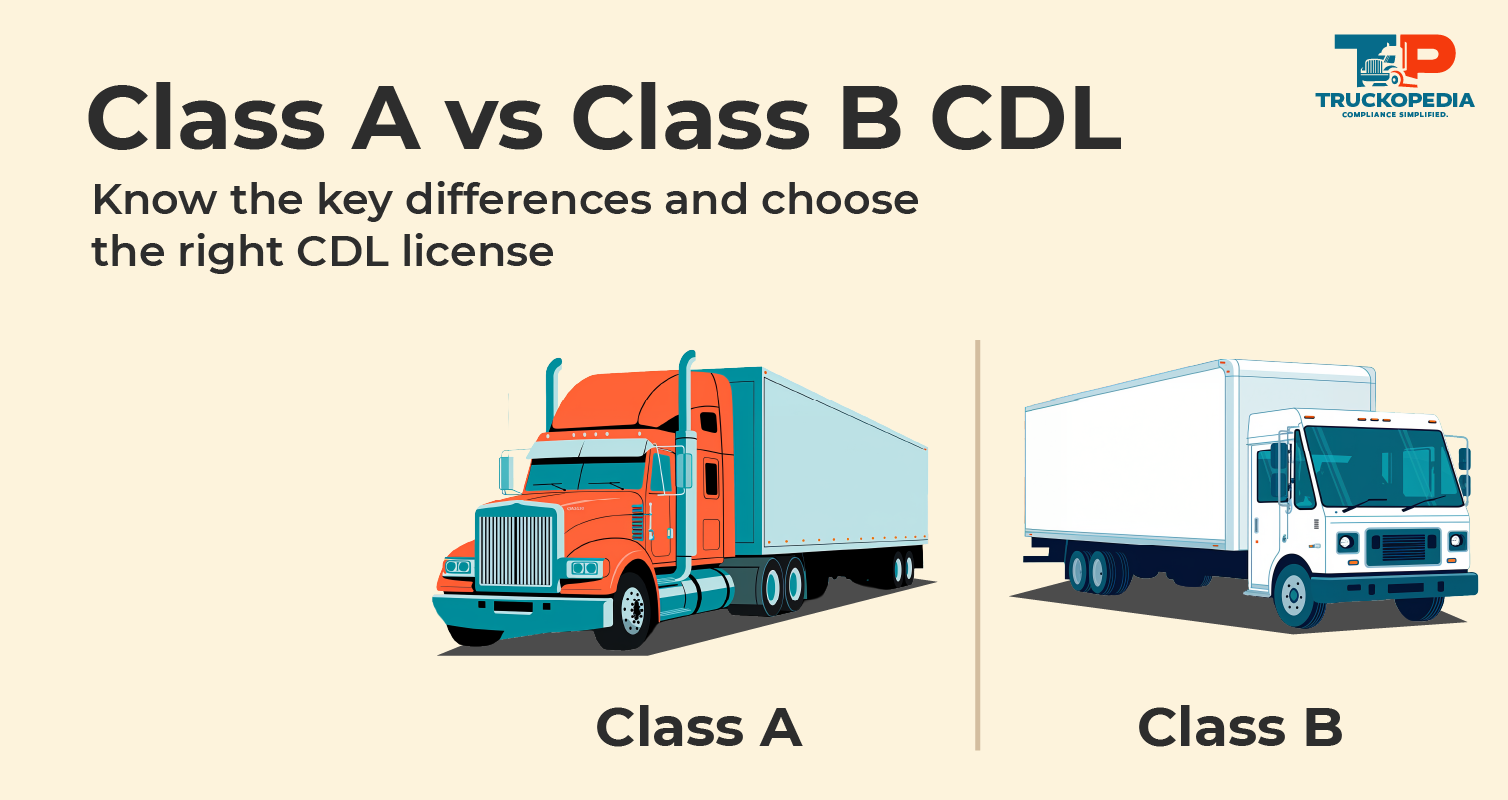
The Class A CDL is often considered the “gold standard” in commercial driving, offering the broadest range of opportunities and typically the highest earning potential. This license authorizes the operation of the heaviest and most complex combinations of vehicles.
Vehicles and Operations for Class A Drivers
A Class A CDL allows you to operate any combination of vehicles with a Gross Combination Weight Rating (GCWR) of 26,001 pounds or more, provided the Gross Vehicle Weight Rating (GVWR) of the towed unit is in excess of 10,000 pounds. This includes:
- Tractor-trailers (semi-trucks): The quintessential long-haul trucks used for interstate transport of goods.
- Truck and trailer combinations: Such as doubles, triples (with appropriate endorsements), or livestock haulers.
- Tanker vehicles: For transporting liquids or gases (with a tanker endorsement).
- Flatbeds: For oversized or uniquely shaped cargo.
Class A drivers are the backbone of the long-haul trucking industry, transporting goods across states and often across the entire continent. This wide scope directly translates into a high demand for skilled drivers.
Common Class A Job Roles and Salary Expectations
The versatility of a Class A CDL opens doors to a vast array of job roles, many of which are among the highest paying in the trucking industry. These roles include:
- Over-the-Road (OTR) Driver: Hauling freight long distances, often across state lines, with significant earning potential through mileage pay and bonuses.
- Regional Driver: Operating within a specific region, allowing for more consistent home time while maintaining good pay.
- Local Driver (Class A): Though less common than OTR, some local jobs require Class A for heavier loads or specific trailer types.
- Specialized Haulers: Transporting hazardous materials (hazmat endorsement), oversized loads, or liquid bulk (tanker endorsement), which command premium pay.
Average salaries for Class A drivers can range significantly based on experience, endorsements, company, and region, often starting in the mid-$40,000s for new drivers and rising to $70,000-$100,000+ annually for experienced OTR drivers or those with specialized skills. The financial trajectory for a Class A driver is generally upward, with earning potential increasing significantly with time and additional training.
Investing in a Class A License: Costs vs. Returns
The training for a Class A CDL is typically more comprehensive and, consequently, more expensive than for a Class B. Costs for CDL schools can range from $3,000 to $10,000 or more, depending on the program’s length and reputation. However, this upfront investment is often quickly recouped due to the higher earning potential and broader job market access. Many trucking companies offer tuition reimbursement programs or direct sponsorship, making the financial barrier to entry more manageable. From a financial perspective, a Class A CDL represents a substantial investment in a high-demand skill set with a strong return on investment.
Owner-Operator Potential with Class A
For the entrepreneurially minded, a Class A CDL is the gateway to becoming an owner-operator. This involves purchasing or leasing your own truck and operating an independent trucking business. While it comes with greater financial risk and responsibility (managing fuel, maintenance, insurance, dispatch, and accounting), the potential for profit is significantly higher. Owner-operators can negotiate their own rates, choose their loads, and build their own brand, turning their driving career into a full-fledged business enterprise. The ability to haul nearly any type of freight for any distance gives Class A owner-operators immense flexibility and market reach.
Understanding Class B CDL: Niche Markets and Stable Income
While less extensive than a Class A, a Class B CDL still offers a robust array of job opportunities and a stable income, particularly in specific sectors of the transport industry.
Vehicles and Operations for Class B Drivers
A Class B CDL allows you to operate a single vehicle with a GVWR of 26,001 pounds or more, or a combination of vehicles where the towed unit has a GVWR of not more than 10,000 pounds. This means Class B drivers typically operate large single vehicles, such as:
- Straight trucks: Used for local deliveries, freight, and utility services.
- Dump trucks: Essential for construction and landscaping.
- Box trucks: Common for moving companies and package delivery.
- School buses and city buses: Requiring a passenger (P) endorsement.
- Garbage trucks: For municipal and private waste collection.
- Cement mixers: Used in the construction industry.
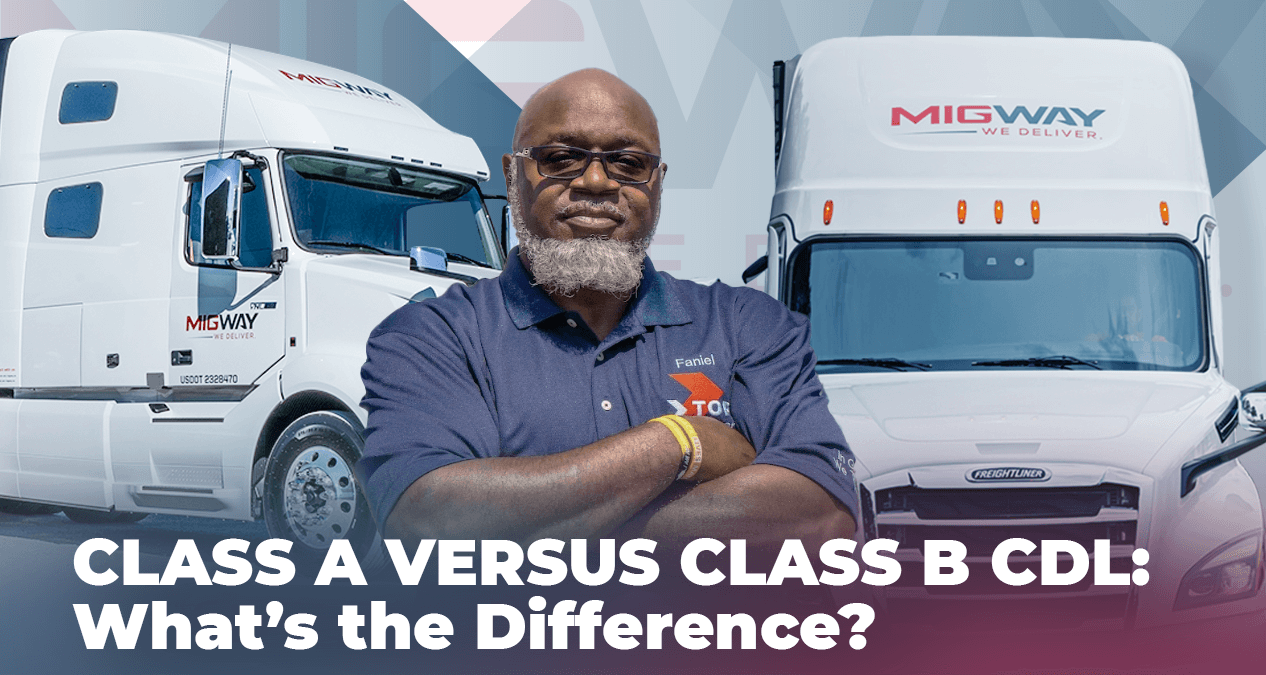
These vehicles are often used for shorter routes, specialized services, or within urban and suburban areas, contributing to a different lifestyle and work pattern compared to OTR Class A drivers.
Typical Class B Employment and Income Ranges
Class B drivers fill critical roles in various industries. While their routes may be shorter, the demand for these services is consistent. Common employment opportunities include:
- Bus Driver: School districts, public transit authorities, and charter services. Requires a passenger (P) endorsement.
- Delivery Driver (Heavy): For companies transporting large goods, construction materials, or specialized equipment.
- Construction Driver: Operating dump trucks, cement mixers, or other heavy equipment haulers.
- Waste Management Driver: Operating garbage trucks or recycling vehicles.
- Utility Worker: For gas, electric, and water companies operating specialized heavy vehicles.
Salaries for Class B drivers can vary but generally range from $35,000 to $60,000+ annually. While potentially lower than some Class A roles, many Class B jobs offer benefits like more predictable hours, daily home time, and stable employment within established organizations (e.g., municipalities, school districts). This predictability can be a significant financial advantage for those prioritizing work-life balance and steady income.
The Financial Accessibility of Class B Training
Training for a Class B CDL is generally less intensive and less expensive than for a Class A. Program costs typically range from $1,500 to $4,000. This lower financial barrier to entry makes a Class B CDL an attractive option for individuals looking for a quicker path into commercial driving without the larger initial investment required for Class A. Many employers in Class B sectors also offer paid training or assistance, further reducing the personal financial outlay.
Business Ventures for Class B Professionals
While an owner-operator business might look different for Class B drivers compared to Class A, opportunities certainly exist. Examples include:
- Small-scale construction material hauling: Operating a dump truck independently.
- Local freight and delivery services: Utilizing a straight truck to serve businesses within a specific area.
- Specialized transport: Such as local moving services or event equipment hauling.
- School bus contracting: In some areas, individuals can contract their services to school districts.
These ventures typically require a smaller initial investment in equipment compared to a full tractor-trailer setup, making them more accessible for those starting an independent business with limited capital.
Key Distinctions and Strategic Career Planning
The choice between a Class A and Class B CDL boils down to more than just the type of vehicle; it’s a strategic decision that shapes your career trajectory and financial future.
Gross Vehicle Weight Rating (GVWR) and Its Financial Implications
The fundamental difference lies in the GVWR thresholds. A Class A CDL authorizes combinations of vehicles where the towed unit exceeds 10,000 pounds GVWR, while a Class B limits the towed unit to 10,000 pounds GVWR or less, or only authorizes single vehicles. This distinction directly impacts the scale of operation you can manage and, consequently, the revenue-generating capacity of your work. Larger loads generally mean higher pay per trip, which favors Class A drivers. However, specialized, smaller loads can also command high rates, offering unique financial niches for Class B drivers.
Endorsements: Expanding Earning Power for Both Classes
Regardless of the base CDL class, endorsements are critical for expanding earning potential. These specialized certifications, such as Hazardous Materials (H), Tanker (N), Doubles/Triples (T), or Passenger (P), allow drivers to haul specific types of cargo or carry passengers. Each endorsement typically translates into higher wages due to the increased skill and responsibility required. For Class A drivers, the T endorsement (doubles/triples) can significantly boost income, while for Class B drivers, the P endorsement (passenger) is essential for bus driving roles. Investing in relevant endorsements is a clear path to maximizing your financial return on your CDL.
Choosing the Right CDL for Your Financial Goals
When deciding between Class A and B, consider your personal financial goals:
- High Earning Potential & Business Ownership: If your goal is to maximize income, have the broadest career options, and potentially run a large-scale trucking business, a Class A CDL is generally the more suitable choice.
- Stable Income & Predictable Hours: If you prioritize stable employment, regular hours, and potentially less time away from home, a Class B CDL can offer excellent opportunities, particularly in municipal or local service roles.
- Lower Entry Barrier & Niche Markets: For those with limited initial capital or a specific interest in local service or construction, a Class B CDL provides a quicker and more affordable entry point into commercial driving.
Long-Term Financial Prospects and Market Demand
Both Class A and Class B CDLs offer robust long-term financial prospects, bolstered by persistent demand for commercial drivers across various sectors.
Industry Growth and Job Security
The trucking industry as a whole is a cornerstone of the economy, and the demand for qualified CDL holders remains consistently high. Factors such as e-commerce growth, supply chain complexities, and an aging workforce ensure a steady pipeline of job opportunities. This translates into significant job security for CDL drivers, offering a reliable income stream throughout their careers. The ongoing driver shortage further empowers drivers to command better wages and benefits.
Maximizing Earnings: Experience, Specialization, and Location
For both Class A and B drivers, earnings tend to increase with experience. Specializing with endorsements (e.g., hazmat, oversized loads) can unlock premium pay rates. Furthermore, geographical location plays a role; drivers in regions with higher demand or specific industry concentrations might see better compensation. Continuously upgrading skills and seeking out specialized freight or routes are key strategies for maximizing financial gain over a driving career.
CDL as a Catalyst for Entrepreneurship
Beyond traditional employment, a CDL, particularly a Class A, serves as a powerful catalyst for entrepreneurship. It enables individuals to transition from employee to business owner, scaling their operations from a single truck to a fleet. This path, while demanding, offers the highest financial rewards for those with a strong business acumen, turning a driving skill into a wealth-generating enterprise within the vital logistics and transport industry.
aViewFromTheCave is a participant in the Amazon Services LLC Associates Program, an affiliate advertising program designed to provide a means for sites to earn advertising fees by advertising and linking to Amazon.com. Amazon, the Amazon logo, AmazonSupply, and the AmazonSupply logo are trademarks of Amazon.com, Inc. or its affiliates. As an Amazon Associate we earn affiliate commissions from qualifying purchases.