
Understanding the distinction between clams and oysters is a classic case study in brand positioning and product differentiation within the culinary marketplace. While both fall under the broad category of bivalve mollusks, their market identities, consumer perception, and value propositions are vastly different. In the professional world of hospitality and food supply chain management, knowing how to distinguish these assets is essential for menu engineering, pricing strategy, and brand storytelling.
Biological Identity vs. Market Positioning
At the core of the differentiation lies the biological structure, which dictates how these two “products” are harvested, processed, and consumed. From a branding perspective, clams and oysters represent different tiers of the luxury and casual dining spectrum.
The Anatomy of the Market Leader
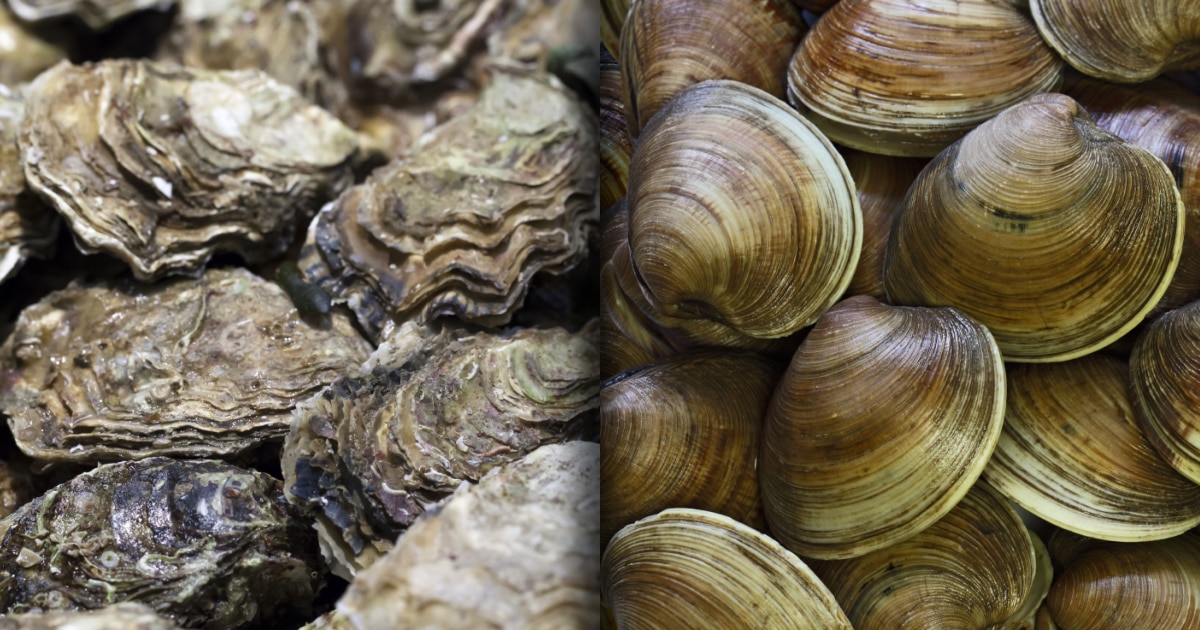
Clams are essentially the workhorses of the mollusk world. They are infaunal, meaning they bury themselves in the substrate (sand or mud) of the ocean floor. Because they are burrowers, their shells are smooth, rounded, and generally symmetrical. In terms of brand identity, the clam is accessible, versatile, and utilitarian. They are a staple in high-volume dining environments, frequently integrated into chowders, pasta dishes, and fried appetizers. Their brand value lies in consistency and reliability.
The Luxury Appeal of the Oyster
Oysters, by contrast, are epifaunal; they attach themselves to hard surfaces. This biological necessity results in irregular, jagged, and rough shells. More importantly, oysters are sessile, meaning they do not move once they have found a home. This stillness, combined with the “merroir”—a concept akin to terroir in winemaking—allows each oyster to develop a distinct flavor profile based on the specific mineral content and salinity of its habitat. This positions the oyster as a premium, high-margin product in the culinary sector, often marketed through its regional origin, much like a fine wine or a single-origin coffee.
Strategic Differentiation in Flavor Profiles and Usage
When evaluating these two products for a business model or a culinary brand, the functional difference in flavor profiles determines the target demographic and the pricing strategy.
The Clam: A Profile of Versatility
The flavor profile of a clam is generally briny, sweet, and firm. Because the texture is chewier, it holds up exceptionally well to heat. This makes clams the preferred choice for commercial kitchens focusing on speed and volume. When branding a menu around clams, the focus is often on comfort, tradition, and “seaside” authenticity. Marketing efforts typically center on the “classic” aspect of the dish—clam bakes, hearty chowders, and linguine alle vongole. The risk here is commoditization; because clams are often seen as an ingredient rather than a standalone experience, the ability to command premium pricing is limited compared to the oyster.
The Oyster: A Profile of Sophistication
Oysters are marketed as an experience. Because they are typically consumed raw, the focus is placed on the nuances of their “liquor” and the specific salinity of the region. Branding an oyster program involves high-touch storytelling. A restaurant doesn’t just sell “oysters”; they sell “Blue Points” or “Kumamotos,” emphasizing the geography and the artisanal nature of the harvest. This creates a high barrier to entry and allows for significant markup, as the consumer is paying for the curation of the product. The oyster is a luxury brand; the clam is a volume brand.
Supply Chain Management and Economic Factors
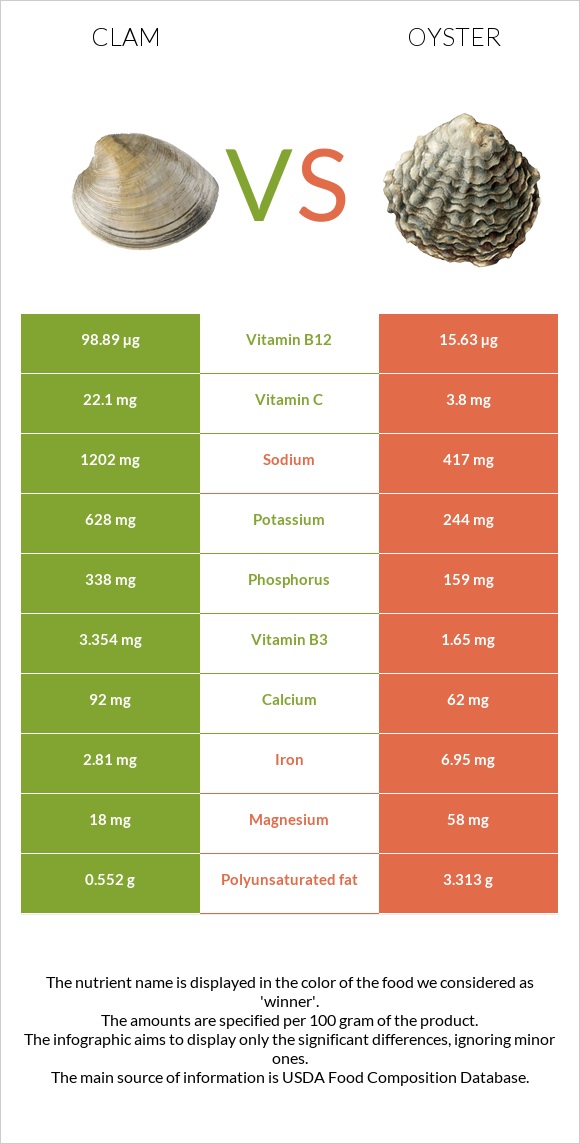
For any business owner or investor looking at the seafood industry, the supply chain logistics for clams versus oysters reveal stark differences in risk and capital expenditure.
Scalability and Processing Efficiency
Clams are easier to farm at scale. Because they are bottom-dwellers that can be harvested using mechanical dredging, the cost per unit remains relatively low. This efficiency is why clams are ubiquitous in retail and casual dining. From a financial perspective, clams offer a predictable margin, provided the volume is high enough to offset the lower price point per serving. The supply chain is robust, and inventory management is straightforward due to the hardiness of the clam.
The High-Risk, High-Reward Logistics of Oysters
Oysters represent a more volatile economic asset. They require precise environmental management, and because they are consumed raw, the food safety regulations (and the associated insurance and compliance costs) are significantly more stringent. However, the reward for this complexity is a higher ceiling for profitability. The “oyster experience” allows for premium pricing that is decoupled from the raw food cost, as the consumer is paying for the prestige of the brand, the ambiance of the raw bar, and the expertise of the shucker.
Consumer Branding and Marketing Strategy
The way a brand markets these two mollusks reveals much about their intended audience and brand promise.
Marketing the Clam: Reliability and Comfort
Brands that lean into the clam market are effectively selling a story of “local heritage” and “wholesome goodness.” The messaging is rarely about exclusivity; it is about abundance. Clams are the centerpiece of a communal gathering. A successful marketing strategy for a clam-based concept leverages the emotional connection to coastal history. It is the “everyman’s” seafood, positioned as a reliable, high-quality, and crowd-pleasing option that fits perfectly into the fast-casual or family-style dining tier.
Marketing the Oyster: Exclusivity and Expertise
The marketing of oysters, conversely, focuses on education and status. A well-executed brand strategy for oysters involves educating the consumer on the difference between species, seasons, and regions. This “oyster sommelier” approach creates a loyal customer base that values expertise. By positioning the oyster as a luxury commodity, brands can tap into the psychology of the “connoisseur” buyer. This is a strategy built on scarcity, provenance, and the sensory experience, transforming a simple mollusk into a high-end gastronomic encounter.
Strategic Synthesis: Navigating the Market
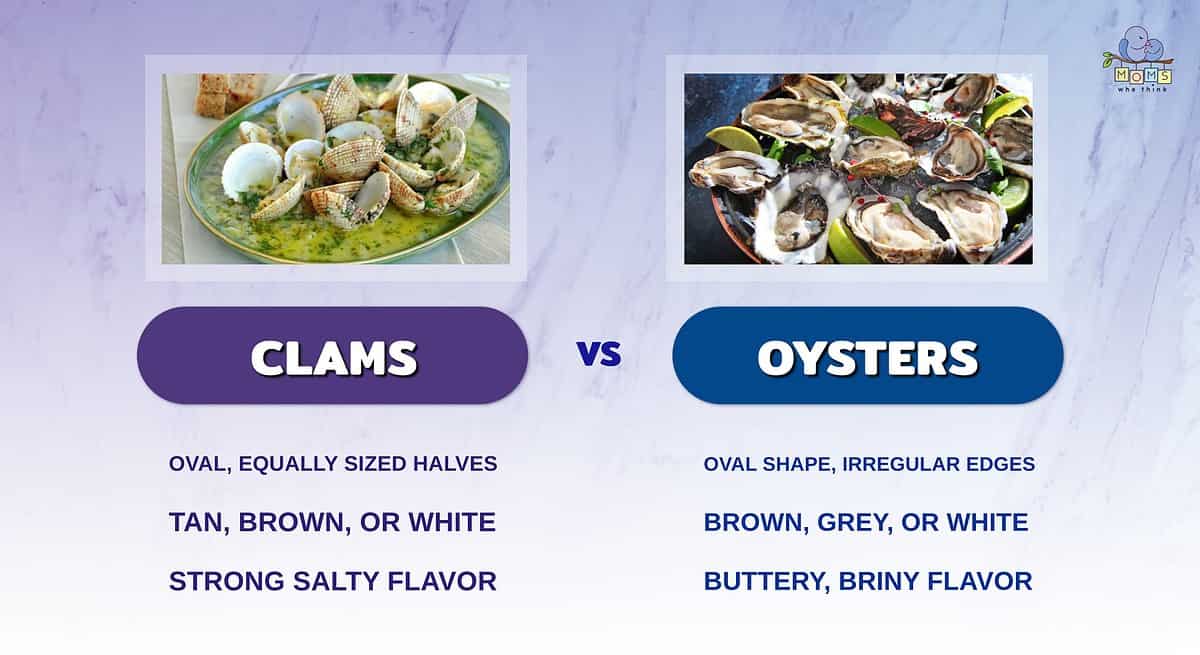
Ultimately, the choice between clams and oysters is not merely a culinary one; it is a strategic business decision. The differences between them—in biology, flavor, supply chain, and marketing—create two distinct paths for revenue and growth.
Clams represent the foundation of a volume-based business. They are reliable, scalable, and offer a consistent return. They are the essential component of a successful, high-turnover hospitality model that relies on broad consumer appeal. Their brand value is found in consistency and the comfort of the familiar.
Oysters, on the other hand, are the drivers of a prestige-based business. They require investment in infrastructure, talent (such as skilled shuckers), and education. They are the centerpiece of a brand that seeks to offer an elevated experience, allowing for higher margins and a deeper level of customer engagement.
For the professional, the key is not to view these products as competing with one another, but as complementary tools in the portfolio. A balanced seafood strategy utilizes the volume and reliability of clams to drive traffic, while leveraging the high-margin, luxury appeal of oysters to drive brand perception and profit. By understanding these distinctions, one can effectively navigate the marketplace, optimize inventory, and craft a brand story that resonates with the target consumer, whether they are looking for the comfort of a classic clam chowder or the refined, salty nuance of a premium half-shell oyster.
aViewFromTheCave is a participant in the Amazon Services LLC Associates Program, an affiliate advertising program designed to provide a means for sites to earn advertising fees by advertising and linking to Amazon.com. Amazon, the Amazon logo, AmazonSupply, and the AmazonSupply logo are trademarks of Amazon.com, Inc. or its affiliates. As an Amazon Associate we earn affiliate commissions from qualifying purchases.