
In the realm of technology and engineering, the terms “clad” and “bare” delineate a fundamental distinction that impacts performance, durability, cost, and application across a vast array of components and systems. At its core, “bare” refers to a material or component in its most exposed, unadorned state, lacking significant protective or functional outer layers. Conversely, “clad” signifies the application of one or more layers of different materials onto a base material, specifically engineered to impart enhanced properties, protection, or functionality. This seemingly simple difference drives critical design and implementation decisions in everything from high-speed data transmission to the structural integrity of electronic circuits.

The Fundamental Distinction: Protection, Performance, and Application
The primary purpose of cladding is to optimize a component for its intended environment or function, often by overcoming the inherent limitations of a bare material. This optimization can manifest in several ways:
- Protection: Shielding against physical damage, environmental aggressors (moisture, chemicals, UV radiation), or electromagnetic interference (EMI).
- Performance Enhancement: Improving electrical conductivity, optical signal transmission, thermal management, or even introducing entirely new functionalities like selective absorption or emission.
- Safety: Insulating electrical conductors to prevent shorts, shocks, and fires.
- Cost-Effectiveness: Using a less expensive base material clad with a thinner layer of a more expensive, high-performance material to achieve desired properties without prohibitive costs.
Understanding this distinction is crucial for engineers, system designers, and even end-users, as it directly translates to reliability, operational lifespan, and the overall efficiency of technological solutions.
Clad vs. Bare in Cable Technology
One of the most intuitive and widespread applications of the clad/bare distinction is found in cable technology, encompassing both electrical wiring and fiber optics. The choice between a bare and a clad solution here dictates much about a cable’s suitability for specific environments and performance requirements.
Bare Wire and Fiber Optics
Bare Wire: This refers to an electrical conductor, typically copper or aluminum, without any insulating or protective jacket.
- Characteristics: High electrical conductivity, flexibility, and often lower cost due to minimal processing. However, it is highly susceptible to short circuits, corrosion, and physical damage.
- Typical Uses: Bare wire is common in applications where insulation is not required for safety or where it’s provided by the environment itself. Examples include grounding wires, internal wiring within protected enclosures, busbars, and overhead power lines where the air acts as an insulator, and spacing between conductors prevents shorts. It’s also used for very short connections in experimental setups or breadboards.
Bare Fiber: In fiber optics, “bare fiber” refers to the optical glass fiber itself, consisting of a core and cladding layer, before the application of any protective coatings, buffers, or jackets. While the core and cladding are technically two different materials “clad” together, the industry often uses “bare fiber” to denote the glass without any additional polymeric coatings.
- Characteristics: Extremely fragile, susceptible to microbends and macrobends that cause signal loss, and vulnerable to moisture and abrasions. However, it offers the purest optical transmission path.
- Typical Uses: Primarily found in laboratory settings for research and development, in specialized sensors where the direct interaction of light with the environment is desired, or as an intermediate stage in the manufacturing of more robust fiber optic cables. Its extreme sensitivity makes it unsuitable for direct deployment.
Clad Wires and Fiber Optic Cables
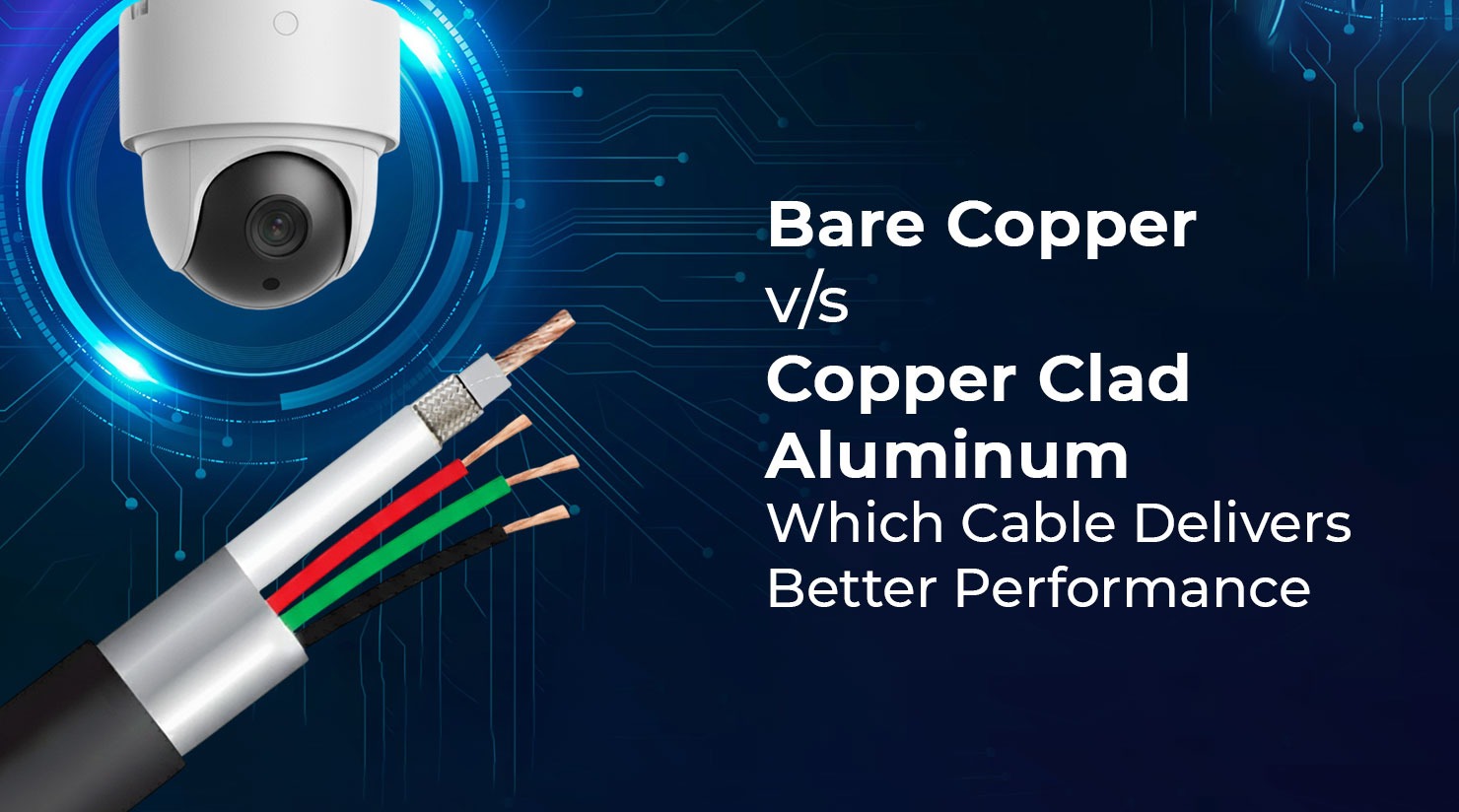
Clad Wires (Insulated/Shielded): These are electrical conductors surrounded by one or more layers of dielectric material (insulation), and often further encased in protective jackets or metallic shields.
- Purpose of Insulation: To prevent current leakage, short circuits between conductors, and electrical shock hazards. Materials like PVC, polyethylene, and rubber are common.
- Purpose of Shielding: Metallic layers (braid, foil, or spiral wrap) are used to protect the signal from external electromagnetic interference (EMI) and radio frequency interference (RFI), and to prevent the signal from radiating out and interfering with other devices. This is critical for data cables.
- Purpose of Jacketing: The outermost layer provides physical protection against abrasion, moisture, chemicals, and UV radiation, enabling cables to withstand harsh installation and operational environments.
- Examples: Ethernet cables (twisted pairs with shielding and jacket), power cords (insulated conductors with an outer jacket), coaxial cables (central conductor, dielectric, metallic braid/foil, outer jacket). These “clad” structures allow for safe, reliable, and high-performance electrical signal transmission over significant distances and in varied conditions.
Clad Fiber Optic Cables: These are bare optical fibers encapsulated within multiple layers of protective materials, transforming them into robust communication conduits.
- Primary Coating/Buffer: A primary polymer coating is applied directly to the bare fiber, providing initial protection against microbends and abrasion, and enhancing strength. This is followed by a secondary buffer (tight buffer or loose tube) which further isolates the fiber from external stresses.
- Strength Members: Aramid yarns (Kevlar), fiberglass rods, or steel wires are integrated into the cable structure to provide tensile strength, protecting the fragile fiber during pulling and installation.
- Outer Jacket: Made from materials like PVC, polyethylene, or LSZH (Low Smoke Zero Halogen) compounds, the jacket offers comprehensive protection against environmental factors (moisture, UV, temperature extremes), rodents, and physical impact.
- Purpose: These extensive “clad” layers enable fiber optic cables to be deployed in highly demanding environments, from underground conduits and submarine trenches to industrial settings, ensuring reliable, high-speed data transmission over vast distances without degradation.
Clad vs. Bare in Printed Circuit Boards (PCBs) and Electronics
The clad/bare distinction also plays a pivotal role in the design, manufacturing, and reliability of printed circuit boards and other electronic components.
Bare PCBs
Definition: A bare PCB refers to the fundamental circuit board structure after etching and drilling, but before any electronic components are mounted onto it or any final protective coatings (like solder mask) are applied. It’s essentially the substrate with its copper traces.
- Purpose: The bare PCB serves as the electrical and mechanical foundation for an electronic circuit. It provides a structured pathway for electrical signals and a platform for mounting components.
- Materials: Typically made from a dielectric substrate like FR-4 (Flame Retardant type 4, a fiberglass-reinforced epoxy laminate), which is then clad with copper foil.
- Applications: Bare PCBs are the raw output of the fabrication process, ready for assembly houses to populate with components. They are also used for initial electrical testing to ensure trace integrity before components add complexity.
Clad PCBs and Assemblies
Copper Clad Laminates (CCL): This is the raw material used to manufacture PCBs. It consists of a dielectric substrate (e.g., FR-4) with a layer of copper foil permanently bonded or “clad” onto one or both surfaces. This cladding is fundamental to the subtractive manufacturing process of etching circuit traces.
Assembled PCBs (Populated Boards): Once electronic components (resistors, capacitors, ICs) are soldered onto a bare PCB, it becomes an assembled board. Beyond just components, assembled PCBs often incorporate several “clad” features:
- Solder Mask: A thin, typically green polymer layer applied over the copper traces (but not the pads where components will be soldered). This is a form of cladding that prevents solder bridges during assembly, protects copper from oxidation, and provides electrical insulation.
- Silkscreen: A non-conductive ink layer (often white) applied for component designators, logos, and polarity indicators, aiding in assembly and troubleshooting.
- Conformal Coatings: For PCBs operating in harsh environments (high humidity, corrosive chemicals, extreme temperatures), an additional layer of polymer coating (acrylic, silicone, urethane, parylene) can be applied over the entire assembled board. This acts as a comprehensive “cladding” layer, offering superior protection against environmental degradation, vibration, and thermal shock, significantly extending the lifespan and reliability of the electronic device.
Heat Sinks and Other Components: In some cases, specialized electronic components or materials are themselves clad. For instance, some heat sinks might be clad with a highly conductive metal (like copper) onto a lighter base (like aluminum) to optimize thermal dissipation and weight. Connectors might feature base metals clad with gold or silver to improve conductivity and corrosion resistance at contact points.
Performance, Cost, and Environmental Considerations
The choice between clad and bare materials is not arbitrary; it involves a complex trade-off analysis concerning performance requirements, manufacturing costs, and long-term environmental implications.
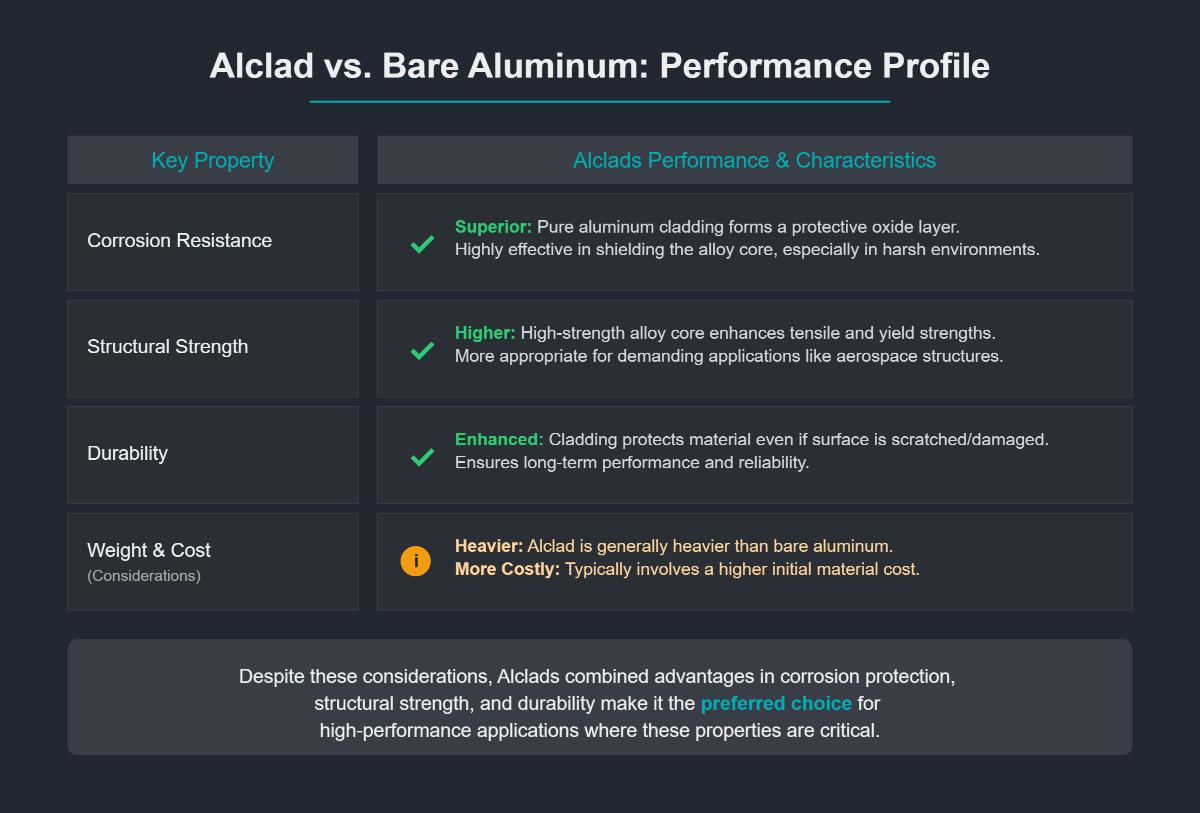
Performance Implications
- Bare Materials: Often excel in specific, unadulterated properties. For instance, bare copper offers the purest electrical conductivity, and bare optical fiber provides the clearest light path. However, this comes at the cost of extreme fragility and susceptibility to degradation.
- Clad Materials: Sacrifice a small amount of the base material’s ideal property (e.g., slight signal attenuation due to insulation) in favor of vastly improved robustness, reliability, and extended functionality. The added layers protect against environmental factors, mechanical stress, and electromagnetic interference, ensuring consistent performance over time and in diverse conditions. For example, a clad fiber optic cable can transmit data reliably across continents, a feat impossible for bare fiber.
Cost Factors
- Bare Materials: Generally lower in initial material cost and processing complexity, as fewer manufacturing steps are involved. This makes them attractive for applications where protection is minimal or external.
- Clad Materials: Involve higher material costs due to the additional layers and increased manufacturing complexity (e.g., extrusion, bonding, coating processes). However, the initial higher cost of clad solutions is often offset by a significantly lower total cost of ownership. Their extended lifespan, reduced maintenance needs, and enhanced reliability prevent costly failures, repairs, and replacements, providing greater long-term value, especially in critical applications.
Environmental Impact
- Manufacturing: The production of clad materials typically involves more energy and resources due to the multiple material layers and bonding/coating processes. This can include the use of various plastics, polymers, and chemical treatments.
- Recyclability: Multi-layer clad materials can be more challenging to recycle compared to bare materials, as the different material layers often need to be separated, which can be a complex and energy-intensive process. This is a growing concern in electronics waste management.
- Longevity: Conversely, the enhanced durability and extended lifespan of clad components can lead to a reduced overall environmental footprint by delaying replacement cycles, thus minimizing the demand for new resource extraction and manufacturing. The decision to “clad” a component often prioritizes longevity and reliability, which can be an environmentally responsible choice in the long run.
Choosing Between Clad and Bare: A Decision Matrix
The decision to utilize a clad or bare material or component is contingent upon a thorough evaluation of several key factors:
- Application Environment: Is the component exposed to harsh conditions (moisture, chemicals, extreme temperatures, mechanical stress, EMI) or a controlled, benign environment? Harsh environments almost always necessitate clad solutions.
- Required Durability and Longevity: Is a short-term, experimental setup sufficient, or is long-term, reliable operation crucial for the application? Mission-critical systems demand clad solutions for resilience.
- Electrical/Optical Requirements: Are there stringent demands for signal integrity, minimal attenuation, or protection against interference? Cladding often plays a vital role in meeting these specifications.
- Safety and Regulatory Compliance: Are there specific safety standards (e.g., electrical insulation requirements) that must be met? Cladding is often mandatory for compliance.
- Cost vs. Value: While bare materials have lower upfront costs, the long-term value, reliability, and reduced maintenance of clad solutions often justify their higher initial investment.
In conclusion, the difference between clad and bare is a testament to engineering ingenuity aimed at optimizing materials for specific functions. Whether it’s shielding a data signal, insulating an electrical wire, or protecting a delicate circuit board, cladding extends the utility and reliability of technology far beyond what bare materials could achieve on their own.
aViewFromTheCave is a participant in the Amazon Services LLC Associates Program, an affiliate advertising program designed to provide a means for sites to earn advertising fees by advertising and linking to Amazon.com. Amazon, the Amazon logo, AmazonSupply, and the AmazonSupply logo are trademarks of Amazon.com, Inc. or its affiliates. As an Amazon Associate we earn affiliate commissions from qualifying purchases.