
The fundamental distinctions between cigars and cigarettes extend far beyond their physical appearance, profoundly shaping their respective brand strategies, market positioning, and consumer engagement. Understanding these differences is crucial for any brand operating within or analyzing the tobacco industry, revealing how distinct product characteristics necessitate entirely different approaches to identity, marketing, and consumer relationships.
Fundamental Product Distinctions and Their Branding Implications
The core essence of cigars and cigarettes—their composition, manufacturing, and intended consumption method—forms the bedrock upon which their unique brand identities are built. These intrinsic differences dictate everything from how they are produced to how they are perceived by the market.

Composition and Manufacturing: Craft vs. Mass Production
The journey from tobacco leaf to finished product highlights a stark contrast in philosophy, directly influencing brand narratives.
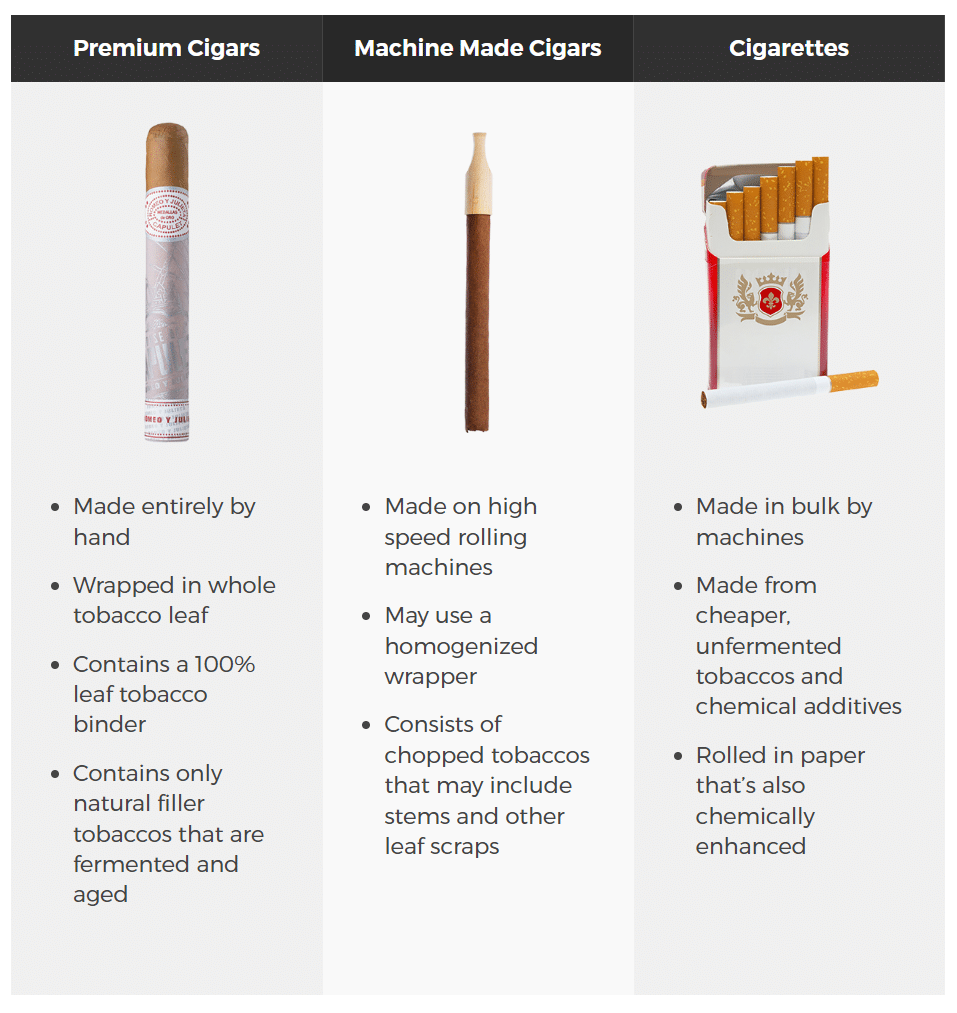
Cigars are predominantly crafted from whole, fermented tobacco leaves. A typical cigar consists of three main components: the filler (bunched leaves forming the core), the binder (a leaf holding the filler together), and the wrapper (the outermost, often high-quality leaf that dictates much of the cigar’s aesthetic and flavor profile). The manufacturing process is often labor-intensive, involving significant hand-rolling by skilled artisans. Fermentation, aging, and blending processes are complex, varying by region, brand, and desired flavor profile. This artisanal approach underpins a brand strategy that emphasizes heritage, craftsmanship, origin (e.g., Cuban, Dominican, Nicaraguan), and exclusivity. Cigar brands often highlight master blenders, specific farms, and the meticulous process, positioning their products as luxury goods or collectible items. The narrative is one of tradition, quality control through expertise, and the unique characteristics derived from specific tobacco varietals and terroirs.
Cigarettes, conversely, are a product of highly automated mass production. They are typically made from shredded, processed tobacco, often blended with various additives and chemicals, encased in a paper wrapper, and almost universally featuring a filter. The tobacco itself is often homogenized, stripped of its natural character to ensure consistency across vast production runs. The manufacturing goal is uniformity, efficiency, and a standardized experience for the consumer. This industrial process leads to a brand strategy focused on consistency, accessibility, and reliability. Cigarette brands historically emphasized the ubiquity of their product, its ability to deliver a consistent nicotine experience, and its integration into daily routines. While specific blends and filter types offer some differentiation, the overarching brand promise is one of dependable supply and an unchanging product experience.
Consumption Ritual and Duration: Experience vs. Habit
The manner and duration of consumption are key differentiators that drive divergent branding efforts and consumer expectations.
Cigars are designed for a prolonged, contemplative, and often social experience. A single cigar can take anywhere from 30 minutes to two hours to smoke, depending on its size and the smoker’s pace. It’s an activity often associated with leisure, celebration, reflection, or social bonding among enthusiasts. The ritualistic aspects—cutting, lighting, slow puffing, discerning flavor nuances—are central to the experience. For cigar brands, this translates into marketing that sells an entire lifestyle. Branding emphasizes moments of indulgence, sophistication, relaxation, and prestige. Imagery often features luxurious settings, successful individuals, and a sense of timeless enjoyment. The brand is not just selling tobacco; it’s selling an escape, a status symbol, and a unique form of personal enjoyment or shared camaraderie.
Cigarettes are typically consumed quickly, often in 5-10 minutes, and are frequently integrated into daily routines or used as a quick break. They are largely driven by nicotine delivery and the ingrained habit of smoking. The ritual is minimal and focused on immediate gratification. For cigarette brands, the branding challenge has evolved dramatically over time due to increasing health regulations and social stigma. Historically, marketing focused on freedom, rebellion, glamour, and social acceptance, portraying cigarettes as a natural part of an exciting life. Today, with severe restrictions on advertising, brand messaging relies heavily on packaging, point-of-sale visibility (where permitted), and established brand loyalty. The emphasis is on fulfilling a habit consistently and conveniently, often within a framework of increasingly stringent regulatory compliance. The brand strives to maintain relevance and accessibility for its established consumer base, acknowledging the functional role of the product rather than an aspirational experience.
Target Demographics and Brand Positioning
The inherent differences in product and consumption ritual naturally lead to distinct target demographics, which in turn dictate tailored brand positioning and communication strategies.
Consumer Profile: Connoisseur vs. Everyday User
Understanding who is buying and why they are buying is critical for effective brand development.
Cigar brands typically target an older, more affluent demographic. This consumer base often views cigar smoking as a sophisticated hobby or a mark of success, seeking quality, authenticity, and a premium experience. They are often educated about tobacco regions, blends, and aging processes, valuing the nuanced flavors and aromas that different cigars offer. Brand positioning for cigars therefore leans heavily into exclusivity, tradition, and connoisseurship. Messaging often highlights the rarity of specific tobaccos, the skill of the blenders, and the legacy of the brand. Brands build communities around shared passion, often through events, specialized retailers, and online forums, fostering a sense of belonging among enthusiasts who appreciate the finer aspects of the product. The focus is on quality over quantity, and experience over mere consumption.
Cigarette brands, by contrast, cater to a much broader and more diverse demographic, encompassing various age groups (above legal smoking age), income levels, and social backgrounds. The primary drivers for cigarette consumption are often habit, stress relief, and social triggers. While certain brands might attempt to carve out niche segments (e.g., premium cigarettes, menthol users), the overarching strategy is mass market appeal. Brand positioning for cigarettes, particularly in heavily regulated markets, focuses on maintaining existing loyalty and offering consistent product quality within a highly standardized environment. Historically, cigarette brands positioned themselves using themes of independence, glamour, and rebellion to attract younger consumers, or dependability and familiarity for established smokers. Today, with limited branding levers, visual identity, pack design (within regulatory constraints), and the historical equity of the brand name become paramount in a market striving for consistency amidst homogenization.
Market Segmentation and Brand Portfolio
The way brands structure their product lines reflects their understanding of their respective markets.
Cigar brands often employ a strategy of deep segmentation within their portfolio. They may offer a range of products from entry-level bundles to ultra-premium, limited-edition releases. This segmentation allows them to cater to different levels of connoisseurship and spending capacity. Differentiation comes from tobacco origin (e.g., Dominican, Nicaraguan, Honduran, Cuban), wrapper types (e.g., Connecticut Shade, Maduro, Sumatra), binder and filler combinations, and specific vitolas (shapes and sizes). Brands like Arturo Fuente or Padron, for instance, are known for extensive lines that cater to diverse palates and price points, each line with its own distinct branding and story, contributing to a broader brand mystique. The goal is to capture market share by offering tailored experiences for discerning consumers.

Cigarette brands, while also segmenting, do so typically along simpler, more functional lines. Segmentation usually involves categories like “full flavor,” “lights,” “menthol,” “ultra-lights,” and increasingly, variations in stick size or filter technology. The focus is on offering variations of a consistent product rather than fundamentally different experiences. Brands like Marlboro, Camel, or Winston have diversified their portfolios to cover these common preferences, ensuring that their brand presence spans the most popular consumer choices. In recent years, innovation has largely shifted towards harm-reduction products (e.g., heated tobacco, vapes) as a means of market segmentation and brand expansion, representing a significant strategic pivot for major tobacco corporations.
Marketing Strategies and Brand Messaging
Given the divergent product natures and target audiences, the marketing and communication strategies employed by cigar and cigarette brands differ dramatically, especially in an era of stringent regulation.
Advertising and Promotion: Lifestyle vs. Functional Appeal
The legal environment has profoundly shaped how these products are brought to market and what messages their brands can convey.
Cigar brands often operate under different, sometimes less restrictive, regulatory frameworks compared to cigarettes, particularly in specialized retail environments or through specific media. This allows for a more traditional, image-based marketing approach. Advertising, where permitted, frequently appears in lifestyle magazines, specialized tobacco publications, or through digital channels targeting adult smokers. Promotion often involves sponsoring events, establishing cigar lounges, and engaging brand ambassadors. The messaging is consistently aspirational, emphasizing the lifestyle associated with cigar smoking: success, relaxation, sophisticated taste, and indulgence. The brand message sells the dream and the experience, rather than just the product itself. Storytelling about the brand’s history, the tobacco’s origin, and the meticulous crafting process is central to building emotional connection and brand loyalty.
Cigarette brands face some of the most severe advertising and promotional restrictions globally. Direct advertising on television, radio, and often print media is banned in many countries. Promotions are heavily curtailed, with sponsorships and celebrity endorsements largely prohibited. Consequently, cigarette marketing today relies heavily on point-of-sale displays (where allowed), packaging design (within plain packaging laws), and maintaining brand equity through subtle means. Historically, cigarette brands were masters of mass-market advertising, leveraging themes of glamour, independence, and social acceptance. With those avenues closed, the branding challenge is to maintain visibility and desirability for existing consumers. Messaging has shifted from aspirational lifestyle to reinforcing brand recognition, consistency, and fulfilling the functional habit. The brand’s success increasingly depends on its ability to navigate complex regulatory landscapes while retaining a strong identity through its limited touchpoints.
Packaging and Design: Craftsmanship vs. Recognition
The physical package serves as a critical branding tool, communicating value and identity.
Cigar packaging is an integral part of the product’s premium appeal. Boxes are often made of wood, exquisitely designed with intricate labels, bands, and sometimes individual tissue or cellophane wraps. The aesthetic often reflects the brand’s heritage, origin, and the quality of the tobacco within. Detailed information about the blend, wrapper type, and country of origin is often prominently displayed, appealing to the connoisseur’s desire for knowledge and authenticity. Packaging itself can be a collector’s item, further reinforcing the brand’s luxury positioning. The design communicates craftsmanship, exclusivity, and the promise of a superior experience.
Cigarette packaging is primarily designed for instant recognition and, increasingly, compliance with public health regulations. Packs are typically standardized cardboard boxes, designed for efficiency in vending and display. While historical cigarette packaging was rich with distinctive logos, colors, and imagery, many jurisdictions now enforce plain packaging laws, which strip away all branding elements except the brand name in a standardized font, alongside prominent health warnings. This regulatory environment fundamentally challenges a brand’s ability to differentiate through visual design. Therefore, any remaining permitted branding elements, such as the tactile feel of the pack, the opening mechanism, or subtle design nuances, become critical for maintaining brand identity and consumer preference. The goal is no longer to be aesthetically pleasing but to be immediately identifiable and to communicate a consistent, albeit regulated, product.
Regulatory Environment and Brand Adaptation
The evolving legal and social landscapes present different challenges and opportunities for cigar and cigarette brands, compelling distinct adaptive strategies.
Legal Landscape and Brand Agility
The regulatory frameworks for tobacco products are complex and vary significantly, impacting brand operations and innovation.
Cigar brands generally face a less restrictive regulatory environment compared to cigarettes, though this is changing with increasing scrutiny on all tobacco products. They may still be able to market through specialized publications, engage in limited event sponsorships, and maintain dedicated retail lounges. This allows cigar brands a degree of agility in their marketing and brand-building efforts, focusing on traditional brand values of heritage and quality. However, they must remain vigilant as regulations can shift, impacting everything from product ingredient disclosures to advertising limitations. The ability to leverage cultural nuances and specific market segments (e.g., premium, boutique) offers a distinct advantage in navigating these evolving rules.
Cigarette brands operate within one of the most heavily regulated industries globally. Restrictions impact everything: ingredients, packaging, advertising, sales channels, and even the nomenclature used (e.g., “light” or “mild” being prohibited). This constant regulatory pressure forces cigarette brands to be incredibly agile and adaptive. Brand strategy becomes less about differentiation through traditional marketing and more about compliance, product innovation in reduced-risk categories (e.g., heated tobacco, e-cigarettes), and maintaining brand equity in an increasingly homogenized market. Companies invest heavily in research and development to create new nicotine delivery systems that fall outside traditional cigarette definitions, establishing entirely new brands and market segments to ensure future viability.
Innovation and Future Branding
The future trajectories for innovation and brand development also diverge.
Cigar brands continue to innovate primarily within the realm of tobacco blending, aging techniques, and limited-edition releases. New blends, rare wrapper leaves, and collaborations with master blenders are common strategies to keep the brand fresh and engaging for connoisseurs. The innovation is often subtle, focusing on enhancing the “experience” and offering novelty within a traditional framework. Future branding for cigars will likely continue to emphasize authenticity, origin, and the artisanal process, appealing to a niche but dedicated consumer base seeking a premium, unadulterated tobacco experience.
Cigarette brands, faced with declining traditional cigarette sales and increasing public health pressures, are pivoting aggressively towards “reduced-risk products” (RRPs). This includes developing and marketing heated tobacco products, e-cigarettes, and oral nicotine pouches. This represents a monumental shift in branding, as companies are not merely adapting existing brands but often creating entirely new ones for these novel categories. The branding for RRPs emphasizes technology, harm reduction (where permissible), and a modern alternative to traditional smoking. This strategic pivot involves massive investment in R&D, new manufacturing processes, and navigating a separate, but equally complex, set of regulations. The future of branding for these companies lies in establishing trust and market leadership in these emerging categories, effectively building new brands from the ground up to secure their long-term relevance.
In conclusion, the differences between cigars and cigarettes are not merely product variations but represent distinct paradigms in brand strategy, market positioning, and consumer engagement. From their fundamental composition and consumption rituals to their target demographics, marketing tactics, and responses to regulatory pressures, each product category demands a unique and carefully tailored brand approach to thrive in a complex and ever-evolving market landscape.
aViewFromTheCave is a participant in the Amazon Services LLC Associates Program, an affiliate advertising program designed to provide a means for sites to earn advertising fees by advertising and linking to Amazon.com. Amazon, the Amazon logo, AmazonSupply, and the AmazonSupply logo are trademarks of Amazon.com, Inc. or its affiliates. As an Amazon Associate we earn affiliate commissions from qualifying purchases.