
The realm of modern projectile weaponry, an intricate fusion of mechanical engineering and material science, fundamentally relies on precise ignition systems for cartridge propulsion. Among the foundational classifications of ammunition technology, centerfire and rimfire represent two distinct approaches to igniting the propellant charge within a cartridge. Understanding this distinction is paramount for comprehending cartridge design, firearm functionality, and the technological evolution of ammunition.
The Fundamental Design Principle: Ignition Mechanism
At the core of distinguishing centerfire from rimfire lies their unique methods of primer placement and ignition. This difference dictates their structural integrity, manufacturing complexity, and suitability for various applications.
Centerfire Ignition: Precision and Resilience
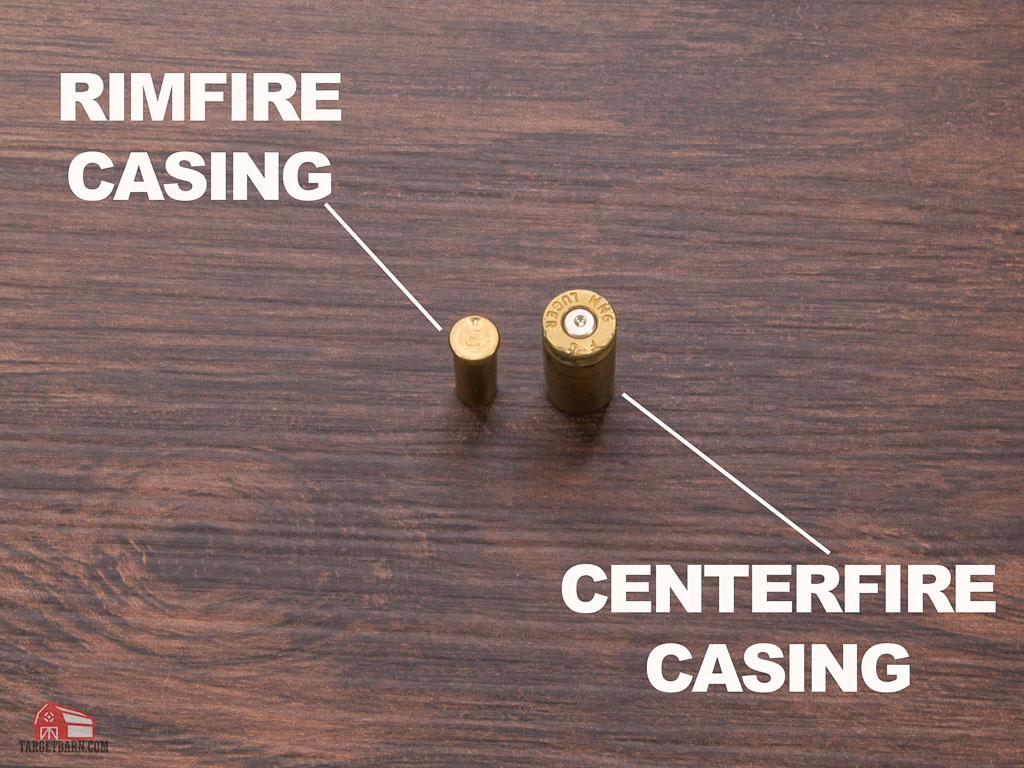
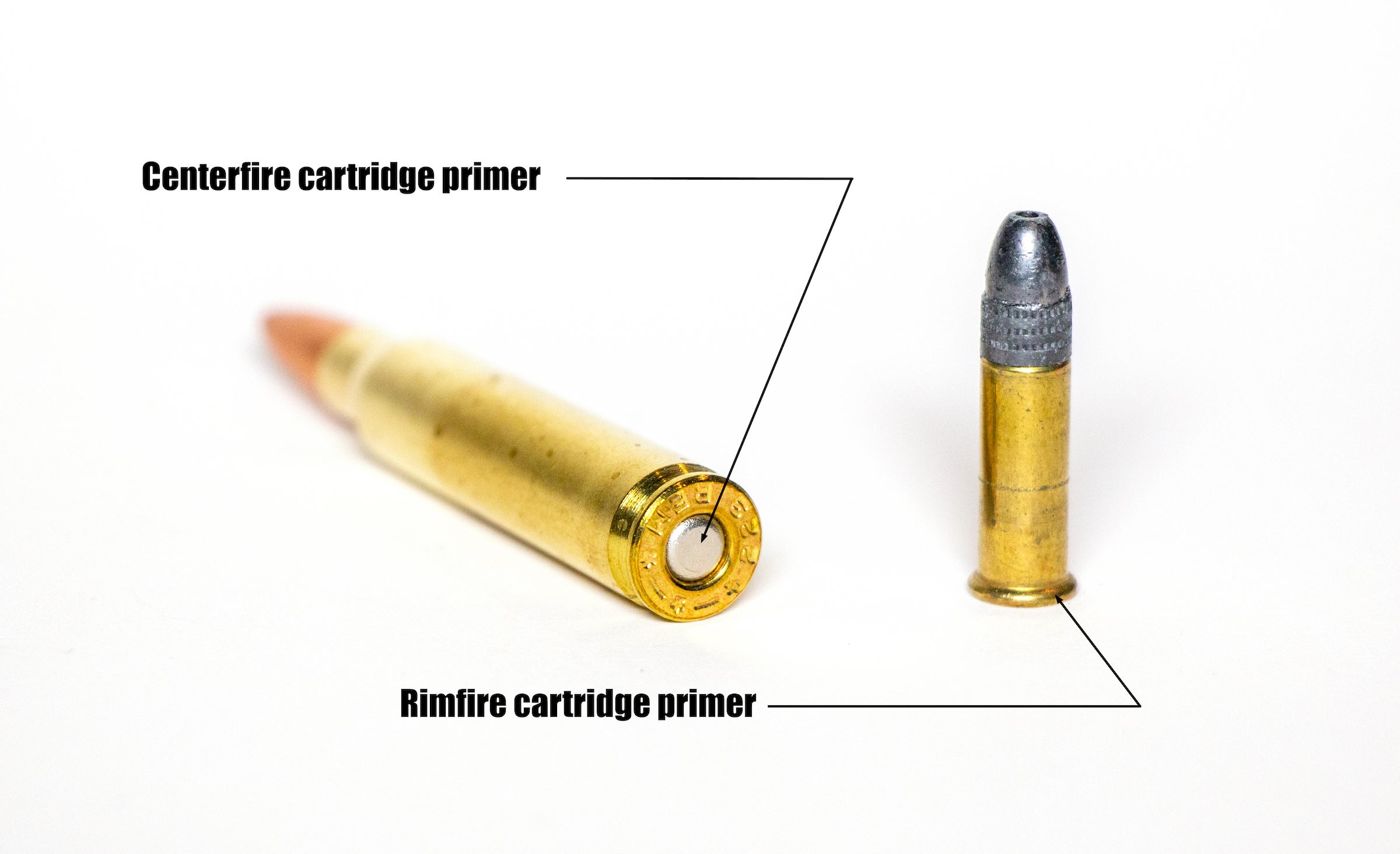
Centerfire cartridges are characterized by a primer that is a separate, self-contained component seated securely in a central pocket at the base of the cartridge case. This primer typically consists of a small metallic cup containing an impact-sensitive chemical compound (primer mix) and a small, often three-legged, metal anvil. When the firing pin of a firearm strikes the center of this primer cup, it compresses the primer mix against the anvil. The resulting impact generates sufficient friction and heat to detonate the primer mix, creating a focused flash of hot gas and sparks. This flash travels through a flash hole (or multiple flash holes) in the primer pocket, igniting the main propellant charge within the cartridge case.
This modular design offers several key technological advantages. Firstly, the primer’s central location and the robust construction of the primer pocket allow the cartridge case head to withstand significantly higher pressures without structural deformation. This engineering resilience is crucial for high-performance calibers used in a wide array of firearms, from pistols to high-powered rifles. Secondly, the separate primer design facilitates a highly controlled manufacturing process for the primer itself, ensuring consistent ignition and reliability across vast production runs. The precision of the primer’s composition and its mechanical integration within the case are critical engineering challenges that have been refined over more than a century of development, leading to exceptionally reliable ignition under diverse environmental conditions.
Rimfire Ignition: Simplicity and Integration
In contrast, rimfire cartridges integrate the priming compound directly into the hollow rim at the base of the cartridge case. The primer mix is spun or injected into the rim during the manufacturing process, effectively becoming an integral part of the case itself. When the firing pin strikes anywhere along the circumference of this hollow rim, it crushes the metal, compressing the primer mix within against the opposing inner surface of the rim. This compression and friction initiate the detonation of the primer compound, which in turn ignites the propellant charge contained within the cartridge case.
This design simplifies the manufacturing process by eliminating the need for a separate primer component and its associated seating operation. However, this simplicity comes with inherent structural and performance limitations. The thin, malleable metal of the rim must be capable of being deformed by the firing pin, which consequently limits the overall strength of the cartridge case head. This structural constraint means rimfire cartridges are generally designed for lower operating pressures compared to their centerfire counterparts. The manufacturing process of evenly distributing the primer compound within the rim is also a delicate operation, as inconsistencies can lead to misfires or hangfires—instances where ignition is delayed or fails altogether. The inherent integration of the primer within the case also means the case material is typically a softer brass or copper alloy, further limiting its ability to withstand extreme pressures.
Engineering and Manufacturing Implications
The fundamental ignition design has profound implications for the engineering, manufacturing, and material science of ammunition. These implications directly influence cartridge cost, performance ceilings, and the potential for technological reuse.
Centerfire Casings: Robustness, Reloadability, and Material Versatility
The robust design of centerfire cartridge cases is a testament to sophisticated metallurgical engineering. Typically made from brass (an alloy of copper and zinc), and sometimes steel or aluminum, centerfire cases are engineered for significant structural integrity. The thick, reinforced case head and the precisely machined primer pocket are designed to endure the immense pressures generated upon firing, often exceeding 60,000 pounds per square inch (psi) in rifle cartridges. This structural robustness is not only critical for safety and reliability but also underpins a significant technological advantage: reloadability.
The discrete primer pocket allows for the spent primer to be mechanically decapped (removed) after firing, and a new primer can be seated. This re-priming, combined with resizing the case (to restore its dimensions) and reloading with a new propellant charge and projectile, allows centerfire cases to be reused multiple times. This capability represents a significant economic and environmental benefit, reducing the overall lifecycle cost of ammunition and minimizing raw material consumption. From a manufacturing perspective, the ability to control individual components (case, primer, propellant, projectile) allows for precise tuning of ballistic performance for specific applications, enabling a vast array of specialized cartridge designs ranging from target shooting to long-range tactical applications. The material choices for centerfire cases can also be more diverse due to their inherent strength and the separation of the priming function.
Rimfire Casings: Material Limitations and Non-Reloadability
Rimfire casings are, by necessity, constructed from softer, more malleable metals, typically brass or a copper alloy, that can be easily deformed by a firing pin to crush the integrated priming compound. This material requirement imposes a significant limitation on the maximum pressures these cartridges can safely handle. Consequently, rimfire cartridges are almost exclusively produced in smaller calibers with lower powder charges, suitable for applications where extreme power is not required, such as target practice, pest control, and small game hunting.
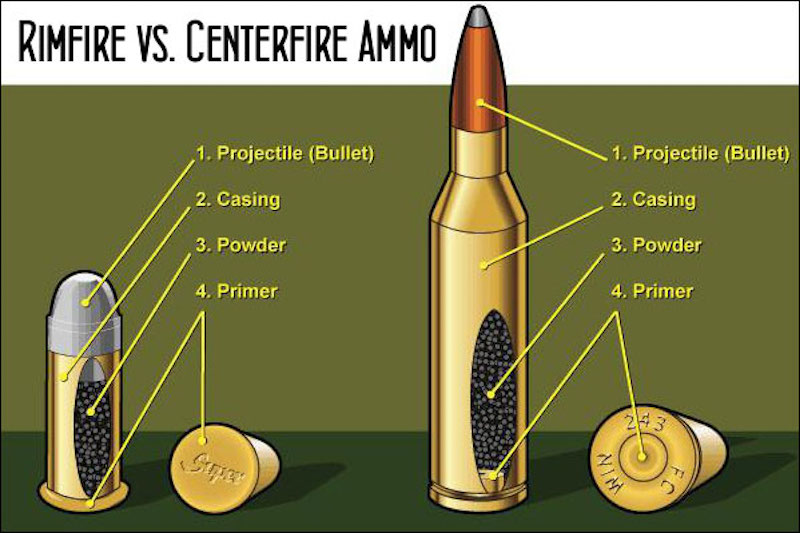
The most prominent engineering limitation of rimfire ammunition is its non-reloadability. Because the priming compound is an integral, consumable part of the case rim, the act of firing permanently deforms the rim and exhausts the primer. Attempting to reload a rimfire case would be impractical, unsafe, and economically unfeasible given the destructive nature of the ignition process on the case structure. This means rimfire ammunition is generally a single-use product, impacting its long-term cost-effectiveness for high-volume shooters compared to reloadable centerfire options. The manufacturing process for rimfire ammunition, while appearing simpler due to fewer components, requires precise control over the distribution of the priming compound within the rim to ensure consistent ignition, presenting its own set of quality control challenges.
Performance Characteristics and Applications
The technical distinctions in ignition and casing design directly translate into divergent performance envelopes and ideal applications for centerfire and rimfire ammunition.
Power and Pressure Handling: The Centerfire Advantage
The reinforced case head and separate primer design of centerfire cartridges are engineered to withstand significantly higher internal pressures. This allows for the use of more potent propellant charges and heavier, higher-velocity projectiles. This capability is critical for achieving greater muzzle energy, flatter trajectories, and enhanced terminal ballistics—factors crucial for hunting larger game, military applications, self-defense, and long-range precision shooting. Modern centerfire rifle cartridges can generate pressures well over 60,000 psi, driving projectiles at supersonic velocities exceeding 3,000 feet per second. This technological capacity for high performance underpins the vast majority of effective combat and sporting rifle and pistol designs. The ability to precisely control the ignition and manage extreme pressures is a hallmark of advanced cartridge engineering.
Cartridge Versatility and Caliber Range: A Spectrum of Applications
The technological design of centerfire ammunition enables an almost limitless array of cartridge sizes and power levels, ranging from small pistol calibers like 9mm to powerful magnum rifle cartridges. This versatility is due to the inherent scalability of the centerfire ignition system and case construction, allowing engineers to design cartridges for highly specific performance requirements. This includes subsonic cartridges for suppressed firearms, specialized armor-piercing rounds, or highly accurate target loads. The expansive “ecosystem” of centerfire ammunition reflects decades of innovation in metallurgy, propellant chemistry, and ballistic design.
Rimfire cartridges, constrained by their integrated primer system, are limited to lower pressure designs. The most common rimfire caliber, .22 Long Rifle (LR), operates at pressures typically below 24,000 psi. While effective for its intended purposes (small game, pest control, target practice, and training), this pressure ceiling limits the maximum power and projectile weight that can be safely achieved. The technological niche for rimfire cartridges is thus narrower, focusing on cost-effectiveness, reduced recoil, and suitability for smaller, less robust firearms.
Reliability and Durability in Diverse Conditions
Both ammunition types strive for high reliability, but their designs approach it differently. Centerfire ammunition, with its robust construction and dedicated primer, is generally considered more reliable under harsh conditions, including extreme temperatures and moisture, due to the sealed and protected nature of the primer and propellant. The consistent ignition of centerfire primers is a critical safety and performance feature, especially in scenarios where a misfire could have severe consequences.
Rimfire ammunition, while reliable for its intended applications, can be more susceptible to environmental factors. The thin rim, while necessary for ignition, can be prone to dents or damage that might affect primer function. Furthermore, the integration of the primer within the case can sometimes lead to less consistent primer distribution, potentially impacting ignition reliability compared to the meticulously manufactured individual primers of centerfire cartridges. However, modern manufacturing techniques have significantly improved rimfire reliability, making cartridges like the .22 LR exceptionally consistent for their intended use.
Technological Evolution and Modern Use
The parallel development of centerfire and rimfire ammunition technologies reflects distinct pathways in firearm engineering, each continually refined to meet evolving demands.
Historical Context: Divergent Paths
The earliest metallic cartridges were often rimfire designs, appearing in the mid-19th century as a simpler manufacturing solution for self-contained ammunition. Their initial simplicity and ease of production made them popular for early revolvers and rifles. However, as firearms technology advanced and the demand for higher power and reliability grew, the limitations of rimfire designs became apparent. The development of centerfire ammunition, with its robust separate primer, enabled the creation of cartridges capable of handling much greater pressures, leading to the powerful rifle and pistol cartridges that became standard by the late 19th and early 20th centuries. Centerfire technology essentially facilitated the advent of modern military and big-game hunting firearms.
Contemporary Relevance: Training, Sport, and High-Performance Systems
Today, both centerfire and rimfire technologies coexist, serving distinct but equally important niches in the global firearms landscape. Centerfire ammunition remains the choice for virtually all self-defense, military, law enforcement, and serious hunting applications due to its power, reliability, and versatility. Continuous technological advancements focus on propellant efficiency, projectile aerodynamics, and enhanced terminal performance for centerfire cartridges.
Rimfire ammunition, particularly the ubiquitous .22 LR, continues to thrive as an incredibly popular and cost-effective option for training, recreational target shooting, small game hunting, and pest control. Its low recoil and comparatively quiet report make it an ideal introductory caliber for new shooters. Innovations in rimfire technology often focus on manufacturing consistency, specialized projectile designs (e.g., for varmint control), and enhancing accuracy, ensuring its continued relevance as a foundational training and sporting caliber. Each system, refined over generations, represents a peak in its respective engineering design for specific applications within the broader field of ammunition technology.
aViewFromTheCave is a participant in the Amazon Services LLC Associates Program, an affiliate advertising program designed to provide a means for sites to earn advertising fees by advertising and linking to Amazon.com. Amazon, the Amazon logo, AmazonSupply, and the AmazonSupply logo are trademarks of Amazon.com, Inc. or its affiliates. As an Amazon Associate we earn affiliate commissions from qualifying purchases.