
In the vast and increasingly diverse beverage market, the terms “carbonated water” and “sparkling water” are often used interchangeably, leading to consumer confusion. However, from a brand strategy perspective, these distinctions are crucial, representing different product origins, marketing approaches, and consumer perceptions. While both deliver that satisfying effervescent fizz, understanding their nuances is key to appreciating how brands position themselves and communicate value in a crowded space.
The Core Distinction: Natural vs. Introduced Carbonation
The fundamental difference, often leveraged by brands, lies in the origin of their carbonation. This distinction forms the bedrock of marketing narratives and product positioning, influencing everything from packaging to pricing.
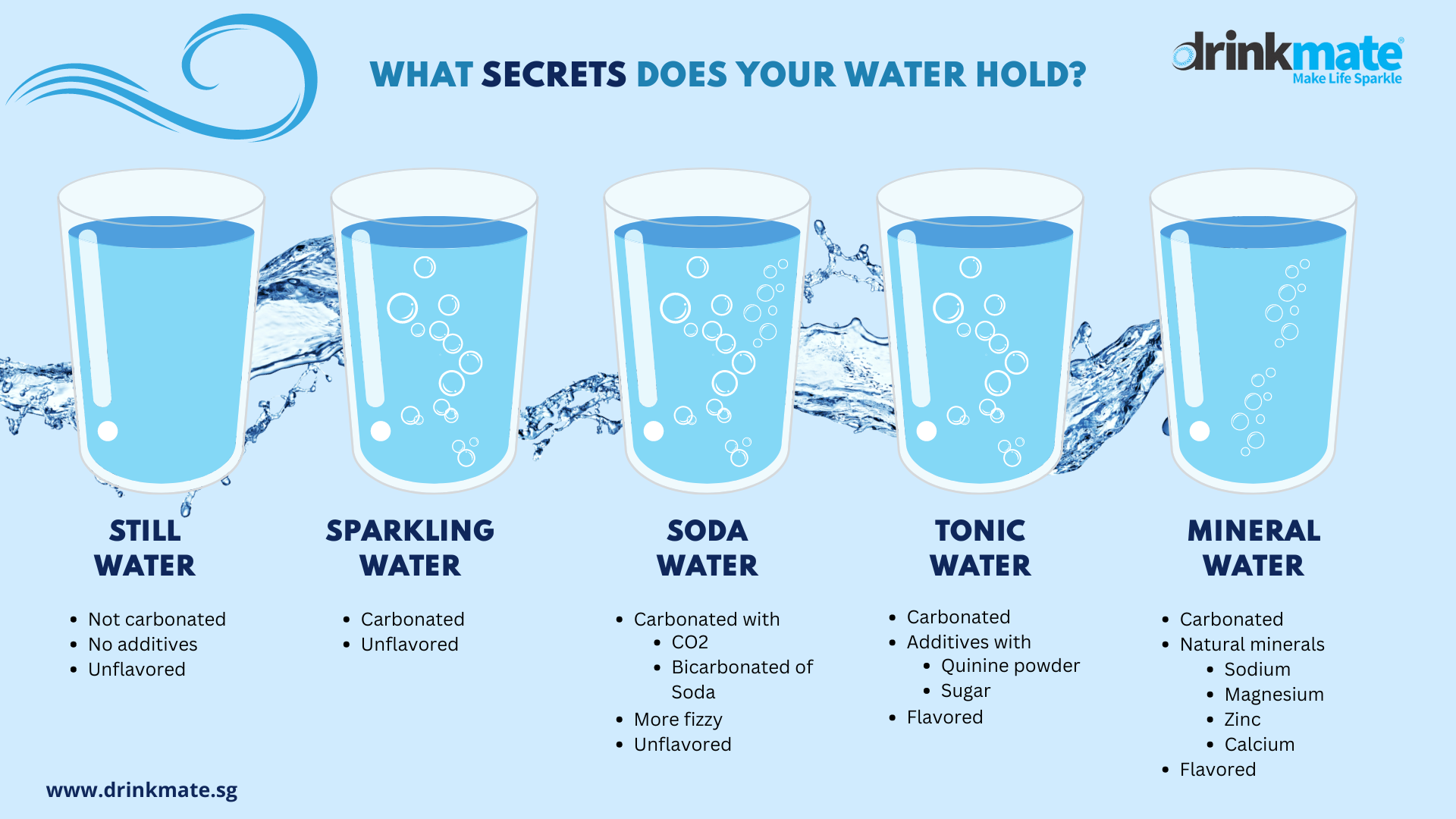
Natural Sparkling Water: Brand Authenticity and Origin Stories
Natural sparkling waters are those that emerge from the earth already carbonated, or with naturally occurring minerals and gases that contribute to their unique effervescence. Brands like Perrier, San Pellegrino, and Gerolsteiner capitalize heavily on this inherent authenticity. Their marketing strategies often emphasize geological origin, the specific mineral composition imparted by the earth, and a sense of “terroir” – much like wine.
These brands craft narratives around their pristine springs, historical heritage, and the natural filtration processes that create their distinctive taste profiles. The “sparkling” descriptor here evokes a sense of natural purity, premium quality, and a connection to nature. Packaging often reflects this, with classic bottle shapes, sophisticated labels, and imagery that subtly references their source. For consumers, choosing a natural sparkling water can be an affirmation of discerning taste, a preference for natural ingredients, and a willingness to invest in a product with a perceived richer backstory and inherent health benefits from natural minerals. The brand promise is often one of consistency in a naturally occurring product, celebrating the unique attributes bestowed by nature itself.
Carbonated Water (Seltzer): Versatility and Accessibility in Branding
“Carbonated water,” often synonymous with “seltzer,” typically refers to water that has had carbon dioxide gas artificially injected into it. This category is far more expansive and versatile, accommodating a wider range of brand strategies focused on accessibility, flavor innovation, and modern lifestyle integration. Brands in this space might include La Croix, Bubly, Spindrift, or various supermarket own-brand seltzers, as well as home carbonation systems like SodaStream.
The branding here shifts from geological origin to innovation, flavor, and function. Since the base is often purified tap water, the emphasis moves to what is added or done to the water. This allows for rapid iteration of flavor profiles, from classic lemon-lime to exotic fruit blends, often without added sugars or artificial sweeteners, appealing to health-conscious consumers seeking alternatives to sugary sodas. Marketing campaigns for these brands often highlight vibrant packaging, playful imagery, and a focus on refreshment, hydration, and versatility (e.g., as a mixer). The brand promise centers on convenience, variety, and an affordable, healthier everyday beverage option. They don’t seek to mimic the “natural” story of their sparkling counterparts but rather to create their own space based on customization and broad appeal.
Marketing Terminology: Crafting Consumer Perception
The choice between “sparkling” and “carbonated” is not merely semantic; it’s a strategic marketing decision that shapes consumer perception, influences purchasing intent, and defines a brand’s position within the beverage hierarchy.
“Sparkling” as a Premium Descriptor: Elevating the Experience
When a brand chooses the term “sparkling,” it often aims to convey a sense of elegance, sophistication, and a premium experience. This descriptor is intrinsically linked to naturalness and a higher perceived value. “Sparkling” conjures images of delicate bubbles, celebratory occasions, and refined taste. Brands using this term often position their products for specific consumption moments – accompanying meals, as a sophisticated non-alcoholic option, or as an indulgence.
The visual language accompanying “sparkling” products typically features sleek designs, muted color palettes, and typography that evokes classic luxury. Ingredients might highlight the natural mineral content, even if the primary benefit is the effervescence. This branding approach targets consumers who seek an elevated everyday experience and are willing to pay a premium for perceived quality, naturalness, and the prestige associated with certain brands. It’s about selling more than just water; it’s selling an aspirational lifestyle.
“Carbonated” as a Functional Descriptor: Clarity and Simplicity
Conversely, “carbonated water” or “seltzer” often communicates functionality, clarity, and simplicity. This terminology is less about luxury and more about directness – the product is water, with bubbles added. This directness can be a strength, particularly for brands focusing on broad market appeal, affordability, or specific functional benefits like hydration without added sugars.
Brands employing “carbonated” in their description tend to be more straightforward in their messaging. Packaging might be brighter, bolder, and more consumer-friendly, often emphasizing flavors or zero-calorie attributes. These products are positioned as versatile everyday beverages, suitable for any occasion, from lunchboxes to gym bags. They appeal to consumers looking for a simple, refreshing alternative to plain water or sugary drinks, prioritizing health and accessibility. The branding avoids pretense, focusing instead on tangible benefits and a diverse range of options.
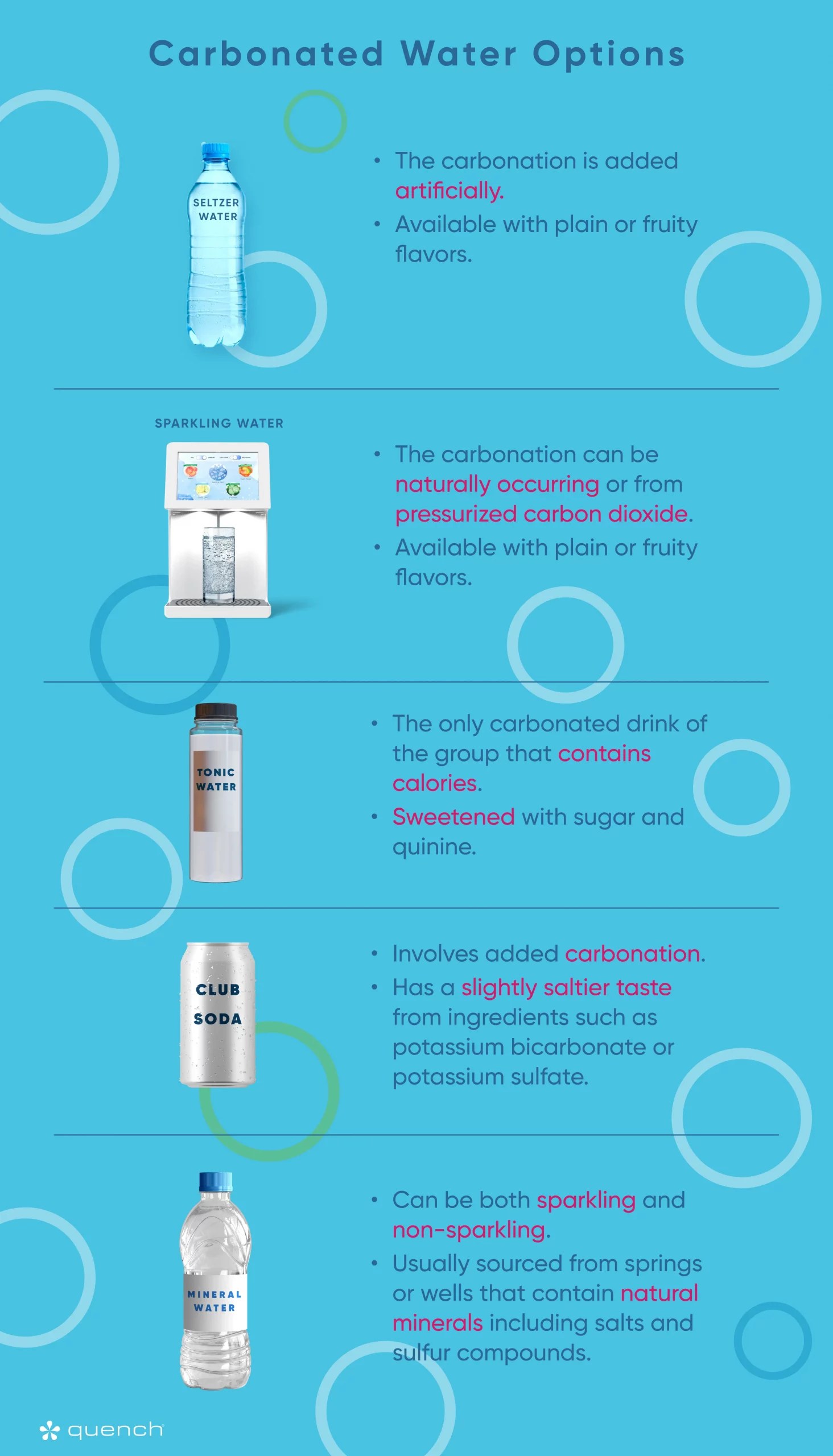
Brand Strategy in the Bubbly Beverage Market
Effective brand strategy in the carbonated beverage market involves a complex interplay of product differentiation, visual identity, and targeted marketing to carve out a distinct niche.
Differentiating Through Sourcing and Processing
Beyond the natural vs. introduced carbonation, brands further differentiate themselves by highlighting specific sourcing and processing methods. A natural sparkling water brand might emphasize its unique mineral profile, pH balance, or the sustainable practices used at its spring. This builds a narrative of purity and environmental responsibility.
For artificially carbonated waters, differentiation often comes from the water source itself (e.g., purified spring water vs. municipal water), the filtration processes, or the method of flavor infusion (e.g., “essence” vs. natural fruit extracts). Some brands highlight the absence of artificial ingredients, while others tout added functional benefits like electrolytes or adaptogens. These subtle distinctions become powerful marketing tools, allowing brands to justify price points and connect with specific consumer preferences regarding health and wellness.
Packaging and Visual Identity: Communicating Value
Packaging is a silent salesperson, particularly in the beverage aisle. For “sparkling” waters, glass bottles are often preferred, conveying a sense of premium quality, heritage, and environmental consciousness (reusability). Labels might feature elegant fonts, understated color palettes, and minimalist designs to reflect sophistication. The very feel of the bottle in hand can be part of the brand experience.
“Carbonated” waters, especially those emphasizing convenience and mass appeal, frequently opt for aluminum cans or PET plastic bottles. These materials are lighter, more durable, and often perceived as more portable and environmentally friendly (due to high recycling rates). Packaging designs are typically more vibrant, featuring bold colors and playful graphics that highlight flavors and a modern aesthetic. The choice of material, shape, and graphic design is a deliberate brand statement, communicating quality, convenience, and target demographic.
Target Audience and Market Positioning
Brand strategies are meticulously crafted to resonate with specific target audiences. Natural sparkling waters often target affluent consumers, foodies, and those who prioritize natural ingredients and a refined lifestyle. Their positioning might be alongside fine dining or gourmet products.
Artificially carbonated waters, with their broader flavor range and often more accessible price points, target a wider demographic. This includes health-conscious individuals seeking soda alternatives, young adults, families, and anyone looking for daily refreshment. Brands might position themselves as a healthy mixer, a flavorful hydration option, or an everyday treat. The advertising channels and messaging are tailored to reach these distinct groups, from high-end culinary magazines to social media campaigns featuring influencers.
The Evolving Landscape: Blurring Lines and Innovation
The beverage market is dynamic, and the traditional distinctions between carbonated and sparkling water are becoming increasingly fluid as brands innovate and respond to consumer demands.
Flavored Offerings and Functional Waters
The proliferation of flavored sparkling and carbonated waters has significantly blurred the lines. Brands that once solely offered unflavored options now feature extensive flavor lines, often using natural fruit essences. Furthermore, the rise of “functional waters” infused with vitamins, electrolytes, collagen, CBD, or adaptogens adds another layer of complexity. These products blend hydration with perceived health benefits, appealing to consumers looking for more from their beverages than just refreshment. Brands in this space must carefully craft their messaging to highlight their unique functional attributes while maintaining clarity about their base product.

Home Carbonation Systems: Empowering Personal Branding
The growing popularity of home carbonation systems like SodaStream represents a unique shift in the market. These systems empower consumers to create their own carbonated water, offering customization in terms of fizz level and flavor. From a branding perspective, this phenomenon gives consumers a sense of control and “personal branding” over their beverage choices. They become the “maker,” choosing their water source, their flavors, and their desired intensity. While not a traditional brand of sparkling or carbonated water, these systems represent a disruptive force that challenges established beverage brands to continually innovate and justify their value proposition beyond simply providing bubbles.
Ultimately, while the chemical composition of carbonated water and sparkling water may be similar (water + CO2), the strategic branding surrounding each term creates distinct market segments, consumer perceptions, and brand loyalties. Understanding this difference is crucial for both marketers aiming to position their products effectively and consumers navigating their beverage choices.
aViewFromTheCave is a participant in the Amazon Services LLC Associates Program, an affiliate advertising program designed to provide a means for sites to earn advertising fees by advertising and linking to Amazon.com. Amazon, the Amazon logo, AmazonSupply, and the AmazonSupply logo are trademarks of Amazon.com, Inc. or its affiliates. As an Amazon Associate we earn affiliate commissions from qualifying purchases.