
In the world of consumer packaged goods (CPG), the difference between two products is rarely found in a laboratory; rather, it is found in the mind of the consumer. Chemically speaking, pure cane sugar and standard granulated sugar (often derived from sugar beets) are nearly identical. Both are sucrose. Both provide four calories per gram. Both perform essentially the same functions in a kitchen. However, in the marketplace, they represent two vastly different brand strategies: the premiumized specialty product versus the efficient, price-sensitive commodity.
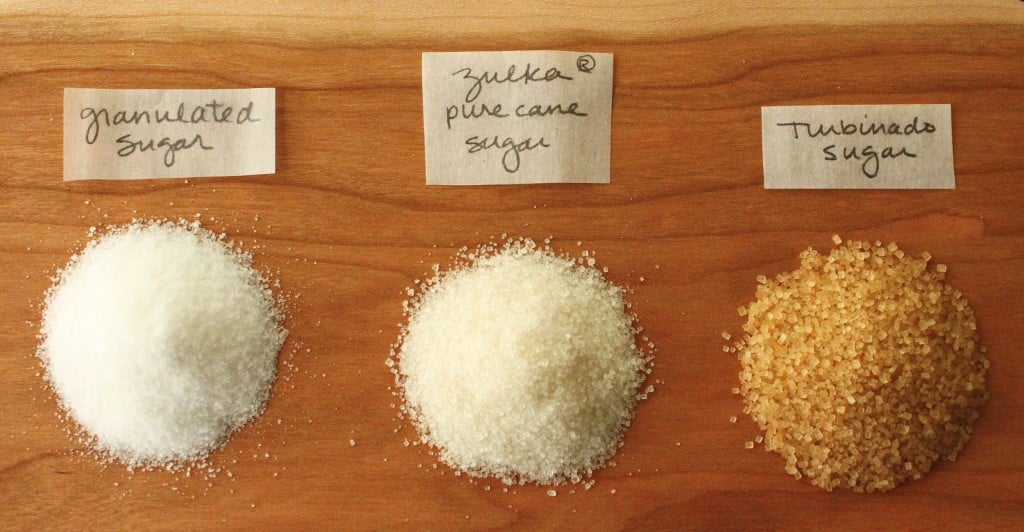
Understanding the difference between cane sugar and granulated sugar through the lens of brand strategy reveals a masterclass in how nomenclature, origin-storytelling, and “health halos” can transform a basic ingredient into a high-margin asset. For marketers and brand strategists, the “sugar divide” serves as a primary example of how to de-commoditize a product that is, for all intents and purposes, a chemical constant.
The Power of Naming: Semantic Branding in the Sugar Industry
In brand strategy, names carry the weight of expectation. The distinction between “Cane Sugar” and “Granulated Sugar” is not just descriptive; it is a tactical choice designed to evoke specific emotional and cognitive responses.
Commodity vs. Specialty: Why “Cane” Matters
The word “Cane” is a powerful brand identifier. It evokes imagery of lush tropical fields, manual harvests, and traditional agricultural processes. By labeling a product specifically as “Cane Sugar,” a brand is engaging in “origin branding.” This strategy moves the product away from the “industrial” category and into the “botanical” category.
When a brand highlights the source—the sugarcane plant—it creates a mental link to nature. This is a classic de-commoditization tactic. While “sugar” is a vague white powder, “Cane Sugar” is a gift from the earth. This semantic shift allows brands to command a higher price point, as consumers are conditioned to believe that source-specific products are superior to generic alternatives.
The Psychology of “Granulated”: The Generic Trap
On the other side of the aisle, “Granulated Sugar” is a functional name. It describes the physical state of the product (the granules) rather than its essence or origin. In branding terms, this is a “utility-first” naming convention. Most granulated sugar in the United States is a blend or is derived from sugar beets, but the branding rarely highlights this.
By sticking to the term “granulated,” these brands are signaling that they are the standard, the default, and the most cost-effective option. However, the “generic trap” means these brands struggle with loyalty. When a consumer sees “Granulated Sugar,” they are looking for the lowest price per pound, whereas a consumer looking for “Pure Cane Sugar” is looking for a specific quality promise.
Consumer Perception and the “Health Halo” Effect
One of the most sophisticated aspects of brand strategy is the creation of a “health halo”—the perception that a product is better for you based on one or two specific attributes, even if the nutritional profile is identical to its competitors.
The “Natural” Advantage of Cane Sugar
Cane sugar brands have successfully leveraged the perception that their product is “more natural” than beet-derived granulated sugar. Even though both undergo significant refining processes to reach their crystalline state, the brand narrative around cane sugar often focuses on “minimal processing.”
Strategically, this taps into the “clean label” movement. Brands that market “evaporated cane juice” or “raw cane sugar” are positioning themselves as the antidote to the ultra-processed food industry. By emphasizing the “naturalness” of the cane plant, these brands distance themselves from the industrial connotations of mass-produced sweeteners. This isn’t about science; it’s about the brand’s alignment with the consumer’s lifestyle values.
Transparency and Trust in Source-Based Branding
In the modern era of branding, transparency is a currency. Brands that specify “100% Cane Sugar” are providing a level of transparency that generic “Granulated Sugar” brands lack. Even if the consumer doesn’t fully understand the chemical differences, the act of specifying the source builds trust.
When a brand hides behind a generic name, it risks being perceived as “mysterious” or “industrial.” By contrast, cane sugar brands lean into their identity. This transparency serves as a defensive moat against the growing consumer skepticism toward “hidden” ingredients. In the eyes of a brand strategist, the word “Cane” is an insurance policy for consumer trust.

Premiumization Strategies: Transforming a Commodity into a Luxury
How does a company sell a 4-pound bag of sugar for double the price of the store brand? The answer lies in premiumization—a brand strategy designed to make a product feel indispensable and high-status.
Packaging and Visual Identity
If you look at the packaging of premium cane sugar brands versus generic granulated sugar, the design language is night and day. Generic granulated sugar often uses bright, primary colors and plastic-heavy packaging that screams “value.”
Premium cane sugar brands, however, frequently use earthy tones, matte finishes, and craft-paper textures. This visual identity signals to the shopper that this is an artisanal product. The design is intended to look at home in a high-end kitchen, sitting next to organic flour and fair-trade coffee. The branding transforms the sugar from a hidden baking necessity into a visible statement of the baker’s commitment to quality.
Pricing Tiers: Establishing Value Beyond Utility
In brand strategy, price is a signal of quality. By pricing cane sugar significantly higher than beet-derived granulated sugar, brands create a psychological tier system.
Many brands use a “Good-Better-Best” hierarchy. “Granulated sugar” is the “Good” (the baseline). “Pure Cane Sugar” is the “Better” (for the everyday baker who wants quality). “Organic, Fair-Trade Raw Cane Sugar” is the “Best” (for the conscious consumer). This tiered approach allows a single company to capture different segments of the market while using the “Cane” designation to justify the jump in price. The brand isn’t just selling sugar; it’s selling the feeling of being a “better” consumer.
Brand Loyalty and the “Pure” Narrative
The ultimate goal of any brand strategy is to move the consumer from a rational purchase (“I need sugar for this cake”) to an emotional one (“I only bake with this specific brand because it’s the best”).
Narrative-Driven Marketing: From Plantation to Pantry
Cane sugar brands often employ storytelling that emphasizes heritage. Whether it’s the history of a specific Caribbean estate or the legacy of a family-owned sugar mill, these narratives provide a “soul” to an otherwise inanimate product.
In contrast, granulated sugar brands rarely have a story. They are products of the supply chain, not products of a place. By tethering their identity to a narrative of “purity” and “tradition,” cane sugar brands create an emotional resonance that generic competitors cannot match. This story becomes a key differentiator in the crowded grocery aisle, giving the consumer a reason to choose one bag over another based on values rather than just price.
Sustainability and Ethics as Brand Pillars
As environmental and social governance (ESG) becomes a priority for consumers, the branding of cane sugar has shifted toward sustainability. Many cane sugar brands now highlight “non-GMO” certifications, fair-trade practices, and regenerative farming techniques.
This is a strategic move to capitalize on the “conscious consumer” trend. By branding cane sugar as the ethical choice, companies are appealing to a demographic that is willing to pay a premium for peace of mind. While granulated sugar (especially from beets, which are often genetically modified to resist pesticides) struggles with this narrative, cane sugar brands have successfully positioned themselves as the “cleaner” and “kinder” option.
Conclusion: The Triumph of Branding Over Chemistry
In the final analysis, the difference between cane sugar and granulated sugar is a testament to the power of strategic brand management. While the two products may be nearly indistinguishable in a blind taste test or a chemical analysis, they occupy completely different spaces in the commercial landscape.
Granulated sugar is a triumph of efficiency and scale—a branding strategy built on the promise of reliability and low cost. Cane sugar is a triumph of identity and positioning—a strategy built on origin, perceived health benefits, and premium quality.
For brands looking to survive in the competitive world of CPG, the sugar industry provides a vital lesson: You do not need to change the molecules of your product to change its value. You only need to change the story you tell about it. By emphasizing the “Cane,” brands have successfully turned a white powder into a premium experience, proving that in the world of marketing, perception is the most potent ingredient of all.
aViewFromTheCave is a participant in the Amazon Services LLC Associates Program, an affiliate advertising program designed to provide a means for sites to earn advertising fees by advertising and linking to Amazon.com. Amazon, the Amazon logo, AmazonSupply, and the AmazonSupply logo are trademarks of Amazon.com, Inc. or its affiliates. As an Amazon Associate we earn affiliate commissions from qualifying purchases.