
Navigating the landscape of retirement savings can often feel like deciphering a complex financial code. Among the most fundamental choices for individual investors are the Traditional Individual Retirement Account (IRA) and the Roth IRA. While both serve as powerful vehicles for accumulating wealth for retirement, their core mechanisms — particularly concerning tax treatment — present distinct advantages and disadvantages that warrant careful consideration. Understanding these differences is crucial for making an informed decision that aligns with your financial goals and tax outlook, both today and in the future.
Understanding Traditional IRAs
The Traditional IRA is a long-standing retirement savings vehicle, offering tax benefits that can reduce your taxable income in the present. It functions on a principle of tax deferral, meaning you typically don’t pay taxes on the money until you withdraw it in retirement.

Tax-Deductible Contributions
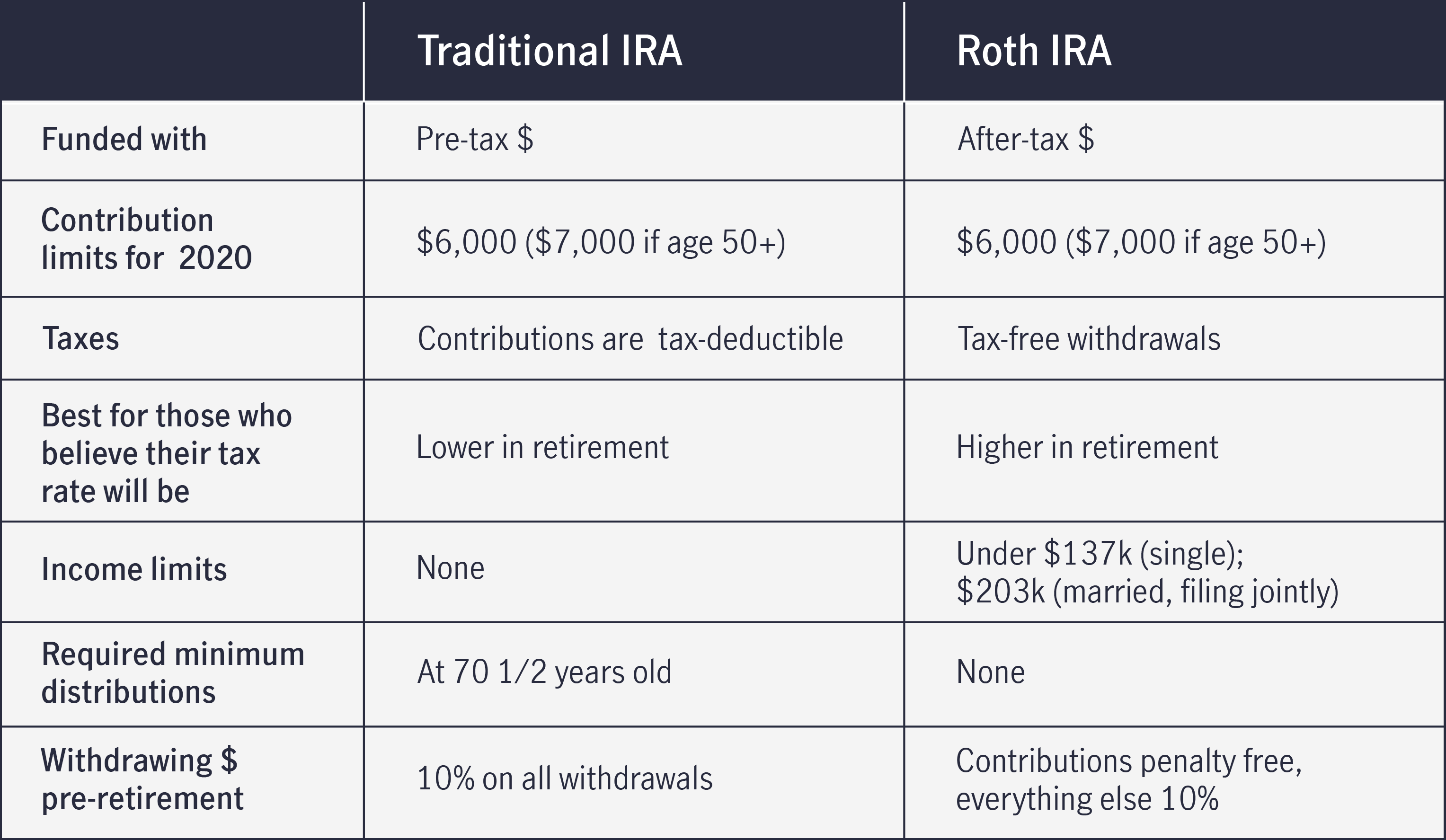
A primary allure of the Traditional IRA is the potential for tax-deductible contributions. If you meet certain income and employer-sponsored plan criteria, the money you contribute to a Traditional IRA can be subtracted from your gross income, lowering your current taxable income. This deduction can be particularly advantageous for individuals in higher tax brackets, as it immediately reduces their tax liability. For instance, contributing $6,000 to a Traditional IRA could reduce your taxable income by $6,000, potentially saving you hundreds or even thousands of dollars in taxes in the contribution year. It’s important to note that the deductibility of contributions can be phased out or eliminated if you (or your spouse) are covered by a retirement plan at work and your modified adjusted gross income (MAGI) exceeds certain thresholds. If you are not covered by a workplace plan, your contributions are generally fully deductible regardless of income.
Tax-Deferred Growth
Once contributions are made, the funds within a Traditional IRA grow tax-deferred. This means that any interest, dividends, or capital gains generated by your investments are not taxed year-to-year. Instead, taxes are postponed until you begin taking withdrawals in retirement. This compounding effect, unhindered by annual taxation, allows your investments to grow more aggressively over time. For example, an investment earning 7% annually would retain the full 7% gain, rather than having a portion siphoned off for taxes each year, leading to significantly larger sums over decades.
Taxable Withdrawals in Retirement
When you reach retirement and begin withdrawing money from your Traditional IRA, these distributions are generally taxed as ordinary income. The assumption here is that by retirement, you might be in a lower tax bracket than you were during your peak earning years, making the deferred tax less impactful. Withdrawals before age 59½ are typically subject to a 10% early withdrawal penalty, in addition to being taxed as ordinary income, unless an exception applies (such as for qualified higher education expenses or a first-time home purchase).
Required Minimum Distributions (RMDs)
One significant characteristic of Traditional IRAs is the mandate for Required Minimum Distributions (RMDs). The IRS requires individuals to begin withdrawing money from their Traditional IRAs once they reach a certain age (currently 73, though it has changed and may change again). These RMDs are calculated based on your account balance and life expectancy. Failing to take RMDs or taking insufficient amounts can result in a hefty penalty, historically 50% of the amount not withdrawn (reduced to 25% and potentially 10% in some cases by recent legislation), underscoring the importance of adherence to these rules.
Unpacking Roth IRAs
The Roth IRA, introduced in 1997, operates on a fundamentally different tax principle: “pay taxes now, enjoy tax-free growth and withdrawals later.” This distinction makes it an exceptionally powerful tool for long-term savings, particularly for those who anticipate being in a higher tax bracket in retirement.
After-Tax Contributions
Unlike Traditional IRAs, contributions to a Roth IRA are made with after-tax dollars. This means your contributions are not tax-deductible in the year they are made, and they do not reduce your current taxable income. While this might seem less appealing upfront, it’s the foundation for the Roth’s significant long-term tax advantages. The initial sacrifice of a tax deduction paves the way for a potentially greater benefit down the line.
Tax-Free Growth and Qualified Withdrawals
The most compelling feature of a Roth IRA is its tax-free growth and qualified withdrawals. Once your contributions are in the account, all earnings grow tax-free. More importantly, when you take distributions in retirement, those withdrawals — including all the accumulated earnings — are entirely tax-free, provided certain conditions are met. To be considered a “qualified withdrawal,” two criteria must be satisfied: the account must have been open for at least five years (known as the five-year rule), and the account holder must be at least 59½ years old, permanently disabled, or using the funds for a first-time home purchase (up to a $10,000 lifetime limit). This means you never have to worry about the tax implications of your withdrawals, offering unparalleled peace of mind and predictability in retirement income.
No Required Minimum Distributions (RMDs) for the Original Owner
Another significant advantage of the Roth IRA is that the original owner is not subject to Required Minimum Distributions (RMDs) during their lifetime. This provides immense flexibility, allowing individuals to let their money continue to grow tax-free for as long as they wish, or to leave it to beneficiaries. This feature makes Roth IRAs excellent estate planning tools, as beneficiaries can inherit the account and potentially continue to benefit from its tax-free growth (though beneficiaries may be subject to RMDs depending on their relationship to the original owner and the specific rules in place).
Income Limits for Contributions
While Roth IRAs offer substantial benefits, eligibility to contribute directly to one is subject to income limitations. If your modified adjusted gross income (MAGI) exceeds certain thresholds, your ability to contribute directly to a Roth IRA may be phased out or eliminated entirely. For those whose income surpasses these limits, a “backdoor Roth IRA” strategy is often utilized, involving contributing to a non-deductible Traditional IRA and then converting it to a Roth IRA.
Key Distinctions and Strategic Implications
The fundamental difference between a Traditional IRA and a Roth IRA boils down to when you receive your tax break: now or later. This distinction drives several strategic implications that can significantly impact your long-term financial planning.
Tax Treatment: Present vs. Future
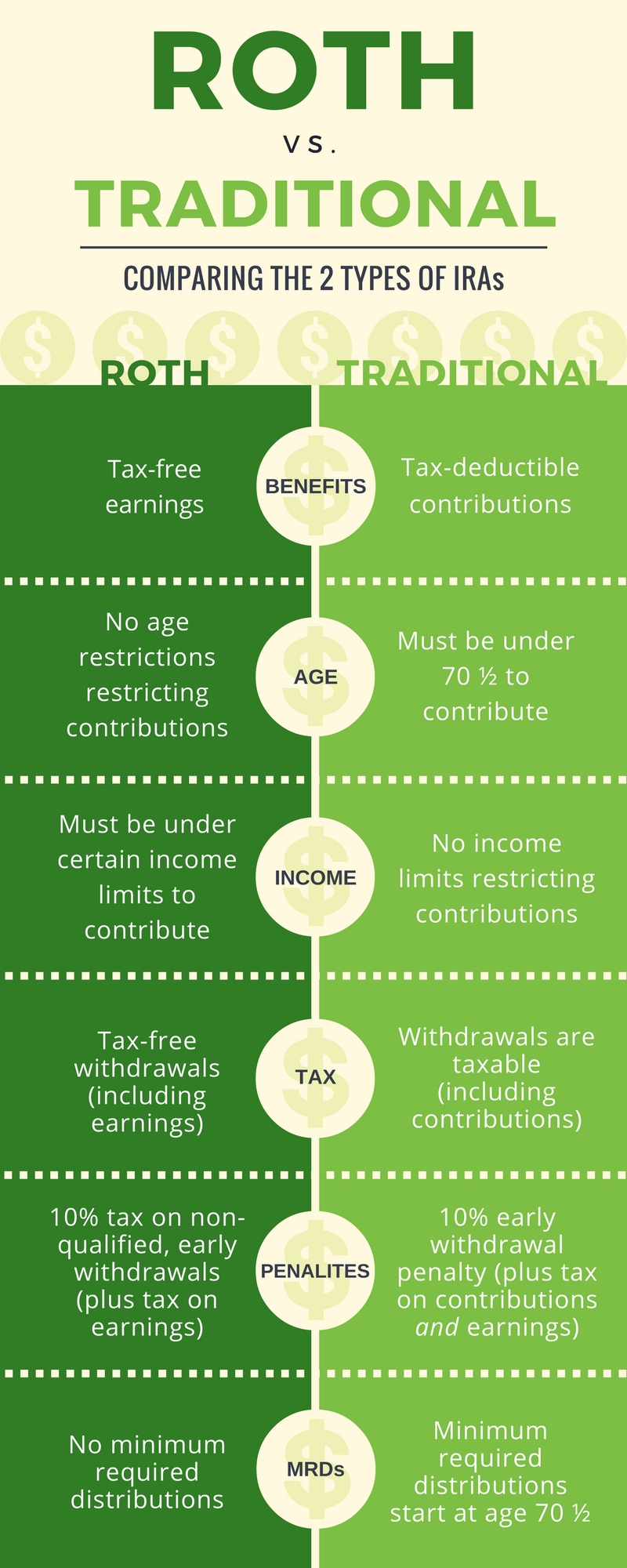
The core difference lies in the timing of tax benefits. A Traditional IRA offers an immediate tax deduction, reducing your taxable income today. This is ideal if you expect to be in a lower tax bracket in retirement than you are currently. Conversely, a Roth IRA offers no upfront tax deduction but provides tax-free withdrawals in retirement. This strategy is more advantageous if you anticipate being in a higher tax bracket during your retirement years or if tax rates in general are expected to rise in the future. The decision often hinges on your projection of your future tax situation relative to your current one.
Contribution Eligibility and Income Phase-Outs
Both types of IRAs have contribution limits (which are the same for both in a given year, e.g., $7,000 for 2024, or $8,000 if age 50 or over). However, direct Roth IRA contributions are subject to income limitations, where contributions are phased out and eventually disallowed as MAGI increases. Traditional IRA contributions have deductibility limits based on income and participation in an employer-sponsored retirement plan, but anyone can contribute to a non-deductible Traditional IRA regardless of income. This distinction can influence which account is directly accessible to higher-income earners.
Withdrawal Rules and Penalties
Withdrawal rules differ significantly. Traditional IRA withdrawals are taxed as ordinary income in retirement and are subject to RMDs. Early withdrawals (before 59½) are generally penalized. Roth IRA qualified withdrawals are tax-free and penalty-free, and the original owner faces no RMDs. It’s crucial to remember that Roth IRA contributions can be withdrawn tax-free and penalty-free at any time, as they were already taxed. This offers a degree of liquidity that Traditional IRAs do not. However, withdrawing earnings prematurely (before the five-year rule and age 59½) will incur income tax and a 10% penalty.
Estate Planning Considerations
For estate planning, the Roth IRA holds a distinct advantage due to its lack of RMDs for the original owner and the tax-free nature of qualified withdrawals for beneficiaries. This allows the Roth IRA to function as a powerful generational wealth transfer tool, potentially growing tax-free for years even after the original owner’s death, though beneficiaries will be subject to RMDs over a ten-year period in most cases. Traditional IRAs, on the other hand, become fully taxable to beneficiaries upon withdrawal, and beneficiaries are also subject to RMDs.
Deciding Which is Right for You
The choice between a Traditional IRA and a Roth IRA is not one-size-fits-all. It requires a thoughtful assessment of your current financial situation, future expectations, and risk tolerance for tax changes.
Current vs. Future Tax Brackets
The most critical factor in your decision should be your projection of your tax bracket now versus in retirement.
- Choose Traditional IRA if: You believe you are in a higher tax bracket today than you will be in retirement. The immediate tax deduction provides the greatest benefit.
- Choose Roth IRA if: You believe you are in a lower tax bracket today than you will be in retirement, or if you anticipate tax rates will generally increase in the future. The promise of tax-free income in retirement is highly attractive.
- Consider a mix: Many financial advisors recommend diversifying your tax exposure by contributing to both tax-deferred (Traditional 401(k), Traditional IRA) and tax-free (Roth 401(k), Roth IRA) accounts. This strategy provides flexibility, allowing you to draw from whichever account offers the most favorable tax treatment at the time of withdrawal in retirement.
Flexibility and Access to Funds
For those who value flexibility, the Roth IRA offers an edge. Because contributions are made with after-tax dollars, you can withdraw your principal contributions from a Roth IRA at any time, tax-free and penalty-free, regardless of age or how long the account has been open. While not recommended as an emergency fund, this feature offers a unique layer of accessibility that Traditional IRAs do not provide for early withdrawals without penalty.
Employer-Sponsored Plans and Contribution Limits
Remember that IRA contribution limits are separate from employer-sponsored plans like 401(k)s. You can contribute to both an IRA (Traditional or Roth) and a 401(k) in the same year. If your employer offers a Roth 401(k), you can combine the benefits of an employer-sponsored plan with the tax-free withdrawal advantage of a Roth, further enhancing your retirement savings strategy. The decision between a Traditional IRA and a Roth IRA should be viewed within the broader context of your entire financial plan, including any workplace retirement accounts and other investment vehicles. Consulting with a qualified financial advisor can provide personalized guidance tailored to your unique circumstances and help you optimize your retirement savings strategy.
aViewFromTheCave is a participant in the Amazon Services LLC Associates Program, an affiliate advertising program designed to provide a means for sites to earn advertising fees by advertising and linking to Amazon.com. Amazon, the Amazon logo, AmazonSupply, and the AmazonSupply logo are trademarks of Amazon.com, Inc. or its affiliates. As an Amazon Associate we earn affiliate commissions from qualifying purchases.