
In the realm of personal finance, few decisions carry as much weight as the selection of a health insurance plan. While it is often viewed through the lens of medical necessity, choosing between a Health Maintenance Organization (HMO) and a Preferred Provider Organization (PPO) is, at its core, a sophisticated exercise in risk management and cash flow optimization. For the savvy consumer, understanding these two structures is not just about knowing which doctors you can see; it is about managing one of the largest recurring expenses in a household budget.
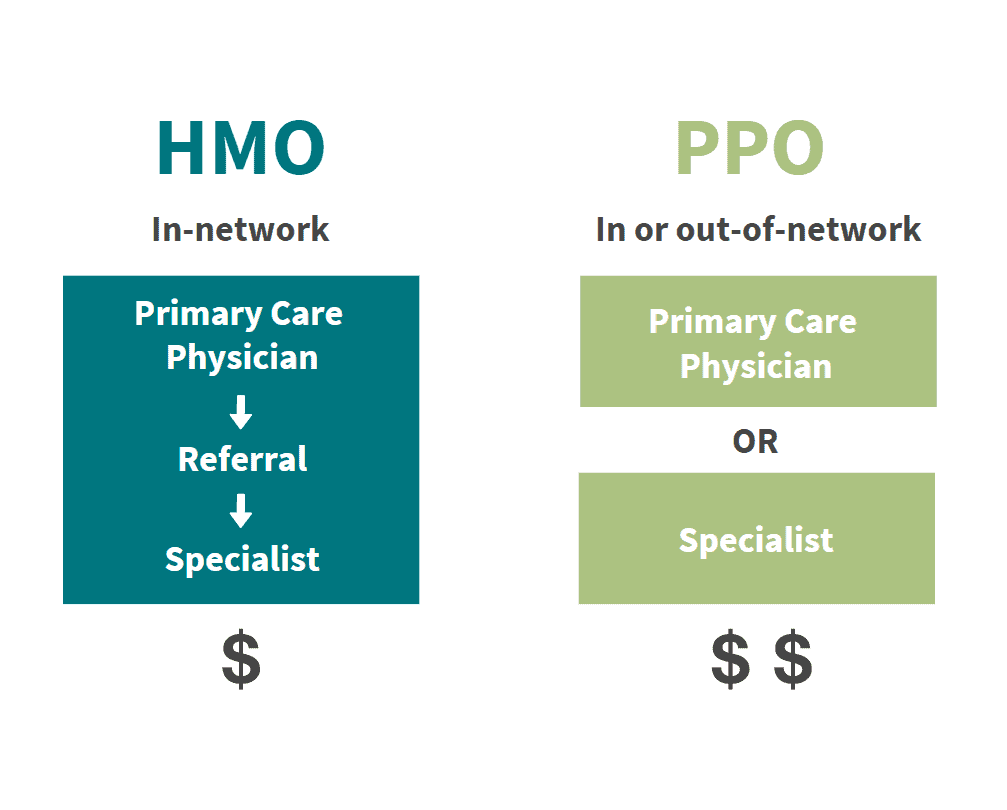
The choice between an HMO and a PPO represents a fundamental trade-off between cost and flexibility. As healthcare costs continue to outpace inflation, the ability to navigate these systems becomes a critical component of wealth preservation. This guide explores the intricate financial mechanics of HMOs and PPOs to help you determine which model aligns with your long-term financial strategy.
1. The Financial Fundamentals: Understanding Managed Care Models
To make an informed financial decision, one must first understand the structural differences that dictate how money flows from your bank account to healthcare providers. Both HMOs and PPOs are forms of “managed care,” designed to control costs while maintaining a standard of service, but they achieve this through different economic incentives.
Defining the HMO Model: Efficiency and Lower Entry Costs
A Health Maintenance Organization (HMO) is designed for maximum cost-efficiency. From a financial perspective, the HMO operates on a “closed” system. You are required to choose a Primary Care Physician (PCP) who acts as a “gatekeeper” for your healthcare spending. In this model, the insurance company negotiates deeply discounted rates with a specific network of providers.
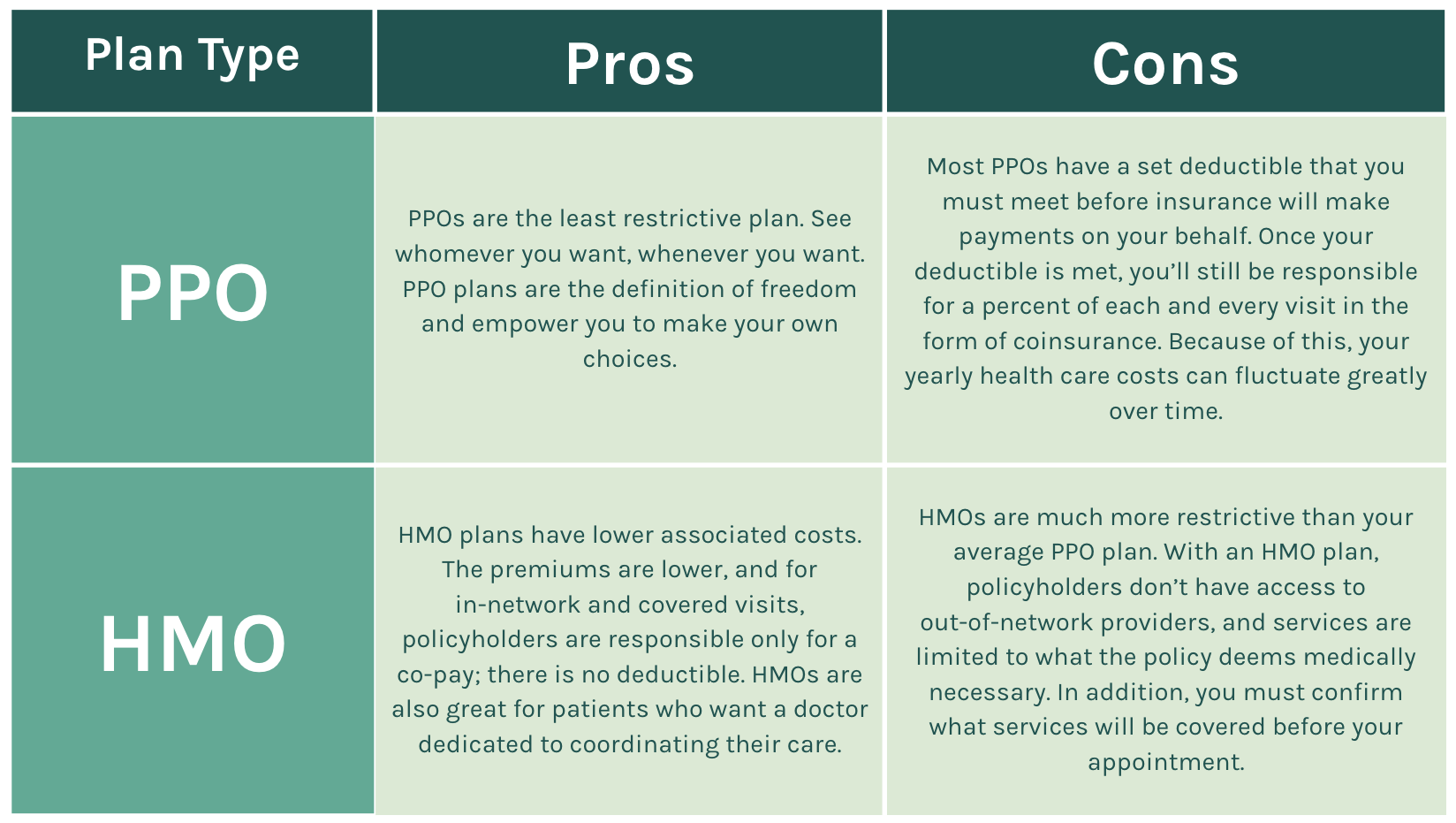
The primary financial benefit of an HMO is its predictability. Monthly premiums are typically lower than those of PPOs, and out-of-pocket costs like co-pays are often fixed and modest. However, the trade-off is a lack of financial coverage for any care received outside of the network, except in cases of true emergencies. For the budget-conscious individual, the HMO serves as a low-premium vehicle that rewards staying within a strict ecosystem.
Understanding the PPO Structure: Paying for Optionality
A Preferred Provider Organization (PPO) is built on the principle of flexibility and consumer choice. Unlike the HMO, a PPO does not require you to select a PCP, nor do you need a referral to see a specialist. Economically, a PPO is an “open” system.
The PPO model uses a tiered pricing structure. If you stay “in-network,” you receive care at a negotiated rate, similar to an HMO. However, if you choose an “out-of-network” provider, the insurance company will still cover a portion of the cost, though at a significantly lower percentage. This flexibility comes at a premium—literally. PPO plans almost always command higher monthly premiums and often feature higher deductibles, making them a more expensive choice for the “just in case” convenience of seeing any doctor in the country.
2. Direct Cost Comparisons: Premiums, Deductibles, and Out-of-Pocket Maxima
When evaluating these plans as financial products, we must look at the “total cost of ownership.” This includes the guaranteed monthly expense (premiums) and the variable expenses (deductibles, co-pays, and co-insurance).
The Allure of Lower HMO Premiums and Fixed Co-pays
For many young professionals or families on a tight budget, the HMO is the gold standard for cash flow management. Because the network is restricted and the gatekeeper system prevents unnecessary (and expensive) specialist visits, the insurance company passes those savings on to the policyholder in the form of lower premiums.
Furthermore, HMOs often utilize a co-pay system rather than co-insurance. A co-pay is a flat fee (e.g., $25 for an office visit), whereas co-insurance is a percentage of the total bill (e.g., 20%). In a high-cost medical environment, a flat co-pay is a powerful tool for financial stability, as it prevents a single expensive procedure from draining a savings account unexpectedly.
Paying for PPO Flexibility: The Hidden Cost of Choice
The PPO is often the preferred choice for high-net-worth individuals or those with complex medical needs who value the ability to seek the “best” care regardless of network. However, the financial burden is twofold. First, the monthly premium is higher to compensate for the insurer’s lack of control over where you seek care.
Second, PPOs are more likely to utilize deductibles and co-insurance. You might have to pay $3,000 out-of-pocket before the insurance kicks in at 80%, leaving you responsible for the remaining 20%. While this allows for more freedom, it introduces significant volatility into your monthly budget. A single surgery could result in thousands of dollars in co-insurance costs that would have been a simple $250 co-pay under an HMO.

The Role of the Deductible in Wealth Management
The deductible is the amount you pay before your insurance starts to cover costs. Generally, HMOs have lower or even zero-dollar deductibles, whereas PPOs frequently feature higher deductibles. From a personal finance standpoint, a high-deductible PPO requires a larger “emergency fund” dedicated specifically to healthcare. If you opt for a PPO, your liquid cash reserves must be sufficient to cover the full deductible at any moment, which is a significant factor in your overall asset allocation.
3. The Network Effect: The Hidden Financial Risks of Care
The most significant financial trap in health insurance is the “out-of-network” bill. How HMOs and PPOs handle these scenarios can mean the difference between financial security and medical bankruptcy.
The Gatekeeper System: A Double-Edged Sword
In an HMO, your Primary Care Physician (PCP) controls the flow of medical spending. While this can feel restrictive, it protects you financially from “surprise billing.” Since you must get a referral for a specialist, the HMO ensures that the specialist is in-network before the appointment occurs.
However, the risk lies in the “referral-only” mandate. If you seek specialist care without a referral, the HMO will generally pay $0. In this scenario, the policyholder is responsible for 100% of the bill at the provider’s retail rate, which can be five to ten times higher than the negotiated insurance rate. In the HMO world, following the rules is the only way to protect your capital.
Out-of-Network Penalties and the PPO Safety Net
PPOs offer a safety net that HMOs do not: “out-of-network” coverage. While it is always more expensive to see a doctor outside the preferred network, a PPO will typically pay a percentage (often 50-60%) of what they deem the “allowable amount.”
From a financial planning perspective, this is a form of catastrophic insurance. It prevents you from being liable for the entire bill if you need a specific specialist who doesn’t accept your plan. However, consumers must be wary of “balance billing,” where the provider charges more than the insurer’s “allowable amount.” Even with a PPO, an out-of-network visit can lead to substantial financial leakage that disrupts long-term investment goals.
Regional vs. National Coverage
Another financial consideration is the geographic reach of the network. HMOs are typically local or regional. If you travel frequently for business or own properties in multiple states, an HMO could leave you financially vulnerable outside your home base. PPOs, conversely, often have national networks. For a digital nomad or a frequent traveler, the higher cost of a PPO premium is essentially a “mobility tax” that ensures you won’t face massive out-of-pocket costs while away from home.
4. Strategic Financial Planning: Aligning Your Plan with Your Wealth Goals
Selecting a health plan should not be a reactive decision made during an open enrollment deadline. Instead, it should be an integrated part of your broader financial strategy, taking into account tax advantages and expected utilization.
Assessing Your Healthcare Utilization Rate
To choose the most cost-effective plan, you must perform a “breakeven analysis.” Total the annual premiums for both an HMO and a PPO. Then, estimate your annual healthcare usage.
- Low Utilizers: If you are healthy and rarely see a doctor, the HMO is almost always the financially superior choice. The “saved” premium dollars can be redirected into a brokerage account or a retirement fund.
- High Utilizers: If you have chronic conditions or see specialists regularly, the PPO might actually save you money in the long run by allowing you to bypass the administrative hurdles of referrals and providing better access to specialized, high-cost treatments that might not be available in a restricted HMO network.
Tax-Advantaged Accounts: The HSA vs. FSA Factor
The financial power of a health plan is often amplified by the tax-advantaged accounts it supports. Many PPOs are “High Deductible Health Plans” (HDHPs), which makes you eligible for a Health Savings Account (HSA).
The HSA is arguably the most powerful investment vehicle in the U.S. tax code. Contributions are tax-deductible, growth is tax-free, and withdrawals for medical expenses are tax-free (the “triple tax advantage”). If you can afford the higher out-of-pocket costs of a PPO/HDHP, the ability to invest your HSA funds in the stock market can result in hundreds of thousands of dollars in additional wealth by retirement. HMOs typically pair with Flexible Spending Accounts (FSAs), which have a “use-it-or-lose-it” rule, making them less effective for long-term wealth building.
Long-term Wealth Impact: The Opportunity Cost of Choice
Finally, consider the opportunity cost. If a PPO costs $200 more per month in premiums than an HMO, that is $2,400 per year. If that sum were invested in a diversified index fund with a 7% annual return, it would grow to over $100,000 in 20 years.
When choosing between an HMO and a PPO, you aren’t just choosing a doctor; you are choosing where your capital goes. If the flexibility of a PPO isn’t something you actually use, the “peace of mind” it provides is costing you a significant portion of your future net worth. Conversely, if an HMO’s restrictions delay a diagnosis or treatment, the eventual medical costs (and lost earning potential) could far outweigh the premium savings.
In conclusion, the HMO vs. PPO debate is a cornerstone of personal finance. The HMO offers a path of disciplined, low-cost spending and predictability, ideal for those looking to maximize their current cash flow. The PPO offers a high-cost, high-flexibility model that serves as a premium tool for those with complex needs or those looking to leverage HSAs for long-term wealth accumulation. By analyzing these plans through a financial lens, you ensure that your health insurance supports, rather than hinders, your journey toward financial independence.
aViewFromTheCave is a participant in the Amazon Services LLC Associates Program, an affiliate advertising program designed to provide a means for sites to earn advertising fees by advertising and linking to Amazon.com. Amazon, the Amazon logo, AmazonSupply, and the AmazonSupply logo are trademarks of Amazon.com, Inc. or its affiliates. As an Amazon Associate we earn affiliate commissions from qualifying purchases.