
Navigating the landscape of health insurance options can often feel like deciphering a complex financial spreadsheet. For individuals and businesses alike, understanding the nuances between various plan types is crucial for making informed decisions that impact both health outcomes and financial stability. Among the myriad choices, Exclusive Provider Organizations (EPOs) and Health Maintenance Organizations (HMOs) frequently appear, offering distinct approaches to healthcare delivery and cost management. While both are managed care plans designed to control costs and streamline patient care, their operational mechanisms, network restrictions, and financial implications differ significantly. This article will meticulously break down these differences, providing a comprehensive guide to help you understand which plan might be a better financial and healthcare fit for your specific needs.

Understanding Managed Care Health Plans
The modern healthcare system in many countries relies heavily on managed care models, which aim to provide cost-effective care through a network of providers. These plans are structured to guide patients towards efficient and appropriate use of medical services, often by emphasizing preventive care and coordinating treatment.
The Landscape of Health Insurance
Health insurance is a cornerstone of personal financial planning, safeguarding individuals and families against the potentially crippling costs of medical emergencies, chronic conditions, and routine healthcare. Without adequate coverage, a single serious illness or accident can wipe out savings, accrue substantial debt, and derail long-term financial goals. The choices available – from Preferred Provider Organizations (PPOs) to High-Deductible Health Plans (HDHPs) and, of course, EPOs and HMOs – each come with their own set of rules, benefits, and financial obligations, making careful selection paramount.
Introduction to Managed Care
Managed care refers to a broad category of health insurance plans that contract with a network of healthcare providers, such as doctors, hospitals, and clinics, to provide care to its members at negotiated rates. The primary goals of managed care are to control costs, improve the quality of care, and manage the utilization of services. This model often involves mechanisms like primary care physician referrals, pre-authorization for certain procedures, and an emphasis on in-network care to achieve these objectives. Both HMOs and EPOs fall under this umbrella, sharing the core principle of a defined network.
The Role of Networks in Healthcare
Central to both EPO and HMO plans is the concept of a “network.” A network is a group of healthcare providers (doctors, specialists, hospitals, pharmacies, labs) that have agreed to provide services to plan members at discounted rates. Staying within this network is usually a financial imperative, as out-of-network care typically receives little to no coverage, resulting in significantly higher out-of-pocket costs for the member. The size, composition, and geographical reach of a plan’s network are critical factors when evaluating insurance options, directly impacting access to preferred doctors and the predictability of medical expenses.
Delving into Health Maintenance Organizations (HMOs)
HMOs are one of the oldest and most structured forms of managed care plans. They are known for their emphasis on coordinated care and their often lower premiums, but with distinct limitations on provider choice.
Core Characteristics of an HMO
An HMO typically operates on a prepayment model, where members pay a fixed monthly premium regardless of how much medical care they receive. In return, the HMO provides comprehensive healthcare services, primarily through its network of contracted providers. The defining characteristic of an HMO is its stringent focus on in-network care; with very few exceptions (like true emergencies), services received outside the HMO’s network are not covered, placing the full financial burden on the member. This strict adherence to the network allows HMOs to negotiate lower rates with providers and offer more predictable costs to their members.
The Primary Care Physician (PCP) Gatekeeper Model
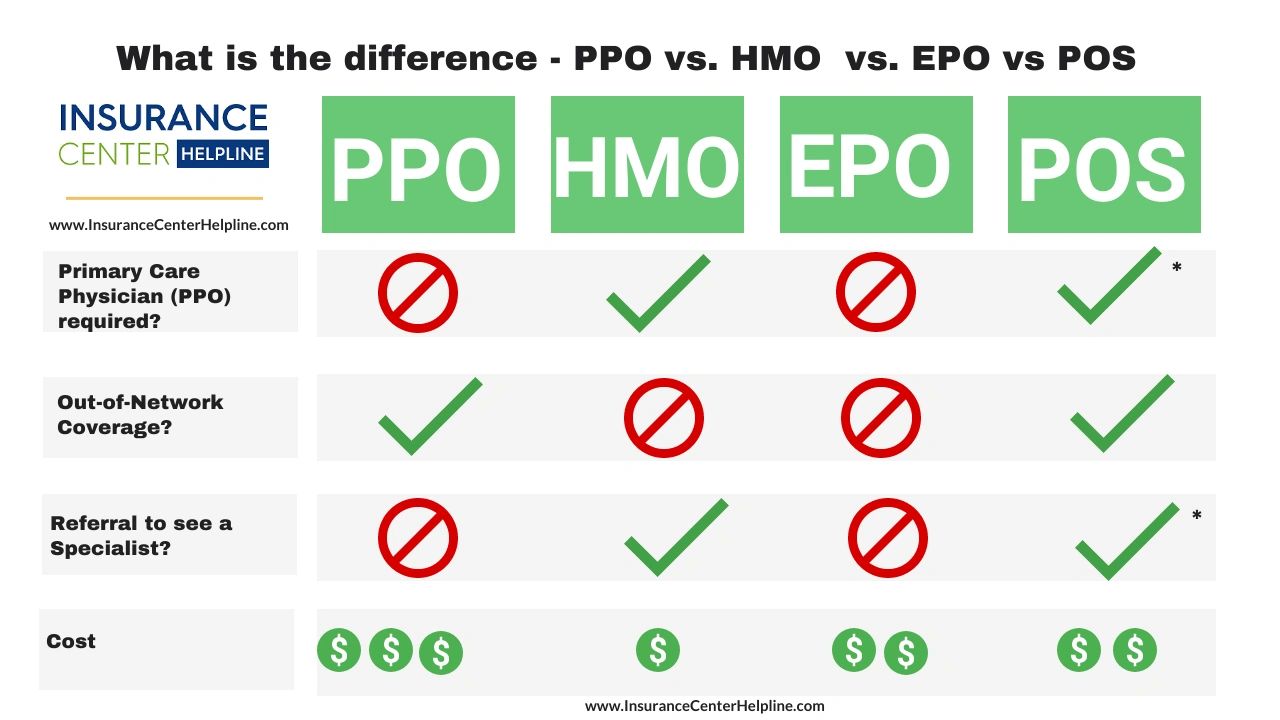
A cornerstone of the HMO model is the Primary Care Physician (PCP) gatekeeper. Upon enrolling in an HMO, each member must choose or be assigned a PCP from the plan’s network. This PCP then becomes the central point for all healthcare needs. They are responsible for providing routine care, managing overall health, and, critically, issuing referrals for any visits to specialists (e.g., a cardiologist, dermatologist, or orthopedist), lab tests, or diagnostic imaging. Without a referral from the PCP, an HMO generally will not cover specialist visits or other services, making the PCP a vital coordinator and cost controller within the system. This system aims to prevent unnecessary specialist visits and ensure that care is integrated and appropriate.
Referral Requirements and Specialist Access
The referral requirement is perhaps the most significant operational and financial differentiator of an HMO. If you need to see a specialist, you must first visit your PCP, explain your symptoms, and obtain a referral. This process can sometimes add an extra step and time to accessing specialized care. While it ensures coordinated care and can prevent redundant testing, it also means that members do not have direct access to specialists. Financially, this means that failure to obtain a valid referral before seeing a specialist will result in the entire cost of the specialist visit falling to the member, even if the specialist is within the HMO network.
Cost Structure and Predictability
HMOs are generally known for their predictable and often lower out-of-pocket costs, provided members stay within the plan’s rules. Premiums for HMO plans are frequently lower than those for more flexible plans like PPOs. Co-pays for doctor visits (including specialists, once referred) are typically fixed and relatively low. Deductibles, the amount you must pay out-of-pocket before your insurance starts to pay, can be low or even non-existent in some HMO plans, especially for in-network services. This cost structure makes HMOs attractive to those who prefer clear, manageable expenses and are comfortable with the referral process. However, the financial risk of going out-of-network for non-emergency care is very high, potentially leading to 100% out-of-pocket expenses.
Exploring Exclusive Provider Organizations (EPOs)
EPOs represent a hybrid approach, offering a balance between the strictness of an HMO and the flexibility of a PPO. They are gaining popularity as a middle-ground option for many consumers.
Defining Features of an EPO
Like HMOs, EPOs also rely on a defined network of providers, and generally, they will not cover services obtained out-of-network, except in the case of a true medical emergency. This “exclusive” nature of the provider network is where the plan gets its name. However, unlike HMOs, EPOs typically remove the “gatekeeper” function of the Primary Care Physician (PCP). This means members usually have the freedom to see any specialist within the EPO network without needing a referral from their PCP. This offers a level of direct access to specialized care that HMOs do not provide, while still maintaining cost controls through the exclusive network.
Flexibility Within the Network
The key advantage of an EPO over an HMO is its enhanced flexibility within the network. If you wake up with a sudden dermatological issue, you can typically schedule an appointment directly with a dermatologist in your EPO network without first consulting your PCP. This direct access can save time and streamline the process of receiving specialized care, which is a significant draw for many. For those who frequently see specialists or prefer to self-manage their specialist visits, this aspect of an EPO can be invaluable.

The Absence of a PCP Requirement
While many EPOs still encourage members to choose a PCP for coordinated care, it is often not a mandatory requirement for accessing other in-network services. The formal gatekeeper role is typically absent. This means you aren’t financially penalized or delayed if you see a specialist or receive other services without a PCP’s endorsement, as long as those providers are part of the EPO’s exclusive network. This structural difference translates directly into greater autonomy for the patient in navigating their healthcare within the defined network.
Out-of-Network Coverage: A Key Distinction
Here’s where EPOs are very similar to HMOs and differ significantly from PPOs: Out-of-network care is generally not covered by an EPO, except in emergency situations. This means if you choose to see a doctor or go to a hospital that is not part of your EPO’s network for non-emergency care, you will be responsible for 100% of the cost. This strict network adherence is what allows EPOs to keep premiums more competitive than PPOs, as they can negotiate favorable rates with their exclusive group of providers. Understanding this limitation is crucial for financial planning, as an accidental out-of-network visit can lead to unforeseen and substantial medical bills.
Key Differences and Financial Implications
The fundamental distinction between EPOs and HMOs boils down to network flexibility and the referral process, both of which have significant financial ramifications for members.
Network Size and Provider Choice
While both plans operate with networks, the size and composition of those networks can vary. HMO networks are often more tightly integrated and may sometimes be more geographically concentrated, which can be a drawback for those who travel frequently or live in rural areas. EPO networks can sometimes be broader than HMOs, offering a wider selection of specialists and hospitals, though this isn’t universally true and depends on the specific plan and region. The financial implication here is direct: a smaller, more restrictive network may limit your choice of doctors and facilities, potentially forcing you to switch providers if your preferred doctor isn’t in-network, or face the full cost out-of-pocket.
The Referral System: A Major Operational Divergence
This is arguably the most critical operational difference. In an HMO, your PCP acts as a “gatekeeper,” controlling access to specialists and ensuring care coordination. This can be beneficial for managing chronic conditions and ensuring holistic care, but it adds an administrative step. Financially, it means that failing to secure a referral results in non-coverage. In an EPO, you typically do not need a referral to see an in-network specialist, granting you more direct access to specialized care. This distinction affects convenience, speed of access to care, and the potential for unexpected out-of-pocket expenses if the HMO referral protocol is not followed.
Cost-Sharing Mechanisms (Premiums, Deductibles, Co-pays, Co-insurance)
While the specifics vary by plan, generally:
-
Premiums: HMOs often have lower monthly premiums than EPOs, as their stricter controls allow for greater cost predictability for the insurer. EPO premiums tend to be slightly higher than HMOs but lower than PPOs.
-
Deductibles: Both plan types can have deductibles. HMOs sometimes feature lower deductibles or even $0 deductibles for in-network services, though higher deductibles are becoming more common. EPOs typically have deductibles that must be met before the plan starts paying for most services, often higher than those in some HMOs.
-
Co-pays: Both plans use co-pays for doctor visits and prescriptions. HMO co-pays are often very predictable and low. EPO co-pays can be similar but might vary more depending on the service.
-
Co-insurance: This is your share of the cost of a healthcare service, calculated as a percentage. Both plans might have co-insurance after the deductible is met. The key financial point is that for both, co-insurance typically only applies to in-network services. For out-of-network services (non-emergencies), neither plan will usually apply co-insurance, leaving you with 100% of the bill.
Emergency Care Considerations
For true medical emergencies, both HMOs and EPOs are legally required to cover out-of-network care. This means if you have a life-threatening emergency and are taken to the nearest hospital, regardless of its network status, the plan will provide coverage. However, it’s crucial to understand that once the emergency is stabilized, the plan may require you to transfer to an in-network facility for ongoing care, or subsequent non-emergency follow-up care may not be covered if performed out-of-network. It’s essential to familiarize yourself with your specific plan’s definition of “emergency” and its policies regarding post-stabilization care to avoid unexpected costs.
Choosing the Right Plan: A Financial Decision
Selecting between an EPO and an HMO is not just a healthcare decision; it’s a significant financial one that impacts your budget, access to care, and peace of mind.
Assessing Your Healthcare Needs and Habits
Begin by honestly evaluating your typical healthcare utilization.
-
Do you have a trusted PCP you see regularly and prefer to stick with?
-
Do you frequently visit specialists (e.g., for chronic conditions, therapy, specific medical needs)?
-
Are you comfortable going through a PCP for referrals, or do you prefer direct access to specialists?
-
Do you live in an area with a dense provider network, or might you need to seek care in different locations?
-
How important is continuity of care with your existing doctors? Ensure they are in the plan’s network.
For individuals who primarily need routine care and are comfortable with a PCP coordinating their services, an HMO can be a financially sound choice. For those who need more frequent specialist care and prefer direct access without the referral step, an EPO might offer better value, assuming the desired specialists are in its network.
Budgetary Constraints and Risk Tolerance
Consider your financial situation and your tolerance for risk.
-
Lower Premiums vs. Flexibility: HMOs often boast lower monthly premiums, which can be appealing for tight budgets. However, the trade-off is less flexibility and higher financial risk if you accidentally go out-of-network.
-
Predictable Costs: If you value highly predictable costs for in-network services (low co-pays, clear deductible), an HMO might suit you.
-
Potential for Out-of-Pocket Shock: With both EPOs and HMOs, the financial risk of out-of-network non-emergency care is high – you could pay 100% of the bill. If you’re someone who might accidentally or intentionally seek care outside the network, these plans pose a significant financial hazard.
-
Deductible Management: Evaluate the deductibles. Can you comfortably afford to pay the deductible if a major medical event occurs? Higher deductibles often mean lower premiums, but require more out-of-pocket cash before insurance kicks in.
Geographic Considerations and Provider Availability
Your location plays a critical role. Both HMO and EPO networks can vary significantly by region. A plan might have an excellent network in a major metropolitan area but a very sparse one in a rural setting. If you travel frequently or split your time between different locations, investigate how robust the network is in all relevant areas. Using the plan’s online provider directory to confirm that your preferred doctors, hospitals, and pharmacies are in-network is a non-negotiable step before enrolling. Choosing a plan with an inadequate local network can lead to considerable frustration and unexpected financial burdens.
Reviewing the Summary of Benefits and Coverage (SBC)
Regardless of which plan type you’re considering, always meticulously review the Summary of Benefits and Coverage (SBC). This standardized document provides a clear, concise overview of the plan’s costs, coverage limitations, and exclusions. Pay close attention to:
-
Annual deductible amounts
-
Out-of-pocket maximums (the most you’ll pay in a year)
-
Co-pays for various services (PCP, specialist, emergency room)
-
Co-insurance percentages
-
Prescription drug coverage tiers and costs
-
What is (and isn’t) covered out-of-network (beyond emergencies)
-
Specific services that require prior authorization or referrals.
Understanding these details is fundamental to assessing the true financial impact and value of any health insurance plan.
In conclusion, both Exclusive Provider Organizations (EPOs) and Health Maintenance Organizations (HMOs) offer structured approaches to health insurance, emphasizing in-network care to manage costs. The HMO prioritizes coordinated care through a PCP “gatekeeper” and often boasts lower premiums and predictable co-pays, albeit with strict referral requirements. The EPO provides more direct access to specialists within its network by largely eliminating the referral requirement, offering a blend of flexibility and cost control. Your ultimate choice should be a well-reasoned financial decision, aligning with your individual healthcare needs, budgetary constraints, and risk tolerance, always underpinned by a thorough review of the plan’s specific terms and network availability.
aViewFromTheCave is a participant in the Amazon Services LLC Associates Program, an affiliate advertising program designed to provide a means for sites to earn advertising fees by advertising and linking to Amazon.com. Amazon, the Amazon logo, AmazonSupply, and the AmazonSupply logo are trademarks of Amazon.com, Inc. or its affiliates. As an Amazon Associate we earn affiliate commissions from qualifying purchases.