
Navigating the nuances of legal terminology, especially when it concerns personal injury or criminal actions, can be critical for understanding potential financial liabilities, compensatory claims, and risk management strategies. While often used interchangeably in everyday conversation, “assault” and “battery” represent distinct legal concepts, each carrying specific implications for personal finance, business finances, and insurance. Grasping this distinction is the first step in assessing the economic fallout or potential for financial recovery stemming from such incidents.
Understanding the Legal Framework and Its Financial Implications
At their core, assault and battery are intentional torts, meaning they are civil wrongs committed intentionally, for which a court can provide a remedy, often in the form of monetary damages. They also frequently overlap with criminal charges, which carry their own set of financial penalties, including fines, restitution, and legal defense costs.
Assault: The Threat and Its Monetary Consequences
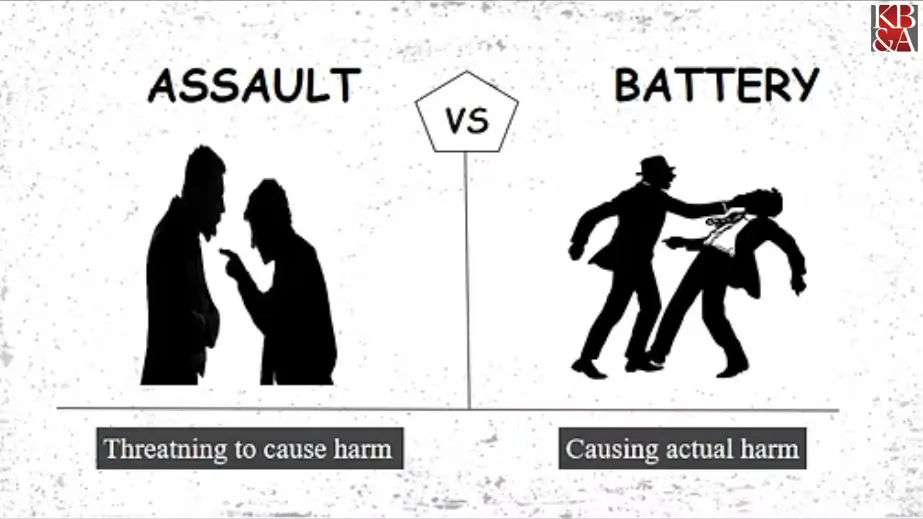
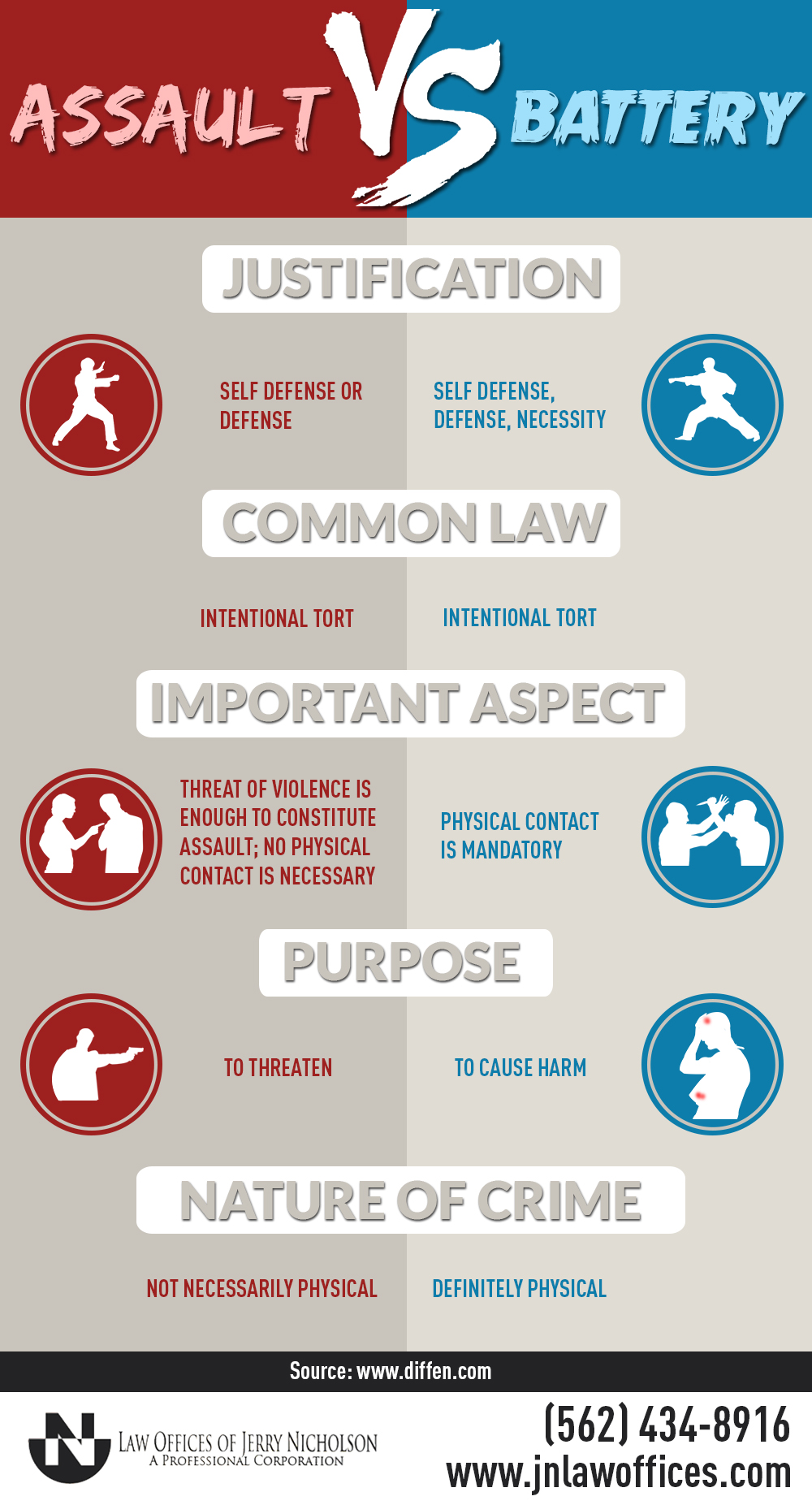
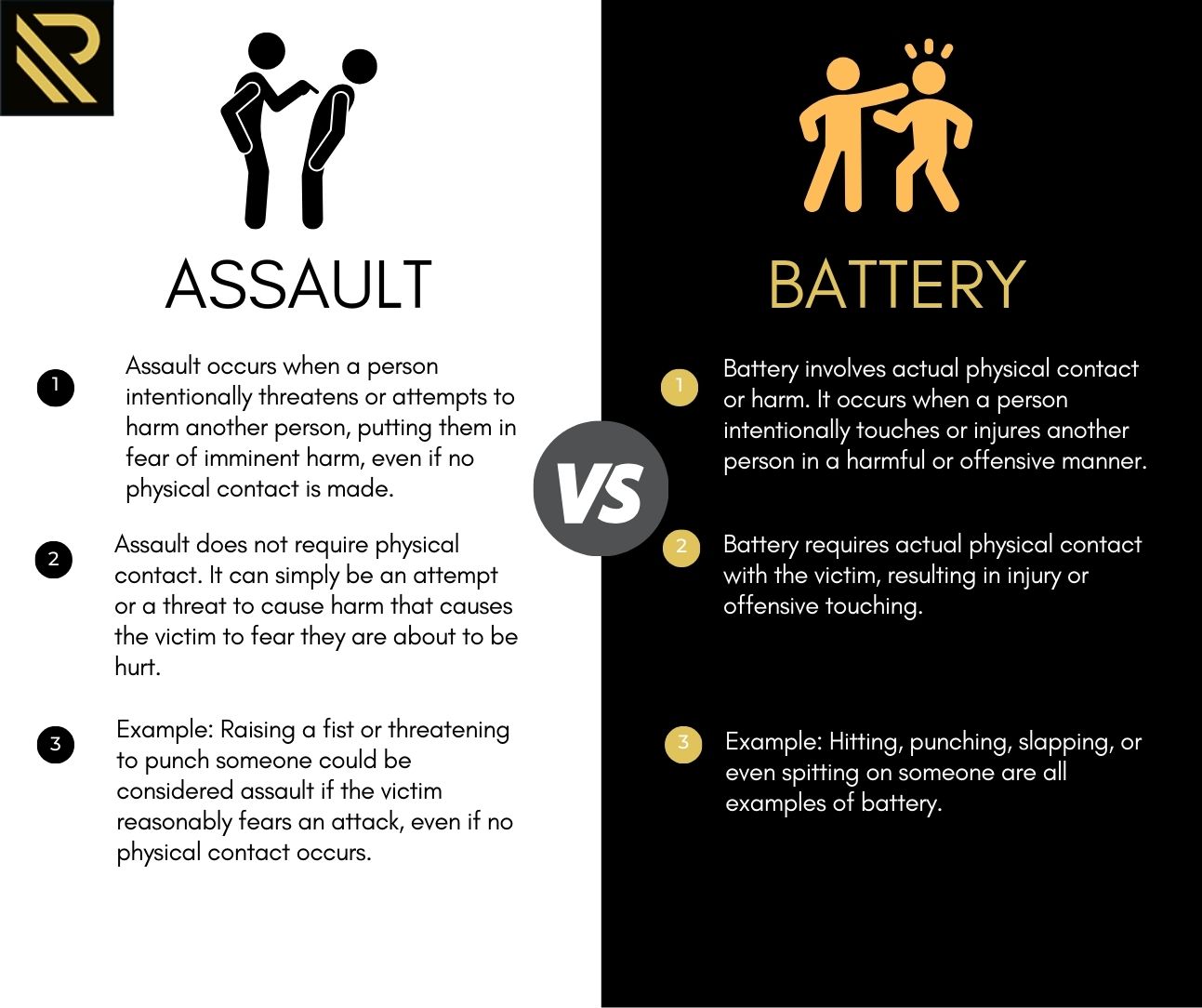
An “assault” is generally defined as an intentional act that causes another person to reasonably apprehend immediate harmful or offensive contact. Crucially, no actual physical contact is required for an assault to occur. The essence of assault lies in the apprehension of contact, the fear or expectation of imminent harm. This could involve an unprovoked threat, menacing gestures, or raising a fist in a threatening manner, provided the victim believes harm is imminent and the perpetrator had the apparent ability to carry it out.
From a financial perspective, even without physical injury, an assault can lead to significant economic consequences. A victim may incur costs related to psychological counseling or therapy to address fear, anxiety, or post-traumatic stress induced by the threat. Expert witness fees for psychiatrists or therapists can add up quickly in civil litigation. Furthermore, if the assault causes emotional distress that leads to lost workdays, a reduction in earning capacity, or the need for a career change, these present tangible financial losses. Businesses might face lawsuits alleging negligent security if an assault occurs on their premises due to inadequate safety measures, leading to substantial legal defense costs and potential settlements or judgments.
Battery: The Harm and Its Economic Burden
“Battery,” in contrast, requires actual harmful or offensive physical contact with another person. This contact does not necessarily need to be violent or cause severe injury; merely touching someone in an offensive way without their consent can constitute battery. Examples include an unwanted shove, a punch, or even spitting on someone. The key elements are the intentional act causing contact, the contact itself, and the absence of consent.
The financial burden of battery is often more immediately apparent and substantial. Direct economic damages commonly include:
- Medical Expenses: Emergency room visits, doctor consultations, surgeries, medications, physical therapy, and long-term care for injuries sustained.
- Lost Wages and Earning Capacity: Compensation for time missed from work due to injury and recovery, and for any long-term reduction in the ability to earn income.
- Property Damage: Costs associated with repairing or replacing personal items damaged during the battery.
Beyond these direct costs, victims may also pursue damages for pain and suffering, emotional distress, and loss of enjoyment of life, which, while non-economic, translate into significant monetary awards in successful civil lawsuits. For perpetrators, a battery conviction or civil judgment can result in substantial fines, restitution to the victim, and exorbitant legal defense fees, potentially leading to bankruptcy or severe long-term financial strain.
Civil Litigation: Seeking Financial Redress
When an assault or battery occurs, victims often turn to the civil justice system to seek financial compensation for their losses. This process can be lengthy and expensive, requiring careful financial planning and an understanding of the types of damages recoverable.
Damages: Beyond Medical Bills
In a civil case, the goal is to make the injured party “whole” again through monetary awards. Damages are broadly categorized:
- Compensatory Damages: These are intended to cover actual losses.
- Economic Damages: Quantifiable financial losses such as medical bills (past and future), lost income (past and future), vocational rehabilitation costs, and property damage. Detailed financial records, expert testimony from economists or vocational specialists, and future medical cost projections are crucial for substantiating these claims.
- Non-Economic Damages: Less tangible losses like pain and suffering, emotional distress, disfigurement, loss of consortium, and loss of enjoyment of life. While harder to quantify, these often represent a significant portion of a settlement or judgment, requiring compelling testimony from the victim and supporting witnesses.
- Punitive Damages: In cases where the defendant’s conduct was particularly egregious, malicious, or reckless, courts may award punitive damages. These are not meant to compensate the victim but to punish the wrongdoer and deter similar conduct in the future. Punitive damages can significantly increase the financial liability for the defendant and, conversely, the financial recovery for the plaintiff.
The financial assessment of a civil case involving assault or battery requires meticulous documentation and expert analysis of current and projected economic impacts on the victim.
Legal Costs and Contingency Fees
Pursuing a civil claim for assault or battery involves substantial legal costs. Attorneys typically work on a contingency fee basis for plaintiffs in personal injury cases, meaning they receive a percentage (e.g., 33-40%) of the final settlement or judgment. While this reduces upfront out-of-pocket expenses for the victim, it means a portion of any financial recovery goes directly to legal fees.
Beyond attorney fees, there are other costs associated with litigation, including:
- Court Filing Fees: Administrative charges to initiate and proceed with the lawsuit.
- Discovery Costs: Expenses for depositions, interrogatories, and requests for documents.
- Expert Witness Fees: Costs for medical professionals, forensic experts, economists, or vocational experts who provide testimony. These fees can range from hundreds to thousands of dollars per hour or per appearance.
- Investigation Costs: Fees for private investigators, evidence collection, and background checks.
Defendants, whether individuals or businesses, typically face hourly billing from their defense attorneys, which can quickly accumulate into tens of thousands or even hundreds of thousands of dollars, regardless of the case’s outcome. Understanding these financial dynamics is crucial for both parties when considering settlement negotiations versus proceeding to trial.
Insurance and Risk Management: Mitigating Financial Fallout
For both potential victims and perpetrators, insurance plays a critical role in managing the financial risks associated with assault and battery. Appropriate coverage can provide a financial safety net, while its absence can lead to devastating financial consequences.
Personal Liability Coverage
Homeowners’ insurance and renters’ insurance policies often include personal liability coverage. This coverage typically protects the policyholder against claims for bodily injury or property damage caused to others, provided the incident was accidental or unintentional. However, a crucial exclusion often applies: intentional acts. Most personal liability policies will not cover damages arising from intentional assault or battery committed by the policyholder. This means if an individual commits battery, they are likely personally responsible for all financial damages and legal defense costs.
This exclusion highlights a significant personal finance risk. An individual perpetrator could face a judgment for millions of dollars that their personal insurance will not cover, potentially leading to asset seizure, wage garnishment, and long-term debt. Victims, on the other hand, must often pursue the perpetrator’s personal assets directly if insurance coverage is denied.
Business Implications and Commercial General Liability
For businesses, the financial stakes are even higher. A business can be held liable for assault or battery occurring on its premises, or for acts committed by its employees, under theories of vicarious liability or negligent security.
Commercial General Liability (CGL) insurance policies are designed to protect businesses from a wide range of liability claims, including bodily injury and property damage. However, similar to personal policies, CGL policies often contain “assault and battery exclusions.” These exclusions can vary widely, from outright denying coverage for any claim involving assault or battery to more nuanced clauses that might cover damages if the business was not complicit in the act, but rather negligent in preventing it.
Businesses in high-risk environments (e.g., bars, nightclubs, security firms) often seek specialized “assault and battery” insurance riders or endorsements to supplement their CGL policies. Without adequate coverage, a business facing a multi-million dollar lawsuit stemming from an assault or battery incident could face financial ruin, impacting its ability to operate, pay employees, and maintain investor confidence. Implementing robust security protocols, training staff, and regularly reviewing insurance coverage are critical risk management strategies to protect a business’s financial health.
The Long-Term Financial Impact on Victims and Perpetrators
The financial ramifications of assault and battery extend far beyond immediate medical bills and legal fees, creating enduring challenges for all parties involved.
Lost Income and Future Earning Capacity
For victims, severe injuries from battery can lead to permanent disabilities, requiring extensive rehabilitation, adaptive equipment, and potentially a complete change in career or a reduction in work hours. Calculating future lost income and diminished earning capacity requires complex actuarial and economic analysis, accounting for inflation, promotions, and benefits. The long-term financial strain can affect retirement planning, ability to support dependents, and overall quality of life. Even psychological trauma from assault, without physical injury, can manifest as an inability to work, concentration difficulties, or chronic anxiety requiring ongoing treatment, all of which have a financial cost.
Criminal Penalties and Fines
When assault or battery results in criminal charges, the financial burden on the perpetrator intensifies. Beyond civil liability, criminal convictions carry their own financial penalties:
- Fines: Courts can impose substantial fines, which vary based on the severity of the offense.
- Restitution: Perpetrators may be ordered to pay restitution directly to the victim to cover medical expenses, lost wages, and other direct costs.
- Probation Fees: If sentenced to probation, there are often monthly fees.
- Legal Defense Costs: Retaining a criminal defense attorney can be exceedingly expensive, especially for felony charges.
- Incarceration Costs: While not a direct payment, incarceration results in a complete loss of income and potential job loss, leading to severe financial instability for the individual and their family.
Understanding the clear legal distinctions between assault and battery is not merely an academic exercise; it is fundamental to assessing and managing the profound financial implications that these acts can trigger, impacting personal savings, business viability, and long-term economic stability for individuals and entities alike.
aViewFromTheCave is a participant in the Amazon Services LLC Associates Program, an affiliate advertising program designed to provide a means for sites to earn advertising fees by advertising and linking to Amazon.com. Amazon, the Amazon logo, AmazonSupply, and the AmazonSupply logo are trademarks of Amazon.com, Inc. or its affiliates. As an Amazon Associate we earn affiliate commissions from qualifying purchases.