
The modern automobile, a marvel of engineering and a symbol of personal freedom, has also become a potent stage for human emotion. The confined space, the anonymity of a vehicle, and the inherent stresses of traffic can transform ordinary commutes into arenas of frustration and anger. Two terms frequently emerge in discussions about dangerous driving behavior: aggressive driving and road rage. While often used interchangeably, they represent distinct points on a spectrum of driver conduct, with significant differences in intent, intensity, and potential for harm. Understanding these distinctions is crucial, not only for personal safety but also for appreciating how emerging technologies are being leveraged to address these pervasive issues.
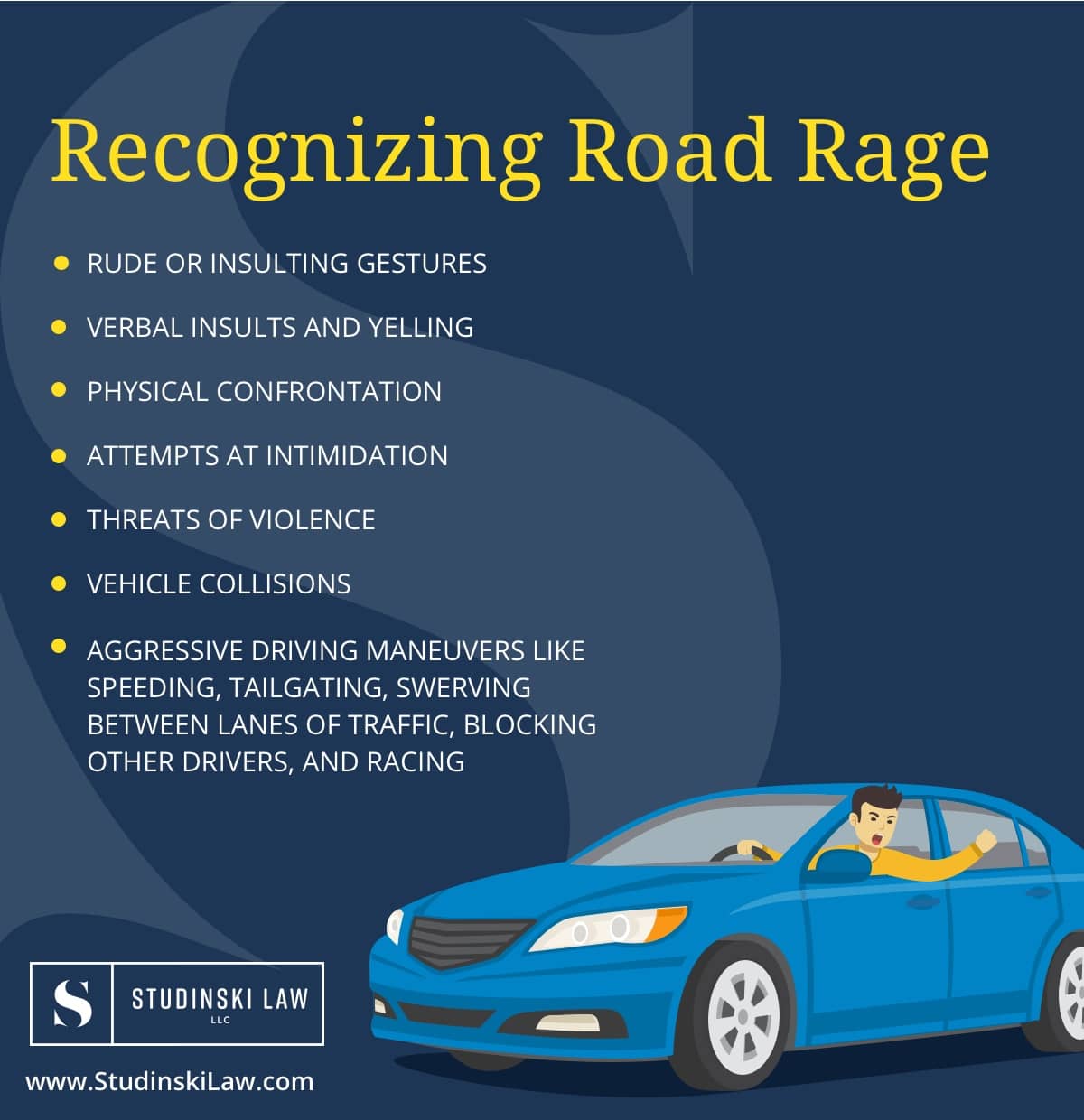
From a technological perspective, the ability to differentiate between aggressive driving and road rage allows for the development of more targeted solutions. This distinction is vital for data collection, risk assessment, and the creation of advanced driver-assistance systems (ADAS) and in-vehicle monitoring technologies. By precisely identifying the nuances of driver behavior, we can build smarter, safer vehicles and more effective traffic management systems.
The Spectrum of Driver Behavior: From Annoyance to Outburst
Driving, by its very nature, involves navigating complex social interactions on a shared infrastructure. This inherently creates opportunities for friction. The difference between aggressive driving and road rage lies not just in the observable actions, but in the underlying psychological state, the intent behind those actions, and the escalating nature of the behavior. Technology plays an increasingly significant role in not only observing these behaviors but also in analyzing the patterns and precursors that differentiate them.
Aggressive Driving: A Pattern of Disregard
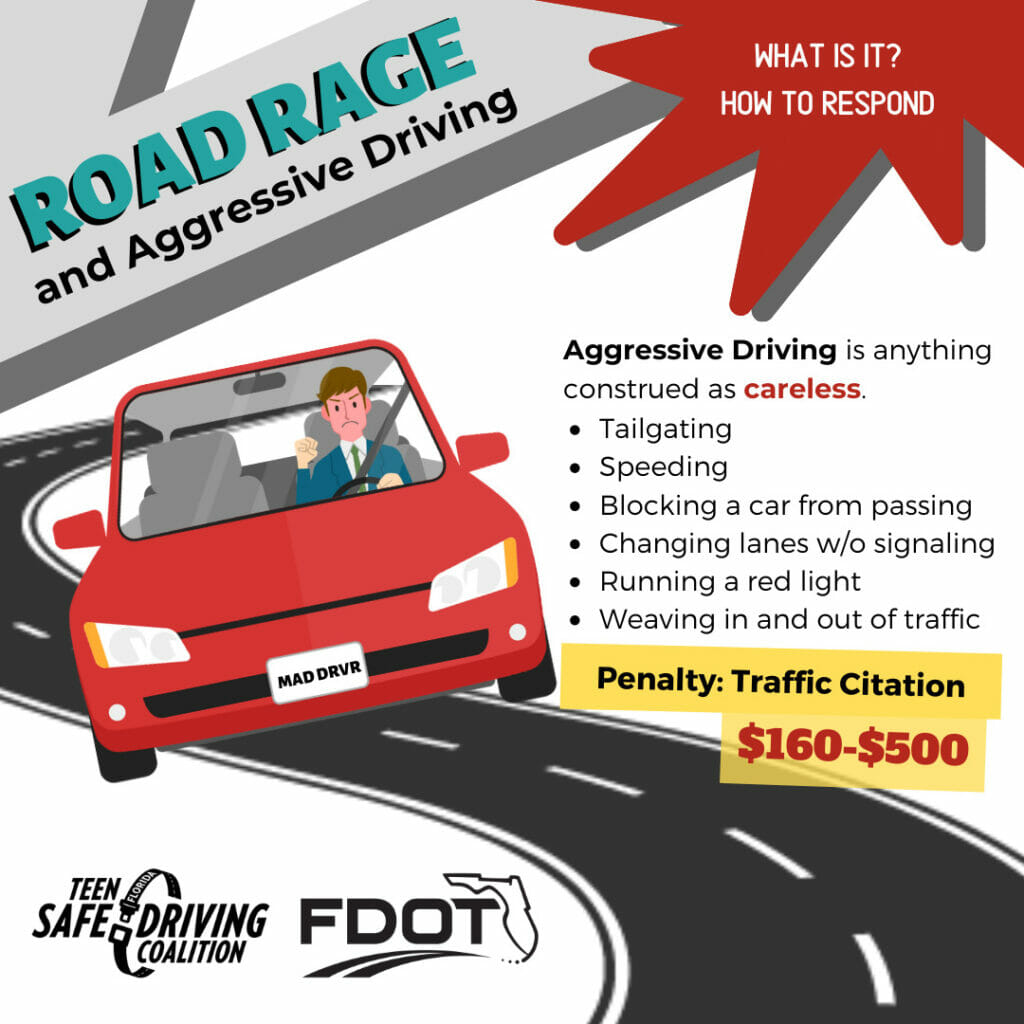
Aggressive driving is characterized by a series of unsafe driving behaviors that, while potentially dangerous, are often committed out of impatience, distraction, or a lack of adherence to traffic laws. It is a pattern of deliberate, albeit reckless, actions that prioritize the driver’s immediate convenience over the safety of others. This behavior is often driven by a desire to get somewhere faster, a perceived entitlement to the road, or simple inattention.
Technologically, aggressive driving can be identified through various data points. Telematics systems in fleet vehicles, for instance, can flag instances of:
- Speeding: Exceeding posted speed limits, often in a sustained manner. Advanced algorithms can distinguish between occasional bursts of speed and a consistent disregard for speed regulations.
- Tailgating: Following too closely to the vehicle ahead. Sensors and cameras can measure the distance to the preceding vehicle, flagging unsafe gaps.
- Unsafe Lane Changes: Frequent and abrupt lane changes without signaling, or cutting off other drivers. Inertial Measurement Units (IMUs) and radar can detect rapid acceleration and lateral movements indicative of such maneuvers.
- Running Red Lights or Stop Signs: Disregarding traffic signals. Intersection cameras and GPS data can precisely log such violations.
- Improper Signaling: Failing to use turn signals or using them inconsistently. While harder to detect directly, a pattern of unexpected maneuvers following a lack of signal can be inferred.
These behaviors, when aggregated over a period of time, paint a picture of an aggressive driver. The underlying technology is focused on objective measurement of adherence to traffic laws and safe driving practices. The data collected is often used for performance monitoring in commercial fleets, insurance risk assessment, and informing the design of more sophisticated ADAS features that can alert drivers to potential hazards or even intervene to prevent an accident.
Road Rage: The Escalation to Emotional Violence
Road rage, on the other hand, represents a significant escalation from aggressive driving. It is characterized by extreme emotional responses, often fueled by anger and frustration, leading to deliberate acts intended to intimidate, harass, or endanger other drivers. Unlike aggressive driving, where the intent might be primarily selfish and time-saving, road rage involves a direct, often confrontational, element aimed at another individual.
The distinction is critical from a technological standpoint because the intent and emotional component are harder to quantify than simple rule-breaking. However, technology is increasingly capable of inferring and even detecting the precursors and manifestations of road rage.
- Intentional Harassment: This can include actions like intentionally blocking another driver, brake-checking (suddenly braking in front of another vehicle), or making aggressive gestures. While direct intent is difficult to capture, systems can analyze sequences of events. For example, a sudden deceleration following a period of close pursuit by another vehicle might trigger an alert for brake-checking.
- Verbal or Physical Confrontation: While not directly observable by typical vehicle sensors, in-vehicle cameras and microphones are being explored for their potential to detect heightened emotional states. Advanced AI algorithms can analyze vocal inflections for signs of extreme anger or aggression.
- Threatening Behavior: This encompasses actions that create a direct sense of fear or threat in another driver. Examples include aggressive pursuit, ramming another vehicle, or attempting to run another vehicle off the road. These are often extreme events, and technologies like external cameras, radar, and lidar can detect proximity and forceful interactions.
The technological challenge with road rage is to move beyond simply recording rule violations to understanding the emotional context and the intent to harm or intimidate. This requires more sophisticated data fusion, combining sensor data with potentially audio and visual cues from inside and outside the vehicle. The goal is to identify not just a dangerous action, but a dangerous action driven by malice.
Technological Interventions: From Prevention to Detection
The growing understanding of the differences between aggressive driving and road rage has spurred innovation in automotive technology aimed at both preventing these behaviors and detecting them when they occur. The focus is shifting from passive monitoring to active intervention and even predictive analytics.
Advanced Driver-Assistance Systems (ADAS) and Predictive Capabilities
ADAS, a cornerstone of modern vehicle safety, plays a crucial role in mitigating aggressive driving. Features like adaptive cruise control, lane-keeping assist, and automatic emergency braking are designed to counter common aggressive behaviors by maintaining safe distances, preventing unintended lane departures, and autonomously applying brakes in potential collision scenarios.
However, the next frontier lies in ADAS that can predict aggressive tendencies. By analyzing a driver’s history of actions (e.g., frequent hard braking, rapid acceleration, frequent lane changes) coupled with real-time driving patterns, AI algorithms can begin to identify drivers who are statistically more likely to engage in aggressive behaviors. This could lead to:
- Driver Coaching Systems: In-vehicle alerts that gently prompt drivers to adjust their behavior before it escalates. For example, a subtle chime or visual cue might appear if the system detects a pattern of tailgating.
- Personalized Safety Settings: Vehicles could dynamically adjust certain parameters based on perceived driver risk. This might involve slightly more sensitive braking responses or more prominent lane-departure warnings.
- Integration with Telematics: For fleet managers, this data can inform training programs and identify drivers who require additional intervention before their behavior poses a significant risk.
The development of these predictive systems relies heavily on machine learning and the analysis of vast datasets collected from millions of vehicles. The ability to distinguish subtle variations in driving style is paramount to avoid false positives and create systems that are helpful rather than intrusive.
In-Vehicle Monitoring and AI-Powered Analysis
The evolution of in-vehicle technology is moving towards more comprehensive driver monitoring. Beyond just tracking external driving actions, internal sensors are being developed to assess the driver’s state.
- Driver Monitoring Systems (DMS): These systems, often utilizing interior cameras, can detect signs of drowsiness, distraction, and even elevated stress levels. While not directly detecting road rage, a driver exhibiting signs of extreme frustration or agitation could be flagged.
- AI-Powered Behavioral Analysis: Sophisticated AI can analyze a combination of data from internal DMS and external sensors. For instance, if a driver is detected to have a high heart rate (through unobtrusive sensors) and is simultaneously exhibiting aggressive driving maneuvers, the system can infer a higher risk of road rage.
- Contextual Understanding: The goal is to build AI that can understand the context of a driving situation. Is a sudden brake intentional harassment, or a necessary reaction to an unpredictable event? By analyzing the preceding events, vehicle speeds, and proximity of other vehicles, AI can make more informed judgments.
The ethical considerations surrounding in-vehicle monitoring are significant, particularly regarding privacy. However, the potential for these technologies to prevent violent confrontations and improve overall road safety is driving continued research and development in this area. The ultimate aim is to create a symbiotic relationship between the driver and the vehicle, where technology acts as a vigilant co-pilot, helping to navigate the emotional landscape of the road.
Data-Driven Insights and Future Applications
The distinction between aggressive driving and road rage is not just an academic exercise; it has profound implications for how we design our roads, develop vehicle safety features, and even craft traffic laws. Technology is at the forefront of translating these behavioral distinctions into actionable insights.
Enhancing Traffic Management and Infrastructure Design
Understanding the prevalence and patterns of aggressive driving and road rage can inform urban planning and traffic management strategies.
- Hotspot Identification: Telematics data aggregated across a city can identify areas where aggressive driving is most prevalent. This information can guide the placement of speed cameras, variable speed limits, or increased police presence.
- Infrastructure Improvements: Analysis of crash data related to aggressive driving can highlight specific road design flaws that might encourage such behavior (e.g., confusing lane configurations, long stretches without clear signage).
- Predictive Traffic Flow: By integrating driver behavior data with traffic flow simulations, AI can help predict congestion and proactively manage traffic signals to reduce frustration and the likelihood of aggressive encounters.
The Role of Connectivity and Data Sharing
The future of mitigating aggressive driving and road rage is increasingly reliant on connected vehicle technology and the secure sharing of anonymized data.
- Vehicle-to-Vehicle (V2V) and Vehicle-to-Infrastructure (V2I) Communication: These technologies can enable vehicles to “talk” to each other and to road infrastructure, providing real-time alerts about potential hazards, sudden braking events, or vehicles exhibiting aggressive behavior.
- Crowdsourced Safety Data: Anonymized data from everyday drivers, when aggregated and analyzed, can provide a comprehensive picture of driving behavior across vast networks, allowing for proactive identification of trends and risks.
- Personalized Insurance Premiums: Usage-based insurance (UBI) programs are already leveraging telematics to adjust premiums based on driving habits. As technology advances, these programs could become even more sophisticated, offering discounts for demonstrably safe and non-aggressive driving.
Ultimately, the technological pursuit of understanding and differentiating aggressive driving from road rage is a pursuit of safer roads. By leveraging the power of data analytics, artificial intelligence, and advanced sensor technology, we are moving towards a future where vehicles are not just modes of transportation, but intelligent partners in ensuring our well-being on the asphalt. The journey from simple automotive mechanics to sophisticated behavioral analysis underscores the transformative power of technology in shaping the human experience of driving.
aViewFromTheCave is a participant in the Amazon Services LLC Associates Program, an affiliate advertising program designed to provide a means for sites to earn advertising fees by advertising and linking to Amazon.com. Amazon, the Amazon logo, AmazonSupply, and the AmazonSupply logo are trademarks of Amazon.com, Inc. or its affiliates. As an Amazon Associate we earn affiliate commissions from qualifying purchases.