
When building a diversified investment portfolio, real estate often serves as a cornerstone asset class. For the individual investor or the first-time homebuyer looking to leverage their primary residence as a wealth-building tool, the choice frequently narrows down to two specific property types: the townhouse and the duplex. While they may appear similar to the untrained eye—both often involve shared walls and multi-level living—the financial implications, ownership structures, and long-term investment yields vary significantly.
Understanding the nuance between these two options is not merely a matter of architectural preference; it is a critical step in assessing cash flow, tax advantages, and equity growth. Whether you are looking for a “house hacking” opportunity or a low-maintenance rental property, the distinction between a townhouse and a duplex will dictate your path to financial independence.
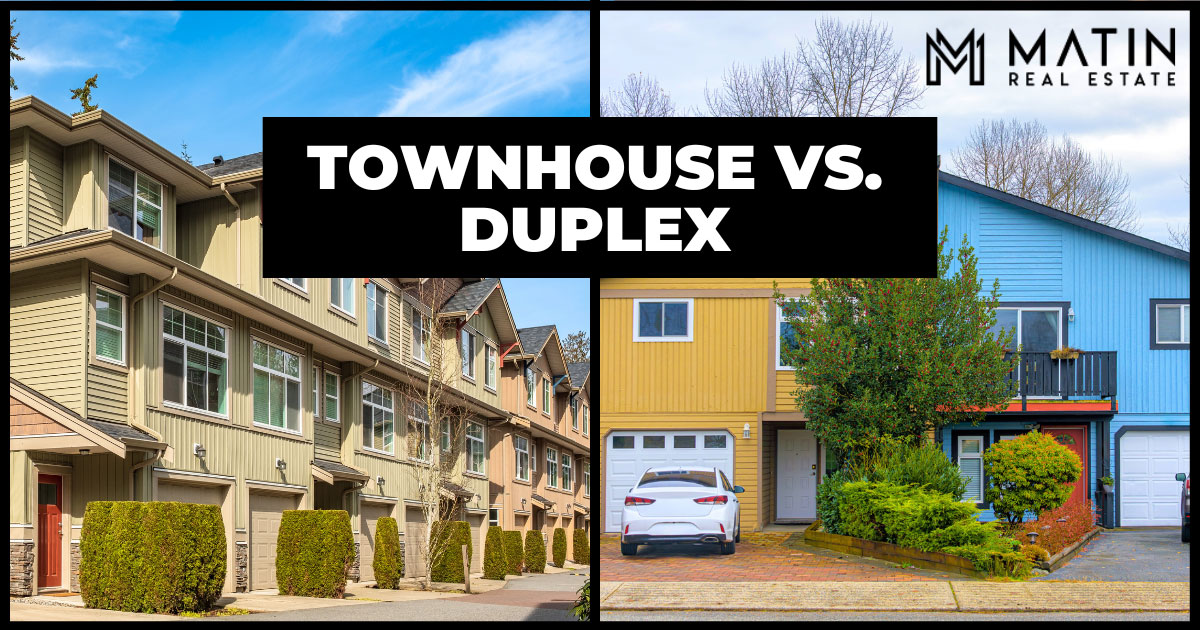
Understanding Ownership Structures: Real Estate as a Financial Asset
The primary difference between a townhouse and a duplex lies in the legal definition of ownership and the underlying land. This distinction is the most critical factor for an investor because it impacts everything from property taxes to the ability to make capital improvements.
The Legal Distinction of a Townhouse
A townhouse is typically defined by its vertical structure and its shared walls with adjacent units. From a financial and legal perspective, townhouse ownership is usually “fee simple.” This means the owner holds the title to the interior and exterior of the unit, as well as the specific plot of land upon which the unit sits.
In many cases, townhouses are part of a Homeowners Association (HOA). While the individual owns the land, the HOA manages communal spaces, such as parks, sidewalks, and sometimes the building’s exterior. For the investor, this introduces a mandatory monthly expense that must be factored into the Net Operating Income (NOI). The presence of an HOA can be a double-edged sword: it preserves property values through aesthetic standards but reduces monthly cash flow through non-negotiable fees.
The Duplex as a Multi-Family Asset
A duplex is a single building situated on a single lot, containing two distinct living units. These units can be arranged side-by-side or stacked on top of one another. Crucially, a duplex is sold as a single entity. You do not own “half” of the duplex in the way you own a townhouse; you own the entire structure and the entire lot.
From a financing perspective, a duplex is categorized as residential real estate (1-4 units), which allows owners to access favorable lending terms typically reserved for single-family homes, despite the property’s ability to generate dual rental income. Because there is no HOA in a standard duplex scenario, the owner has total autonomy over maintenance, landscaping, and capital expenditures, allowing for more aggressive “value-add” strategies to increase equity.
Investment Potential: Analyzing Cash Flow and Yield
When choosing between these two assets, an investor must determine their primary goal: is it monthly cash flow or long-term capital appreciation? Both townhouses and duplexes offer these, but they do so in different ratios.
The House Hacking Strategy with Duplexes
The duplex is perhaps the most powerful tool for “house hacking”—a strategy where an owner lives in one unit while renting out the other. In many markets, the rent from the second unit can cover a significant portion, if not all, of the mortgage payment, insurance, and taxes. This drastically reduces the owner’s living expenses, allowing them to redirect capital toward other investments.
Furthermore, a duplex offers a unique safety net. If one unit becomes vacant, the property still generates 50% of its potential income. In contrast, a townhouse is a binary asset: it is either 100% occupied or 100% vacant. For the risk-averse investor, the diversified income stream of a duplex provides a higher level of financial security.
Appreciation and Market Demand for Townhouses
Townhouses are often located in high-density urban or suburban “live-work-play” developments. These areas tend to see higher rates of appreciation because of the land value and the desirability of the location. While a townhouse might not offer the same “house hacking” efficiency as a duplex, it often attracts a higher-tier tenant profile or a more robust resale market.
For the “hands-off” investor, a townhouse may yield a better Return on Time (ROT). Because the HOA often handles exterior maintenance, roofing, and landscaping, the investor spends less time managing contractors and more time scaling their portfolio. The trade-off is the HOA fee, which acts as a permanent drag on the cap rate but serves as insurance against large, unexpected maintenance shocks.
Maintenance, Expenses, and Net Operating Income (NOI)
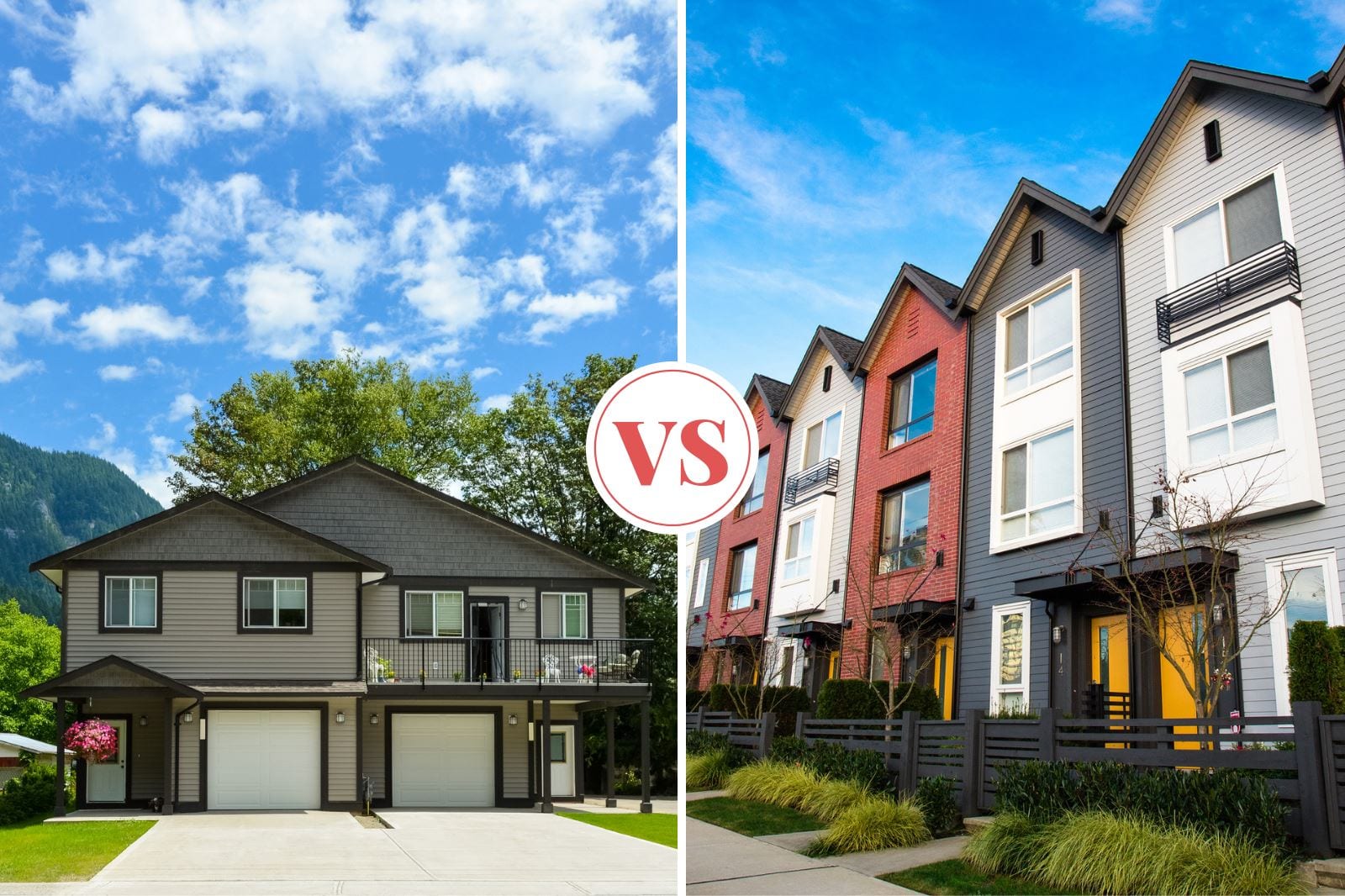
The profitability of any real estate investment is dictated by the spread between gross income and operating expenses. Townhouses and duplexes handle these expenses in fundamentally different ways.
The Cost of Community Management
In a townhouse, a portion of your maintenance is outsourced to the HOA. This creates a predictable, albeit fixed, expense. When calculating the financial viability of a townhouse, the “HOA Reserve Study” becomes a vital document. If the HOA has not properly funded its reserves, owners may be hit with “special assessments”—large, one-time payments for major repairs like a new roof or a repaved parking lot. These assessments can be financial landmines that instantly wipe out years of cash flow.
However, the benefit of the HOA is the collective bargaining power for services like trash removal, snow plowing, and insurance. Often, the master insurance policy held by the HOA covers the exterior of the building, meaning the individual owner only needs “walls-in” coverage (HO-6 policy), which is significantly cheaper than a standard landlord policy.
Direct Maintenance Control in Duplexes
With a duplex, the owner is the “HOA.” You are responsible for the roof, the siding, the driveway, and the plumbing for both units. While this increases the management burden, it provides maximum financial flexibility. An investor can choose when to perform upgrades, which contractors to hire, and how to prioritize repairs to maximize tax deductions.
In a duplex, you are also responsible for all utility configurations. A savvy investor will look for “split utilities,” where each tenant has their own meter for water, gas, and electricity. If a duplex is not split, the landlord often ends up paying the utility bills, which can be a massive variable expense that erodes the bottom line. Converting a duplex to split utilities is a classic value-add play that immediately increases the property’s valuation based on the improved NOI.
Financing the Acquisition: Loans and Leverage
The way you fund the purchase of a townhouse versus a duplex can significantly impact your “cash-on-cash” return. Because both are considered residential properties (up to four units), they qualify for traditional 30-year fixed-rate mortgages, but the nuances of the loan products differ.
FHA and VA Loan Advantages
One of the greatest financial advantages of a duplex is the ability to use an FHA loan (3.5% down payment) or a VA loan (0% down payment) to acquire the property, provided you intend to live in one of the units for at least a year. This allows an investor to control a high-value asset with minimal initial capital.
Lenders will often allow you to use up to 75% of the projected rental income from the second unit to help you qualify for the loan. This “income offset” can allow an investor to purchase a much larger asset than they could afford if they were buying a single townhouse or a single-family home.
Conventional Financing and Townhouse Liquidity
Townhouses are generally easier to finance because they are appraised similarly to single-family homes. There are fewer hurdles regarding “comparable sales” because townhouse developments often have many identical units that have sold recently.
However, some lenders may be wary of townhouse developments with high “investor-to-owner” ratios. If too many units in a complex are rentals, it may disqualify the building for certain types of conventional financing or FHA backing. This is a crucial due diligence item; if the complex isn’t “warrantable,” it may be harder to sell the property later, reducing your liquidity.

Strategic Exit: Liquidity and Long-Term Wealth
The final consideration for any financial asset is the exit strategy. How easily can you convert the equity into cash?
Townhouses generally offer higher liquidity. They appeal to a massive demographic: first-time buyers, downsizing retirees, and young professionals. Because they are often located in desirable school districts or near transit hubs, the “days on market” for a well-maintained townhouse are typically low.
Duplexes, on the other hand, have a more specialized buyer pool. Your primary buyers are other investors or house hackers. While this can limit the number of interested parties, it often results in a more rational, numbers-based transaction. A duplex with a strong “cap rate” and a history of consistent rental income can command a premium price regardless of the emotional state of the housing market.
In conclusion, the choice between a townhouse and a duplex is a choice between two different financial vehicles. The townhouse offers a lower-barrier entry into high-appreciation areas with outsourced management at the cost of monthly HOA fees. The duplex offers a superior cash-flow engine and a path to living “mortgage-free” through house hacking, at the cost of increased management responsibility. For the serious investor, both can coexist in a balanced portfolio, serving different roles in the pursuit of long-term wealth.
aViewFromTheCave is a participant in the Amazon Services LLC Associates Program, an affiliate advertising program designed to provide a means for sites to earn advertising fees by advertising and linking to Amazon.com. Amazon, the Amazon logo, AmazonSupply, and the AmazonSupply logo are trademarks of Amazon.com, Inc. or its affiliates. As an Amazon Associate we earn affiliate commissions from qualifying purchases.